
Essential Vaccinations for a Safe Adventure to Machu Picchu: Your Complete Guide
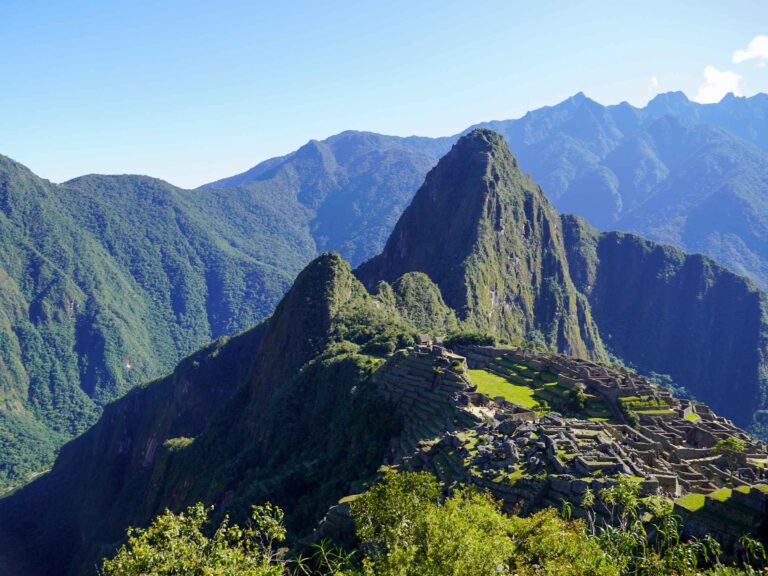
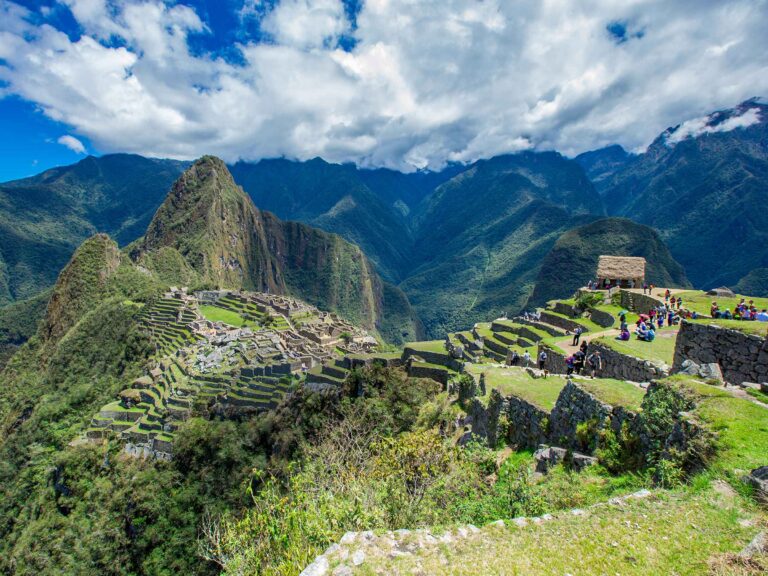
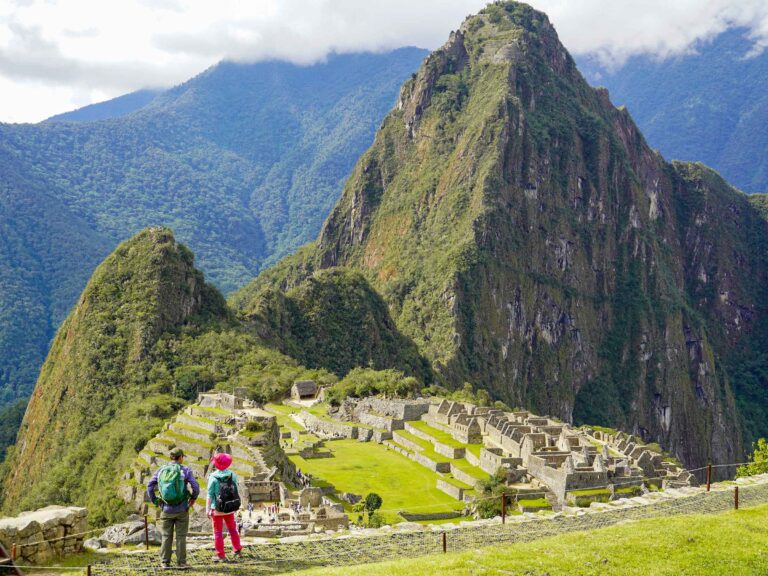
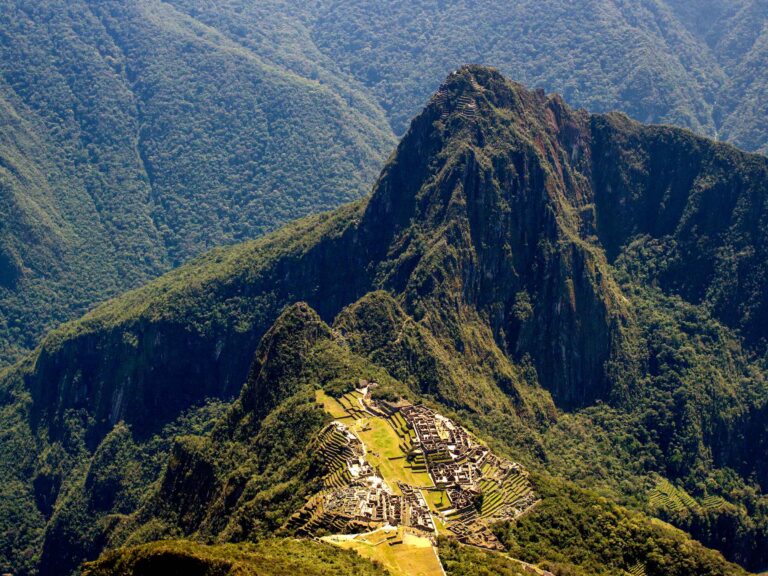
Embarking on an adventure to Machu Picchu is a dream for many travelers, but ensuring your journey is safe and enjoyable starts long before you lace up your hiking boots. Essential vaccinations are crucial to your travel preparation, safeguarding your health as you explore this breathtaking UNESCO World Heritage site. From the lush greenery of the Sacred Valley to the ancient ruins perched high in the Andes, understanding the necessary vaccinations can provide peace of mind as you navigate the trails. This complete guide will walk you through the essential vaccines and health tips, empowering you to embark on your Andean expedition with confidence. Whether you’re a seasoned traveler or a first-time explorer, having the correct information can make all the difference. Get ready to immerse yourself in the awe-inspiring beauty of Machu Picchu while protecting your health every step of the way!
Importance of Vaccinations When Visiting Machu Picchu
When planning an adventure to the ancient city of Machu Picchu, it’s easy to get caught up in the excitement of the journey. With thoughts of the Inca Trail, breathtaking sunrises, and the grandeur of the ruins, health precautions might not be at the top of your list. However, ensuring that you are vaccinated is one of the most critical steps you can take to safeguard your health and the health of those around you. Vaccinations protect against serious diseases that can be prevalent in different regions and climates, and Machu Picchu is no exception.
Travelers to Peru, especially to Machu Picchu, may be exposed to health risks not common in their home countries. The high altitude, dense jungle environments, and exposure to new microorganisms can pose threats to an unprepared immune system. Vaccinations help protect against these threats by training your body to recognize and fight off specific pathogens. This preemptive measure can prevent illness from disrupting your adventure or worse, causing long-term health issues.
Moreover, getting vaccinated is not just about personal protection. It also plays a significant role in public health. When more people get vaccinated, the spread of contagious diseases is minimized, thereby protecting those who cannot be vaccinated due to medical conditions. This concept, known as herd immunity, is crucial in maintaining the health and safety of communities, especially in remote areas like Machu Picchu, where healthcare facilities may be limited. By ensuring you are vaccinated, you contribute to the overall safety of the travel destination and its inhabitants.
Recommended Vaccinations for Machu Picchu
Before embarking on your journey to Machu Picchu, it is essential to know which vaccinations are recommended for travelers. Some vaccines are standard for international travel, while others are specific to the unique environment and health risks of the Andes and the Sacred Valley. The Centers for Disease Control and Prevention (CDC) provides a comprehensive list of vaccinations that travelers should consider before heading to Peru.
Firstly, routine vaccinations should be up to date. These include measles-mumps-rubella (MMR), diphtheria-tetanus-pertussis, varicella (chickenpox), polio, and the annual flu shot. Ensuring these basic vaccinations are up to date is the first step in protecting your health. These vaccines protect against common diseases that can be easily contracted in crowded places, such as airports and popular tourist sites.
In addition to routine vaccinations, several vaccines are specifically recommended for travelers to Machu Picchu. Hepatitis A and B vaccines are crucial, as these viruses can be contracted through contaminated food and water or contact with infected individuals. Typhoid fever is another concern, and a vaccination can prevent this potentially severe disease. Yellow fever is also recommended for travelers visiting certain areas of Peru, particularly if you plan to explore the Amazon Basin. Though Machu Picchu itself is not a yellow fever zone, it’s a reasonable precaution if your itinerary includes other parts of the country.
Rabies vaccination is advised for those who might have close contact with animals during their travels. Although the risk of contracting rabies is low, the consequences of the disease are severe. Lastly, a meningococcal vaccine is recommended for travelers who will be in close contact with local populations, especially during the dry season when meningitis outbreaks are more common. Consulting with a travel health specialist or your healthcare provider can help determine which vaccines are necessary based on your specific travel plans.
Understanding the Risks of Tropical Diseases
Traveling to Machu Picchu involves more than just navigating the high altitudes of the Andes; it also means being prepared for the potential risks of tropical diseases. Peru’s diverse climates, from coastal areas to the Amazon rainforest, pose different health risks that can affect your journey. Understanding these risks is essential in taking the proper precautions to ensure a safe and healthy adventure.
Tropical diseases are prevalent in many parts of Peru, including malaria, dengue fever, and Zika virus. While Machu Picchu itself is at a high altitude where the risk of malaria is low, these diseases can still be a concern if your travels take you to lower, more humid regions. Malaria prophylaxis is recommended for those visiting areas below 2,000 meters, particularly in the Amazon Basin. It’s essential to take preventive measures, such as using insect repellent, wearing long-sleeved clothing, and sleeping under a mosquito net, to minimize the risk of mosquito-borne illnesses.
Moreover, waterborne diseases are a significant risk for travelers in Peru. Contaminated water can lead to illnesses such as cholera, hepatitis A, and typhoid fever. These diseases can cause severe gastrointestinal symptoms, which can be particularly debilitating in a remote area like Machu Picchu. It’s crucial to drink only bottled or treated water, avoid ice cubes, and be cautious about the food you consume. Street food, while tempting, can pose a higher risk if not prepared under hygienic conditions.
Another concern is traveler’s diarrhea, which affects many visitors to developing countries. The best defense against this common ailment is to practice good hand hygiene, use hand sanitizers, and be mindful of what you eat and drink. Vaccination against cholera offers some protection against the bacteria that cause traveler’s diarrhea. Being aware of these risks and taking proactive measures can help prevent disruptions to your adventure caused by illness.
Vaccination Schedule and Timing
Understanding the timing and schedule for vaccinations is crucial to ensuring you are fully protected before your trip to Machu Picchu. Vaccines need to be administered at specific intervals to be effective, and some require a series of doses over weeks or months. Planning your vaccinations well in advance of your departure date is essential to ensure you have adequate protection.
Ideally, travelers should begin their vaccination process at least six to eight weeks before their departure. This timeframe allows for any necessary multiple doses and ensures that your immune system has enough time to build up protection. For example, the hepatitis A and B vaccines require a series of shots over several weeks or months. The hepatitis A vaccine is typically given in two doses six months apart, while the hepatitis B vaccine can be given in three doses over six months. Some vaccines, such as the yellow fever vaccine, can be given as a single dose but must be administered at least 10 days before travel to be effective.
It’s also important to consider any potential side effects of vaccinations. Some vaccines, such as the typhoid vaccine, can cause mild reactions, such as fever or soreness at the injection site. Planning your vaccinations well in advance gives you time to recover from any side effects before your journey begins. Your healthcare provider can help you create a vaccination schedule that aligns with your travel plans and provides adequate protection.
In addition to timing, it’s essential to keep a record of your vaccinations. Many countries, including Peru, may require proof of certain vaccinations, such as yellow fever, upon entry. Keeping an up-to-date vaccination record can help avoid issues at border crossings and ensure compliance with international travel regulations. By carefully planning your vaccination schedule, you can embark on your Machu Picchu adventure with confidence, knowing you are protected against potential health risks.
SHOULD I RECEIVE A VACCINE TO TRAVEL TO PERU?
Peru is a country with lovely places and several different climate zones. Before embarking on any trip, you must understand the vaccination requirements for the country/region you are visiting. Otherwise, you may encounter unpleasant and even dangerous accidents. For Peru, there are no specific vaccination requirements, and you do not need to show your vaccination certificate to enter the country. However, it would help if you considered some optional and highly recommended vaccinations before traveling. Therefore, together with KONDOR PATH TOURS.

SANITARY RECOMMENDATIONS TO TRAVEL TO PERU
The sanitary conditions in Peru are generally good, but it is advisable to take out medical insurance. Use insect repellent on any trip to the jungle, and wear long sleeves, especially at dawn and dusk. The mountains above 3,000 meters can cause altitude sickness. It uses high-factor sun protection, especially in Arequipa, where solar radiation rates are among the highest in the world. Do not drink tap water or eat vegetables or fruits without disinfecting them.

YELLOW FEVER
It is recommended that people planning to travel to jungle areas below 2,300 m / 7,545 ft be vaccinated against yellow fever, which is common on the eastern side of the Andes. If you plan to travel to more South American countries, please understand each country’s yellow fever requirements. For example, you must provide a yellow fever vaccination certificate to enter Bolivia from Peru. You can get it ten days in advance. This is an excellent option if you want to be immunized to travel to Peru. Mosquitoes can spread yellow fever, so you must wear long clothes and solid insect repellent to stop it. If you want to enjoy traveling in Peru, it is best to consult your family doctor.
Regular shooting is the kind that everyone should shoot naturally. Whether people plan to travel abroad or stay at home, the Centers for Disease Control and Prevention (CDC) recommends that all travelers receive the latest routine vaccines.
You may have received these vaccinations as a child, but a booster shot before your trip is always a good idea. In addition to the best vaccinations for traveling to Peru, you should receive these routine vaccinations before your trip: Measles, Mumps, and Rubella (MMR), Diphtheria, Tetanus, and Pertussis Vaccine, Varicella Vaccine ( chickenpox), and Polio Vaccine (annual flu shot).
MALARIA, ZIKA, AND DENGUE FEVER
MALARIA
Unfortunately, there has been no vaccination against malaria so far. Please bring some antimalarials if you go to jungle areas and places below 2000 meters (6562 feet). Mosquitoes can also transmit malaria, so it is best to avoid being bitten. Consider wearing loose-fitting clothing and using a strong insect repellent, especially in summer. If you have plans to visit the Peruvian jungle, you’d better prepare.
ZIKA Given Peru’s rich biodiversity, it is unsurprising that many mosquito species are present. Zika virus, like malaria, is spread by mosquitoes that bite during the day and night. It is hazardous for pregnant women to transmit this disease to the fetus, and the fetus will face the risk of specific congenital disabilities. Common symptoms are fever, headache, red eyes, muscle pain, joint pain, and skin rash. There is also no vaccine or medicine for the Zika virus.
It is not yet prevalent in Peru, but cases have been documented. Contact your doctor for more specific information.
DENGUE FEVER
It is a viral disease transmitted by mosquitoes. It occurs in tropical and subtropical regions and can cause high fever, body aches, and skin rashes. Cases have been reported in Peru. Since no medicines or vaccines exist, you can only take precautions with powerful spray repellents. Together with the experts at KONDOR PATH TOURS, we hope we have taught you about the vaccine precautions required for travel to Peru. However, you must remember that these are just suggestions we have always made. We have no natural say in medical issues. Therefore, discussing these issues with your general practitioner is strongly recommended. But if you want to inquire about our different routes, you can consult our qualified consultants. With many years of experience, we know how to organize tailor-made trips.
We look forward to your next visit! Peru has so much to offer that it can be challenging not to know where to start.
Where to Get Vaccinated: Clinics and Resources
Finding the right place to get vaccinated is an essential step in preparing for your trip to Machu Picchu. There are several resources available to help travelers obtain the necessary vaccinations, including local clinics, travel health centers, and pharmacies. Knowing where to go and what to expect can streamline the process and ensure you receive the appropriate vaccines.
Travel health clinics are an excellent resource for getting vaccinated before a trip. These specialized clinics focus on the health needs of travelers and are well-versed in the latest recommendations for various destinations. Travel health professionals can provide comprehensive services, including vaccinations, travel health advice, and prescriptions for medications such as malaria prophylaxis. It’s a good idea to schedule an appointment with a travel health clinic at least six to eight weeks before your departure to ensure you have enough time to complete any necessary vaccine series.
Local health departments and clinics are also valuable resources for vaccinations. Many public health departments offer travel vaccination services, often at a lower cost than private clinics. These services can include routine vaccinations and those recommended for international travel. It’s essential to call ahead and confirm that the clinic offers the specific vaccines you need, as availability can vary.
Pharmacies have increasingly become a convenient option for obtaining travel vaccinations. Many large pharmacy chains now offer immunization services, including travel vaccines. Pharmacists who are certified to administer vaccines can provide a range of immunizations, and appointments are often more flexible than those at clinics. However, it’s essential to check with the pharmacy in advance to ensure they carry the specific vaccines required for your trip.
In addition to physical locations, online resources can help you find vaccination services. Websites such as the CDC’s Travel Health page and the International Society of Travel Medicine (ISTM) provide directories of travel health clinics and information on recommended vaccinations. By using these resources, you can find the most convenient and reliable options for vaccination, ensuring you are well-prepared for your Machu Picchu adventure.
Additional Health Precautions for Travelers
While vaccinations are a crucial component of travel health, travelers should also take additional precautions to ensure a safe and healthy journey to Machu Picchu. These measures include preparing for the high altitude, practicing good hygiene, and being mindful of food and water safety. By taking these extra steps, you can minimize health risks and fully enjoy your adventure.
One of the most significant challenges travelers face when visiting Machu Picchu is the high altitude. The ancient city sits at an elevation of approximately 2,430 meters (7,970 feet) above sea level, and many visitors experience altitude sickness, also known as acute mountain sickness (AMS). Symptoms of AMS include headache, nausea, dizziness, and shortness of breath. To mitigate altitude-related effects, it’s essential to acclimatize gradually. Spend a few days in Cusco or the Sacred Valley, which are at lower elevations, before ascending to Machu Picchu. Staying hydrated, avoiding alcohol, and consuming a high-carbohydrate diet can also help your body adjust to the altitude.
Good hygiene practices are another critical aspect of maintaining health while traveling. Frequent handwashing with soap and water, using hand sanitizer, and avoiding touching your face can prevent the spread of germs. It’s also important to be cautious with food and water. Stick to bottled or treated water, avoid ice cubes, and only eat food that has been thoroughly cooked. Fresh fruits and vegetables should be peeled or washed with safe water. These precautions can help prevent foodborne illnesses, which are common among travelers.
Additionally, travelers should carry a basic first-aid kit with essentials such as bandages, antiseptic wipes, pain relievers, and any personal medications. Over-the-counter medications for common ailments like diarrhea, motion sickness, and allergies can also be helpful. If you plan to hike or spend extended time outdoors, consider including items such as blister treatments, insect repellent, and sunscreen. Being prepared with these essentials can help address minor health issues quickly and prevent them from escalating into more serious problems.
Travel Insurance and Health Coverage
Travel insurance is often an overlooked aspect of trip planning, but it is an essential component of ensuring a safe, worry-free journey to Machu Picchu. Comprehensive travel insurance can provide coverage for unexpected medical expenses, trip cancellations, lost luggage, and other unforeseen events. Understanding the benefits and selecting the right policy can offer peace of mind and financial protection during your adventure.
Medical coverage is one of the most critical aspects of travel insurance. Healthcare services in remote areas like Machu Picchu can be limited. In the event of a serious illness or injury, you may need to be evacuated to a larger city or even your home country. Medical evacuation can be costly, and having travel insurance that covers these expenses can save you from significant financial strain. Additionally, travel insurance can cover the cost of medical treatments, hospital stays, and medications if you fall ill or get injured during your trip.
Trip cancellation and interruption coverage is another valuable feature of travel insurance. This coverage can reimburse you for non-refundable expenses if you need to cancel your trip due to unforeseen circumstances such as illness, injury, or natural disasters. It can also cover costs if your trip is interrupted and you need to return home early. Given the unpredictable nature of travel, this coverage can provide financial protection and let you reschedule your adventure without incurring additional expenses.
When selecting a travel insurance policy, it’s essential to read the fine print and understand what is covered and what is not. Look for a policy that offers comprehensive medical coverage, including emergency evacuation, and ensure it covers the specific activities you plan to engage in, such as hiking or adventure sports. It’s also a good idea to check whether the policy covers COVID-19-related issues, given the ongoing pandemic. By choosing the right travel insurance, you can embark on your Machu Picchu adventure with confidence, knowing that you are protected against potential risks.
Personal Experiences: Travelers Share Their Vaccination Stories
Hearing from fellow travelers who have navigated the vaccination process can provide valuable insights and reassurance as you prepare for your journey to Machu Picchu. Personal stories highlight the importance of vaccinations and the peace of mind they provide, as well as practical tips to make the process as smooth as possible. Here are a few experiences from travelers who have prioritized their health before embarking on their Andean adventures.
Sarah, an avid hiker from Canada, shares her experience of getting vaccinated before her trip to Machu Picchu. “I knew that exploring the Inca Trail was going to be a once-in-a-lifetime experience, so I wanted to make sure I was fully prepared. I visited a travel health clinic about 2 months before my departure and received vaccinations for hepatitis A, typhoid, and yellow fever. The nurse also recommended the flu shot and a tetanus booster, which I hadn’t thought about. The process was straightforward, and I felt much more confident knowing I was protected against potential illnesses.”
John, a backpacker from the United States, emphasizes the importance of planning. “I was so excited about my trip to Peru that I almost forgot about vaccinations until a friend reminded me. I scheduled an appointment with my local health department about six weeks before my trip. I needed a series of shots for hepatitis B, so I was glad I started early. I also got the typhoid vaccine and brought malaria pills since I planned to visit the Amazon. The vaccinations gave me peace of mind, and I didn’t have any health issues during my trip.”
Emma, a solo traveler from the United Kingdom, offers practical advice for staying healthy while traveling. “I made sure to get all the recommended vaccines, including hepatitis A and B, typhoid, and the flu shot. But I also focused on other health precautions, such as drinking only bottled water, avoiding street food, and practicing good hand hygiene. I carried a small first aid kit with essentials like hand sanitizer, pain relievers, and medication for traveler’s diarrhea. With these preparations, I felt confident and enjoyed my time exploring Machu Picchu without any health worries.”
These personal experiences highlight the importance of vaccinations and additional health precautions when traveling to Machu Picchu. By prioritizing your health and planning ahead, you can ensure a safe and enjoyable adventure, just like these travelers did.
Conclusion: Preparing for a Safe and Enjoyable Adventure
Embarking on an adventure to Machu Picchu is an exciting and unforgettable experience, but it requires careful preparation to ensure a safe and enjoyable journey. Essential vaccinations are a critical part of this preparation, protecting your health and allowing you to fully immerse yourself in the awe-inspiring beauty of this ancient site. By understanding the importance of vaccinations, knowing which vaccines are recommended, and planning your vaccination schedule, you can safeguard your health and the health of those around you.
In addition to vaccinations, being aware of the risks of tropical diseases and taking additional health precautions can further enhance your travel experience. Practicing good hygiene, staying hydrated, and being cautious with food and water are simple yet effective measures to prevent illness. Carrying a basic first aid kit and having comprehensive travel insurance can provide added protection and peace of mind.
Hearing from fellow travelers who have prioritized their health before their Machu Picchu adventures can offer valuable insights and reassurance. Their stories highlight the importance of being proactive and prepared, allowing you to focus on the incredible journey ahead. By taking these steps, you can embark on your Andean expedition with confidence, knowing you are well-equipped to handle any health challenges that may arise.
As you lace up your hiking boots and set out to explore the ancient ruins, remember that your health and safety are paramount. With the proper vaccinations, precautions, and preparations, you can fully enjoy the breathtaking landscapes, rich history, and cultural marvels of Machu Picchu. So, get ready to immerse yourself in this extraordinary adventure, and take pride in knowing that you have done everything possible to protect your health every step of the way.