
Rainbow Mountain Peru, also known as Vinicunca, is a natural wonder that has captured the hearts of travelers worldwide. With its vibrant hues and breathtaking landscapes, it’s a must-visit destination for anyone exploring Peru. In this guide, we’ll provide you with essential tips and recommendations for your visit, including the best time to go, how to choose between Vinicunca and Palcoyo, what to expect, and important health considerations.
Rainbow Mountain is a geological marvel. Its colorful appearance is due to the sedimentary layers of minerals that have been exposed over time. Visiting this destination offers more than just a visual feast; it’s an opportunity to connect with the natural beauty of the Andes and experience the culture of the local Quechua communities.
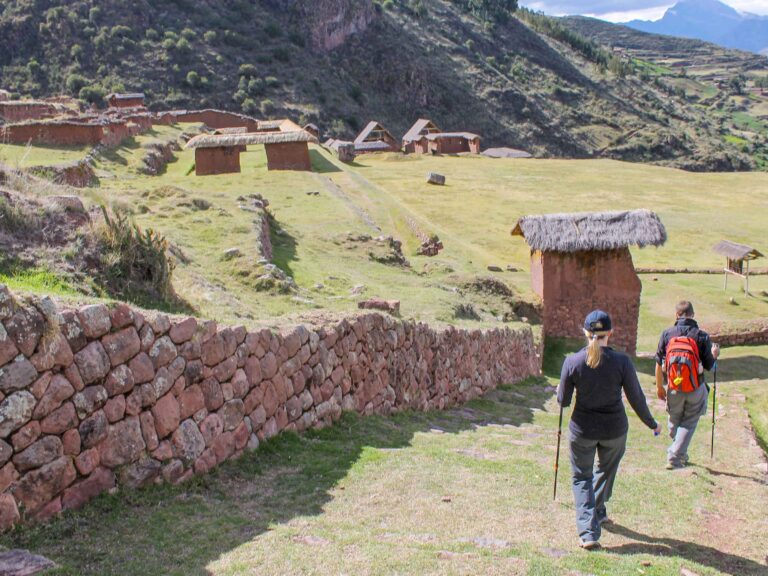
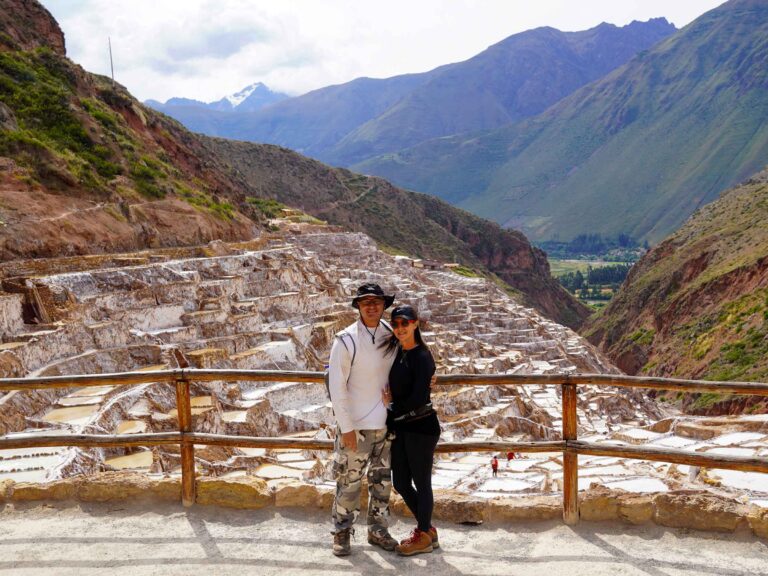
It is often thought that the only thing you can do in Cusco is to visit Machupicchu. However, you can see many places in this beautiful destination. The spectacular scenery of snow-capped mountains, flowering meadows, turquoise lagoons, and varied flora and fauna make Peru’s Sacred Valley of the Incas the perfect place for adventure and leisure tourism.
The vibrant colors of Rainbow Mountain result from a unique geological process. Each hue represents a different type of mineral, such as iron oxide and copper sulfate, that has been deposited over millions of years. This kaleidoscope of colors is not only a visual treat but also a geological wonder, offering insights into the Earth’s natural history.
Visiting Rainbow Mountain is also a journey into the heart of Peruvian culture. The local Quechua communities have lived in harmony with the land for centuries, maintaining traditions that are deeply tied to the natural landscape. Engaging with these communities provides a deeper understanding of their way of life, their history, and their relationship with the land.
For those with a spirit of adventure, Rainbow Mountain offers the thrill of exploration. The trek itself is an exhilarating experience, challenging your endurance while rewarding you with breathtaking views at every turn. It’s an opportunity to step out of your comfort zone and immerse yourself in the wild beauty of the Andes.
The best time to visit Rainbow Mountain is during the dry season, which runs from May to September. During these months, you’re more likely to have clear skies and a better view of the mountain’s vibrant colors. The rainy season, from November to March, can obscure the views with clouds and make the trail muddy and more challenging.
Understanding the seasonal changes is crucial when planning your visit. The dry season not only offers clear skies but also stable weather conditions, making the trek more enjoyable. Conversely, the rainy season can bring unexpected weather shifts, making the trail slippery and potentially obscuring the mountain’s colors.
For photographers, timing your visit during the peak months of June to August can be particularly rewarding. The sun’s position during these months highlights the mountain’s colors, making it perfect for capturing stunning images. Early mornings and late afternoons are ideal for photography, offering soft lighting and fewer crowds.
Dressing appropriately is key to a comfortable experience. During the dry season, temperatures can fluctuate greatly from morning to afternoon, so layering is essential. A waterproof jacket, sturdy hiking boots, and sun protection are must-haves year-round. Packing wisely ensures you’re prepared for both the cold morning air and the midday sun.
Vinicunca is the more famous of the two Rainbow Mountains and is often the first choice for travelers. However, Palcoyo offers a less crowded alternative with equally stunning views. Here’s a comparison to help you decide:
Vinicunca offers the quintessential Rainbow Mountain experience. The trail, about 5 kilometers (3.1 miles) long, takes you through diverse landscapes, culminating in the iconic view that has graced countless travel brochures. However, its popularity means you will likely encounter large crowds, especially during peak season.
Palcoyo presents a quieter, more peaceful alternative. The shorter hike, approximately 1.5 kilometers (0.9 miles), is less strenuous, making it accessible to a wider range of hikers. This option offers a different perspective on the region’s beauty, often with the added bonus of solitude, creating a more introspective experience.
When choosing between Vinicunca and Palcoyo, consider your preferences for crowd size and hiking difficulty. If you seek a challenging trek with the reward of a famous view, Vinicunca is your destination. For those who prefer a leisurely hike with fewer tourists, Palcoyo is an excellent choice. Both offer unique experiences, so consider your personal travel style and physical readiness.
Rainbow Mountain is a high-altitude trek, and the experience can be both exhilarating and challenging. Here’s what you should know before you go:
The hike to Rainbow Mountain can be demanding due to the altitude. The trail is well-marked, but it’s essential to take your time and pace yourself. You’ll start at an altitude of about 4,326 meters (14,189 feet) and reach a peak of 5,200 meters (17,060 feet) at Vinicunca. The journey is as much about endurance as it is about enjoying the scenery.
The high altitude can cause altitude sickness, which includes symptoms like headaches, nausea, and dizziness. To minimize the risk, consider the following tips:
Acclimating to high altitudes is crucial for a safe and enjoyable trek. Spend a few days in Cusco or another high-altitude area before attempting the hike. This adjustment period helps your body adapt to the reduced oxygen levels, reducing the risk of altitude sickness.
Staying hydrated is essential at high altitudes. Drink plenty of water and avoid alcohol and caffeine, which can dehydrate you. Eating small, frequent meals rich in carbohydrates can also help maintain your energy levels during the trek.
Many travelers use natural remedies such as coca leaves to alleviate symptoms of altitude sickness. Chewing coca leaves or drinking coca tea can be effective. However, it’s always wise to consult a healthcare professional before your trip, especially if you have pre-existing health conditions.
In short, yes! Rainbow Mountain is worth visiting for its unique beauty and the sense of accomplishment you’ll feel after completing the trek. While the hike can be challenging, the breathtaking views and the vibrant colors of the mountain make it an unforgettable experience.
Starting your trek early in the morning has several advantages. You’ll avoid the peak crowds and have the best light for photography. Early mornings offer a peaceful atmosphere, allowing you to immerse yourself fully in the natural beauty without distractions.
Hiring a local guide can significantly enhance your experience. Guides provide valuable insights into the area’s geology, history, and culture. Their knowledge can transform your trek from a mere hike into an educational and enriching experience.
Packing wisely is crucial for a successful trek. Bring snacks, water, sunscreen, and a hat to protect against the sun’s rays at high altitudes. A small first-aid kit can be invaluable, and don’t forget your camera to capture the stunning landscapes.
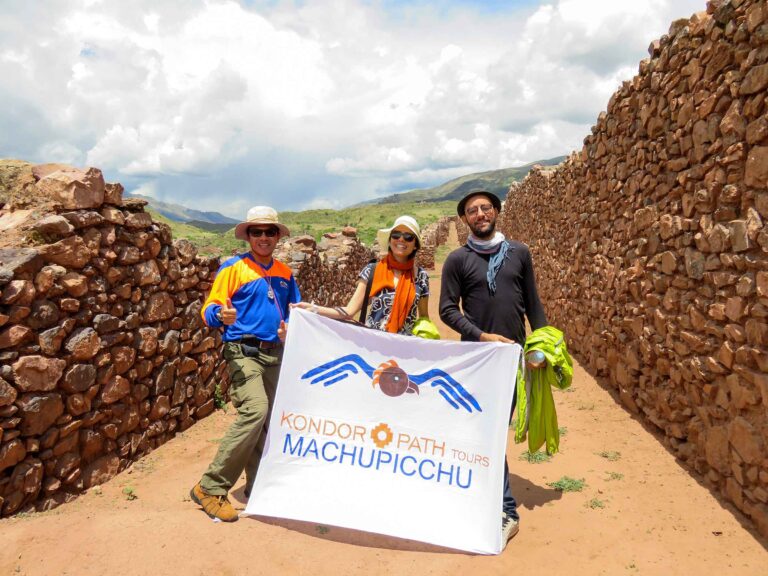
There are many tour operators in Cusco offering guided tours to Rainbow Mountain. These tours often include transportation, meals, and a guide. When choosing a tour, consider the following:
Researching tour operators before booking is essential. Look for reviews and recommendations to ensure a reliable and enjoyable experience. Reputable operators prioritize safety and provide knowledgeable guides who can enrich your visit.
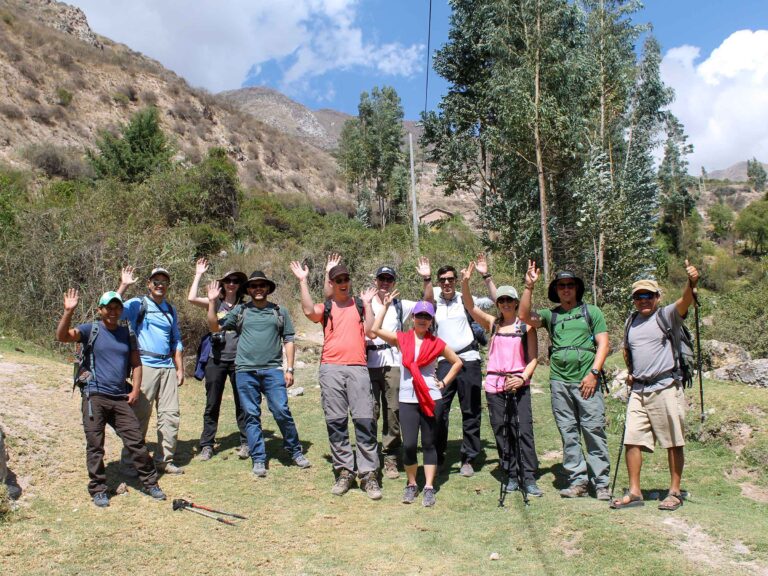
The size of your tour group can impact your experience. Smaller groups often offer a more personalized experience, allowing for greater interaction with your guide. Larger groups may offer a more social atmosphere but can sometimes feel rushed or crowded.
Carefully review what’s included in the tour price. Some tours include meals, entrance fees, and transportation, while others may have additional costs. Understanding these details helps you budget accurately and ensures there are no surprises on the day of your trek.
It’s important to manage your expectations when visiting Rainbow Mountain. While the photos you see online are stunning, they are often edited to enhance the colors. In reality, the colors may not be as vivid, especially if the weather is cloudy or if you’ve visited during the rainy season.
Many images of Rainbow Mountain are digitally enhanced to highlight the colors. While the natural colors are indeed beautiful, they can appear more subdued in person, particularly under certain weather conditions. Being aware of this ensures you appreciate the mountain’s natural beauty without unrealistic expectations.
Despite the potential difference in color vibrancy, the natural beauty of Rainbow Mountain is undeniable. The surrounding landscapes, the interplay of light and shadow, and the sheer scale of the Andes contribute to an awe-inspiring experience that goes beyond the mountain’s colors.
The experience of hiking in the Andes is rewarding in itself. The sense of achievement after completing the trek, the connection with nature, and the insight into local culture make the journey worthwhile. The memories you create will be as vivid as the colors you see.

Rainbow Mountain Peru Recommendations
If you want a quiet vacation, we recommend you enjoy a relaxing paddle in the Piuray lagoon. If you like history and anthropological information, head to the Inkari Museum. To interact with locals and learn about their lifestyles and traditions, we suggest you visit Lamay’s various communities. Here is everything you need to know about the Sacred Valley to make your trip fantastic.
Most flights to the Sacred Valley depart and arrive from Lima. The Peruvian capital offers visitors many things to see and do, serving as the gateway to the rest of the country and offering domestic flights to major cities, including Cusco. Keep an eye on airlines’ websites, as they sometimes offer discounts and promotions for travel to the Imperial City, with prices as low as $70. If you can, look for a window seat, as the view of the Andes on the way is breathtaking.

You can also travel to Cusco by car or bus. The trip takes about 22 hours. The road stretches 1100 km through increasingly rugged and isolated terrain. If you plan this adventure, we recommend scheduling a few stops to better cope with the road.
Once in Cusco, to reach the Sacred Valley, you can take a bus to Ollantaytambo; they depart every 15 minutes. You can also hire a cab or share a car with other travelers going to the same destination.
The climate in the Sacred Valley does not usually vary much throughout the year. Daytime temperatures range from 20 to 25 °C, while at night they drop to approximately 5 °C, and some people feel a cold that can be intense. We recommend traveling during the dry season, from April to November. You can travel between December and March if you do not mind the rain.

Remember to acclimatize before engaging in any activity that requires high physical exertion in the Sacred Valley, such as hiking or climbing. The average altitude at this site is 2850 meters above sea level, and the low oxygen levels could cause discomfort. Bring your sunscreen, umbrella, plenty of liquid (accompanied by coca leaves), and warm clothes if you stay in one of the villages for the night.
The options in the Sacred Valley are numerous and varied, from backpackers to five-star hotels. In the rural areas of the Valley, some hotels and haciendas offer stays with attractive complimentary services, such as relaxation therapies, spiritual retreats, healthy food, and yoga classes.
The Sacred Valley offers thousands of places for all tastes, including Pisac, Ollantaytambo, Urubamba, Chinchero, Yucay, Maras, Moray, and Aguas Calientes. Most tours include bus and train trips, stops at the main archaeological complexes, visits to markets, and adventure sports.

Rainbow Mountain Peru
If you hire a tour, make sure you have time to enjoy it all and that it combines different modes of transportation, such as biking and hiking, with trains and buses, offering a range of experiences.
The Sacred Valley’s gastronomic options have grown. Many restaurants in Ollantaytambo, Urubamba, and Pisac offer a variety of Andean dishes made with fresh, native ingredients. Dare to try the Chiri Uchu, a fried trout, a baked guinea pig, a succulent Inchicapi, or a regional tuber stew called Kapchi; as you can see, the alternatives are very varied and original.
Also, be sure to visit the valley’s breweries. These are places where you will discover the beer-making process, accompanied by a delicious Andean snack.
Rainbow Mountain Peru is a destination that should be on every traveler’s bucket list. Whether you choose Vinicunca or Palcoyo, you’re in for an adventure filled with stunning landscapes and cultural experiences. By carefully planning your visit and following the recommendations in this guide, you’re sure to have a memorable and rewarding trip.
Remember to respect the local communities and the natural environment during your visit. Your actions can help preserve this incredible landscape for future generations. Engage with local customs, support sustainable practices, and leave no trace behind.
Happy trekking! With the proper preparation and mindset, your visit to Rainbow Mountain will be an unforgettable adventure. Embrace the journey, savor the landscapes, and cherish the moments that make travel so enriching.
Understanding the Neurochemistry of Ayahuasca Ayahuasca, a traditional Amazonian brew, has been revered for centuries for its spiritual…
Peru is a land of diverse landscapes and rich cultural heritage, and the Huchuy Qosqo Trek is a…
Peru is a treasure trove of historic sites, with Machu Picchu often stealing the spotlight. However, the lesser-known…
Nestled in the high Andes of Peru, Qeswachaka stands as a testament to ancient Inca engineering and the…
Nestled in the highlands of Peru, Pikillacta stands as a testament to ancient civilizations that predate the Inca…
The Ancascocha Trek: A Remote Andean Route Few Travelers Experience The Ancascocha Trek is an unparalleled adventure for…
Nestled in the breathtaking landscapes of the Sacred Valley, Tambomachay is a hidden treasure that whispers tales of…
Trekking the Ancascocha Trail The Ancascocha Trail is often overshadowed by its more famous neighbor, the Inca Trail.…
Huchuy Qosqo Trek vs. Classic Inca Trail: Which Adventure is Right for You? Introduction Peru’s Sacred Valley has…
Exploring Qenqo Peru: Unraveling the Mysteries of the Ancient Incan Sanctuary Nestled in the breathtaking landscapes of Peru,…
Discover The Cusco Cathedral, Art, and Cultural Significance Nestled in the heart of Cusco, Peru, the Cusco Cathedral…
Multi Day Tours from Cusco: Travel Routes, Ideas & Planning Tips Cusco, the historic capital of the Inca…