
Welcome to the Peru Amazon Rainforest, a vibrant and diverse ecosystem teeming with life and adventure. This travel guide will provide you with all the information you need to plan your trip, from the breathtaking geography to the rich biodiversity and the fascinating indigenous cultures. Whether you’re an adventure seeker or a nature enthusiast, the Peruvian Amazon promises an unforgettable experience.
The Peru Amazon Rainforest is a part of the larger Amazon Basin, which spans across multiple countries in South America. Covering nearly 60% of Peru’s land area, it is one of the most biologically diverse regions on the planet. The lush green canopy is home to thousands of plant and animal species, many of which are unique to this region.
The Amazon Rainforest, often referred to as the “lungs of the Earth,” plays a crucial role in regulating the planet’s climate. It absorbs vast amounts of carbon dioxide while releasing oxygen, making it an essential natural resource in combating global warming. The health of the Amazon is directly linked to the health of the planet, highlighting the importance of conservation efforts in this region.
The Peruvian Amazon is not just a natural wonder; it is a living museum of human history and culture. Indigenous tribes have called this rainforest home for millennia, developing intricate knowledge systems and traditions that are deeply intertwined with the environment. These communities offer invaluable insights into sustainable living and the preservation of biodiversity.
Despite its beauty and importance, the Amazon faces numerous challenges. Deforestation, illegal mining, and climate change threaten its delicate ecosystems. Conservation efforts are crucial to protect this unique environment, and responsible tourism can play a pivotal role in supporting these initiatives. Visitors have the opportunity to contribute to the preservation of the Amazon through mindful travel practices.
The Peruvian Amazon can be divided into two main regions: the highland jungle (Selva Alta) and the lowland jungle (Selva Baja). The highland jungle is situated on the eastern slopes of the Andes, characterized by mountainous terrain and cloud forests. In contrast, the lowland jungle is flat and expansive, with dense forests and winding rivers.
The Selva Alta is an enchanting landscape where the Andes meet the Amazon. Here, the terrain is marked by steep mountains and misty cloud forests. This area is home to unique ecosystems that support rare species of orchids and hummingbirds. The highland jungle is a paradise for hikers and birdwatchers, offering breathtaking views and a chance to see wildlife up close.
The Selva Baja is the quintessential Amazon experience, with its vast expanses of flat, dense forest and meandering rivers. This region is a labyrinth of waterways, home to the iconic Amazon River and its many tributaries. It’s a place where biodiversity thrives, and the forest is alive with the sounds of nature. Visitors can explore this area by boat, navigating the intricate network of rivers and streams.
The most popular entry point to the Peruvian Amazon is the city of Iquitos, which is accessible only by plane or boat. Iquitos serves as a gateway to the northern Amazon, offering access to remote lodges and wildlife reserves. Other notable areas include Puerto Maldonado, which provides entry to the southern Amazon and is known for its proximity to Tambopata National Reserve. Manu National Park, a UNESCO World Heritage Site, is another must-visit, renowned for its unparalleled biodiversity and pristine landscapes.
The climate in the Peru Amazon Rainforest is typically hot and humid, with an average temperature ranging from 77°F to 82°F (25°C to 28°C). The region experiences two main seasons: the wet season (November to April) and the dry season (May to October). During the wet season, heavy rains can cause river levels to rise, creating temporary wetlands and making some areas inaccessible. The dry season, on the other hand, offers more opportunities for exploration and wildlife viewing.
The wet season transforms the landscape, with rivers swelling and flooding vast areas, creating a water world ideal for canoeing and spotting aquatic wildlife. This season is also crucial for the ecosystem, as it replenishes water sources and supports the breeding cycles of many species. The dry season, however, offers easier access to trails and lodges, making it a preferred time for tourists who wish to explore the forest on foot.
Travelers must be prepared for the Amazon’s climate, which can be challenging due to high humidity and sudden rain showers. Lightweight, breathable clothing is essential, as is waterproof gear for unexpected downpours. Insect repellent is a must to protect against mosquitoes, especially during the wet season. Staying hydrated is also crucial, so travelers should carry a reusable water bottle and purifying tablets.
The flora and fauna of the Amazon have evolved remarkable adaptations to thrive in its unique climate. Many plant species exhibit features like drip tips on leaves to shed excess rainwater. Animals, such as amphibians and insects, have synchronized their life cycles with the seasonal changes, breeding during the wet season when food is abundant. Understanding these adaptations enriches the experience of exploring this remarkable ecosystem.
The Peruvian Amazon is a haven for biodiversity, with a staggering variety of plant and animal species. It is home to jaguars, pink river dolphins, sloths, and anacondas, among many others. Birdwatchers will delight in the sight of colorful macaws, toucans, and harpy eagles soaring through the canopy. Additionally, the region is rich in aquatic life, with over 700 species of fish inhabiting its waters.
The Amazon is home to some of the most iconic and elusive mammals on the planet. The jaguar, with its majestic and stealthy presence, reigns as the apex predator. Sloths, known for their slow movements and endearing expressions, are often spotted lounging in the trees. Pink river dolphins, unique to the Amazon, captivate visitors with their playful antics and striking color.
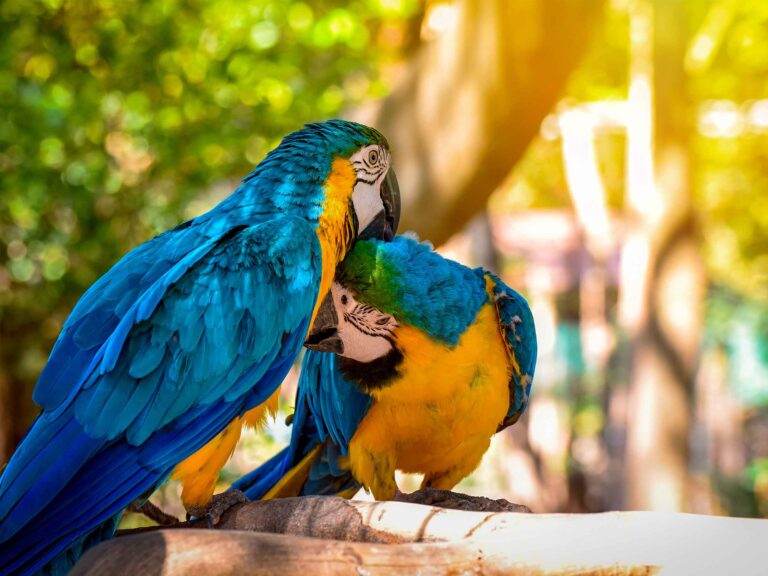
Birdwatchers flock to the Amazon for its unparalleled avian diversity. The rainforest is a haven for vibrant macaws, toucans with their oversized bills, and the formidable harpy eagle. These birds are not only a visual delight but also play critical roles in the ecosystem, such as seed dispersal and maintaining the balance of prey species. Guided birdwatching tours are available for enthusiasts seeking to spot rare and exotic species.
The rivers and streams of the Amazon are teeming with life, from the enigmatic anaconda to schools of piranhas and the gentle manatees. These waterways are crucial for the survival of many species, providing food, transportation, and habitat. The aquatic ecosystem is a complex web of interactions, with predator-prey dynamics and migratory patterns that are fascinating to observe.
by Shaggy Sirep (https://unsplash.com/@shaggyhensel)
The Peruvian Amazon is not only rich in natural beauty but also in cultural heritage. The region is home to numerous indigenous communities, each with its own unique traditions and customs. Tribes such as the Yagua, Asháninka, and Matsés have inhabited the rainforest for centuries, living in harmony with the environment.
The Yagua people are one of the prominent indigenous groups in the Peruvian Amazon, known for their vibrant culture and traditional attire. They have a deep connection with the land, relying on it for sustenance and spiritual practices. Visitors can engage with the Yagua community to learn about their traditional crafts, music, and ceremonies, gaining insights into their way of life.
The Asháninka are the largest indigenous group in Peru, with a rich cultural heritage that includes unique weaving techniques and traditional agricultural practices. They are stewards of the rainforest, using their knowledge of the land to cultivate crops and harvest medicinal plants sustainably. Cultural tours offer a glimpse into their daily lives, highlighting the importance of preserving their cultural identity.
Known as the “Jaguar People,” the Matsés tribe has a profound spiritual connection with the jaguar, an emblem of strength and resilience. They are skilled hunters and gatherers, using blowguns and traditional techniques to hunt in the dense forest. Visitors can participate in workshops and learn about the Matsés’ survival skills, gaining a deeper appreciation for their symbiotic relationship with the rainforest.
As a visitor to the Amazon Rainforest, it’s essential to practice responsible travel. This includes minimizing your environmental impact, respecting local cultures, and supporting sustainable tourism initiatives. Here are some tips for traveling responsibly:
Choose accommodations that prioritize sustainability and conservation. Many lodges in the Amazon adhere to eco-friendly practices, such as using solar energy, managing waste responsibly, and supporting local conservation efforts. Staying in such places not only reduces your environmental footprint but also supports initiatives that protect the rainforest.
When visiting indigenous communities, it’s important to approach with respect and an open mind. Learn about local customs and traditions, and always seek permission before taking photographs of people or their homes. Engaging with local guides can enhance your understanding of the cultural nuances and ensure that your interactions are respectful and meaningful.
Contribute to the local economy by purchasing handmade crafts and goods from indigenous artisans. This not only supports the livelihoods of these communities but also encourages the preservation of traditional crafts. Additionally, consider donating to or volunteering with organizations dedicated to rainforest conservation and community development.
For adventure seekers, the Peru Amazon Rainforest offers a plethora of activities to satisfy your thirst for excitement. Whether you’re navigating the rapids of the Amazon River or trekking through the dense jungle, there’s no shortage of adrenaline-pumping experiences.
Experience the thrill of navigating the powerful currents of the Amazon River. Rafting expeditions offer an exhilarating way to explore the river, with opportunities to spot wildlife along the banks. Kayaking and canoeing are also popular, providing a more intimate experience with the river’s ecosystems and the chance to explore hidden lagoons.
Embark on guided treks through the rainforest, exploring hidden waterfalls and wildlife-rich trails. Trekking tours often include night walks, where you can witness the forest’s nocturnal creatures and the mesmerizing symphony of the jungle at night. Experienced guides offer insights into the flora and fauna, enriching your understanding of this complex ecosystem.
Walk among the treetops on suspended bridges, offering a bird’s-eye view of the jungle below. Canopy tours provide a unique perspective of the rainforest, allowing you to observe wildlife and plant life that thrive in the upper layers of the forest. Zip-lining is another popular activity, offering an adrenaline rush as you soar through the treetops, surrounded by the sights and sounds of the Amazon.
When planning your trip to the Peru Amazon Rainforest, consider the following tips to ensure a smooth and enjoyable experience:
Decide whether you prefer the wet or dry season, keeping in mind that each offers different experiences. The wet season is ideal for water-based activities and witnessing the lush, vibrant landscape, while the dry season provides better access to trails and remote areas. Consider your interests and preferences when choosing the best time to visit.
Consult with a healthcare provider about necessary vaccinations and medications, such as malaria prophylaxis. It’s important to be prepared for the health risks associated with tropical environments. Travelers should also pack a comprehensive first-aid kit and be aware of local health advisories and recommendations.
Pack lightweight, breathable clothing, insect repellent, waterproof gear, and sturdy footwear. A wide-brimmed hat and sunglasses are essential for sun protection. Consider bringing a camera with a waterproof case to capture the stunning landscapes and wildlife. A journal is also a great way to document your experiences and reflections during your journey.

Peru Amazon Rainforest Complete Travel Guide


The beautiful rivers, pristine lakes, and primary rainforests of southeastern Peru are teeming with wildlife. This is the most biodiverse area of Peru’s Amazon and has the highest concentration of jungle lodges, staffed by naturalist guides and reached only by river.
The national parks protect most of the land south of Río Made de Dios. The vibrant frontier city of Puerto Maldonado sits conveniently at the confluence of the Madre de Dios and Tambopata rivers and is the best base for visiting the area. Most visitors reach Puerto Maldonado on daily flights from Cusco.

Madre de Dios boasts a spectacular virgin lowland rainforest and exceptional wildlife. A range of lodges, some excellent local guides, ecologists, and indigenous cultures are all within a few hours of Puerto Maldonado. Serious jungle trips can be made here with relative ease, and this part of the Amazon offers easy and uniquely rewarding access to relatively undisturbed rainforests.
Most travelers visit Puerto Maldonado to stay in a jungle lodge on the Madre de Dios or the Tambopata Rivers. The former offers greater ease of access from Puerto Maldonado, with good wildlife-viewing opportunities nearby on lakes Sandoval, Valencia, and Heath River.
At the same time, the last is spectacular for its remoteness away from human habitation, offering an even better chance of seeing jungle fauna, particularly inside the Reserva Nacional Tambopata proper.

puerto maldonado amazon tour
13km east of Puerto Maldonado, 40 minutes down the Río Madre de Dios from Puerto Maldonado (over 1 hour on the return), plus a 40-minute to 1-hour 3km walk.
Lago Sandoval is a big oxbow lake surrounded by towering Aguaje palms located inside the boundaries of the Reserva Nacional Tambopata, a short distance from Puerto Maldonado. You can walk here from the drop-off point on the Río Madre de Dios; during the rainy season, the 3km track turns into a mud bath, and rubber boots are essential.
By the lake, a caretaker watches over several large rowing boats that can hold up to a dozen people. There is also an observation tower. The wildlife is at its best early in the morning, so it helps to stay either next to Lago Sandoval or at one of the nearby lodges that run tours here. There’s a fair amount of birdlife, including hoatzins, the occasional toucan, and a family of giant otters.

Various indigenous groups live along the main Madre de Dios waterways, as well as in the smaller tributaries and streams. Due to exposure to diseases and influences from the West, including river pollution, extensive gold mining, and renewed interest in oil exploration, the population has declined.
Some have been eradicated over the past 20 years, but some have remained isolated. These groups have recently come to worldwide attention as the international press has highlighted the plight of the “aislados” (“the uncontacted”).

If you go anywhere in the jungle, especially on an organized tour, you’ll likely stop at a local village for at least half an hour. The more you know about the people, the more you’ll get out of the visit, though you’ll get a lot more if you organize at least an overnight stay.
Downstream from Puerto Maldonado, the most populous indigenous group is the Ese Eja (often wrongly and derogatorily called “Huarayos” by colonists). Originally semi-nomadic hunters and gatherers, the Ese Eja were well-known warriors who fought the Incas and, later on, the Spanish expedition of Álvarez Maldonado, eventually establishing relatively friendly and respectful relationships with both.
Under Fitzcarrald’s reign, they suffered greatly through the engaño system, which tricked them into slave labor through credit offers on knives, machetes, pots, and pans, which then took years, or in some cases, a lifetime, to work off. Quite often, Indigenous people were kidnapped, forced to sign sham contracts, and forced to live short, brutal lives as slaves, only to be replaced by others like themselves when they died from overwork and maltreatment.
Although many traditional customs have disappeared, you can still learn a lot by organizing a stay at Palma Real, the largest Ese Eja village in the area, close to the Bolivian border and within access to the Parque Nacional Bahuaja-Sonene.

Upstream from Puerto Maldonado live several indigenous groups, known collectively (again, wrongly and derogatorily) as the “Mashcos,” but comprising at least five separate linguistic groups: the Huachipaeri, Amarakaeri, Sapitoyeri, Arasayri, and Toyeri.
All typically use longbows (over 1.5m) and lengthy arrows, and most settlements will also have a shotgun or two these days since less time can be dedicated to hunting when they are panning for gold or working timber for colonies.
They were known for their long hair and long bark-cloth robes. The men also frequently inserted eight feathers into the skin around their lips, giving them a ferocious, feline appearance.
Many Huachipaeri and Amarakaeri communities are actively engaging with the outside world on their own terms; some of their young men and women have even completed university education before returning to their home villages.

56km downriver from Puerto Maldonado along Río Madre de Dios, 1.5–2 hours by boat with an outboard motor. Traveling by boat from Puerto Maldonado to the vast body of water that is Lago Valencia, you can stop off to watch some gold panners on the Río Madre de Dios and visit a small settlement of Ese Eja; about thirty minutes beyond, you turn off the main river into a narrow channel that connects with the lake.
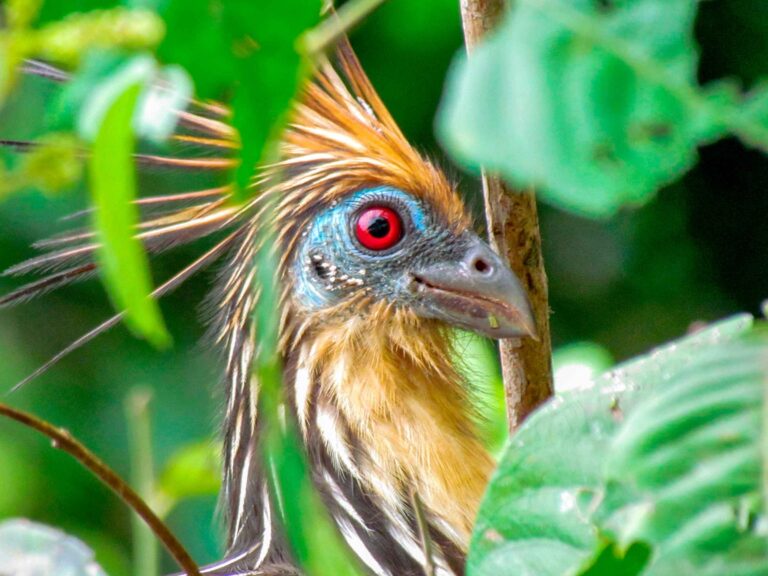
Towards sunset, it’s common to see caimans basking on the muddy banks, an occasional puma if you’re lucky, or the largest rodent in the world, a capybara. Hundreds of hoatzin birds, also known as Gallos in the area, are perched high in the trees around the channel.
They are big, awkward birds with long wings, orange and brown plumage, and characteristic spiky crests. Some lodges arrange full-day lake cruises that combine fantastic fishing and birdwatching.
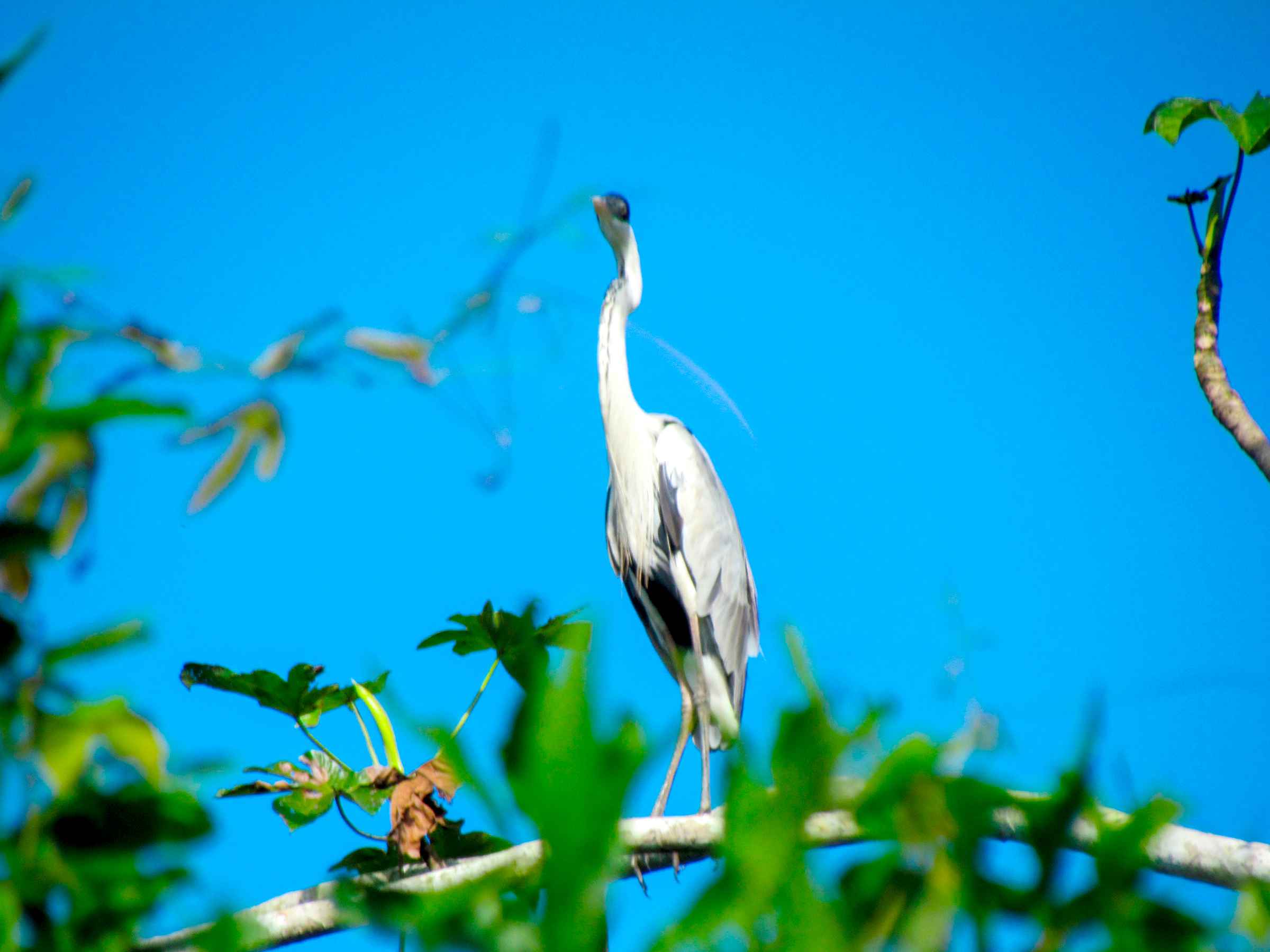
Both Lago Valencia and Lago Sandoval are superbly endowed with bird life. In addition to the hoatzin, you might spot kingfishers, cormorants, herons, egrets, pink flamingoes, skimmers, macaws, toucans, parrots, and hawks. Behind the wall of trees along the banks are deer, wild pigs, and tapir, all spotted occasionally.
If you’re lucky enough to catch a rare glimpse of a tapir—most likely at night—you’ll see one of South America’s strangest creatures. It is almost the size of a cow and has an elongated rubbery nose and spiky mane.
In the jungle, the tapir is known as a Sachavaca (“forest cow”; Sacha is Quechua for “forest,” and Vaca is Spanish for “cow”).
There are caimans and larger fish in the lake, but piranhas are the easiest fish to catch. All you need is some line, a hook, and a chunk of unsalted meat; throw this into the lake, and you’ve got yourself a piranha.

Less than two hours in an outboard-powered boat from Lago Valencia.
The Río Heath is located above Lago Valencia and straddles the Peruvian border. This national rainforest sanctuary passes through the remote Parque Nacional Bahuaja-Sonene, which abuts the Reserva Nacional Tambopata. A vast place, it’s also superb for wildlife watching and worth the effort of getting there. The only place to stay in the park is the Heath River Wildlife Center Lodge. In contrast, the only way to visit outside of a tour is to be accompanied by a guide from one of the Ese Eja communities, such as Palma Real, but you would still need to acquire a reserved permit at SERNANP in advance.

It is reached by motorized canoe from Puerto Maldonado or by road to Infierno, then by canoe.
Containing some of the world’s finest and most biodiverse rainforests and reachable via the Río Tambopata, one of the tributaries of the Río Madre de Dios, the Reserva Nacional Tambopata is one of the most easily accessible parts of the relatively pristine Amazon rainforest.
Transformed into a reserved zone in 2000, mainly due to the scientific work of the adjacent Explorer’s Inn lodge, the area covers around 2750 square kilometers. It is next to the Parque Nacional Bahuaja-Sonene. Expanding the national park is a significant success for conservation in Peru. Still, despite this, there are fears that the government plans to open the park to gas and oil exploitation.

Visiting the national park on a tour with a licensed operator or a guide from an indigenous community is possible. Tours organized from Cusco or Puerto Maldonado can enter en route to one of the significant macaws’ salt-licks (Collpa’s) in the region; Colpa de Guacamayos, one of the largest clay-licks in Peru, is particularly spectacular. The licks are the best places to see wildlife in the jungle since their salts, minerals, and clay are highly nutritious, attracting many birds and animals.
It’s technically possible to enter the buffer zone independently after paying the park entrance fee at Puerto Maldonado’s SERNANP office. Still, most visitors come in conjunction with a lodge or homestay.
This UNESCO World Heritage Site covers the Manu Basin, an area of almost 7,700 sq miles (20,000 sq km). It descends sharply from 1,120 feet (4,000 meters) above sea level, north of Cusco, via isolated cloud forests supporting some of the world’s most varied bird populations, to lowland rainforests supporting a multitude of jungle species and home to several Indian tribes.
The reserve has three zones. Over 80 percent of the reserve lies in the intangible zone, the abode of natives with almost no contact with the outside world; travelers are prohibited.
The reserved zone allows tourism and camping on beaches, provided authorized guides are present. The multiple-use zone is where one road from the highlands enters and where several villages and cloud forest lodges are located.
The wide-ranging elevations create ideal habitats for birds, and new species are often discovered here. Mixed feeding flocks of dozens of bird species are a highlight, and hikers on steep trails are rewarded with sightings of woolly monkeys and brown capuchins.

This is the relatively flat rainforest of the Río Manu. Canopy platforms and towers are available for visitors, and over a dozen monkey species roam the forests here. The river sometimes leaves behind oxbow lakes, known as cochas, in huge curves.
The Peru Amazon Rainforest is a destination like no other, offering a unique blend of natural wonders and cultural treasures. Whether you’re marveling at the diverse wildlife, engaging with indigenous communities, or embarking on an adventure, this region promises a journey of discovery. By traveling responsibly, you can ensure that the beauty and biodiversity of the Amazon are preserved for future generations.
Embark on your adventure today and experience the awe-inspiring majesty of the Peru Amazon Rainforest!
National reserves protect the flora and fauna and provide inaccessible areas where indigenous tribes live untouched by the 21st century.
The original rainforest inhabitants are separated into dozens of groups speaking distinct languages but united by an ability to thrive in this challenging environment.
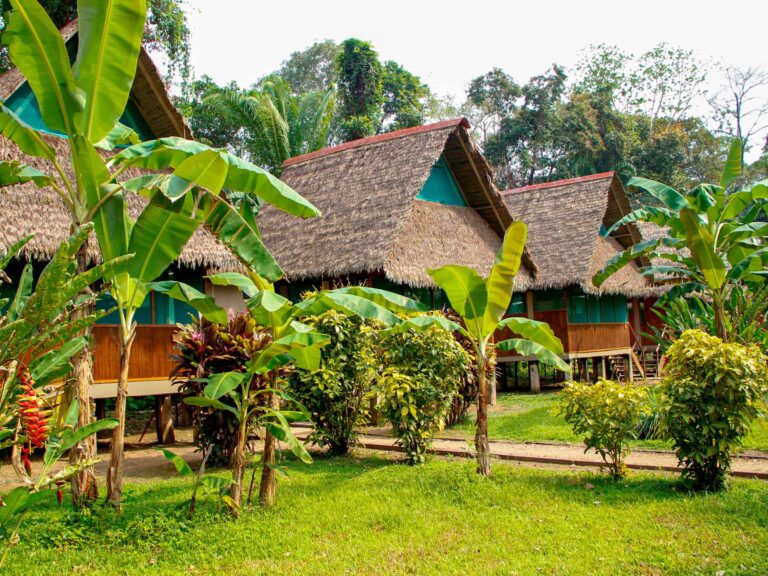
Using local materials, people still build thatched wooden houses along constantly shifting riverbanks, carve canoes, and hunt using blowpipes and poison-tipped darts.
Little is known about their history. During the peak of the Inca Empire, the eastern region of Antisuyo included the upper Amazon Basin, where the natives exchanged metal implements for fruits from the jungle and feathers from scarlet macaws. Following the conquest, the Spanish focused on the mountain and coastal areas. The Indians foiled a few ill-fated Amazonian expeditions.
The Spaniards’ most significant impact was the unintended introduction of diseases to which natives had no resistance. Millions died of smallpox, influenza, or other illnesses.
Colonial outposts were established in places such as Moyobamba in the 16th century, but the Amazon was not permanently occupied until a few missions were built in the 18th century. With the 1870s rubber boom, the population exploded.
Four decades later, the boom collapsed, and the once-opulent towns survived by logging, exploiting jungle crops, and exporting animals for zoos.
Oil was discovered in the 1960s, which led to yet another population explosion and the subsequent emergence of a small tourism sector. Slowly, cities such as Iquitos, Pucallpa, and Puerto Maldonado gained renewed importance, and mestizo ribereños (river dwellers) began to clear forests for agriculture.
Only 5% of Peruvians reside in the Amazon despite the region comprising more than half of the country. Visiting this wilderness, where few roads penetrate, can be thrilling.
Puerto Maldonado, a bustling town in southeastern Peru, is the gateway to the breathtaking wonders of the Amazon…
Exploring the Benefits of Ayahuasca Retreats Ayahuasca Retreats are gaining attention in the wellness world. These retreats offer…
Embarking on a tour of the Amazon rainforest in Puerto Maldonado is a thrilling adventure that promises unforgettable…
Nestled deep in the heart of the Amazon rainforest, Puerto Maldonado is a gateway to one of the…
Exploring the Wonders of Puerto Maldonado Tours Nestled in the heart of the Peruvian Amazon, Puerto Maldonado acts…