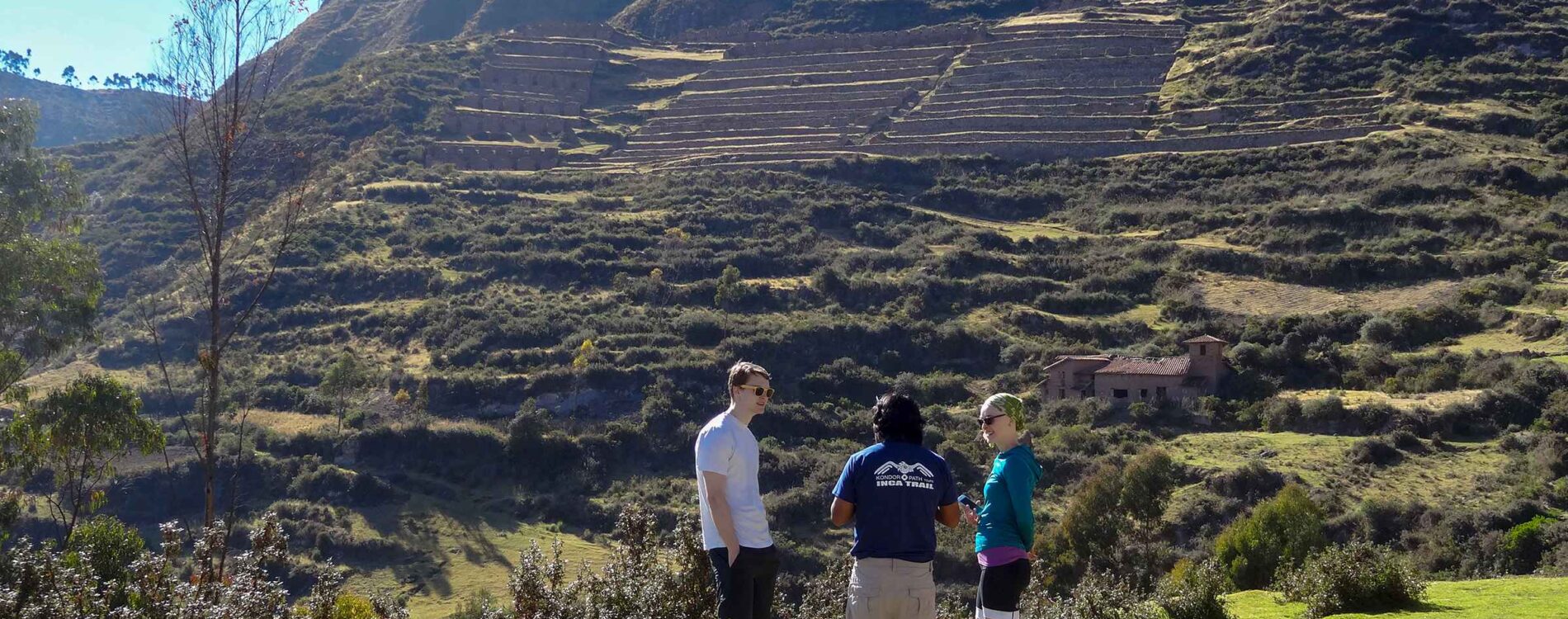
Packing for the Inca Trail requires careful consideration of the essentials. Each item you include should serve a purpose, ensuring comfort and safety throughout the trek. Here’s a breakdown of the must-haves:

Packing Guide for the Inca Trail Essential Items and Organization
The weather on the trail can vary significantly, so it’s important to dress in layers. Start with a moisture-wicking base layer, which helps keep sweat away from your skin. Add a warm fleece to provide insulation against the chill of high altitudes. Finish with a waterproof jacket to protect against sudden rain showers.
Choose lightweight, quick-dry materials that offer comfort and durability. Convertible pants that transform into shorts can be particularly useful for adjusting to changing temperatures. Look for pants with multiple pockets to store small items like maps or snacks.

Invest in a good pair of hiking boots with ankle support. Ensure they are waterproof to keep your feet dry in wet conditions. Break them in before your trip to avoid blisters and ensure maximum comfort during long hikes.
Nights can be cold, especially at higher altitudes, so pack warm accessories like a beanie and gloves. These small items can make a big difference in keeping you comfortable and preventing heat loss.
Opt for moisture-wicking socks to keep your feet dry and comfortable. Consider bringing several pairs to change into fresh socks as needed. This helps prevent blisters and other foot issues.

The sun can be intense at high altitudes, so protect your skin with a high SPF sunscreen. Don’t forget lip balm with SPF to prevent chapped lips, which can be uncomfortable and painful.
Mosquitoes and other insects can be a nuisance, especially in humid areas. Choose a repellent with DEET or other effective ingredients to keep bugs at bay and avoid bites.
Include basics like band-aids, antiseptic wipes, pain relievers, and any personal medications. A well-stocked first aid kit is essential for addressing minor injuries and ailments on the trail.
Access to clean water is crucial, and these tablets ensure you have a safe supply. They are lightweight and easy to use, making them a practical choice for treating water from streams or other natural sources.
Pack biodegradable soap, toothbrush, toothpaste, and a quick-dry towel. These items help maintain personal hygiene without adding unnecessary weight to your backpack.
The Inca Trail’s weather can change rapidly, and altitude sickness is a common concern. Proper preparation can mitigate these challenges and enhance your trekking experience.
A waterproof jacket and rain cover for your backpack are essential. Consider packing a poncho for extra protection against heavy rains, and ensure your gear stays dry.
A wide-brimmed hat and sunglasses will help shield you from UV rays. Wearing sun-protective clothing can further reduce your risk of sunburn and heat exhaustion.
Temperatures can drop significantly at night, so ensure you have enough warm clothing. Pack thermal layers and insulated jackets to stay comfortable when temperatures plummet.
Spend a few days in Cusco before starting the trail to help your body adjust. This time allows you to acclimate gradually, reducing the risk of altitude sickness.
Drink plenty of water to stay hydrated and reduce the risk of altitude sickness. Consider electrolyte supplements to replace lost minerals and maintain energy levels.
Take it slow and listen to your body; don’t rush through the trail. Frequent breaks and a steady pace can prevent overexertion and allow you to enjoy the journey.
Efficient packing is crucial for a comfortable trek. Organizing your backpack effectively ensures that you have easy access to essentials and maintain balance throughout your hike.
A 50-70 liter backpack should suffice for the Inca Trail. This size offers enough space for your gear without being overly cumbersome or heavy.
Use the different compartments to separate items for easy access. Keep frequently used items like water bottles, snacks, and a first-aid kit within reach to avoid unnecessary unpacking.
Place heavy items like water bottles and food in the center, close to your back, to maintain balance. This distribution helps prevent strain and discomfort during long hikes.
These help organize your clothing and gear, making it easier to find what you need. Packing cubes also compress items, saving space and keeping your backpack tidy.
Rolling clothes saves space and minimizes wrinkles. This method allows for efficient use of space and keeps items compact and organized.
Keep electronics and important documents in waterproof bags. Protecting these items from moisture is crucial for preserving their functionality and integrity.
 by Ryu Orn (https://unsplash.com/@915orn)
Avoid overpacking by leaving non-essential items at home. Streamlining your gear can make your trek more enjoyable and less burdensome.
Consider a lightweight e-reader instead. This option provides access to multiple books without the added weight of paperbacks.
Leave valuable items at home to avoid loss or theft. Simplifying your accessories reduces risk and keeps your focus on the adventure.
Stick to versatile, multi-use clothing items. Prioritize items that can be layered or worn in multiple ways to save space and weight.
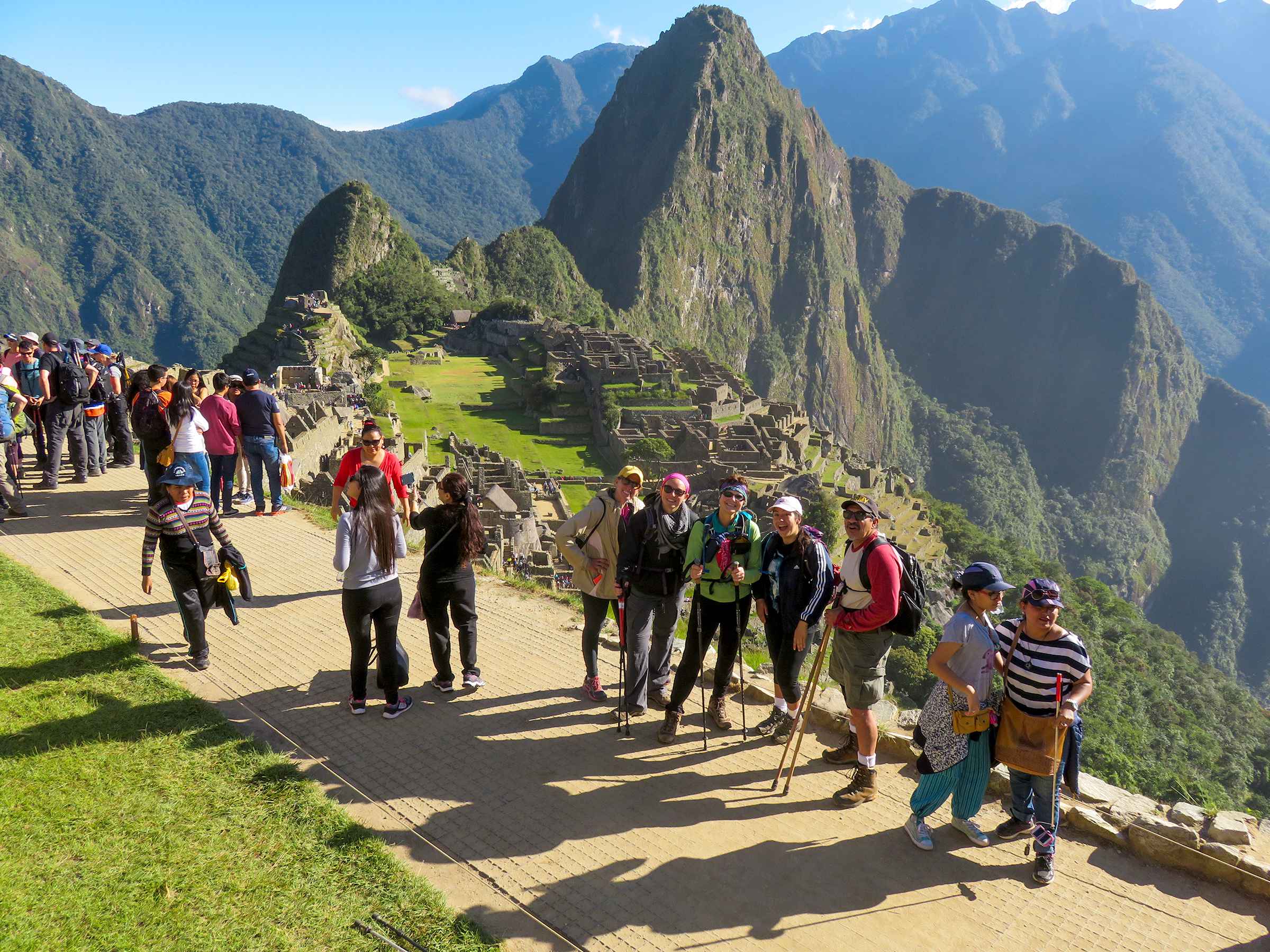
Preparation and mindset play crucial roles in enjoying the Inca Trail. Implementing these strategies can enhance your adventure and ensure a memorable experience.
Build up your stamina with regular hikes and exercise before your trip. Strengthening your legs and improving cardiovascular fitness prepares you for the physical demands of the trail.
If possible, hire a porter to carry some of your gear, allowing you to enjoy the trek without the extra weight. This service supports local communities and provides a more comfortable hiking experience.
The trail can be challenging, but a positive mindset will help you overcome any hurdles. Embrace the journey and focus on the rewarding aspects of the adventure.
In conclusion, packing for the Inca Trail requires thoughtful planning and organization. By bringing essential items, considering weather and altitude, and keeping your backpack well-organized, you’ll be set for a memorable and enjoyable adventure. Safe travels!

Trekking poles are essential when trekking the Inca Trail to Machu Picchu, as they provide stability and balance when descending the steep steps on the Inca trail to Machu Picchu.


Capturing the Short Inca Trail Photos: Tips & Iconic Locations Embarking on the Short Inca Trail is a…

Machu Picchu, the iconic Lost City of the Incas, has captivated the imagination of travelers and historians alike…
How to hike the Inca Trail 4 days to Machu Picchu Embarking on the Inca Trail hike is…
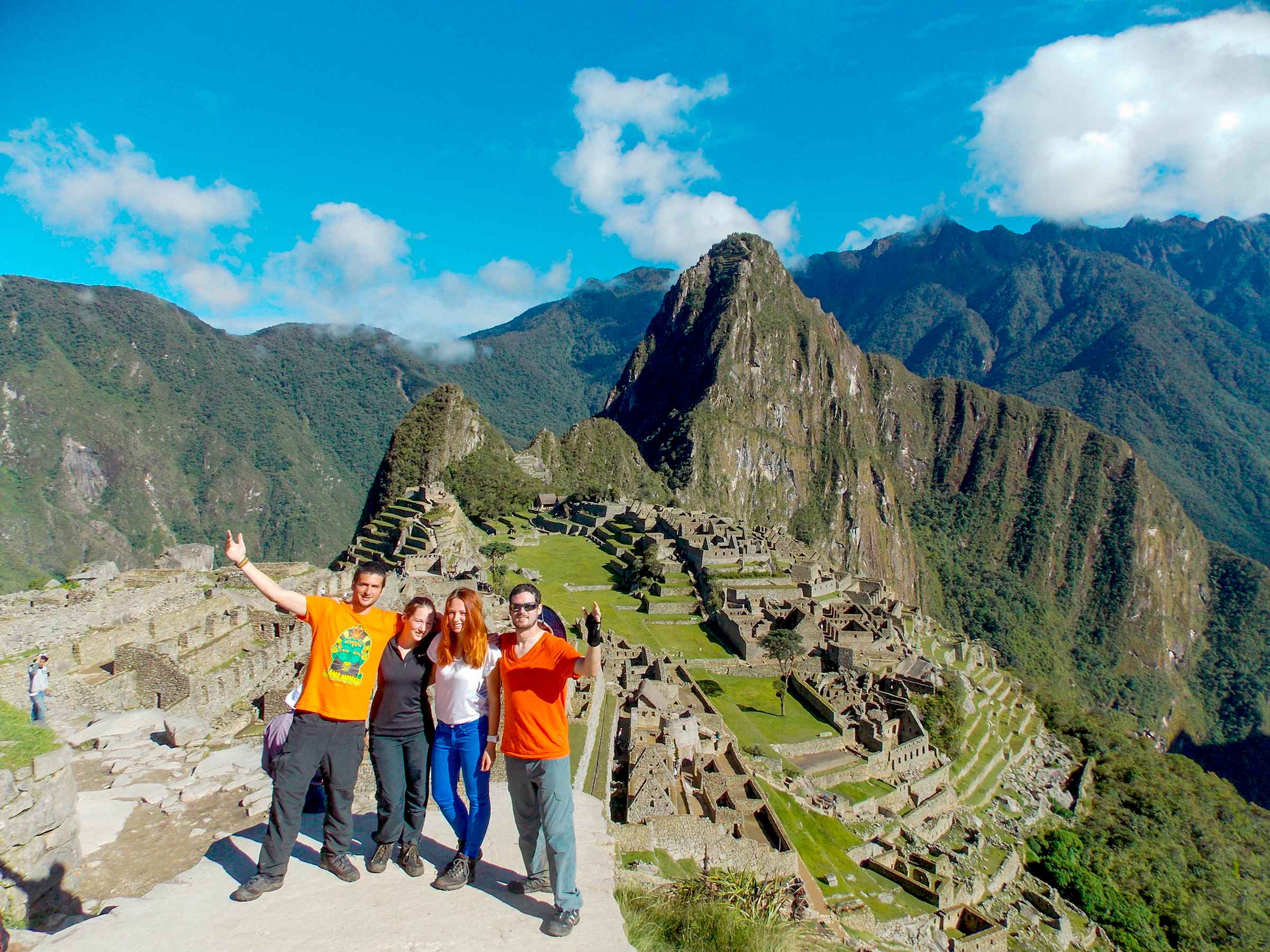
Many dream of embarking on the Inca Trail to Machu Picchu. This ancient trail, set in the stunning Andes…

How to Get to Machu Picchu Peru Machu Picchu is a dream destination for many travelers. Nestled in…

The Inca Jungle Trek offers an extraordinary journey that combines the thrill of adventure with the awe of…

The 4 Day Inca Trail Experience Embarking on the 4 Day Inca Trail is more than just a…
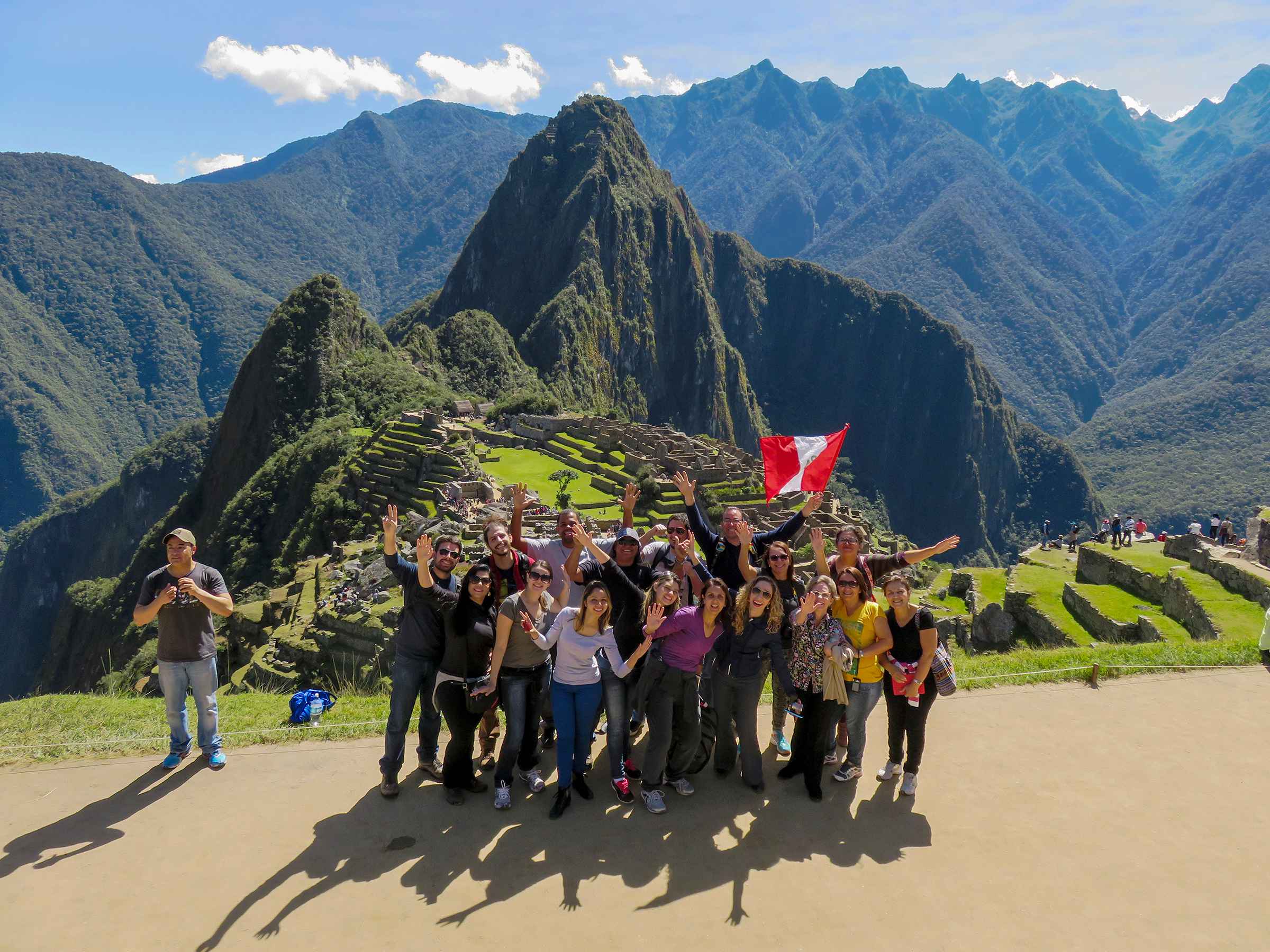
Understanding the Inca Trail Elevation Challenges The Inca Trail is one of the most famous trekking routes in…

Culinary Delights Along the Inca Trail Embarking on the Inca Trail is a journey through history and breathtaking…

Short Inca Trail vs Classic Inca Trail Choosing between the Short Inca Trail and the Classic Inca Trail…

Short Inca Trail Highlights The Short Inca Trail is a captivating journey through history and nature. This two-day…

Planning Your Inca Jungle Trek The Inca Jungle Trek is not your typical trek to Machu Picchu. Unlike…