
Unlock the Wonders: Your Ultimate Guide to Accessible Machu Picchu Tours
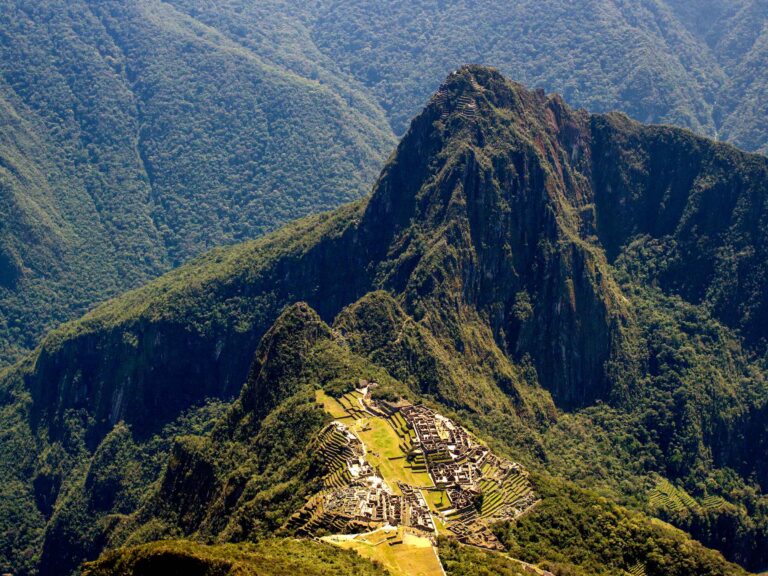
Embarking on a journey to Machu Picchu is a dream for many, and now, thanks to accessible tours, this breathtaking wonder can be experienced by everyone. Picture yourself standing amidst the ancient ruins, enveloped in rich history and stunning landscapes, knowing that these sights are within your reach. In “Unlock the Wonders: Your Ultimate Guide to Accessible Machu Picchu Tours,” we explore the numerous options available, ranging from tailored itineraries to transportation solutions tailored for all travelers. Whether you have mobility challenges or seek a more inclusive experience, this guide will help you navigate the essential details and tips to make your visit unforgettable. Join us as we explore the heart of the Inca Empire, ensuring that the magic of Machu Picchu is accessible to all who wish to partake in its splendor. Your adventure awaits!
Why Choose Accessible Tours?
Traveling is an enriching experience that everyone deserves to enjoy, regardless of physical abilities or limitations. Accessible tours to Machu Picchu open the doors to one of the world’s most extraordinary archaeological sites, allowing travelers with mobility challenges to immerse themselves in the rich history and breathtaking beauty of the Inca Empire. These tours are thoughtfully designed to accommodate various needs, ensuring that everyone can share in the wonder and magic of this iconic destination.
Accessible tours offer more than just convenience; they provide peace of mind. Knowing that every detail has been considered, from transportation to accommodations, allows travelers to focus on the experience rather than potential obstacles. These tours often feature guides who are trained to assist individuals with disabilities, providing an extra layer of support and expertise throughout the journey. This specialized attention ensures that all travelers can navigate the sometimes challenging terrain with confidence and ease.
Moreover, choosing an accessible tour emphasizes the importance of inclusivity and equality in travel. By participating in these tours, travelers support efforts to make global landmarks accessible to everyone, regardless of physical ability. This not only enhances the travel experience for individuals but also contributes to a broader movement towards accessible tourism, encouraging other destinations to follow suit and prioritize accessibility in their offerings.
Understanding the Terrain: Accessibility Challenges
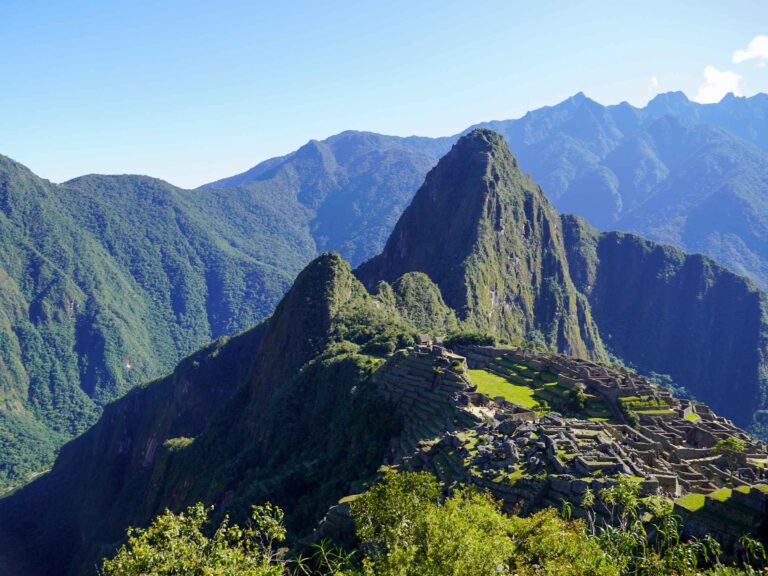
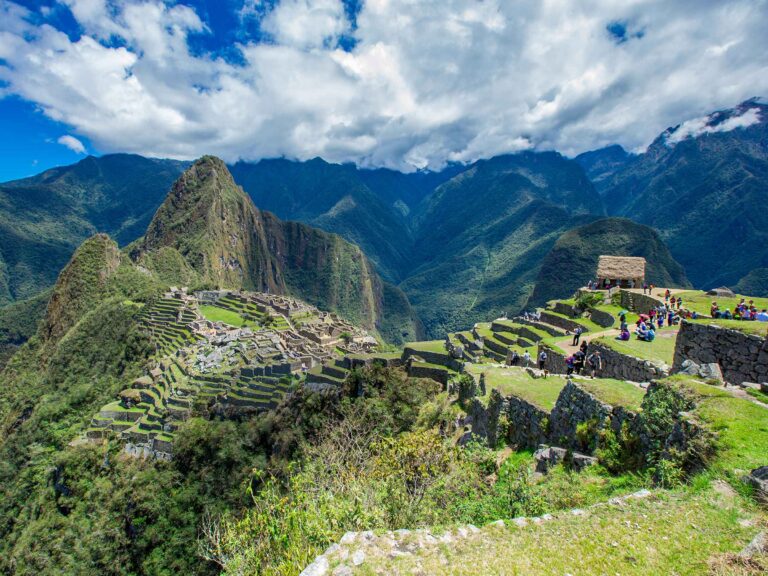
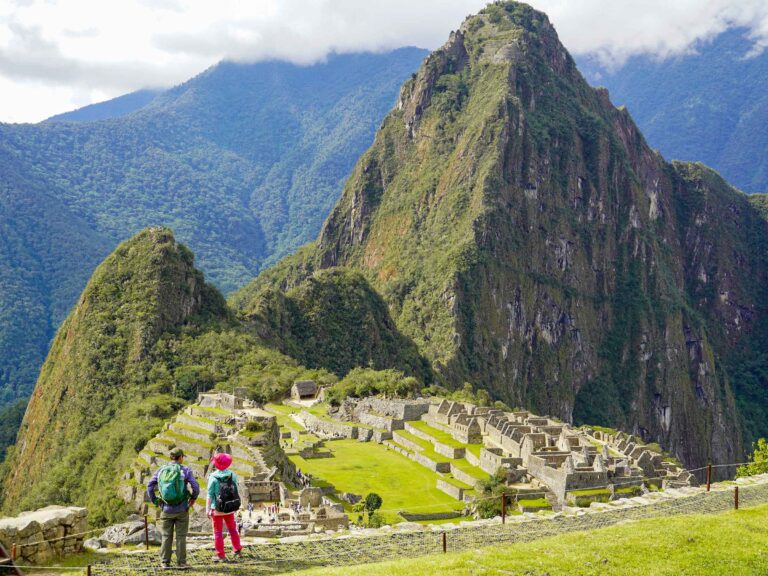
Machu Picchu, situated high in the Andes Mountains, presents a unique set of challenges in terms of accessibility. The ancient citadel was built without considering modern accessibility for wheelchair users or those with limited mobility, making navigation through its steep, uneven paths and stone steps particularly daunting. However, recent efforts have been made to mitigate these challenges and improve accessibility for all visitors.
One of the primary obstacles is the site’s rugged terrain. Machu Picchu’s pathways are often narrow and uneven, with significant elevation changes that can be difficult to manage. This is particularly true in areas like the Temple of the Sun and the Intihuatana Stone, where steep steps and rocky surfaces are prevalent. To address this, accessible tours often include specially designed routes that avoid the most difficult sections while still allowing visitors to experience the site’s key highlights.
Weather conditions can also impact accessibility. The region’s rainy season, which typically spans from November to March, can make paths slippery and hazardous. Conversely, the dry season, although more stable, can still present challenges due to its high altitude and intense sunlight. Accessible tours take these factors into account, providing necessary equipment such as walking sticks, non-slip footwear, and even portable ramps to ensure safe passage through the site.
Types of Accessible Tours Available
Accessible tours to Machu Picchu come in various forms, each tailored to meet the diverse needs of travelers. These range from fully guided group tours to private, bespoke experiences, ensuring that everyone can find an option that suits their preferences and requirements.
Group tours are a popular choice for those who enjoy the camaraderie of traveling with others. These tours typically include a set itinerary, transportation, and accommodations, all of which are designed with accessibility in mind. Group tours often provide the added benefit of shared experiences, creating opportunities for social interaction and mutual support among travelers.
Private tours provide a more personalized experience, offering greater flexibility and customization. These tours can be tailored to the specific needs and interests of the traveler, with itineraries that can be adjusted on the fly to accommodate individual preferences. Private tours may also include additional amenities, such as specialized equipment or personal assistants, to further enhance the travel experience.
For those seeking an even deeper level of customization, bespoke tours are the ultimate choice. These tours are meticulously designed to meet the unique needs of the traveler, with every detail carefully planned and executed. Bespoke tours can include specialized guides, tailored transportation solutions, and exclusive access to some regions of Machu Picchu, providing an unparalleled level of service and attention to detail.
Planning Your Trip: Best Times to Visit
Choosing the right time to visit Machu Picchu is crucial for ensuring a smooth and enjoyable experience. The site’s high altitude and mountainous terrain create distinct weather patterns, which can significantly impact accessibility. Understanding these patterns and planning accordingly can help travelers maximize their visit.
The best time to visit Machu Picchu is during the dry season, which runs from April to October. During these months, the weather is generally more stable, with less rain and clearer skies. This makes the paths and walkways easier to navigate, reducing the risk of slips and falls. Additionally, the dry season offers better visibility, allowing travelers to fully appreciate the stunning landscapes and architectural marvels of the site.
While the dry season is ideal for accessibility, it’s also the most popular time to visit, leading to larger crowds and higher prices. To avoid the peak tourist season, consider traveling in the shoulder months of April and October. These months offer a balance between favorable weather conditions and fewer visitors, providing a more comfortable and relaxed experience.
It’s also important to consider the time of day when planning your visit. Early mornings and late afternoons tend to be less crowded, allowing for a more peaceful exploration of the site. Additionally, the lighting during these times can create breathtaking views and photo opportunities, enhancing the overall experience.
Essential Tips for a Smooth Experience
Preparing for an accessible tour to Machu Picchu requires careful planning and consideration. From packing the right gear to understanding the site’s unique challenges, a few essential tips can help ensure a smooth and enjoyable experience.
First and foremost, it’s important to pack appropriately. Comfortable, sturdy footwear with good traction is essential for navigating the site’s uneven paths and steps. Lightweight, breathable clothing is recommended, as the weather can vary significantly throughout the day. Additionally, travelers should bring a hat, sunglasses, and sunscreen to protect against the intense sun, as well as a rain jacket or poncho in case of unexpected showers.
Hydration is crucial, especially in high-altitude environments. Travelers should carry plenty of water and drink regularly to avoid dehydration. It’s also a good idea to bring snacks, as exploring Machu Picchu can be physically demanding. Energy bars, nuts, and dried fruit are convenient options that provide a quick and easy source of sustenance.
For those with mobility challenges, it’s essential to communicate your needs with your tour provider in advance. This ensures that any necessary accommodations, such as wheelchairs, walking sticks, or portable ramps, can be arranged in advance. Additionally, it’s helpful to inform your tour guide of any specific requirements or preferences, so they can tailor the experience to meet your needs.
Transportation Options for Accessible Travel
Reaching Machu Picchu requires multiple modes of transportation, each with its own accessibility considerations. Understanding these options and planning accordingly can help ensure a seamless journey from start to finish.
The journey typically begins with a flight to Cusco, the gateway to Machu Picchu. Many airlines offer assistance for travelers with disabilities, including priority boarding, special seating arrangements, and help with luggage. It’s essential to notify the airline of any specific needs when booking your flight to ensure that suitable accommodations can be made.
From Cusco, travelers can take a train to Aguas Calientes, the town at the base of Machu Picchu. PeruRail and IncaRail both offer services designed to accommodate travelers with disabilities. These trains are equipped with ramps, spacious seating, and accessible restrooms, making the journey comfortable and convenient. It’s advisable to book tickets in advance and inform the train company of any specific requirements, to ensure that the necessary arrangements can be made.
Once in Aguas Calientes, a shuttle bus provides the final leg of the journey to Machu Picchu. These buses are equipped with hydraulic lifts and designated seating for wheelchair users, ensuring that everyone can reach the site safely and comfortably. Again, it’s essential to communicate any specific needs to the bus company in advance, to ensure that appropriate accommodations can be provided.
Accommodations: Where to Stay in Cusco and Aguas Calientes
Choosing the right accommodations is a key component of any accessible tour. Both Cusco and Aguas Calientes offer a range of options designed to meet the needs of travelers with disabilities, ensuring a comfortable and convenient stay.
In Cusco, several hotels cater specifically to travelers with mobility challenges. These hotels offer accessible rooms with features such as roll-in showers, grab bars, and lowered sinks to accommodate individuals with disabilities. Additionally, many of these hotels provide services such as airport transfers, guided tours, and on-site dining, making it easy to relax and enjoy your stay. Some recommended options include the JW Marriott El Convento Cusco, the Palacio del Inka, and the Novotel Cusco, all of which are known for their excellent accessibility and top-notch service.
Aguas Calientes, while smaller, also offers several accessible accommodations. The Sumaq Machu Picchu Hotel is a popular choice, with spacious, well-appointed rooms and a range of amenities designed to accommodate travelers with disabilities. Another excellent option is the Inkaterra Machu Picchu Pueblo Hotel, which offers accessible paths and facilities within its lush, garden-filled grounds. Both hotels offer convenient access to shuttle buses that transport visitors to Machu Picchu, making them ideal bases for exploring the site.
When booking accommodations, it’s essential to communicate any specific needs or preferences directly with the hotel. This ensures that the necessary arrangements can be made and that your stay will be as comfortable and convenient as possible.
What to Expect on Your Tour: Itinerary Highlights
An accessible tour of Machu Picchu offers a carefully curated itinerary that highlights the site’s most significant and awe-inspiring features. While the specific itinerary may vary depending on the tour provider and the individual needs of the travelers, several key highlights are typically included.
The tour typically begins with an exploration of the main entrance and its surrounding areas, offering an overview of the site’s layout and history. From there, travelers can expect to visit the Temple of the Sun, one of the most iconic structures in Machu Picchu. This remarkable building, with its intricate stonework and astronomical alignments, offers a glimpse into the advanced engineering and architectural skills of the Inca civilization.
Next, the tour often includes a visit to the Intihuatana Stone, a ceremonial sundial believed to have been used for astronomical observations. This sacred site is considered one of the most spiritually significant areas of Machu Picchu, and offers stunning views of the surrounding mountains and valleys.
Another highlight is the Terrace of the Ceremonial Rock, where travelers can observe the agricultural terraces that were used to grow crops for the site’s inhabitants. These terraces are a testament to the ingenuity and resourcefulness of the Inca and provide a fascinating insight into their agricultural practices.
Throughout the tour, knowledgeable guides provide detailed explanations and insights, bringing the history and significance of Machu Picchu to life. They are also on hand to assist with any accessibility needs, ensuring that all travelers can fully enjoy and appreciate the experience.
Conclusion: Embrace the Journey to Machu Picchu
Embarking on an accessible tour of Machu Picchu is more than just a travel experience; it’s an opportunity to connect with one of the world’s most extraordinary cultural and historical sites. With careful planning, thoughtful accommodations, and specialized support, travelers with disabilities can fully immerse themselves in the wonder and magic of the Inca Empire.
From the moment you set foot in Cusco to your final exploration of the ancient citadel, every aspect of the journey is designed to ensure comfort, convenience, and inclusivity. Whether you’re navigating the site’s rugged terrain, marveling at its architectural masterpieces, or simply soaking in the breathtaking views, an accessible tour allows you to experience Machu Picchu in all its glory.
So, if you’ve ever dreamed of standing among the ancient ruins, surrounded by the majesty of the Andes Mountains, now is the time to make that dream a reality. With the right preparations and a spirit of adventure, you can unlock the wonders of Machu Picchu and create memories that will last a lifetime. Your journey awaits – embrace it with open arms and an open heart.