

Inca Trail Tour Booking: How to Reserve Your Trek Successfully
Setting out on the Inca Trail is a dream for many adventurers. The trail, steeped in history and surrounded by breathtaking landscapes, leads to the ancient city of Machu Picchu. If you’re planning to embark on this incredible journey, understanding the ins and outs of booking an Inca Trail tour is essential. In this guide, we’ll walk you through everything you need to know to secure your spot on this iconic trek.
Many travelers worldwide are already making their itineraries and reservations for their next destination, the Inca Trail Peru with Machu Picchu, “the lost city of the Incas.” The adventure awaits, but the Inca Trail permits do not, so we recommend reserving your spaces well in advance and securing your permits. Booking a tour for the Inca Trail is the most efficient way to experience this world-famous trek. Here’s why:

Permit Requirements
The Inca Trail is a protected area, and only a limited number of permits are issued each day. Booking through an authorized tour operator ensures you secure one of these coveted permits, as they are typically included in your tour package. This is crucial because permits can sell out months in advance, especially during peak season.
Understanding the permit requirements also helps you prepare adequately for the trek. Permits are issued on a first-come, first-served basis, and once they’re gone, they cannot be transferred or sold. This strict regulation ensures the preservation of the trail and provides a more intimate experience with fewer trekkers on the path.
Moreover, the permit system helps manage the environmental impact on the trail. By controlling the number of hikers, authorities aim to preserve the fragile ecosystem and ancient sites. It’s vital to respect these regulations to maintain the trail’s beauty and cultural significance for future generations.
Guided Expertise
Trekking the Inca Trail with an experienced guide enhances your journey. Guides provide insights into the rich history, culture, and natural wonders of the area. They also ensure your safety and help navigate the challenging terrain. With a guide, you’ll have the opportunity to learn about the significance of each site you visit along the way.
Guides are not just navigators; they are storytellers who bring the ancient Inca civilization to life. Their knowledge of the area can transform the trek into an educational journey, offering perspectives that you might miss if traveling alone. This added layer of understanding enriches your experience, making the trek more than just a physical challenge.
In addition to historical insights, guides offer practical advice on acclimatization and altitude sickness, which can be critical at high altitudes. Their expertise ensures that you are well-prepared for the physical demands of the trek, minimizing health risks and enhancing your overall experience.
Logistics and Support
- Tour operators handle all logistics, including transportation, meals, and camping equipment. This allows you to focus on enjoying the trek without worrying about the details. Additionally, you’ll have the support of porters who help carry gear, making the trek more manageable.
- Logistical support extends beyond just carrying gear; it includes planning meals that cater to different dietary needs and preferences. Having nutritious meals prepared for you ensures that you maintain energy levels throughout the trek. This focus on nutritional needs can be invaluable for those with specific restrictions or preferences.
- Moreover, the convenience of having transportation arranged for you cannot be overstated. Starting and ending your trek seamlessly, without worrying about transfers, allows you to immerse yourself fully in the experience. This logistical ease is a significant benefit of booking through a reputable tour operator.
How to Choose the Right Inca Trail Tour Operator
Selecting the right tour operator is crucial for a successful Inca Trail experience. Here’s what to consider:
Reputation and Reviews
Research tour operators by reading reviews and testimonials from previous trekkers. Websites like TripAdvisor and travel forums offer valuable insights into others’ experiences. Look for operators with consistently high ratings and positive feedback.
Delve deeper into reviews to understand the specifics of each operator’s service. Pay attention to comments about the guides’ knowledge, the quality of food, and the condition of the camping equipment. These details often distinguish exceptional operators from average ones.
Additionally, engage with travel communities or social media groups to ask for recommendations. Firsthand accounts from fellow travelers can offer honest, detailed insights that are sometimes missing from generic reviews. This community-driven advice can be invaluable in making an informed choice.
Inclusions and Exclusions
Review what’s included in the tour package. Standard inclusions often cover permits, guides, meals, transportation, and camping gear. Be aware of exclusions, such as personal expenses, tips, and certain meals. Understanding what’s included helps prevent unexpected costs.
Scrutinize the details of meal provisions, as some operators may offer only basic meals, while others may offer more elaborate dining options. Knowing this can help you prepare or adjust your expectations accordingly. Additionally, check if any optional activities or excursions might incur extra costs.
Understanding exclusions is just as important. Consider potential hidden costs, such as entrance fees to other attractions or charges for additional services. Clarifying these aspects beforehand prevents budget surprises and ensures a smoother travel experience.
Group Size
Consider the size of the tour group. Smaller groups often offer a more personalized experience, enabling better interactions with guides and fellow trekkers. Larger groups may offer a more social atmosphere, but can feel less intimate.
Smaller groups often lead to a quieter, more serene trekking experience. This setup allows for more one-on-one time with guides, enabling you to ask questions and engage more deeply with the information provided. It also facilitates forming closer bonds with fellow trekkers, enhancing the social aspect of the journey.
On the other hand, larger groups can have a vibrant, energetic dynamic, often leading to lively interactions and a more communal feel. However, be mindful that larger groups may slow progress on the trail, as the pace typically accommodates all fitness levels. Consider your personal preferences for social interaction and pace when choosing group size.
Environmental Responsibility
Choose operators that prioritize sustainability and environmental responsibility. Look for certifications or affiliations with organizations promoting eco-friendly practices. Responsible operators minimize their ecological impact and help preserve the trail.
Investigate the operator’s environmental policies and efforts to minimize waste and conserve resources. Practices such as using reusable water bottles, minimizing plastic use, and ensuring all waste is carried out reflect a commitment to sustainability. These efforts play a crucial role in protecting the natural beauty of the Inca Trail.
Consider supporting operators who actively engage in community-based initiatives, such as employing local guides and porters or investing in regional infrastructure projects. These initiatives not only enhance your travel experience but also benefit the communities you visit. Supporting such operators ensures that your travel choices have a meaningful impact.
When to Book Your Inca Trail Tour
Timing is crucial when booking your Inca Trail tour. Here’s what you need to know:
Peak Season vs. Off-Peak Season
The peak trekking season runs from May to September, when the weather is dry and conditions are ideal. However, this is also when permits are in highest demand. If you plan to trek during peak season, it’s advisable to book your tour 6 to 12 months in advance.
During peak season, the trail is bustling with trekkers from around the world, creating a lively atmosphere. The dry weather offers clear skies and stunning views, enhancing the visual experience. However, the popularity during this time means that accommodations and services can be more expensive and crowded.
Off-peak months, like March and November, offer fewer crowds and easier permit availability, but weather conditions can be less predictable. Trekking during these months allows for a more solitary experience, perfect for those seeking tranquility. Yet the possibility of rain and mud requires greater preparedness and flexibility.
Important Dates and Deadlines
Permits for the Inca Trail go on sale in October for the following year. Popular dates, especially around holidays, sell out quickly. Mark your calendar for this important date to secure your preferred trek dates.
Being aware of the permit release schedule helps you plan your trip well in advance. Prioritize booking as soon as permits are available, particularly if you have specific dates in mind. This foresight ensures you won’t miss out on preferred trekking times.
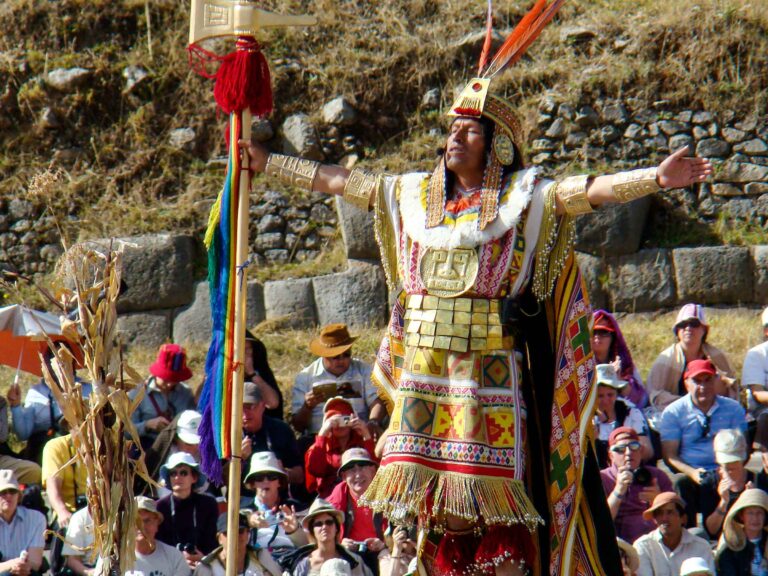
Keep in mind that dates like New Year’s and the Inti Raymi festival in June are particularly popular, so prioritize these if they align with your travel plans. By securing permits early, you can avoid disappointment and lock in your desired itinerary.
Flexible Booking Options
Consider operators that offer flexible booking options, such as adjustable dates or cancellation policies. Unexpected events can necessitate changes to your travel plans, and having the flexibility to adapt can be invaluable. This flexibility gives you peace of mind, knowing your plans can accommodate unforeseen circumstances.
Review the terms and conditions of your booking agreement to understand any associated fees or penalties for changes. Transparent policies regarding cancellations or date changes can significantly reduce stress and financial risk. Opting for such flexibility allows you to plan your trip with greater confidence and security.
Tips for a Successful Inca Trail Booking
Be Prepared with Necessary Information
When booking your tour, have the following information ready: full name, passport number, and preferred trek dates. Accurate information is essential for securing permits.
Ensure your passport is valid for at least 6 months beyond your planned travel dates, as this is often required for international travel. Double-check all personal details before submitting them to avoid errors that could delay or jeopardize your permit application.
Additionally, consider the implications of any changes to your personal information, such as a name change after marriage, which may affect your booking. Keeping all documentation up to date and accurate helps streamline the booking process and prevent potential issues.
Be Flexible with Dates
If your preferred dates are unavailable, consider alternative dates or trails. The Salkantay Trek and Lares Trek are excellent alternatives that offer similar experiences without the permit restrictions.
Exploring alternative treks can reveal unique perspectives and experiences that the main Inca Trail might not offer. Each trail has its own charm, with diverse landscapes and cultural encounters. These alternatives provide an opportunity to explore lesser-known paths with fewer crowds, offering a more exclusive experience.
Being flexible with your travel dates can also lead to discovering hidden gems along the way. Opting for a less conventional trek might unveil new cultural insights and breathtaking vistas, enriching your overall travel experience. Embrace the possibility of change, and you might find an unexpected adventure.
Stay Informed About Regulations
Regulations and permit availability can change, so stay informed by checking official websites or consulting with your tour operator. Being aware of the latest information helps you plan effectively.
Regularly reviewing updates from official tourism sites and government resources ensures you stay aware of any changes that could impact your travel plans. This vigilance can prevent last-minute surprises and allow you to adjust your itinerary proactively.
Communication with your tour operator is also crucial. They can provide real-time updates and guidance based on the latest regulations, helping you make informed decisions. Staying informed empowers you to navigate the booking process smoothly and efficiently.
How to book the Inca Trail?
The reserve for Inca Trail spaces is managed by a travel agency authorized as Kondor Path Tours. The Peruvian government guarantees passenger safety by requiring that each passenger be part of a group led by a guide and support staff, so it is impossible to purchase an entrance to the Inca Trail on your own.
Why do it before October?
In the first days, the authorized agencies will buy the spaces reserved by passengers worldwide, so the remaining spaces for the first months (March, April, May, June, and July) will likely run out very quickly, as happened last year.
We recommend booking the Inca Trail tour five months in advance for any month of the season. This destination is subject to availability, so it is best to ensure the spaces for you and your group, and thus ensure those deserved vacations to Machu Picchu, Peru.
Conclusion
Booking an Inca Trail tour is the first step toward an unforgettable adventure. By understanding the permit process, choosing the right tour operator, and planning your timing, you’ll be well-prepared to embark on this iconic trek. Remember, the journey to Machu Picchu is as much about the path as it is about the destination. Happy trekking!

Classic Inca Trail 4 Days




Discussion 1
Inca Trail Hike 3 Days | Inca trail hiking tours | Peru Trek
December 20, 2021 at 1:29 am[…] can use our booking form with all the necessary information. We will confirm the availability and make the reservation with […]