Machu Picchu is a dream destination for many travelers. Nestled in the Andes Mountains, it offers breathtaking views and rich history. Planning a trip to this iconic site can be overwhelming.
This transport guide explains the main routes and practical travel options for reaching Machu Picchu from Cusco. From booking tickets to choosing the best travel routes, we’ve got you covered.

How to Get to Machu Picchu Peru
Machu Picchu is hidden within the Andes Mountains of Peru. It’s situated near the small town of Aguas Calientes.
The ancient site lies approximately 80 kilometers from Cusco, the nearest major city. Cusco serves as the main gateway for travelers.
Positioned at 2,430 meters above sea level, Machu Picchu offers stunning panoramic views. The site itself is enveloped in lush, verdant terrain.
This location contributes to Machu Picchu’s allure and mystique, making it a must-visit destination. Visitors can appreciate both its natural beauty and cultural significance.
Choosing the right time to visit Machu Picchu is key. The site is open all year, but the weather varies by season.
The dry season, from May to September, is the most popular period. These months offer sunny days and fewer rain disruptions.
During the wet season, from October to April, rain and fog are common. However, crowds are thinner, and the scenery is lush.
July and August see the highest tourist numbers. If you prefer fewer crowds, consider visiting during the shoulder months, such as May or September.
Regardless of when you visit, the weather at Machu Picchu can change quickly. Always be prepared with appropriate clothing. Proper planning ensures you can enjoy this remarkable site.
Before visiting Machu Picchu, securing entry tickets and permits is crucial. You must purchase your tickets in advance due to limited daily entries.
There are several types of tickets available. These include entry to only Machu Picchu or combined tickets with Huayna Picchu or Machu Picchu Mountain.
Booking as early as possible is advised, especially during peak tourist season. Tickets for popular spots can sell out months in advance.
Tickets are available online through official websites. Alternatively, purchase them from authorized ticket offices in Cusco and Aguas Calientes.
Remember, you need a valid passport to book tickets. Carrying it during your visit is mandatory.
Planning ahead ensures a smooth and stress-free experience at this UNESCO World Heritage Site.
Traveling to Peru requires some preparation. First, check the visa requirements for your nationality. Most nationalities get a visa on arrival.
Book your flights to Jorge Chávez International Airport in Lima. It is Peru’s main international gateway.
Plan your travel itinerary to include extra days in case of unexpected delays or weather issues. Consider travel insurance for peace of mind.
Finally, familiarize yourself with Peru’s customs regulations. It’s helpful to know what items you can bring or take out of the country.
Cusco, the nearest major city to Machu Picchu, is a must-visit. From Lima, you can take a domestic flight to Alejandro Velasco Astete International Airport in Cusco. Flights are frequent and take about an hour.
Bus travel is another option, though it’s a long journey. Buses from Lima to Cusco take 20-24 hours, but offer a chance to see more of Peru.
Once in Cusco, take time to acclimatize. The city sits at a high altitude, around 3,400 meters above sea level.
Cusco’s altitude may surprise you. At over 3,000 meters, it can affect first-time visitors. Symptoms of altitude sickness include headaches and dizziness. Taking it easy upon arrival helps your body adjust.
Consider spending your first day in Cusco leisurely. Drink plenty of water and avoid heavy meals. Rest often and walk slowly to adapt naturally. Coca tea, a local remedy, might help alleviate symptoms.
Getting acclimated will enhance your experience. By the time you reach Machu Picchu, the altitude there will seem manageable. It’s lower than Cusco, sitting at 2,430 meters.
Reaching Aguas Calientes from Cusco involves a few exciting choices. Each offers a unique experience. You can select a train ride, a classic trek, or an alternative trek.
Your decision might depend on time and fitness level. Both the train and treks offer breathtaking Andes vistas. For comfort seekers, the train is a top choice. Adventure enthusiasts may prefer trekking.
Plan ahead, as trekking permits are limited. Consider booking months in advance to secure a spot. Aguas Calientes is accessible year-round, providing flexible travel.
Regardless of your choice, each route unveils Peru’s mesmerizing landscapes. Enjoy the cultural tapestry and natural beauty en route to Machu Picchu.
Taking the train from Cusco to Aguas Calientes is both comfortable and scenic. Rail journeys offer stunning countryside views, winding through valleys and near majestic mountains. The two primary train services are PeruRail and IncaRail, both departing from Poroy or Ollantaytambo.
Travelers can select from a range of service levels, from budget-friendly to luxurious. The journey usually takes around three to four hours. It’s the simplest and most common way for visitors to reach Machu Picchu, especially those short on time.
Tickets sell fast, especially in peak season, so book early. This ensures preferred schedules and seating.
For the adventurous, trekking to Machu Picchu is rewarding. The Inca Trail is the most well-known trek. It offers a blend of natural beauty and historical sites. The trail spans four days, covering diverse terrains and altitudes.
Permits for the Inca Trail are limited and highly sought after. Booking months ahead is crucial. This trek takes you through ancient ruins and lush cloud forests.
Each alternative trek varies in length and difficulty. The Salkantay Trek is well-loved for its high mountain passes. The Lares Trek emphasizes cultural immersion with local communities. The Inca Jungle Trek provides an adrenaline rush with its adventurous activities.
These treks show off the unspoiled beauty of the Andes. They are ideal for experiencing Peru’s landscapes and cultures in depth. Participants should prepare physically for these adventures and consider hiring guides. This ensures safety and enriching experiences along the treks.
Aguas Calientes, also known as Machu Picchu Pueblo, is the closest town to Machu Picchu. It serves as a base for travelers visiting the ancient ruins. Upon arriving, you’ll notice its unique charm framed by lush greenery and rushing rivers.
Although small, the town offers a range of amenities. You’ll find accommodations, eateries, and essential services in close proximity. The atmosphere is lively, filled with fellow travelers eagerly awaiting their Machu Picchu adventure.
Exploring Aguas Calientes is easy, thanks to its compact size. Spend your time sampling the local cuisine or soaking in the hot springs. Whether you’re here briefly or staying overnight, this charming town provides a restful pause before visiting Machu Picchu.
Aguas Calientes serves as the last stop before reaching Machu Picchu. From here, you have a couple of options to get to the ancient site. The decision depends on your preference for comfort or adventure.
Plan your departure early in the morning to avoid crowds. Whichever way you choose, the journey from Aguas Calientes to Machu Picchu is unforgettable, leading you closer to the marvel that awaits.
Packing smart for your Machu Picchu trip ensures a comfortable experience. The weather and terrain demand certain essentials.
Bring a small backpack to carry your gear. Lightweight, moisture-wicking clothes are ideal for comfort. Keep valuables secure and consider a portable charger for your devices. By preparing well, you’ll be ready for any challenge the day presents, ensuring an unforgettable visit.
Machu Picchu tours provide rich insights into the site’s history. Guides can share stories about the Inca civilization, enhancing your experience.
Opting for a tour can simplify logistics. Professional guides know the best times to visit specific areas to avoid crowds.
For those who enjoy learning, a guided tour is invaluable. It provides a deeper understanding of the site’s cultural significance.
Consider booking a tour if you appreciate detailed narratives and enjoy guided explorations. It adds value to your visit, leaving you with lasting memories.
Machu Picchu is divided into two main areas: the agricultural and urban sectors. Each area offers distinct glimpses into Inca life.
The agricultural sector features terraced fields. These terraces demonstrate the Incas’ farming skills and adaptability in rugged terrain.
In the urban sector, you will find important temples and structures. This area served as the hub of Inca political and religious activities.
When exploring, take your time to appreciate the details. The site’s sophisticated stonework showcases the Incas’ engineering talent.
Don’t miss out on the panoramic views. The site’s location on a mountain ridge offers breathtaking vistas of the Andes Mountains.
An exploration of Machu Picchu immerses you in history and mystery. The architecture reflects a culture in harmony with its environment.
Machu Picchu boasts several iconic structures. These highlight the architectural genius of the Inca Empire.
The Temple of the Sun is a must-visit site. It features stunning stonework and aligns with celestial events.
Meanwhile, the Intihuatana Stone serves as a ceremonial sundial. This stone was vital in Inca astronomy and rituals.
Another highlight is the Room of the Three Windows. It offers spectacular views of the surrounding mountains.
These structures reveal the Incas’ spiritual and scientific interests. A visit provides insight into their sophisticated culture.
Adventurous visitors often trek Huayna Picchu. This steep hike offers unparalleled views of the citadel from above.
Permits for Huayna Picchu are limited. It’s wise to book well in advance if you wish to undertake this climb.
Alternatively, consider the Machu Picchu Mountain hike. This trail is less steep and offers panoramic vistas of the Andes.
Both hikes offer scenic rewards during your visit. Each trail promises an adventure you’ll cherish.
Aguas Calientes offers various accommodation choices. This town serves as the primary base for Machu Picchu visitors.
You’ll find options ranging from budget hostels to luxury hotels. Each caters to different travel styles and budgets.
Staying in Aguas Calientes provides convenience. Its proximity to Machu Picchu allows for early morning visits to the site.
If you prefer a more tranquil setting, consider staying in Ollantaytambo. This charming town is just a train ride away from Aguas Calientes.
Choosing the right accommodation enhances your Machu Picchu experience. Each option provides unique benefits, making your trip memorable.
Aguas Calientes offers a variety of dining experiences for visitors. From local Peruvian flavors to international cuisine, there’s something for everyone.
Dining here can be a treat, with options ranging from street food to upscale restaurants. Try traditional Peruvian dishes for an authentic experience.
Sampling dishes like lomo saltado and ceviche is a must. These highlights bring local ingredients and flavors to life.
Exploring the culinary offerings enriches your Machu Picchu journey and offers a taste of Peruvian culture.
Following these tips can enhance your experience, helping you to fully enjoy Machu Picchu’s magic.
Visiting Machu Picchu requires travelers to be mindful of their impact. Responsible tourism preserves this historic site for future generations.
Embrace sustainable practices by opting for eco-friendly accommodations and locally sourced products. This supports the local economy and reduces your footprint.
Travel in small groups to minimize environmental impact and ensure personalized experiences. Smaller groups lessen wear and tear on trails and facilities.
By adopting these practices, travelers can help preserve the cultural and natural wonders of Machu Picchu while enjoying a rewarding visit.
Planning a trip to Machu Picchu can raise several questions. Here are some common inquiries to help you plan better.
What is the best time to visit?
The dry season, from May to September, offers the clearest skies. However, expect more crowds during these months.
Do I need a guide at Machu Picchu?
While not mandatory, guides enrich the experience with insights. They help uncover the site’s history and significance.
What should I know about altitude sickness?
Cusco’s high altitude can affect visitors. Acclimatize for a few days and stay hydrated for a smoother experience.
These pointers should make your Machu Picchu journey easier, so you can focus on the adventure itself.

How to Get to Machu Picchu Peru

3 day machu picchu tours
Embrace the journey to Machu Picchu as more than just a destination. Every part of the trip contributes to the adventure.
Plan carefully but stay open to spontaneous experiences. The Andes offer surprises that enhance your travel story.
Focus on the unique history and culture. Acknowledge its role as a wonder of the world.
Your journey to Machu Picchu will be filled with discovery. Approach with respect and curiosity, and it will be unforgettable.

Capturing the Short Inca Trail Photos: Tips & Iconic Locations Embarking on the Short Inca Trail is a…

Machu Picchu, the iconic Lost City of the Incas, has captivated the imagination of travelers and historians alike…
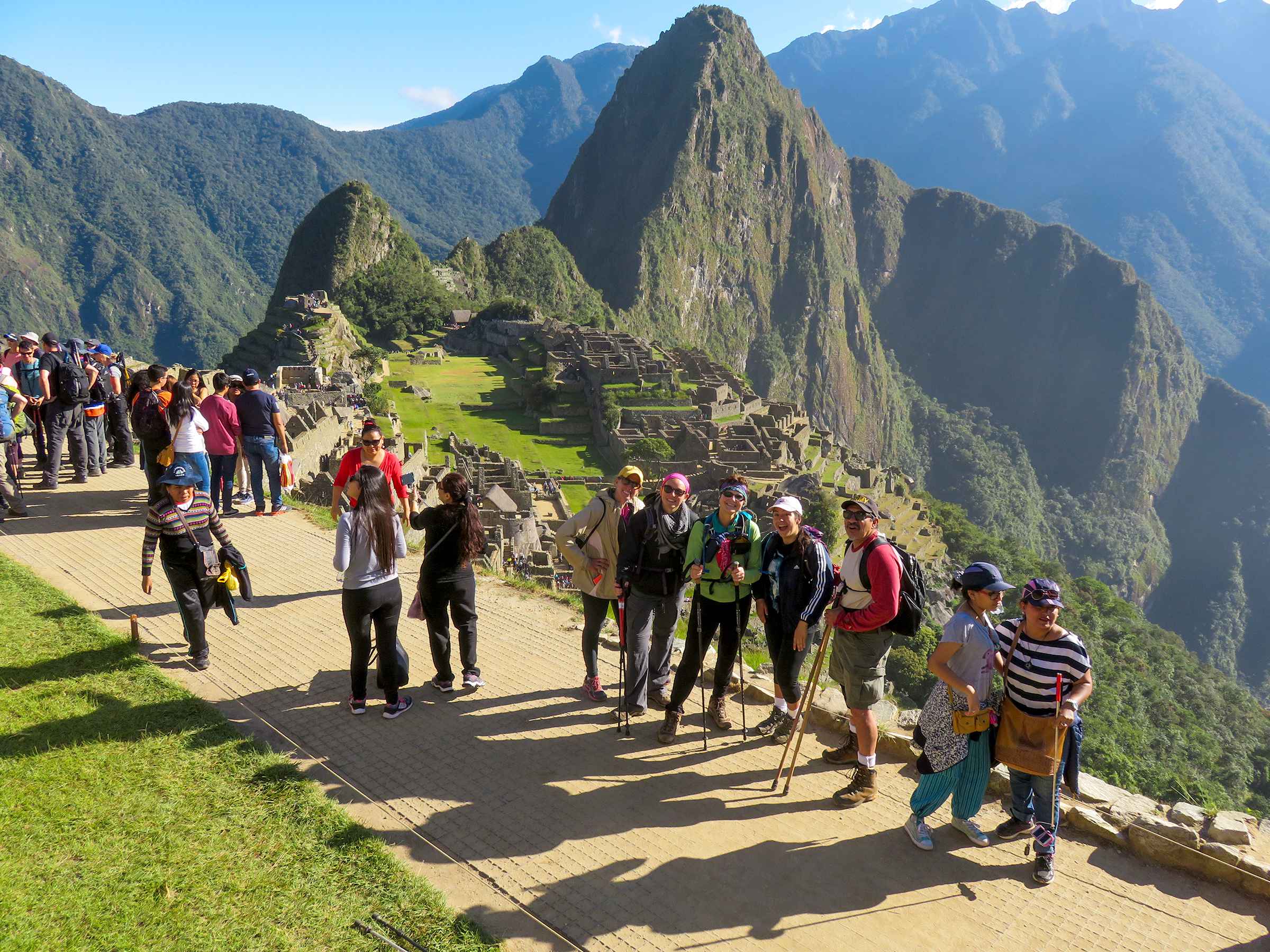
How to hike the Inca Trail 4 days to Machu Picchu Embarking on the Inca Trail hike is…
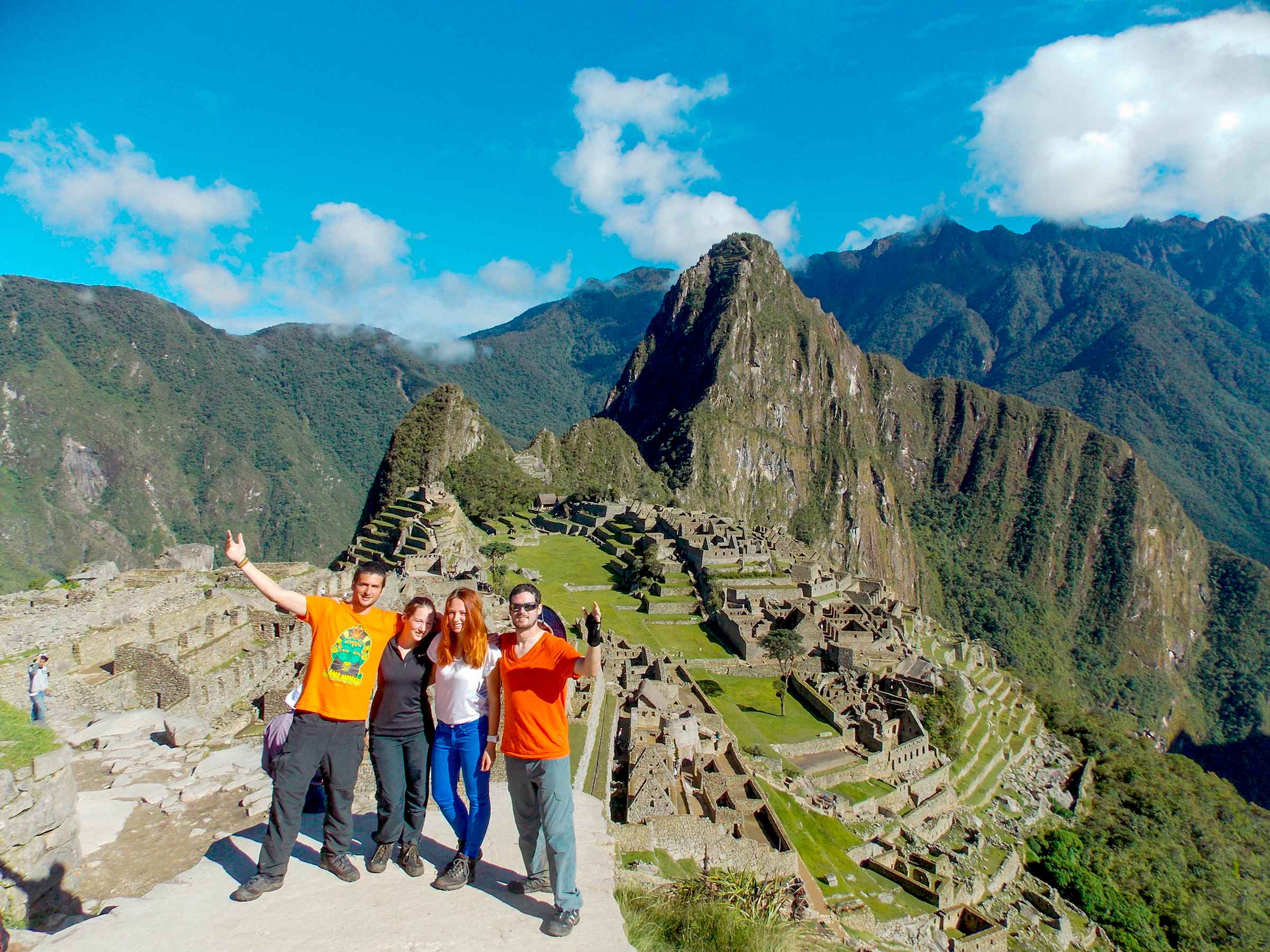
Many dream of embarking on the Inca Trail to Machu Picchu. This ancient trail, set in the stunning Andes…

The Inca Jungle Trek offers an extraordinary journey that combines the thrill of adventure with the awe of…

The 4 Day Inca Trail Experience Embarking on the 4 Day Inca Trail is more than just a…
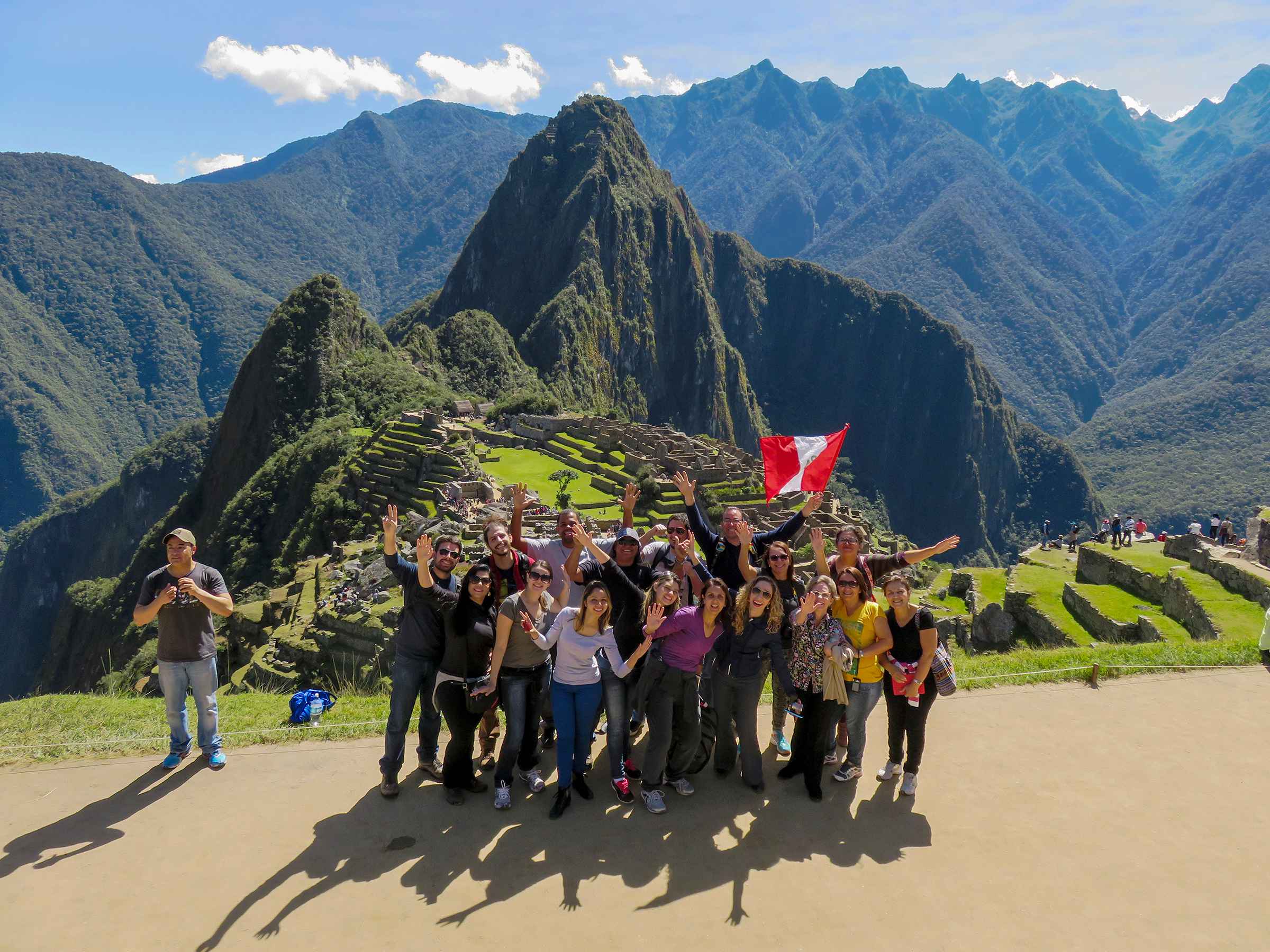
Understanding the Inca Trail Elevation Challenges The Inca Trail is one of the most famous trekking routes in…

Culinary Delights Along the Inca Trail Embarking on the Inca Trail is a journey through history and breathtaking…

Short Inca Trail vs Classic Inca Trail Choosing between the Short Inca Trail and the Classic Inca Trail…

Short Inca Trail Highlights The Short Inca Trail is a captivating journey through history and nature. This two-day…

Planning Your Inca Jungle Trek The Inca Jungle Trek is not your typical trek to Machu Picchu. Unlike…
The Short Inca Trail to Machu Picchu is a journey through history and a trek through stunning natural…