
The adventurous Inca Jungle Trek to Machu Picchu combines mountain biking, hiking, cloud forests, and cultural encounters into one unforgettable Peru experience. Unlike traditional trekking routes, this multi-activity adventure offers travelers a more dynamic and immersive way to reach the legendary Inca citadel.
This guide explores what makes the Inca Jungle Trek unique, including its landscapes, adventure activities, physical challenges, local culture, and why so many travelers choose this alternative route to Machu Picchu.

Exploring the Inca Jungle Trek: What Makes This Route Unique
The Inca Jungle Trek is not just another path to Machu Picchu; it’s a thrilling combination of adventure, nature, and cultural exploration.
This multi-day experience blends hiking, biking, and sometimes rafting into one unforgettable journey through the Peruvian Andes and cloud forests.
Unlike the traditional Inca Trail, which focuses primarily on trekking, the Inca Jungle route offers a more active, diverse adventure and is often less crowded.
The constantly changing landscapes and activities make this route especially appealing to travelers seeking excitement and variety during their trip to Peru.
Why the Inca Jungle Trek Is Different from the Classic Inca Trail
The Inca Jungle Trek stands out because it combines multiple adventure activities instead of relying solely on hiking.
Travelers can experience mountain biking, trekking through tropical cloud forests, ziplining, and optional rafting along the Urubamba River.
This combination creates a more adrenaline-focused journey while still offering spectacular scenery and access to Machu Picchu.
Travelers comparing trekking routes may also find this Short Inca Trail vs Classic Inca Trail guide useful when choosing the best adventure for their travel style.
The Mountain Biking Adventure Through the Andes
One of the most exciting parts of the Inca Jungle Trek is the downhill biking section starting near Abra Málaga Pass.
Participants descend from high-altitude mountain landscapes into warmer jungle environments as they ride along winding Andean roads.
This section offers panoramic mountain views, dramatic valleys, and an incredible adrenaline rush.
The rapid transition between ecosystems makes the biking experience one of the most memorable highlights of the trek.

Rafting and Adventure Activities Along the Route
Many Inca Jungle itineraries also include optional rafting experiences on the Urubamba River.
Rafting adds another layer of excitement while allowing travelers to appreciate the landscapes from a completely different perspective.
Depending on the season and river conditions, travelers can navigate exciting rapids surrounded by lush jungle scenery and towering mountains.
Some itineraries also include ziplining activities, adding even more adventure to the journey.
From the Andes to the Cloud Forest
The Inca Jungle Trek takes travelers through dramatically changing ecosystems.
The route begins in the cold Andean highlands before descending into humid cloud forests filled with tropical vegetation.
Along the trek, travelers pass through coffee plantations, fruit orchards, rivers, waterfalls, and small villages.
This constant environmental transformation makes the journey visually diverse and ecologically fascinating.
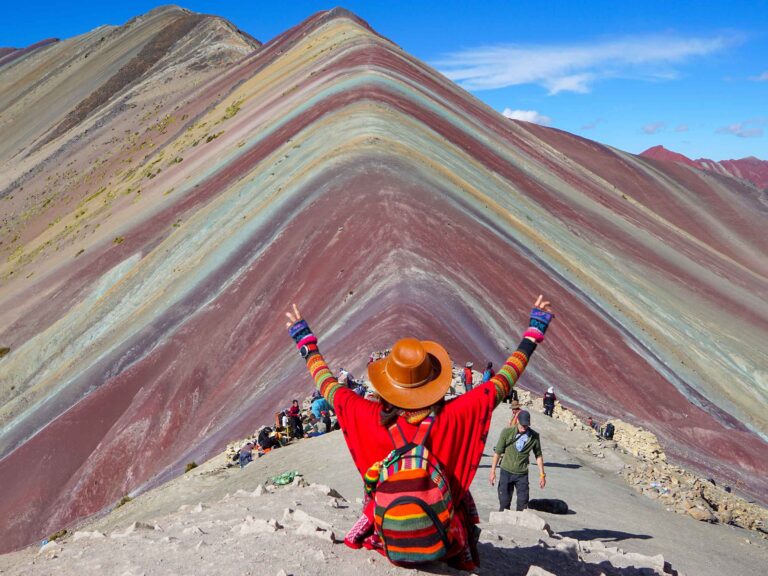
Travelers interested in Peru’s mountain environments may also enjoy this Rainbow Mountain travel guide covering another spectacular high-altitude experience in Cusco.
Wildlife and Nature Along the Inca Jungle Route
The cloud forest ecosystem surrounding the trek supports rich biodiversity.
Travelers may encounter colorful birds, butterflies, orchids, bromeliads, and even monkeys during the journey.
The region is especially attractive for nature lovers and photographers looking to capture Peru’s tropical mountain landscapes.
Early mornings often provide the best opportunities for wildlife observation and photography.
Experiencing Local Culture During the Trek
The Inca Jungle Trek also offers valuable cultural experiences.
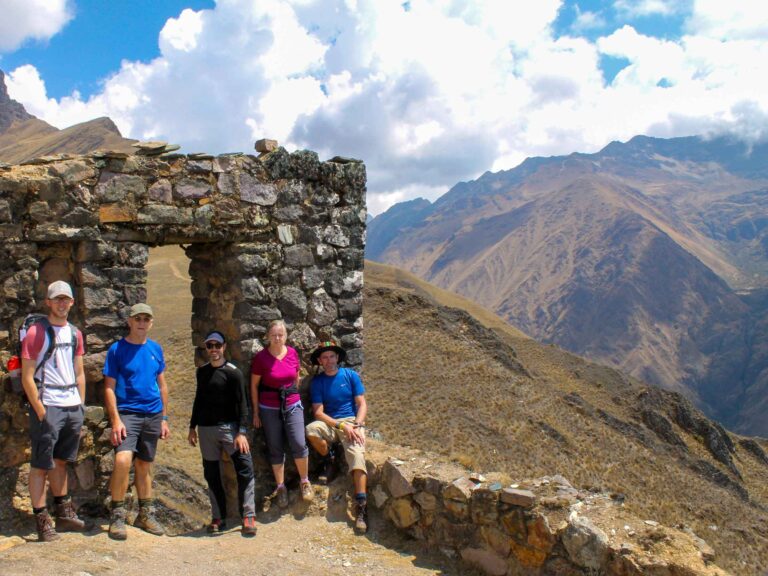
Travelers pass through small Andean communities where local traditions, agriculture, and daily life remain deeply connected to the mountains.
Interactions with local families and guides help visitors better understand the region’s cultural heritage.
The route provides a unique balance between adventure tourism and cultural immersion.
How Difficult Is the Inca Jungle Trek?
The Inca Jungle Trek is considered moderately challenging.
Although less physically demanding than the Classic Inca Trail, it still requires good physical condition due to long hiking days, changing elevations, and humid weather conditions.
The biking section requires careful navigation, while the jungle trekking portions involve steep inclines and uneven terrain.
Travelers preparing for high-altitude trekking may also benefit from reviewing this trek preparation guide for Peru adventures.
Best Time to Hike the Inca Jungle Trek
The best time to complete the Inca Jungle Trek is during the dry season between May and September.
During these months, weather conditions are more stable, trails are safer, and mountain visibility is usually excellent.
Traveling during the rainy season can increase trail difficulty and affect some outdoor activities such as biking or rafting.
What to Pack for the Inca Jungle Trek
Proper gear is essential for enjoying the trek safely and comfortably.
- Comfortable hiking boots with good traction
- Lightweight quick-dry clothing
- Rain jacket and waterproof protection
- Small daypack
- Insect repellent
- Sunscreen and sunglasses
- Reusable water bottle
- Extra batteries and camera protection
Because the route passes through multiple climates, layered clothing is highly recommended.
The Arrival at Machu Picchu
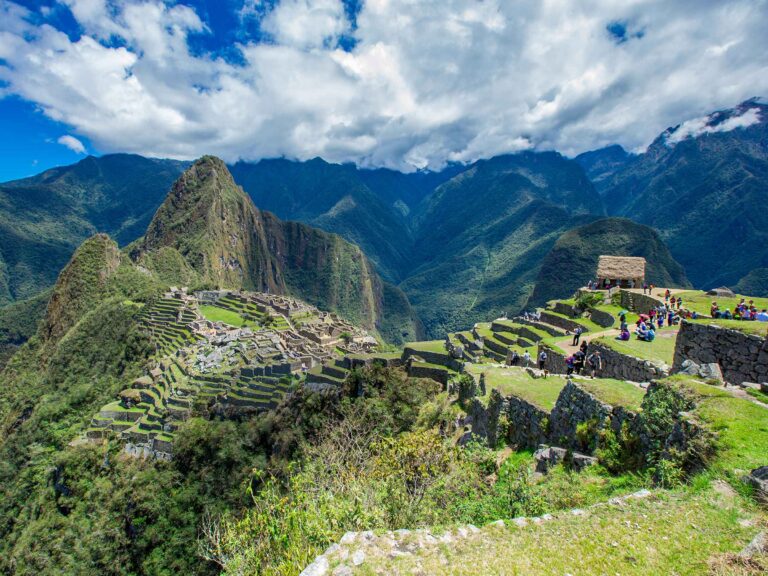
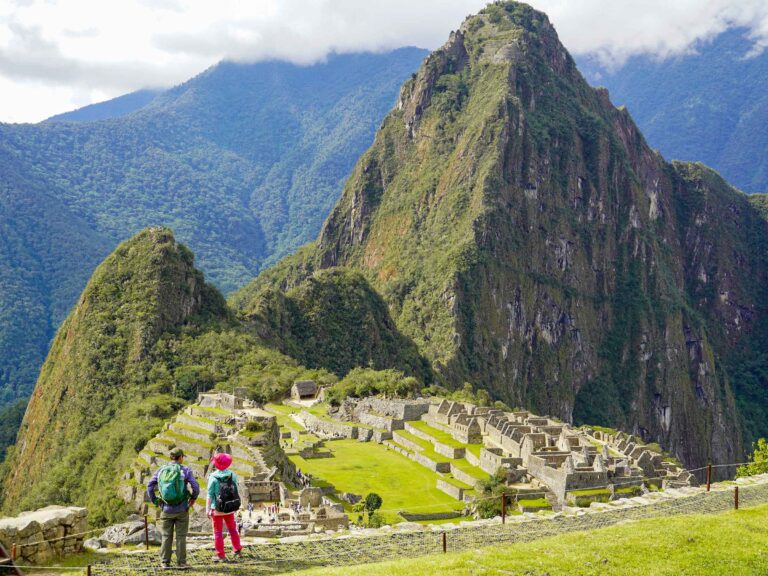
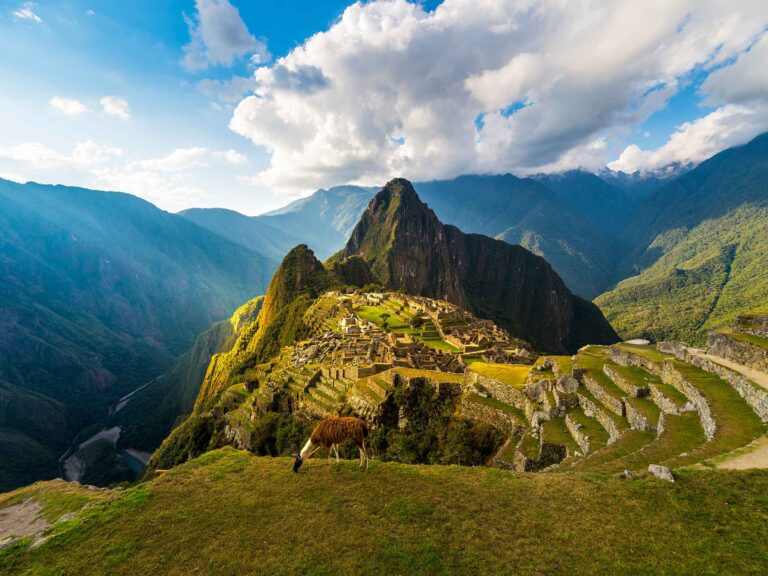
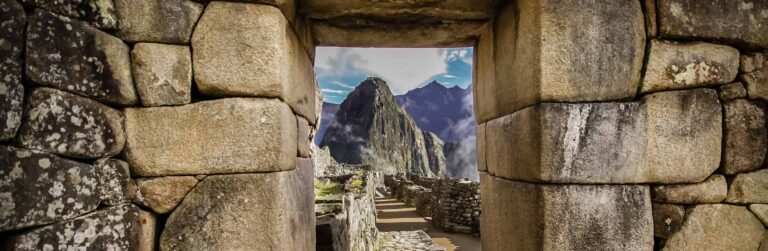
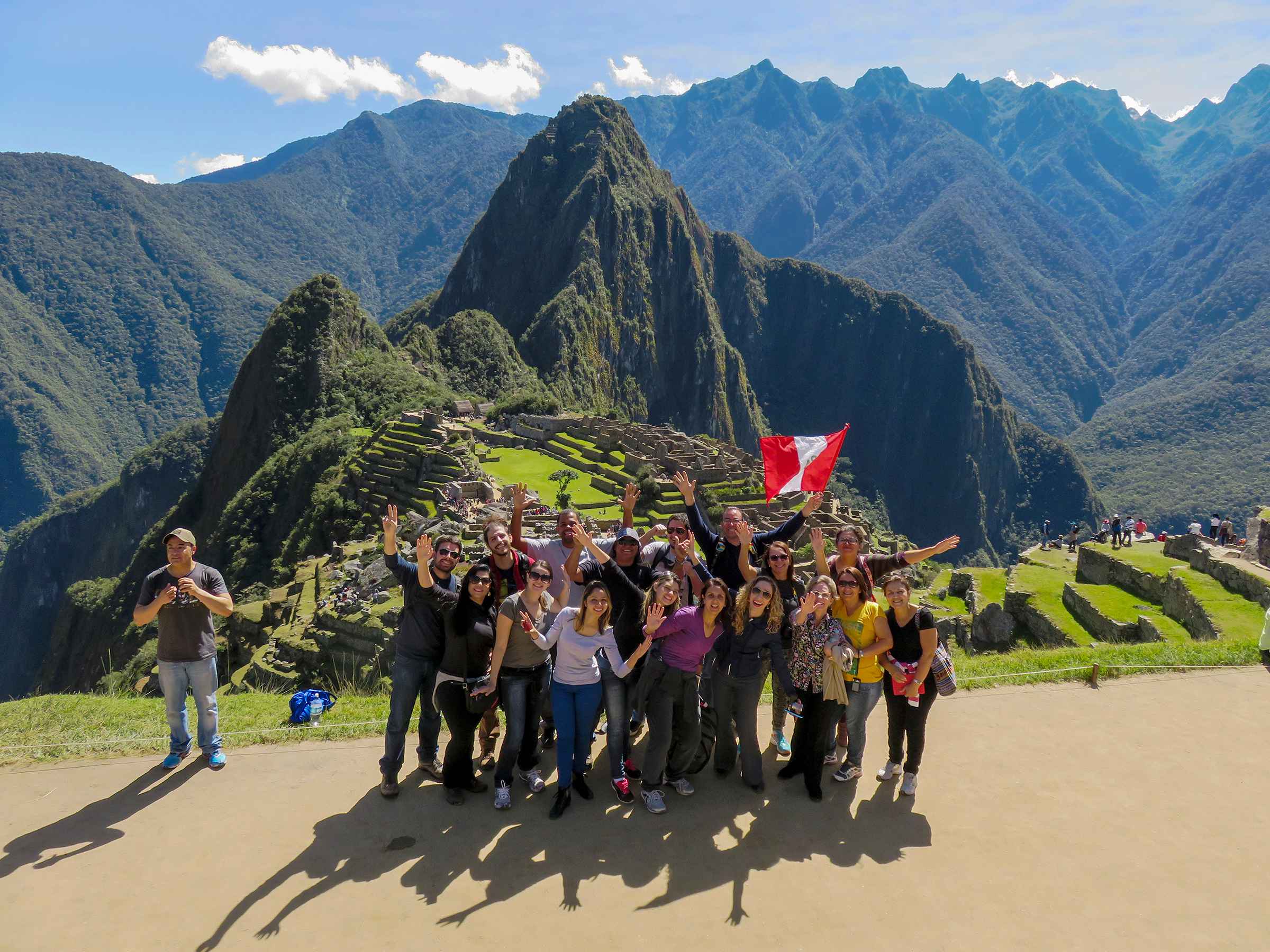
After several days of adventure activities and trekking, travelers finally arrive at Machu Picchu.
Reaching the ancient Inca citadel after such a varied journey creates a strong sense of accomplishment and emotional connection to the experience.
The combination of adventure, nature, and history makes the arrival at Machu Picchu even more rewarding.
Travelers planning their Peru itinerary may also enjoy this complete Machu Picchu travel guide before visiting the ancient sanctuary.
Photography Opportunities Along the Inca Jungle Trek
The Inca Jungle Trek offers excellent opportunities for travel and nature photography.
From snow-capped mountain views and jungle landscapes to local villages and Machu Picchu itself, the route offers a constant stream of visually stunning scenes.
Photographers should bring lightweight, weather-resistant equipment and extra batteries, as charging opportunities may be limited during the trek.
Early-morning light and cloud-forest mist create especially dramatic photographic conditions.
Explore Inca Jungle Trek Tours to Machu Picchu
Kondor Path Tours offers guided Inca Jungle Trek experiences designed for travelers seeking adventure, cultural immersion, and alternative routes to Machu Picchu.
Final Thoughts About the Inca Jungle Trek Experience
The Inca Jungle Trek offers far more than just an alternative route to Machu Picchu.
It combines adventure sports, mountain landscapes, tropical cloud forests, local culture, and ancient history into one extraordinary Peru experience.
For travelers seeking excitement, diversity, and unforgettable scenery, the Inca Jungle Trek remains one of the most dynamic adventures in the Andes.
The journey provides not only physical challenges but also a deeper appreciation for Peru’s natural beauty and cultural richness.