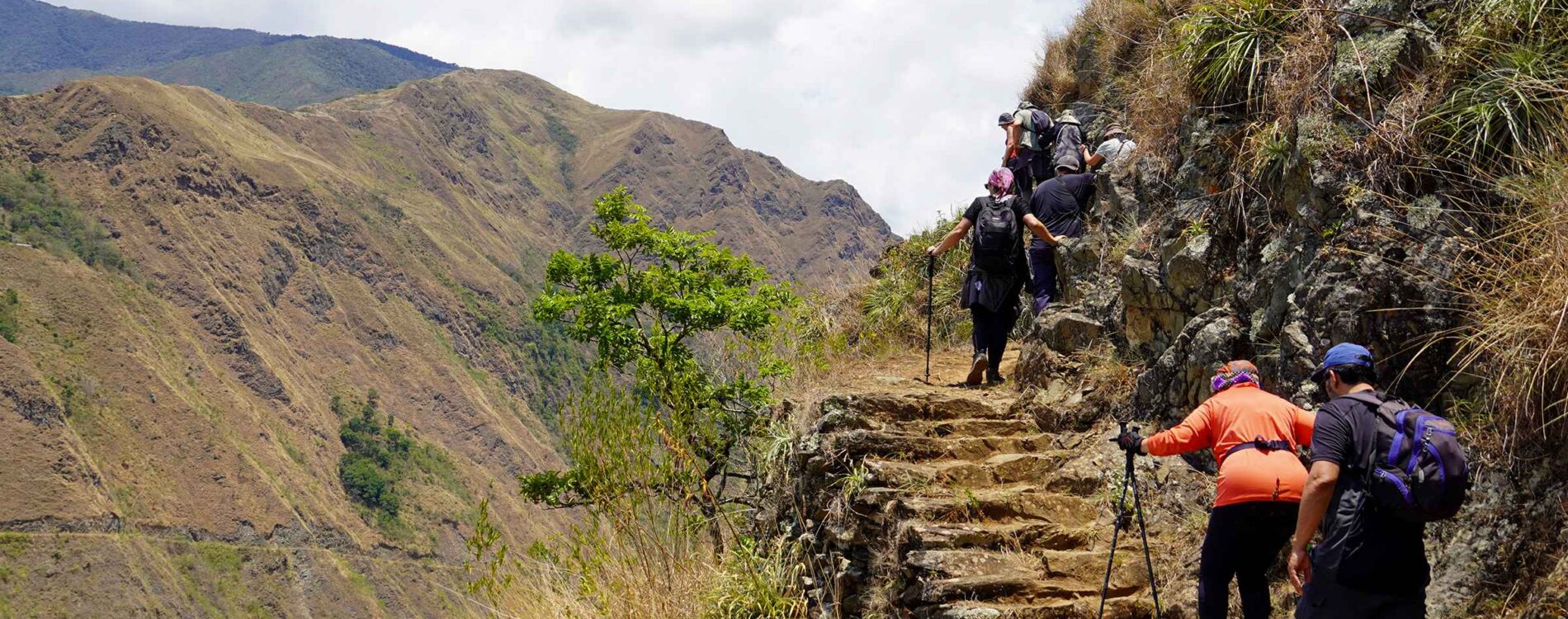
The Inca Jungle Trek is not just another path to Machu Picchu; it’s a thrilling tapestry of adventure, nature, and culture. This journey combines hiking, biking, and even rafting to create an unforgettable experience. Travelers are treated to a mixture of thrill and beauty as they traverse diverse landscapes and ecosystems. In this article, we’ll delve into what the Inca Jungle Trek is all about, exploring the climate, cultural context, physical challenges, and answering common questions about this incredible journey. Whether you’re an adrenaline junkie or a history buff, the Inca Jungle Trek promises a unique experience.
The Inca Jungle Trek stands out as a remarkable alternative to the traditional Inca Trail. Instead of solely hiking, it offers a multi-day expedition that blends various thrilling activities like biking, hiking, and sometimes even rafting. Unlike the classic Inca Trail, which is primarily a pedestrian journey, the Inca Jungle Trek provides a more diverse adventure and is typically less crowded.
The Inca Jungle Trek is not your typical trek to Machu Picchu. It offers a blend of different activities that provide a rich and varied experience. While the traditional Inca Trail focuses on foot travel, the Jungle Trek includes mountain biking and, in some cases, rafting. This mix of activities caters to adventure seekers looking for more than just a hike.
One of the highlights of the Inca Jungle Trek is the biking segment. Participants start from high-altitude Andes and descend through winding roads. This part of the journey offers breathtaking views and an adrenaline rush as you navigate through the mountain paths. It’s an exhilarating way to start the journey, setting the tone for the adventures ahead.
For those who seek even more thrill, rafting on the Urubamba River is an option. This segment isn’t just about adrenaline; it offers a chance to see the landscapes from a different perspective. Paddling through the river, surrounded by lush greenery and towering mountains, provides a unique view of the region’s natural beauty.
The trek typically begins in Cusco, the historical capital of the Inca Empire, and concludes at the iconic Machu Picchu. Over several days, travelers engage in a thrilling combination of mountain biking down winding roads, trekking through lush jungle paths, and, for those who choose, rafting on the Urubamba River.
Cusco, once the heart of the Inca Empire, serves as the starting point for the trek. It’s a city rich in history and culture, with its cobblestone streets and ancient architecture. Before embarking on the trek, many travelers take time to explore Cusco’s vibrant markets and historical sites, immersing themselves in the local culture.
Each day of the trek brings its own set of adventures. From biking through the Andes to hiking in the jungle, no two days are the same. The varying levels of difficulty keep participants engaged, offering both challenges and rewards. As you progress, the landscapes change dramatically, providing a feast for the eyes and a test for the body.
The culmination of the trek is the arrival at Machu Picchu. After days filled with adventure and exploration, reaching this ancient citadel is a moment of awe and reflection. The journey offers a unique perspective on the region, blending adventure with cultural and historical exploration.
The Inca Jungle Trek takes you through an array of climates and ecosystems. Starting in the high altitude of the Andes, you’ll descend into the warm and humid jungle. This change in altitude and climate means you can experience everything from chilly mountain air to the dense, humid atmosphere of the rainforest.
The trek begins in the high altitudes of the Andes, where the air is thin and crisp. These initial stages require acclimatization to avoid altitude sickness. The clear mountain air and sweeping views set the stage for the journey, offering a serene yet challenging start.
As the trek progresses, the landscape transforms dramatically. Descending into the jungle, the air becomes warmer and more humid. This part of the trek is alive with the sounds and sights of the rainforest, offering a stark contrast to the barren beauty of the mountains.
Throughout the trek, you’ll traverse diverse landscapes, including cloud forests, coffee plantations, and fruit orchards. This variety not only makes for a visually stunning journey but also offers a rich biodiversity to observe. Keep an eye out for exotic birds, butterflies, and even monkeys as you make your way through the jungle.
The region surrounding the Inca Jungle Trek is steeped in history and culture. The trek itself passes through several small villages where you can interact with local communities and learn about their way of life. These interactions offer a glimpse into the cultural context of the Inca Jungle region, providing insights into the traditions and practices that have been preserved over centuries.
Travelers have the opportunity to engage with local communities along the trek. These interactions provide insight into the daily lives and traditions of the indigenous people. From traditional crafts to local cuisine, these encounters enrich the trekking experience, offering a deeper understanding of the region’s cultural heritage.
The influence of the Inca civilization is evident throughout the trek. As you move through the region, you’ll encounter remnants of ancient Inca infrastructure, including roads and terraces. These sites offer a fascinating look into the past, revealing the ingenuity and resilience of the Inca civilization.
Efforts to preserve the cultural heritage of the Inca Jungle region are ongoing. Local communities work to maintain their traditions and share them with visitors. This cultural preservation adds another layer to the trek, allowing travelers to appreciate the historical and cultural significance of the area.
Embarking on the Inca Jungle Trek is an exhilarating experience. Each day brings its own set of challenges and rewards, making the journey as much about personal growth as it is about reaching a destination.
The trek is moderately challenging, requiring a good level of physical fitness. The biking portion involves a descent from high altitudes, demanding careful navigation down winding mountain roads. Hiking through the jungle is equally demanding, with steep inclines and the humid climate adding to the challenge.
The trek is not just about physical endurance. It’s an opportunity to disconnect from the everyday and immerse yourself in nature. The lush greenery, diverse wildlife, and stunning landscapes provide a backdrop for reflection and personal growth. Each step brings you closer to nature, offering a sense of peace and tranquility.
The sense of accomplishment when you finally reach Machu Picchu is unparalleled, making every step of the journey worthwhile. The challenges faced along the way build resilience and confidence, turning the trek into a journey of personal growth and discovery.
Packing for the Inca Jungle Trek requires careful consideration. Essentials include sturdy hiking boots, lightweight clothing suitable for both warm and cool weather, a waterproof jacket, and a good quality backpack. Don’t forget insect repellent, sunscreen, and a hat to protect against the sun.
Safety is a priority on the Inca Jungle Trek. Experienced guides accompany groups, ensuring that all activities are conducted safely. It’s crucial to listen to their advice and follow guidelines, especially when engaging in activities like biking and rafting.
The best time to embark on the Inca Jungle Trek is during the dry season, from May to September. During this period, the weather is more predictable, offering clear skies and less chance of rain. Planning your trek during these months maximizes the chances of a successful and enjoyable journey.
The culmination of the Inca Jungle Trek is the arrival at Machu Picchu. After days of adventure, reaching this ancient citadel is a moment of awe and reflection. The journey offers a unique perspective on the region, blending adventure with cultural and historical exploration.

Exploring the Inca Jungle Trek
One of the most appealing aspects of the Inca Jungle Trek for photographers is its variety of landscapes. The trek begins with a thrilling downhill mountain bike ride from Abra Malaga Pass, where you can capture panoramic views of snow-capped peaks and winding valleys. As you descend into the cloud forest, the scenery changes dramatically, allowing you to photograph lush vegetation, exotic flowers, and mist-shrouded trees.

inca jungle trek 4 days
The Inca Jungle Trek takes you through remote villages where you can interact with local communities and immerse yourself in their culture. This is a fantastic opportunity for photographers to capture candid portraits of the locals, traditional Andean clothing, and daily life in the Andes. The vibrant colors and rich textures of the local markets and homes contrast with the natural landscapes.

The diverse ecosystems along the trek are home to a wide variety of wildlife and flora, making it a haven for nature photographers. Keep your camera ready for sightings of colorful birds, such as the Andean cock-of-the-rock, as well as butterflies, monkeys, and possibly even the elusive spectacled bear. The jungle is also filled with exotic plants, including orchids and bromeliads, making stunning macro photography subjects.

The ultimate highlight of the Inca Jungle Trek is the arrival at Machu Picchu, the iconic Incan citadel. Photographers will find endless inspiration in the ancient ruins, dramatic terraces, and the surrounding mountain vistas. Capturing the sunrise over Machu Picchu is a must-do for any photographer, as the early morning light bathes the site in a warm, golden glow.
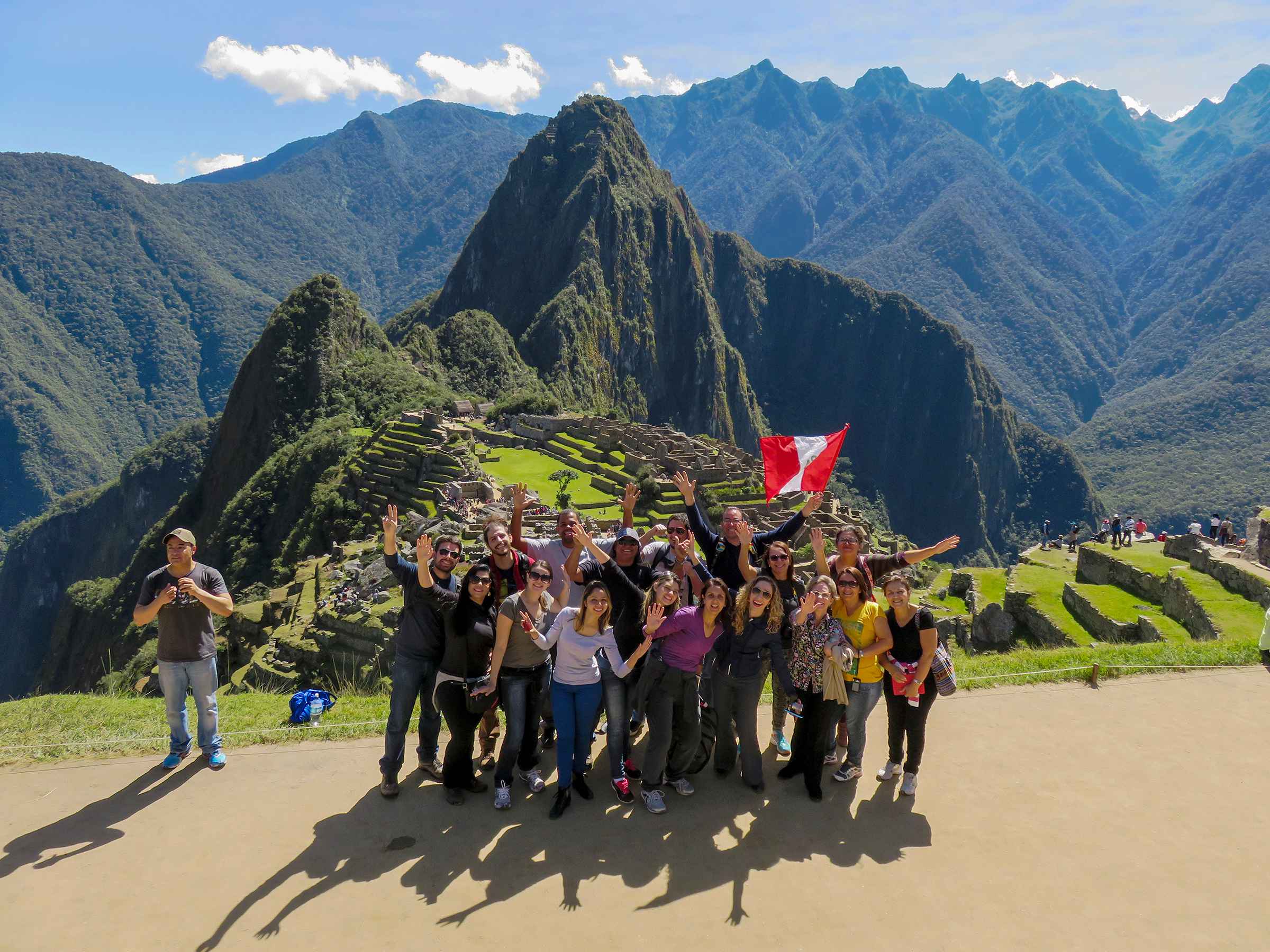
In conclusion, the Inca Jungle Trek is more than just a route to Machu Picchu; it’s an unforgettable adventure that challenges and enriches those who embark on it. With its diverse landscapes, rich cultural context, and physical demands, it promises a journey of discovery and personal achievement. Whether you’re drawn by the thrill of the adventure or the allure of ancient history, the Inca Jungle Trek offers an experience unlike any other.
Exploring the Inca Jungle Trek is a dream come true for photographers. It offers a unique blend of natural beauty, cultural richness, and adventure. With its diverse landscapes, vibrant local culture, and abundant wildlife, this trek provides endless opportunities for capturing stunning images that tell the story of Peru’s Andean region. So pack your camera, embrace the adventure, and get ready to capture the beauty of the Inca Jungle Trek.

Peru Travel Packages Peru is a land of wonders waiting to be explored. From ancient ruins to vibrant…
Peru is home to two of the most iconic landmarks in the world: the Sacred Valley and Machu…
Peru is a country of diverse landscapes and rich cultural heritage, boasting two of the most iconic landmarks…

Machu Picchu, the iconic Lost City of the Incas, has captivated the imagination of travelers and historians alike…
There is much more to do in Machu Picchu than simply taking photos of the main viewpoint. From…
Planning a trip to Machu Picchu, the iconic Inca citadel in Peru, is an exciting and rewarding experience.…

How to Get to Machu Picchu Peru Machu Picchu is a dream destination for many travelers. Nestled in…
Essential Tips for Hiking the Inca Trail Hiking the Inca Trail is an unforgettable adventure that combines stunning…
Spiritual Experience in Machu Picchu: Beyond the Ruins Machu Picchu, a UNESCO World Heritage site, is not only…

Capturing the Magic: A Complete Guide to Stunning Machu Picchu Photography Machu Picchu, the ancient Incan citadel perched…
Understanding the Inca Trail Elevation Challenges The Inca Trail is one of the most famous trekking routes in…

The Spirit of the Andes: A Cultural and Historical Odyssey through Machu Picchu Machu Picchu is far more…