The Short Inca Trail is a journey through time and culture. It offers a glimpse into the rich heritage of the Inca civilization. This trail is a condensed version of the classic Inca Trail experience.
Hiking the Short Inca Trail is more than just a trek. It is an exploration of history and nature. The trail leads to the iconic Machu Picchu, a marvel of ancient engineering.

chinchero to urquillos hike
The Inca Trail Network is an impressive web of roads. It spans thousands of miles throughout the Andes. This vast network connected the sprawling Inca Empire.
This intricate system facilitated trade and communication. It enabled the swift movement of goods and people. Roads linked key cities and outposts across the mountains.
Inca engineers employed sophisticated construction techniques. They created durable paths and bridges. Stone pavements exemplify their advanced capabilities and innovation.
These trails served not only practical purposes. They held cultural and religious significance as well. Pilgrimages to sacred sites were an essential aspect of Inca life.
The Inca Trail to Machu Picchu is a famous section. It exemplifies the blend of nature and architecture—the trail snakes through breathtaking landscapes.
Preserving this network is vital for cultural heritage. It reflects the Incas’ resourcefulness and resilience. Conservation efforts ensure future generations understand this legacy.
The Inca Trail remains a testament to their visionary engineering. Walking these paths offers a glimpse into a bygone civilization. It invites travelers to connect with a remarkable past.
The Short Inca Trail forms a crucial part of this network. Exploring it immerses hikers in a rich tapestry of history. The experience inspires awe and deep respect for Inca achievements.
The Short Inca Trail is an ideal choice for time-conscious explorers. This 2-day trek offers a taste of Incan history. It encapsulates the essence of the longer Inca Trail.
Hikers start their journey at Km 104 on the railway to Machu Picchu. The trail spans approximately 10 kilometers. It gradually ascends through stunning landscapes.
The route traverses diverse ecosystems. It passes through lush cloud forests and opens up to panoramic mountain vistas. The visual treat is as profound as the historical one.
For many, reaching Wiñay Wayna is a highlight. It is an impressive archaeological site that showcases Inca agricultural prowess. Terraced fields cling to the hillside.
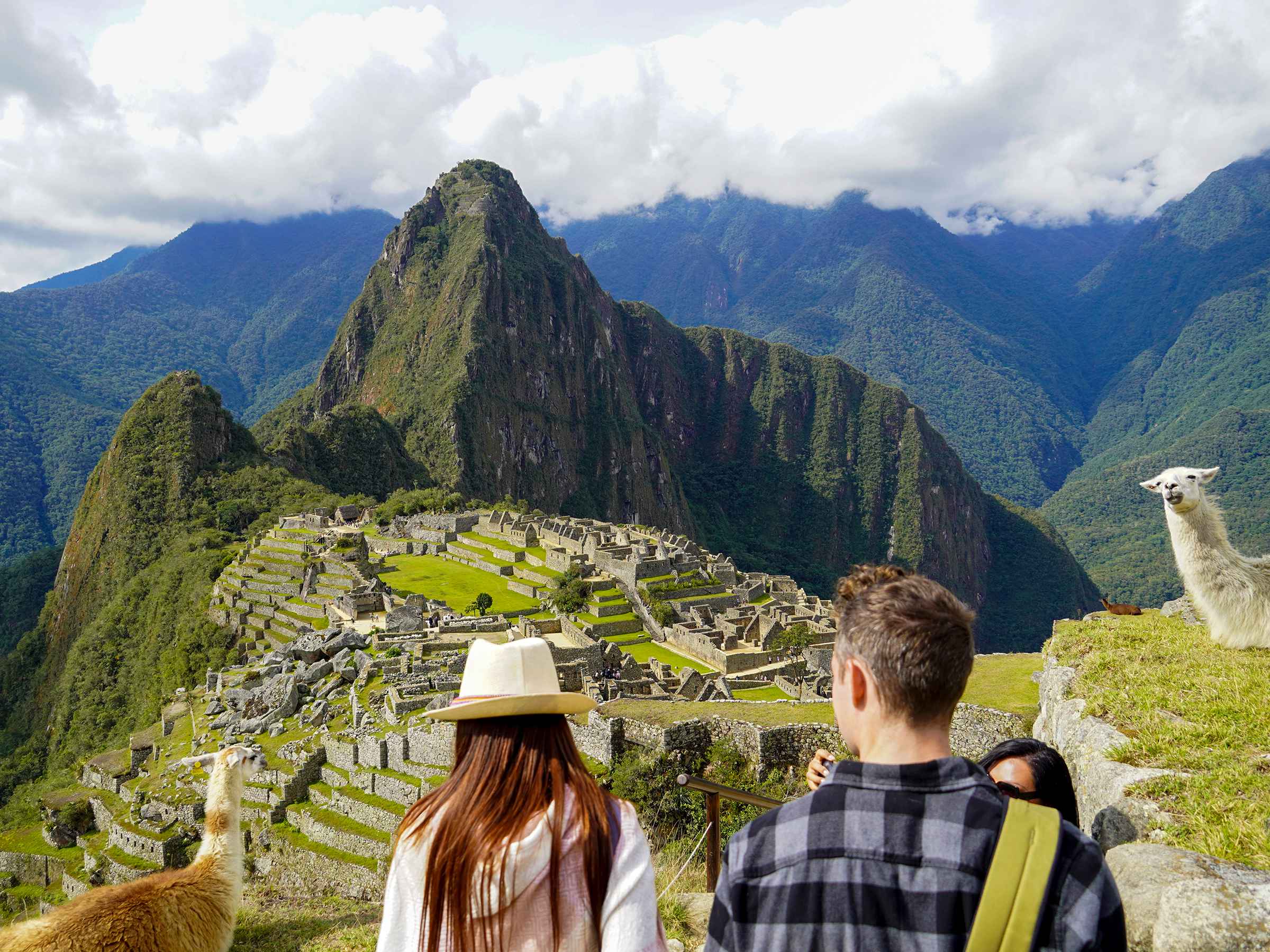
Moving forward, trekkers find a rewarding climb to Intipunku, or the Sun Gate. This vantage point provides a breathtaking glimpse of Machu Picchu. The sight is unforgettable and awe-inspiring.
The Short Inca Trail culminates at Machu Picchu. This iconic citadel stands as a pinnacle of Inca architecture and culture. The experience of setting eyes upon it is profound.
Despite its shorter length, the trail offers immense cultural insight. Local guides enhance the experience with their expertise. They provide context that enriches the hike.
Regulations ensure the integrity of this trail. Hikers should respect the environment and cultural sites. Enjoying this trek responsibly benefits conservation efforts.
The Short Inca Trail is peppered with significant archaeological sites. These locations speak volumes about the Incas’ ingenuity. Each site offers a unique window into its vibrant culture.
Hiking this trail means stepping through history. Each site has stories etched into stone. They reveal aspects of Incan daily life, spirituality, and architecture.
The following are noteworthy archaeological sites on the trail:
Chachabamba: The Trail’s Gateway
Chachabamba greets trekkers at the trail’s start. Its structures were likely used for ceremonial and agricultural purposes. This site marks the gateway into an ancient world.
Here, one sees well-preserved stone constructions. Chachabamba exemplifies Inca religious life. It sets the tone for the spiritual journey ahead. Trekkers often pause to absorb its serene atmosphere.
Wiñay Wayna: Inca Ingenuity in Agriculture
Wiñay Wayna impresses with its stone terraces. These structures demonstrate sophisticated agricultural techniques. The Incas cultivated crops here, despite the steep terrain.
The site’s name means “forever young” in Quechua. It resonates with beauty and mystique. Visiting Wiñay Wayna offers insights into Inca agricultural mastery. It’s a testament to their adaptation to the mountainous environment.
Inti Punku (Sun Gate): The Sacred Entrance
Inti Punku, or Sun Gate, holds a special place. It served as a control point for those entering Machu Picchu. The gate offers a magnificent view of the entire citadel.
Arriving at Inti Punku rewards trekkers with stunning vistas. The first glimpse of Machu Picchu through this gateway is breathtaking. It underscores the mystical allure of the Incas’ architectural genius.
Machu Picchu stands as the crown jewel of the Inca civilization. Nestled high in the Andes, it offers a glimpse into a world long past. This ancient site is a testament to Inca innovation and culture.
The architecture of Machu Picchu is both sophisticated and harmonious. Stone structures blend seamlessly with their natural surroundings. This integration showcases the Incas’s reverence for nature.
Machu Picchu comprises various structures, each with its own purpose. Residential areas, religious temples, and agricultural terraces are abundant. These elements highlight the complexity of Incan society.
As you wander through the stone corridors, the precision of the construction becomes evident. The Incas used a technique called ashlar masonry. Stones were cut to fit tightly without mortar, a remarkable feat.
Exploring Machu Picchu allows for reflection on its historical significance. The site is a culmination of Inca achievements in engineering, agriculture, and astronomy. Each area within the site offers different insights.
Mystery shrouds Machu Picchu’s origins. Its purpose and significance continue to captivate historians. Some theories suggest it was a royal estate; others view it as a ceremonial site.
Walking through Machu Picchu is a journey back in time. It embodies the pinnacle of Inca civilization. Visitors leave with a deeper appreciation of this lost world. The Short Inca Trail provides an intimate approach to this enchanting place.
Inca culture was deeply intertwined with spirituality and nature. Profound beliefs shaped the Inca worldview. Their spiritual practices were reflected in everyday life.
Nature was more than just the backdrop for the Inca civilization. It was an integral part of their spiritual beliefs. Mountains, rivers, and trees were revered as sacred entities.
The Incas practiced rituals to honor their deities. These rituals were performed with great precision and respect. Offerings were made to ensure harmony with the cosmos.
Key natural elements were personified as gods in Inca culture. Inti, the sun god, was central to Inca spirituality. Pachamama, Mother Earth, was also highly venerated.
Spiritual ceremonies were often held at specific locations. These sites were chosen for their significance to the Incas. They served as portals between the earthly and divine realms.
Rituals helped maintain cosmic order, according to Inca belief. Events such as solstices and harvests were times for complex ceremonies. These rituals were essential for securing divine favor.
The Incas’ connection to nature remains evident today. Cultural practices still reflect ancient beliefs and traditions. This enduring legacy continues to inspire awe and admiration. The Short Inca Trail offers glimpses into this spiritual journey through history.
The engineering brilliance of the Incas is celebrated through their trail networks. These pathways reveal their advanced construction techniques. Built to withstand the test of time, they connect vast regions of the empire.
The Incas used local materials to build durable paths. Their strategic stone placements enhanced stability and drainage. This meticulous approach ensured the trails endure seasonal changes.
One remarkable aspect is the Incas’ skill in overcoming varied terrain. They constructed suspension bridges to cross rivers. The Incas laid paths across steep, mountainous terrain without modern tools.
Preservation of these ancient trails is crucial today. Efforts focus on maintaining their original condition. Preservation is key to protecting these sites for future generations.
Archaeologists and conservationists actively restore damaged sections. Their work involves using traditional methods. This helps to maintain the authenticity of the Inca craftsmanship.
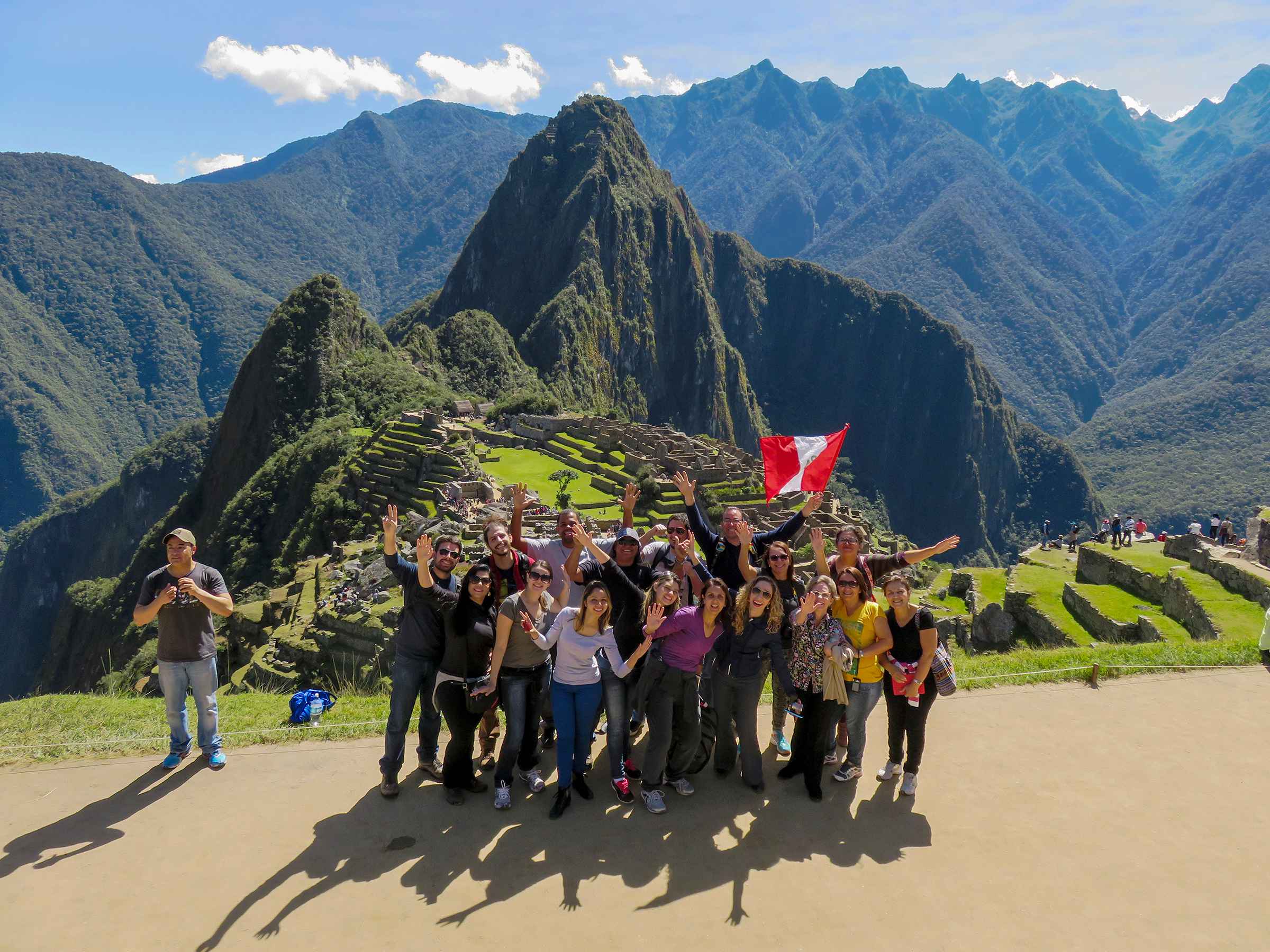
The significance of these engineering marvels goes beyond their practicality. They are a testament to the Inca’s ingenuity. Visiting them offers insight into their innovation and adaptation.
The Short Inca Trail is one such preserved testament. It encapsulates the brilliance of Incan construction. Walking these paths is a journey through their historical and engineering prowess.
The Short Inca Trail is more than a historical journey. It traverses a region rich in biodiversity. The trail showcases the extraordinary natural heritage of the Andes.
Hikers will encounter diverse ecosystems along the route. Cloud forests envelop the landscape, filled with vibrant flora and fauna. The lush environment offers a striking contrast to the ancient stone paths.
The region is home to many unique plant species. Orchids are particularly noteworthy, with hundreds of varieties thriving here. Their colorful blooms add a magical touch to the trail.
Wildlife is abundant in this biodiverse paradise. Birdwatchers will delight in observing numerous species. Hummingbirds and Andean condors are just a few examples of the avian life present.
Notable inhabitants of the area:
Efforts are ongoing to conserve the trail’s natural environment. Maintaining the ecological balance is crucial. Eco-friendly practices among visitors and locals help sustain this exceptional biodiversity.
Experiencing the Short Inca Trail is also a lesson in ecological coexistence. Respecting the trail’s natural beauty is vital. It ensures that its wonders persist for generations to come.
Today, the Short Inca Trail is a gateway to discovery. This two-day trek captivates adventurers worldwide. It promises a blend of cultural richness and natural beauty.
Starting at Km 104, the trail unfolds breathtaking landscapes. It spans approximately ten kilometers. The journey is filled with historical wonder and scenic vistas.
Each step echoes the legacy of the Inca civilization. Trekkers witness engineering marvels left by this ancient society. The route is a testament to human achievement amid nature’s embrace.
Hiking the Short Inca Trail offers a personal connection to history. It provides an intimate experience, less crowded than the full Inca Trail. The solitude allows for deeper reflection and engagement with the surroundings.
The peak at the Sun Gate reveals Machu Picchu in all its glory. Reaching this vantage point is a profound reward. The magnificence of the ruins is a sight to behold.
To fully enjoy the experience, planning is key. Understanding local customs enhances the journey. Respecting cultural heritage ensures a meaningful and responsible trek.
Adventurers embrace various aspects of this expedition:
Hiking the Short Inca Trail requires a permit. This process is in place to preserve the trail’s integrity. Permits are limited and essential for booking in advance.
Regulations ensure sustainable tourism practices. They help protect the archaeological sites along the route. Visitors must adhere to the guidelines set by local authorities.
Responsible trekking involves respecting the environment. Leaving no trace is a principle to follow. It maintains the trail’s pristine condition for future explorers.
Key regulations include:
Understanding and following these regulations is crucial. They contribute to the ongoing preservation of this cultural gem. By respecting rules, hikers honor the trail’s rich heritage.
Acclimatization is crucial when hiking the Short Inca Trail. The trail reaches high altitudes, testing even seasoned trekkers. Preparing the body for such conditions enhances the experience.
Physical fitness is essential for this moderate-level trek. Exercise routines should focus on endurance and strength. Cardiovascular training helps manage steep ascents.
Preparation extends beyond fitness. Hikers should acclimate to the altitude before the trek. Spending time in Cusco before helps mitigate altitude sickness.
Key acclimatization strategies include:
Planning ensures a safe and enjoyable journey. Paying attention to health and fitness sets the stage for success. Proper preparation maximizes the rewards of the trail.
Packing for the Short Inca Trail requires careful consideration. The trail’s diverse climate demands appropriate gear. Being well-equipped enhances comfort and safety.
Clothing should cater to varying weather conditions. Layered clothing helps adapt to changing temperatures. Lightweight, moisture-wicking garments are recommended.
Footwear is a critical component of your packing list. Sturdy hiking boots with good grip are essential. Comfort and support will make the trekking experience more pleasant.
Key items to pack include:
Remember to pack efficiently, keeping weight in mind. A well-organized pack aids in accessibility during the trek. Careful packing contributes to a successful hike on this historic trail.
Local guides are invaluable to the Short Inca Trail experience. Their knowledge brings depth to the journey, enriching every step. Travelers gain insights not found in guidebooks.
These guides are often community members. Their roots in the region provide personal stories and cultural nuances. This connection allows visitors to see the trail through local eyes.
Guides ensure the trek proceeds smoothly and safely. They help navigate the trail’s challenges. Their expertise in trail logistics is essential for a seamless experience.
Community involvement extends beyond guiding. Many local organizations support trail preservation. They help maintain the trail’s condition and integrity.
Visitors benefit from engaging with these local initiatives. It offers a chance to contribute positively. Supporting local efforts makes the trek more sustainable.
Community contributions include:
Local guides and communities play key roles. They ensure the Short Inca Trail remains a cherished heritage site. Engaging with them enhances the overall trekking experience.
Sustainability is crucial to preserving the Short Inca Trail’s heritage. Efforts focus on minimizing the impact of tourism while maximizing cultural understanding. These steps ensure future generations can experience the trail’s beauty.
Tourism initiatives prioritize environmental protection. The number of visitors is regulated through permits. This helps maintain the trail’s pristine condition and supports ecological balance.
Conservation projects involve local communities. They work to restore and conserve the trail’s natural resources. Their involvement fosters a sense of stewardship among residents.
Sustainable practices are encouraged among hikers. This includes respecting wildlife and local flora, and adhering to set guidelines. Tourists are urged to minimize waste and leave the site as they found it.
Key sustainable practices include:
Collaborative efforts ensure the trail’s cultural and natural legacy endures. Such initiatives benefit both the environment and local economies. They create a harmonious balance between tourism and preservation, enriching the experience for all who hike the Short Inca Trail.
Respecting cultural sites is vital while exploring the Short Inca Trail. These spaces hold deep significance for Peruvian heritage and must be treated with care.
Visitors are encouraged to engage with local customs. Understanding and honoring these practices enriches the experience. It also fosters a greater connection to the Inca legacy.
Noise levels should be kept low at sacred sites. This preserves the tranquility and spiritual ambiance of these revered locations. Visitors should avoid loud conversations and disruptive behavior.
Taking only photographs, not artifacts, is essential. Removing items from historical sites damages their integrity and diminishes their cultural value.
Key etiquette points include:
Adhering to these guidelines enhances both personal experience and cultural preservation. It ensures the protection of the Inca Trail’s rich heritage for years to come.
Choosing the right trek to Machu Picchu involves comparing various options. The Short Inca Trail is a favored choice due to its duration and historical allure. But how does it stack up against other hikes?
The Classic Inca Trail spans four days and is more demanding. It offers an extensive view of Inca history but requires more time and stamina. In contrast, the Short Inca Trail is ideal for those with limited time but still seeking cultural depth.
The Salkantay Trek offers a scenic, non-traditional route. It ventures high into the Andes, showcasing breathtaking landscapes beyond the Inca Trail. The Lares Trek combines cultural interaction with local Andean communities but differs in archaeological focus.
Choosing between hikes depends on your interests:
Each trail offers a unique trip to Machu Picchu, catering to different preferences and experiences.
Is the Short Inca Trail suitable for beginners?
Yes, the trail is accessible to those with moderate fitness. It requires preparation and acclimatization due to the elevation. Novice hikers should prepare, but can enjoy the experience with ease.
What is the best time to hike the Short Inca Trail?
The dry season, from May to September, offers optimal conditions. The trails are less slippery, and the weather is clear, enhancing the views.
How long does the Short Inca Trail trek take?
The trek typically takes two days to complete. This includes the hike and the time spent exploring Machu Picchu the next day.
Do I need a permit for the Short Inca Trail?
Yes, a permit is necessary and must be reserved in advance. Only a limited number are available, ensuring the preservation of the trail.
Key considerations include:

Christmas in Machu Picchu 5 Day
The Short Inca Trail offers more than scenic beauty. It’s a journey through time that unveils the ingenuity of the Inca Empire. Walking its paths means connecting with a vibrant history and culture.
Hikers discover an immersive experience blending nature and legacy. Each step on this trail to Machu Picchu reveals a compelling story of the ancients. The trail encourages reflection on the relationship between people and landscapes.
Preserving the trail’s integrity enriches future generations’ experiences. Embracing its heritage means respecting the balance between tourism and conservation. This ensures the wonder of the trail endures for years.
Consider these reflections:
Every hike becomes a celebration of an enduring heritage, inspiring thoughtful engagement with this treasured path.

Capturing the Short Inca Trail Photos: Tips & Iconic Locations Embarking on the Short Inca Trail is a…

Machu Picchu, the iconic Lost City of the Incas, has captivated the imagination of travelers and historians alike…
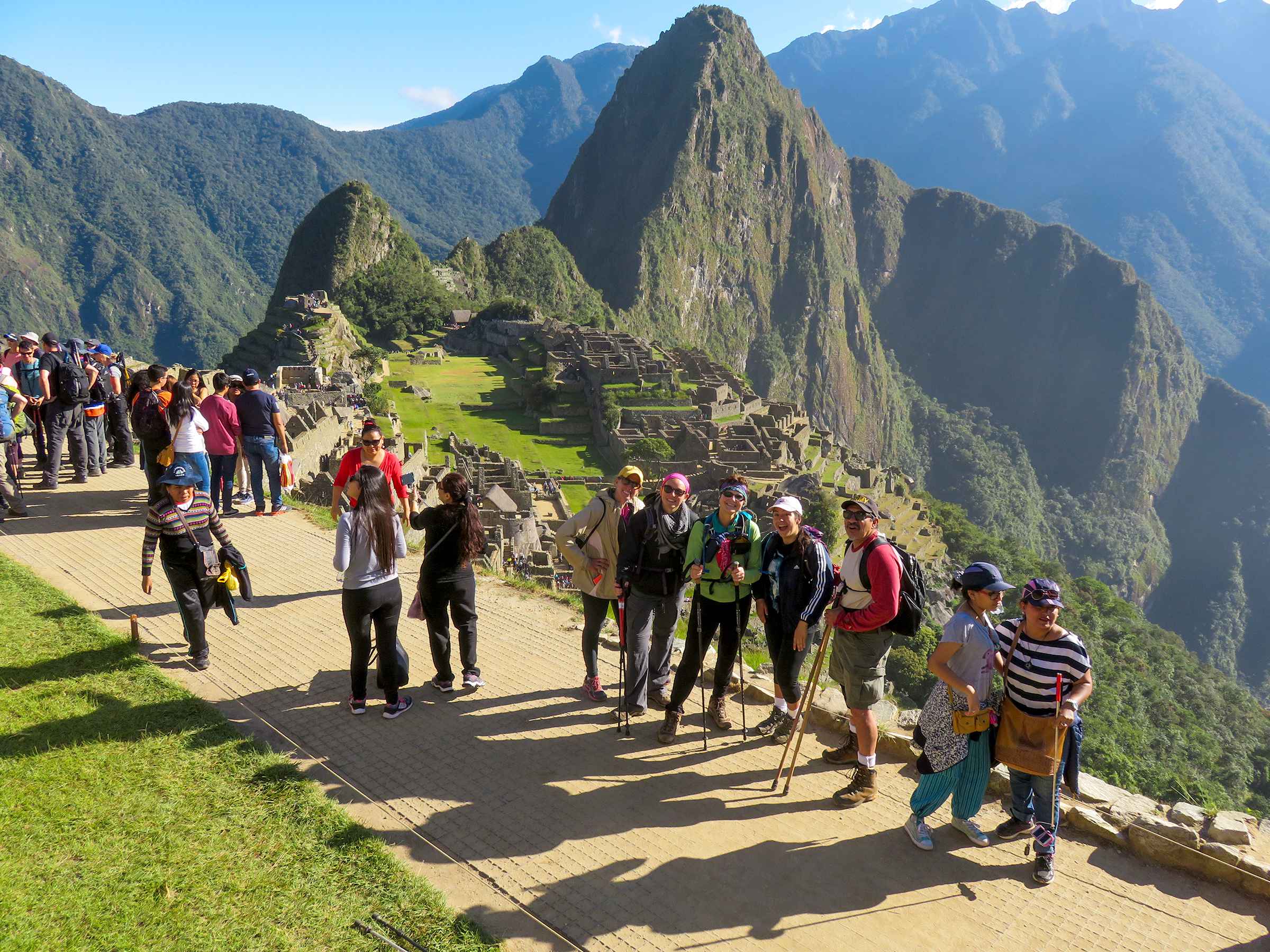
How to hike the Inca Trail 4 days to Machu Picchu Embarking on the Inca Trail hike is…
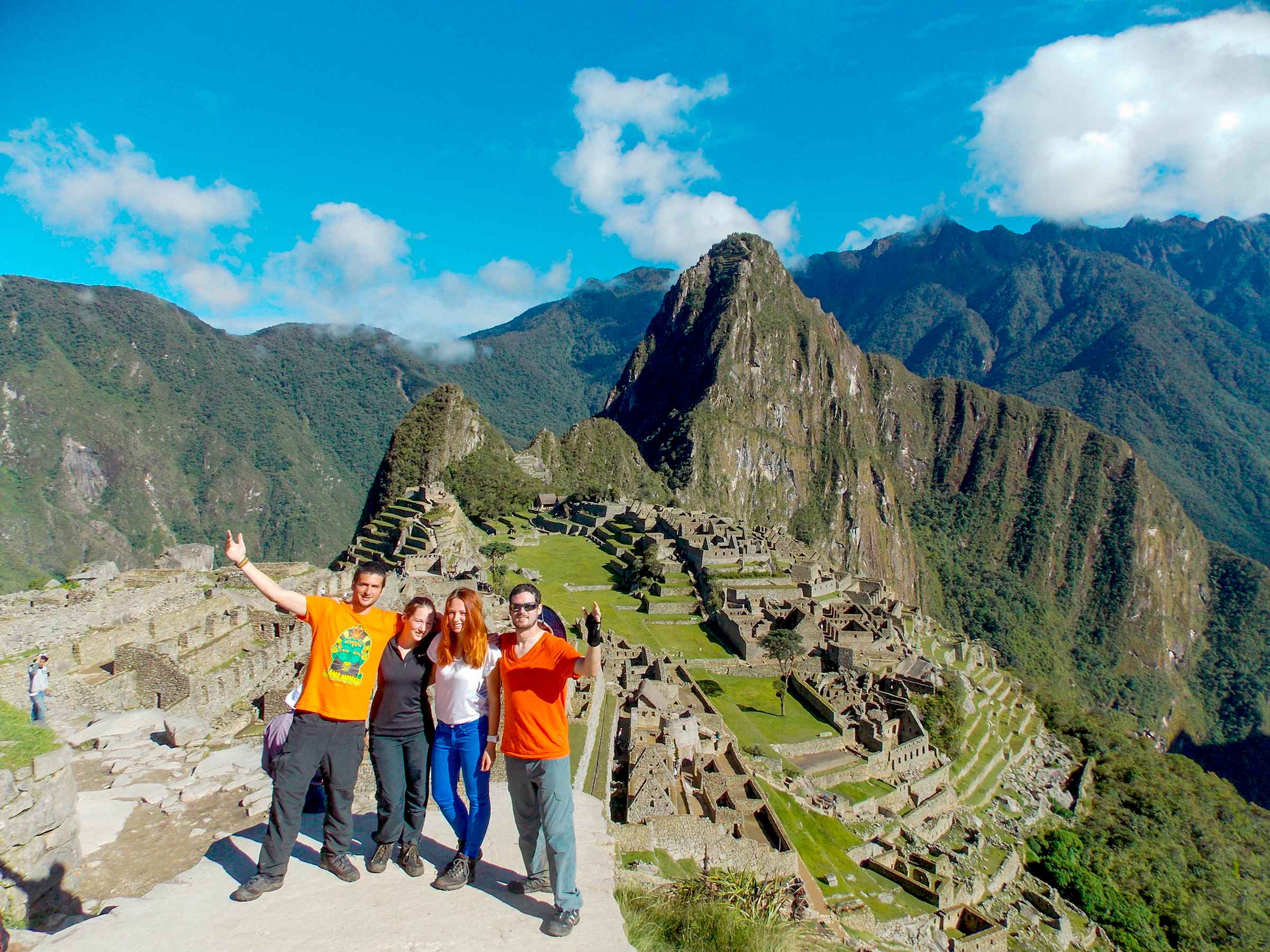
Many dream of embarking on the Inca Trail to Machu Picchu. This ancient trail, set in the stunning Andes…

How to Get to Machu Picchu Peru Machu Picchu is a dream destination for many travelers. Nestled in…

The Inca Jungle Trek offers an extraordinary journey that combines the thrill of adventure with the awe of…

The 4 Day Inca Trail Experience Embarking on the 4 Day Inca Trail is more than just a…
Understanding the Inca Trail Elevation Challenges The Inca Trail is one of the most famous trekking routes in…

Culinary Delights Along the Inca Trail Embarking on the Inca Trail is a journey through history and breathtaking…

Short Inca Trail vs Classic Inca Trail Choosing between the Short Inca Trail and the Classic Inca Trail…

Short Inca Trail Highlights The Short Inca Trail is a captivating journey through history and nature. This two-day…

Planning Your Inca Jungle Trek The Inca Jungle Trek is not your typical trek to Machu Picchu. Unlike…