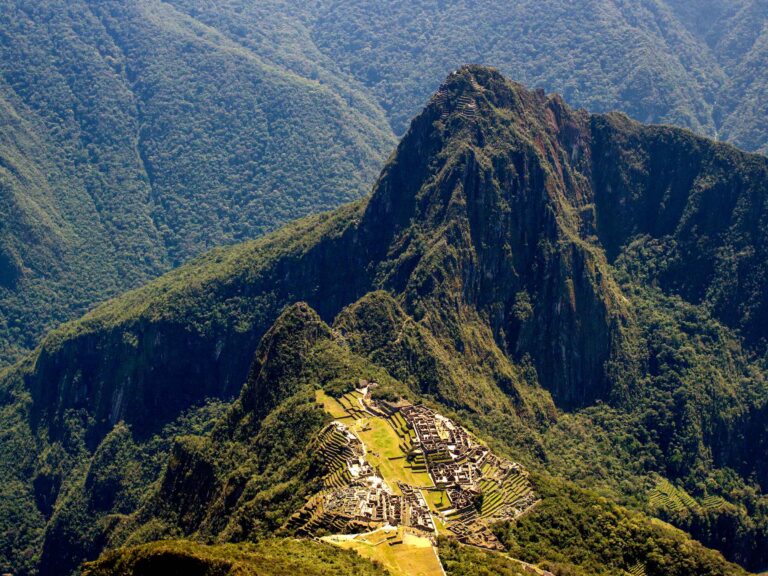

AROUND CUSCO Chinchero Andahuaylillas and San Pedro
Cusco is a city that captures the imagination. It’s a place where history and culture intertwine. Known as the historical capital of the Inca Empire, Cusco is a UNESCO World Heritage Site.
Travelers flock here for its rich heritage and stunning landscapes. The city serves as a gateway to the Sacred Valley and Machu Picchu. But Cusco itself offers much to explore.
Chinchero, Andahuaylillas, and San Pedro are must-visit spots around Cusco. Each offers unique experiences and insights into local life. Chinchero is famous for its traditional weaving and vibrant market.
Andahuaylillas boasts the “Sistine Chapel of the Andes,” a baroque masterpiece. San Pedro Market in Cusco is a sensory delight, full of local flavors and crafts. These destinations provide a deeper understanding of Peruvian culture.
Planning a trip to Cusco and its surroundings requires some preparation. From acclimatizing to the altitude to knowing the best times to visit, there’s much to consider. This guide will equip you with essential Cusco travel tips.
Why Visit Cusco and Its Surroundings?
Cusco is a city steeped in history. As the former capital of the Inca Empire, it offers unparalleled insights into a civilization that once ruled vast areas of South America. Its cobblestone streets and colonial architecture tell stories of past centuries.
The natural beauty surrounding Cusco is breathtaking. With the Andes as a backdrop, it’s a visual feast for visitors. Nearby, the Sacred Valley offers lush landscapes and opportunities for adventure.
Culture enthusiasts will find Cusco’s vibrant arts scene captivating. The city celebrates its heritage with numerous festivals and events. Explore local traditions and witness dances and ceremonies that have been preserved for generations.
Beyond Cusco, the towns of Chinchero, Andahuaylillas, and San Pedro offer unique experiences:
- Chinchero: Known for its traditional weaving, colorful market, and majestic views of the Andes.
- Andahuaylillas: Famous for its stunning church, often called the “Sistine Chapel of the Andes.”
- San Pedro: A bustling market offering a taste of local life and cuisine.
These destinations highlight Peru’s rich cultural tapestry. Whether you’re an adventurer, a history buff, or a culture seeker, Cusco and its surroundings promise an unforgettable journey. They offer a blend of stunning landscapes, rich heritage, and vibrant local culture.
Essential Cusco Travel Tips
Traveling to Cusco requires some planning due to its high altitude. The city sits over 3,300 meters above sea level. This elevation can affect travelers unaccustomed to such heights.
Altitude sickness is a common concern. It’s important to drink plenty of water and rest upon arrival. Many travelers find that coca tea helps alleviate symptoms.
Weather in Cusco varies greatly. Days can be warm and sunny, while nights turn chilly. Packing layers is advisable to stay comfortable throughout the day.
Transportation options in Cusco include taxis, buses, and walking. The city’s streets are steep and cobblestone, so comfortable shoes are a must.
- Taxis: Widely available and relatively cheap.
- Buses: Offer budget-friendly travel within the city and to nearby towns.
Cusco’s currency is the Peruvian Sol. While credit cards are accepted in tourist areas, cash is handy for small vendors. Always carry some small bills and change.
Safety in Cusco, like in any tourist spot, requires vigilance. Be mindful of your belongings, especially in crowded areas like markets and plazas.
Communication is easier with a few Spanish phrases. Knowing basic greetings and polite expressions helps in interactions with locals.
- Learn useful phrases: “Hola” (Hello), “Gracias” (Thank you), “Por favor” (Please).
- Key phrases for dining and shopping: “¿Cuánto cuesta?” (How much does it cost?), “La cuenta, por favor” (The bill, please).
Planning your itinerary? Consider purchasing the Cusco Tourist Ticket. It grants access to many of the region’s top attractions, ensuring a richer travel experience.
Getting to Cusco and Getting Around
Reaching Cusco is straightforward with several options available. The city is accessible by air, road, and rail, making it a convenient destination for travelers.
The most popular route is by air. Alejandro Velasco Astete International Airport is located a short drive from the city center. It offers domestic flights from Lima and several international connections.
For a scenic journey, consider taking the train. While longer, the ride offers breathtaking views of the Andean landscapes. It’s a memorable experience for those who enjoy leisurely travel.
Buses are a budget-friendly option. They connect Cusco to various parts of Peru. The journey can be long, but comfortable, especially with reputable operators.
Once in Cusco, navigating the city is manageable. Here’s a quick rundown of local transport:
- Taxis: Easily hailed or booked via apps. Fares are negotiable.
- Buses: Economical and convenient for short distances.
- Walking: Ideal for exploring Cusco’s historic areas.
Whether flying in or opting for a scenic rail journey, Cusco is well connected for every traveler.
Acclimatization and Health: Staying Well at Altitude
Cusco sits at over 11,000 feet above sea level, which can affect some travelers. To enjoy your visit, acclimatization is key.
Allow time to adjust when you first arrive. Plan for a slow-paced first day, avoiding strenuous activities to help your body adapt.
Stay hydrated by drinking plenty of water. This helps counteract the effects of altitude, and it’s advisable to avoid alcohol and caffeine initially.
It’s recommended to eat light meals. Heavy meals can be harder to digest at high altitudes. Opt for soups, fruits, and other easy-to-digest foods instead.
Consider local remedies. Coca tea, widely available in Cusco, is a traditional remedy used to alleviate altitude sickness symptoms.
Take preventative measures to ensure a comfortable stay:
- Rest: Get enough sleep before and during your trip.
- Seek medical advice: Consult a doctor for altitude sickness medication if needed.
- Listen to your body: Pay attention to how you feel and slow down if needed.
With these tips, you’ll acclimate smoothly and fully enjoy Cusco’s high-altitude allure.
When to Visit: Weather, Festivals, and Best Seasons
Cusco’s charm is timeless, but some seasons have distinct advantages. The best time to explore is during the dry season, from May to September.
Expect sunny days and cool nights during this period. Ideal for trekking and outdoor adventures, it’s a popular time for tourists.
The rainy season lasts from November through March, bringing lush landscapes. While wetter, it provides a quieter, less crowded experience.
Planning your visit around local festivals can enrich your journey. The Inti Raymi Festival in June is a vibrant spectacle celebrating the Inca sun god.
Key considerations for planning:
- May to September: Dry season, peak tourist time.
- November to March: Rainy season, fewer crowds.
- June: Inti Raymi Festival, a unique cultural experience.
Whether you seek adventure or cultural insights, Cusco offers something for everyone year-round. Choose your timing based on your interests and weather preferences. Embrace Cusco’s diverse climate and vibrant festivals, ensuring a memorable and enriching experience.
Exploring Cusco: Top Attractions and Experiences
Cusco, a city of rich history and vibrant culture, has endless attractions. Start with the historic center, a UNESCO World Heritage Site. The blend of Inca and colonial architecture is captivating.
Venture to the Sacred Valley, a short trip promising awe-inspiring landscapes. It’s an ideal spot for photography, hiking, and exploring ancient ruins.
Nightlife in Cusco pulsates with energy. You’ll find an array of bars, clubs, and live music venues. An authentic Andean night awaits you.
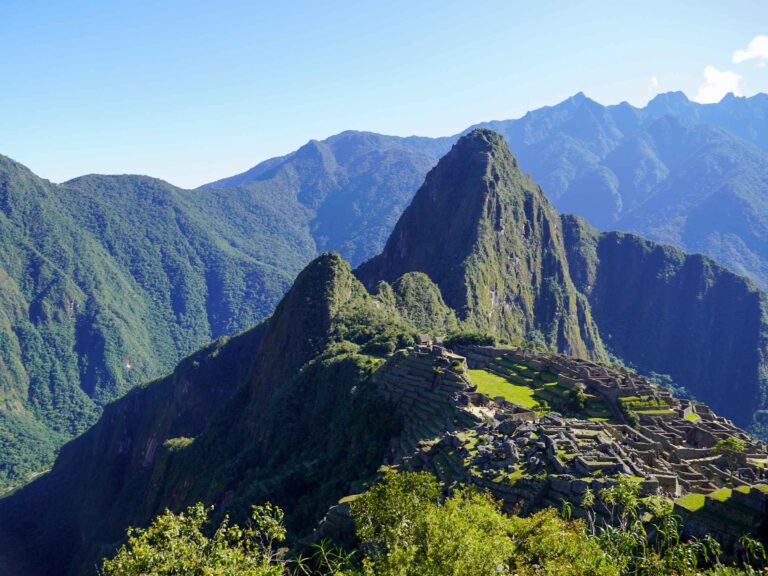
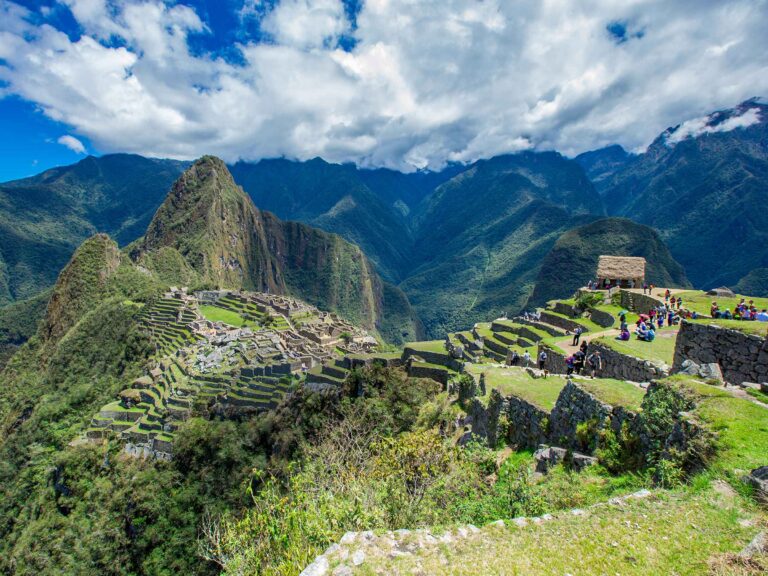
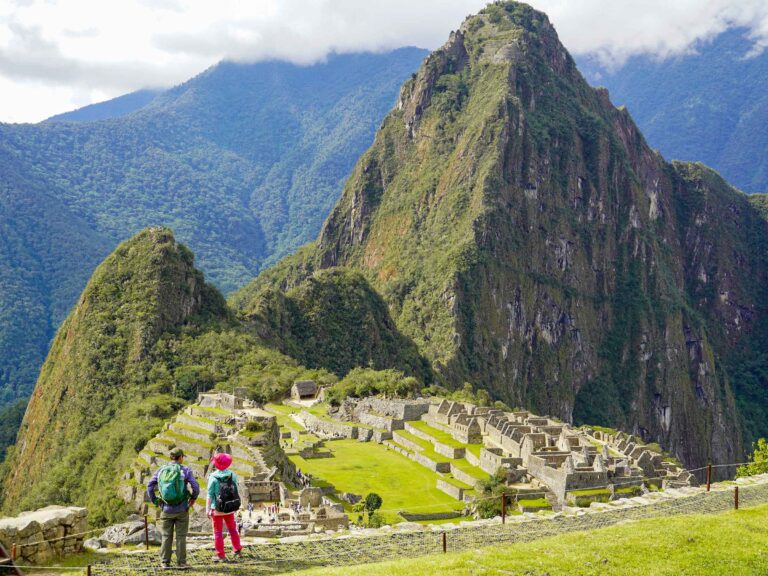
Cusco is also a gateway to the legendary Inca Trail leading to Machu Picchu. Trekking this path is a transformative experience.
- Top attractions in Cusco:
- Plaza de Armas
- Sacsayhuamán fortress
- Santo Domingo Church
- Must-see experiences:
- Inti Raymi festival
- Local markets
- Walking tours
Fill your itinerary with these highlights and discover the soul of Cusco, a city where the past and present dance together.
Plaza de Armas and Historic Center
The heart of Cusco beats at Plaza de Armas. This vibrant square is surrounded by beautiful colonial arcades. Its atmosphere is lively yet profound.
Stroll around to admire the Cathedral of Santo Domingo and the Church of La Compañía de Jesús. Both landmarks showcase exquisite architecture and history.
The historic center tells stories through its cobblestone streets and quaint shops. Each corner presents a new discovery, inviting you to linger and explore further.
San Pedro Market: A Local Experience
San Pedro Market is a sensory overload. It’s the best place in Cusco to mingle with locals and taste regional flavors. The market sells everything from fresh fruits to woven textiles.
Noteworthy foods to sample include tamales and freshly made juices. Vendors cheerfully barter, creating a bustling atmosphere.
- Must-try items at San Pedro Market:
- Exotic fruits
- Handmade alpaca wool items
- Local street food
The market opens early and is busiest in the morning. It’s perfect for breakfast or a hearty Peruvian snack. San Pedro is a vivid taste of Cusco’s cultural diversity.
Museums and Inca Sites in Cusco
Cusco’s museums are treasure chests of history and art. You’ll find exhibits on pre-Columbian artifacts and colonial epochs, offering insight into the region’s complex past.
Koricancha, the Sun Temple, merges Inca and Spanish architecture in a fascinating way. Such sites are plentiful and each tells a unique story.
- Key museums and Inca sites:
- Inca Museum
- Museo de Arte Precolombino
- Qenqo Inca Site
These are essential visits for history enthusiasts. They enrich your understanding of the grandeur and skill of the ancient civilizations. Wander through these museums to fully appreciate Cusco’s incredible heritage.
Chinchero Travel Tips: The Andean Weaving Village
Chinchero is a hidden gem steeped in tradition and natural beauty. This quaint village is renowned for its expert weavers and breathtaking landscapes.
Here, traditions are preserved with a fervent pride. The local community welcomes visitors to witness their craft and partake in their stories.
Chinchero’s market is a vibrant showcase of local culture. Sundays transform the village into a bustling hub of activity and exchange.
The artisans of Chinchero are skilled at creating intricate textiles using techniques passed down for generations. Their vivid blankets and scarves are a testament to the vibrant Andean spirit.
When visiting, be prepared for high altitudes and stunning vistas. Each turn reveals sprawling terraces and snow-capped peaks.
- Things to do in Chinchero:
- Visit the traditional market
- Participate in a weaving workshop
- Explore local trails with mountain views
Local hospitality is warm and inviting. Engaging with the community offers an authentic taste of Andean life.
Chinchero provides a serene escape from the hustle of more tourist-heavy spots. It’s a place where time seems to slow, allowing for full immersion in the culture and landscapes.
Chinchero’s Market and Textiles
On Sundays, Chinchero’s market springs to life. It’s an ideal setting to purchase unique textiles and goods. You’ll find alpaca wool items and handmade crafts.
The market is also perfect for interacting with the villagers. They gladly share the stories behind their products.
- Items to buy at Chinchero Market:
- Colorful textiles
- Traditional hats
- Locally sourced herbs
Textile demonstrations are available, offering insight into the labor-intensive weaving process. Such displays highlight the skill and dedication of Chinchero’s artisans.
Chinchero Archaeological Site and Views
Chinchero is not just about textiles. Its archaeological site is a must-see, presenting impressive Inca terraces. These structures were once used for agriculture.
Surrounding mountains provide a dramatic backdrop, offering panoramic views. These vistas are photo opportunities not to be missed.
While walking through history, the landscape reveals the ingenuity of the Inca civilization. It’s an awe-inspiring experience.
How to Get to Chinchero and What to Expect
Reaching Chinchero is simple from Cusco. A short bus or taxi ride transports you into the heart of this Andean village.
Expect to encounter friendly locals and stunning visuals, a true cultural immersion.
- Travel tips:
- Wear comfortable walking shoes
- Bring extra layers for cooler temperatures
Andahuaylillas Travel Tips: The Sistine Chapel of the Andes
Andahuaylillas is a tranquil town with a rich cultural essence. It’s most famous for the Church of San Pedro, known as the “Sistine Chapel of the Andes.”
This baroque marvel is adorned with intricate murals and gold leaf details. Stepping inside feels like entering a sacred art gallery.
Andahuaylillas is part of the “Ruta del Barroco Andino,” a scenic route showcasing Andean baroque art. This journey takes visitors through stunning artistry and picturesque landscapes.
- Reasons to visit Andahuaylillas:
- Experience unique Andean baroque art
- Enjoy scenic drives through the Southern Valley
- Explore a peaceful town rich in history
The town’s peaceful atmosphere offers a respite from urban hustle. Visitors often find solace and reflection here.
Andahuaylillas is a short drive from Cusco, making it a convenient and rewarding excursion. The town’s calm is best appreciated with a slow, leisurely pace.
While exploring, marvel at how Spanish colonial influences meld with indigenous traditions. This fusion is evident throughout the town.
Taking the time to visit allows for an appreciation of history and culture, intricately woven into each corner.
The Church of San Pedro de Andahuaylillas
The Church of San Pedro is a masterpiece in itself. Its façade is modest, but its interior is breathtaking.
Visitors are greeted with elaborate decorations that testify to the intricate artistry of the era. The murals depict biblical scenes with vivid colors and detailed expressions.
- Highlights of the Church:
- Beautiful murals
- Gold leaf embellishments
- Unique architecture blending cultures
Exploration of this church grants insight into both religious and artistic history. It’s an unforgettable experience that connects past and present.
Exploring the Southern Valley Route
The Southern Valley Route extends beyond Andahuaylillas. It includes notable stops such as the towns of Tipón and Pikillacta.
This route unveils extraordinary views of the valley and is rich in archaeological wonders. Exploring this route is like stepping into a living history book.
Each destination along the way holds stories and architectural feats. It’s an enriching journey through time and space.
Getting to Andahuaylillas and Practical Advice
Accessing Andahuaylillas is simple by car or organized tour. It’s around an hour’s drive from Cusco.
For an ideal experience, wear comfortable clothes and carry water.
- Travel considerations:
- Take cash for entrance fees
- Use sunscreen for protection
San Pedro Travel Tips: Market, Culture, and Local Life
The vibrant San Pedro Market in Cusco is an essential stop for cultural immersion. It pulses with the energy and traditions of local life.
Explore the vast array of stalls, each offering different products and experiences. Engage with friendly vendors who bring this market to life.
Visitors can relish the sights, sounds, and scents that define Peruvian commerce and cuisine here. Every corner reveals a new surprise to the eager traveler.
You can sense the market’s authenticity in every interaction. It’s a dynamic space reflecting the spirit and diversity of Cusco.
Beyond fresh produce, San Pedro Market offers crafted goods and unique souvenirs. Each item holds a story of local craftsmanship.
Absorb local customs and culinary practices by observing and participating in the daily hustle. These connections enhance your travel experiences.
Remember, the market is more than a shopping experience. It’s a journey through Cusco’s rich cultural tapestry.
- Reasons to visit San Pedro Market:
- Discover authentic local foods
- Interact with vibrant community members
- Purchase memorable keepsakes
What to Eat and Buy at San Pedro Market
San Pedro Market is famous for its food stalls offering mouthwatering local dishes. Taste classic Peruvian foods, bursting with flavor.
Sample staples like ceviche, or try adventurous options like cuy, guinea pig. Both showcase Peru’s diverse culinary heritage.
Beyond food, the market boasts an array of items worthy of purchase.
- Items to consider:
- Freshly made juices
- Handwoven textiles
- Colorful Andean crafts
Each purchase supports local artisans and preserves traditional skills.
Navigating the Market and Interacting with Locals
Navigating San Pedro Market is a pleasant adventure. Start by exploring the vast aisles and letting your senses guide you.
Don’t hesitate to greet the vendors with a smile. Their warmth makes interactions feel genuine and insightful.
Engage in brief conversations; many locals are happy to share stories behind their goods and culture.
Safety, Hours, and Insider Tips
San Pedro Market is generally safe, but remain mindful of your belongings.
The market opens early, around 6 AM, offering the freshest produce. Early visits avoid crowds.
- Insider tips:
- Bargain politely for better deals
- Visit with cash for small purchases
Day Trips and Itineraries: Making the Most of Your Time
Cusco serves as a perfect base for numerous fascinating day trips. The surrounding region is rich in natural beauty and cultural landmarks.
An excursion to the Sacred Valley is highly recommended. The lush landscapes and ancient Inca sites create memorable experiences.
For those intrigued by nature, Rainbow Mountain offers a vibrant adventure. This hike rewards travelers with breathtaking vistas.
Chinchero’s charm lies in its market and textiles. A day trip there will offer a glimpse into traditional Andean life.
Andahuaylillas, known for its stunning baroque church, is another worthwhile journey. This quiet town boasts rich artistic and cultural history.
Plan your itinerary to maximize your time in Cusco. Diverse experiences await every type of traveler.
- Possible day trips from Cusco:
- Sacred Valley for landscapes and ruins
- Rainbow Mountain for outdoor exploration
- Visits for cultural immersion:
- Chinchero for artisan markets
- Andahuaylillas for artistic heritage
Each location presents unique opportunities. Exploring them will deepen your appreciation of Peru’s vibrant culture.
Local Cuisine: What to Eat in Cusco, Chinchero, and Beyond
Cuisine in the Cusco region is a delight for the senses. Traditional dishes feature local ingredients and rich flavors. Each area offers unique culinary experiences worth trying.
In Cusco, start with a classic: ceviche. This dish of marinated fish is fresh and zesty. For a hearty meal, lomo saltado mixes beef stir-fry with Peruvian flair.
Chinchero offers a taste of the Andes with chupe de quinoa. This nutritious soup blends vegetables and quinoa, reflecting local farming traditions. Don’t miss sampling the distinct flavors of Andean cheeses.
Venture beyond to sample rocoto relleno, a spicy stuffed pepper delight. Each bite reveals layers of unique tastes tied deeply to regional roots.
Cusco’s markets provide opportunities to try snacks and sweets, too. The popular choclo con queso combines corn with cheese for a simple pleasure. Picarones, sweet fritters, serve as a sweet finale to any meal.
Local beverages such as chicha morada, a non-alcoholic drink made from purple corn, should not be overlooked. Embrace these flavors to fully appreciate Cusco’s rich culinary tapestry.
- Cusco specialties to try:
- Ceviche
- Lomo saltado
- Chinchero flavors:
- Chupe de quinoa
- Andean cheese
Exploring these dishes enriches your journey. Each bite unravels the layers of Peru’s cultural heritage.
Culture, Festivals, and Responsible Tourism
Cusco is a cultural heart, pulsating with traditional and contemporary influences. The city’s festivals are vibrant celebrations of its unique heritage. These events, filled with music and dance, highlight the area’s rich history.
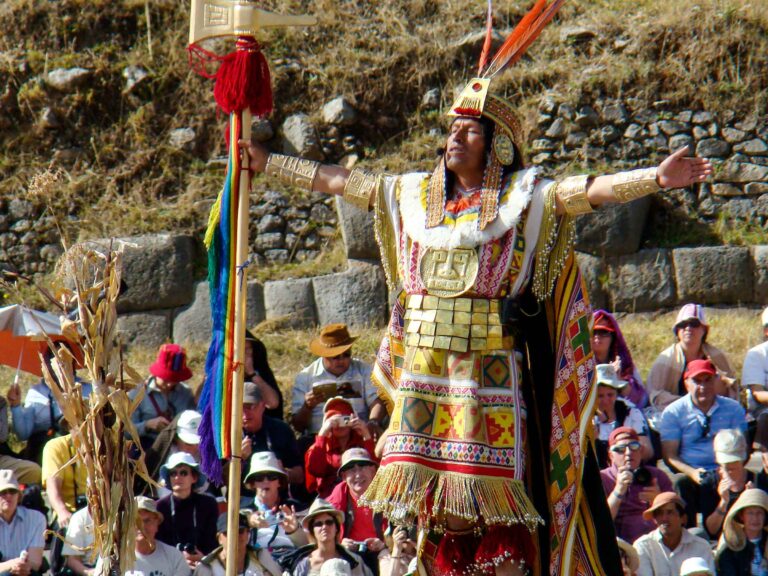
The Inti Raymi festival is one of the most significant. Celebrated in June, it honors the Inca sun god with rituals and parades. This event offers visitors a glimpse into ancient customs and profound beliefs.
While partaking in these festivities, consider the impact of your presence. Engage in responsible tourism to help preserve Cusco’s cultural and natural landscapes. Support local artisans by purchasing authentic crafts over mass-produced items.
Participating respectfully in local customs enriches your experience and shows reverence to the host culture. Eco-conscious decisions, like minimizing waste and conserving resources, contribute positively.
- Key aspects of responsible tourism:
- Support local economies
- Respect cultural norms
- Practice environmental sustainability
Cusco’s festivals are not merely spectacles; they are opportunities to connect with deep traditions. Engage mindfully and allow these experiences to enrich your understanding of this extraordinary region.
Practical Tips: Money, Safety, and Packing
Traveling to Cusco requires some preparations. Being aware of practical travel tips can enhance your trip. Start by sorting out your finances and safety measures.
Ensure you have enough cash in Peruvian Sol for small purchases and tips. Though credit cards are widely accepted, smaller vendors prefer cash. Always have small bills for quick transactions.
Cusco is generally safe, but usual precautions apply. Keep your belongings secure and use a money belt. Stick to well-lit areas, especially after dark.
Packing for Cusco calls for versatility. The climate varies significantly between day and night. Focus on layering your clothes to accommodate shifts in temperature.
Here are suggested items to pack:
- Lightweight rain jacket
- Warm layers for chilly nights
- Sunscreen and hat
In terms of safety gear:
- Comfortable walking shoes
- Personal first aid kit
- Travel lock for security
Prepare thoughtfully to ensure a hassle-free adventure. With these practical tips, you’ll be ready for all that Cusco has to offer.
Frequently Asked Questions About Cusco and Surroundings
Navigating Cusco and its majestic surroundings generates questions. Below are common inquiries addressed:
What is the best time to visit Cusco?
Cusco shines best from May to September. During this dry season, you’ll find optimal weather and vibrant festivals.
How can I manage altitude sickness?
Acclimatize slowly and hydrate often. Local remedies like coca tea can help alleviate symptoms.
What currency is used, and how should I handle payments?
The Peruvian Sol is the local currency. Credit cards are commonly accepted in urban areas; carry cash for remote places.
Is Cusco a safe travel destination?
Yes, generally. Exercise standard caution, safeguard belongings, and avoid isolated areas at night.
What are unmissable attractions near Cusco?
Iconic spots include Machu Picchu, the Sacred Valley, and the Rainbow Mountain.
Can I explore Cusco on a budget?
Certainly! Enjoy street foods, walk around historic sites, and utilize budget accommodations. Traveling wisely keeps costs down.

- Potato Park Pisac
- Sacsayhuaman Megalithic Tour
- Chinchero Ruins Full-Day Tour
- Alternative Tour Ollantaytambo Full-Day
- Day Trip to Pisac + Textiles + Traditional Market
On Sunday, the busiest day, the Chinchero markets seem more authentic than those in Pisac. For the best bargaining opportunities, visit the markets on Tuesdays or Thursdays when they are less crowded. If you’re looking for a lively atmosphere, you can see the more prominent, flashier Pisac Market.
Final Thoughts: Embracing the Spirit of Cusco
Cusco is more than a destination; it’s an experience. Its rich history and vibrant culture captivate every visitor.
Explore with an open heart and respect for local traditions. Engage with the community and learn from their stories.
Each day in Cusco brings new discoveries and insights. From the bustling markets to serene mountain views, there’s magic everywhere.
Remember these takeaways for your journey:
- Immerse in local culture and celebrations.
- Try regional dishes and delight in new flavors.
- Tread lightly; support sustainable tourism.
Cherish every moment and the warmth of Cusco’s spirit. It’s a place that offers much more than sights to see—it provides a way to see life. Embrace its wonders and create memories that last.