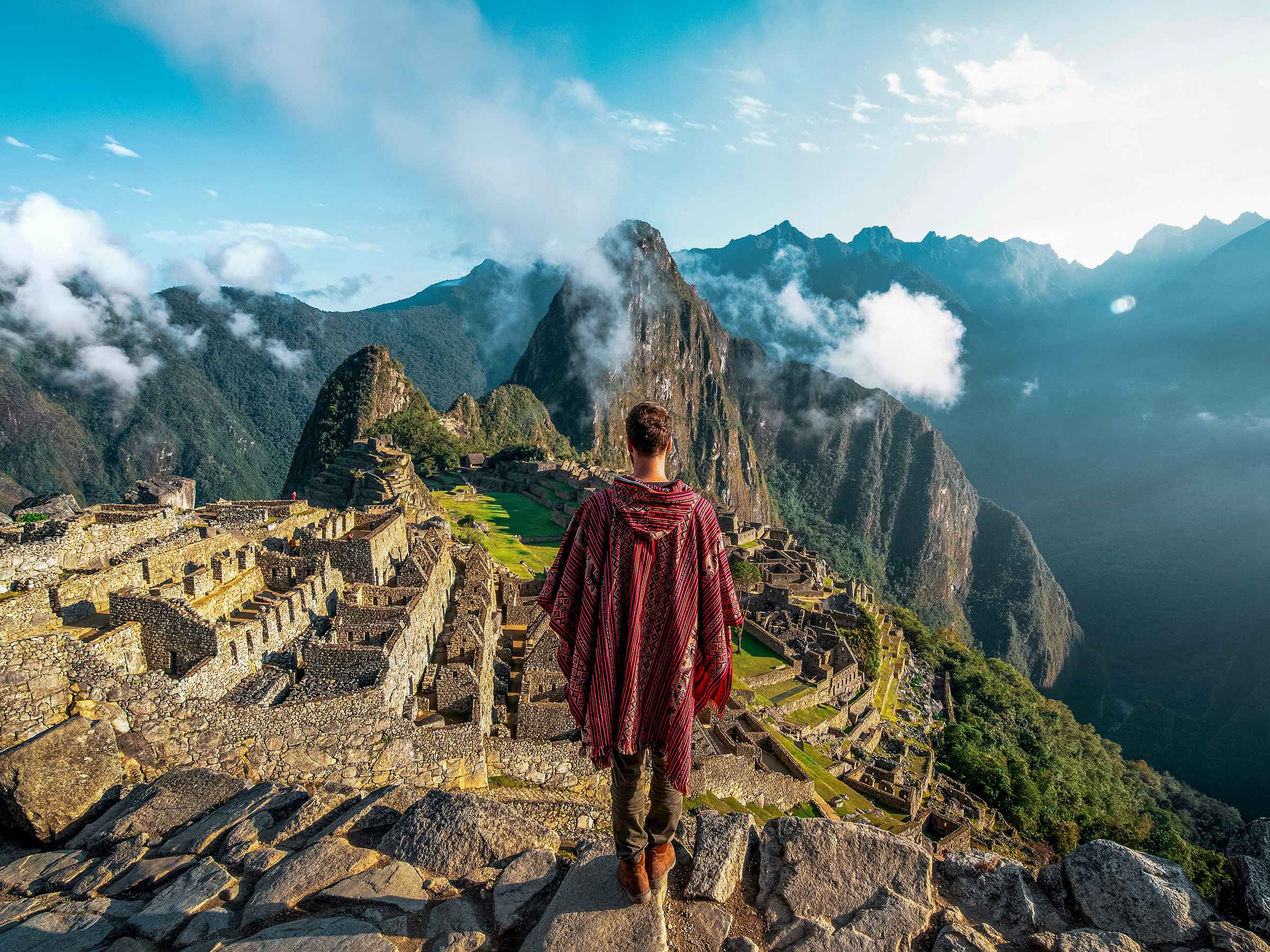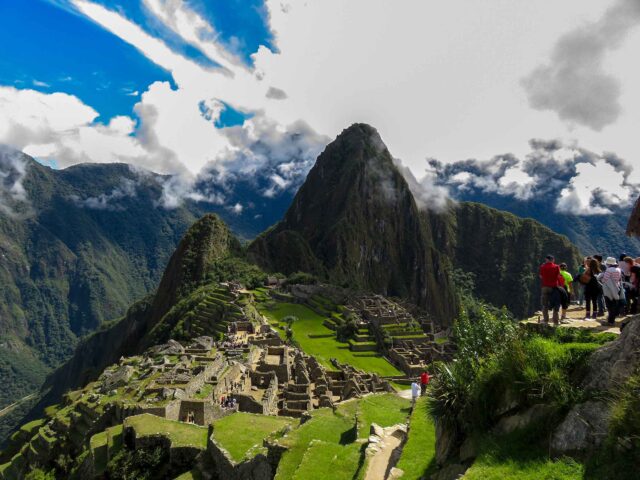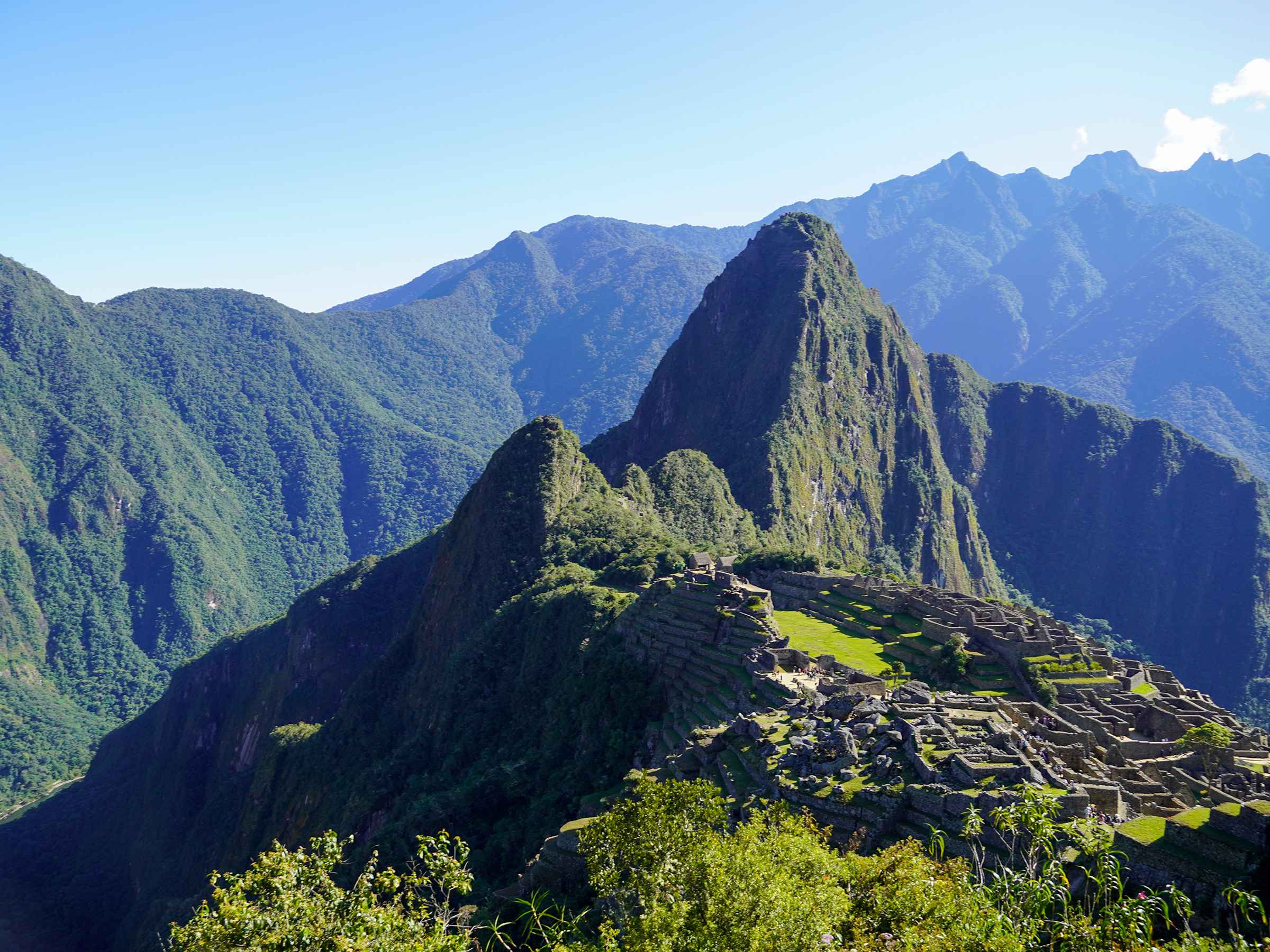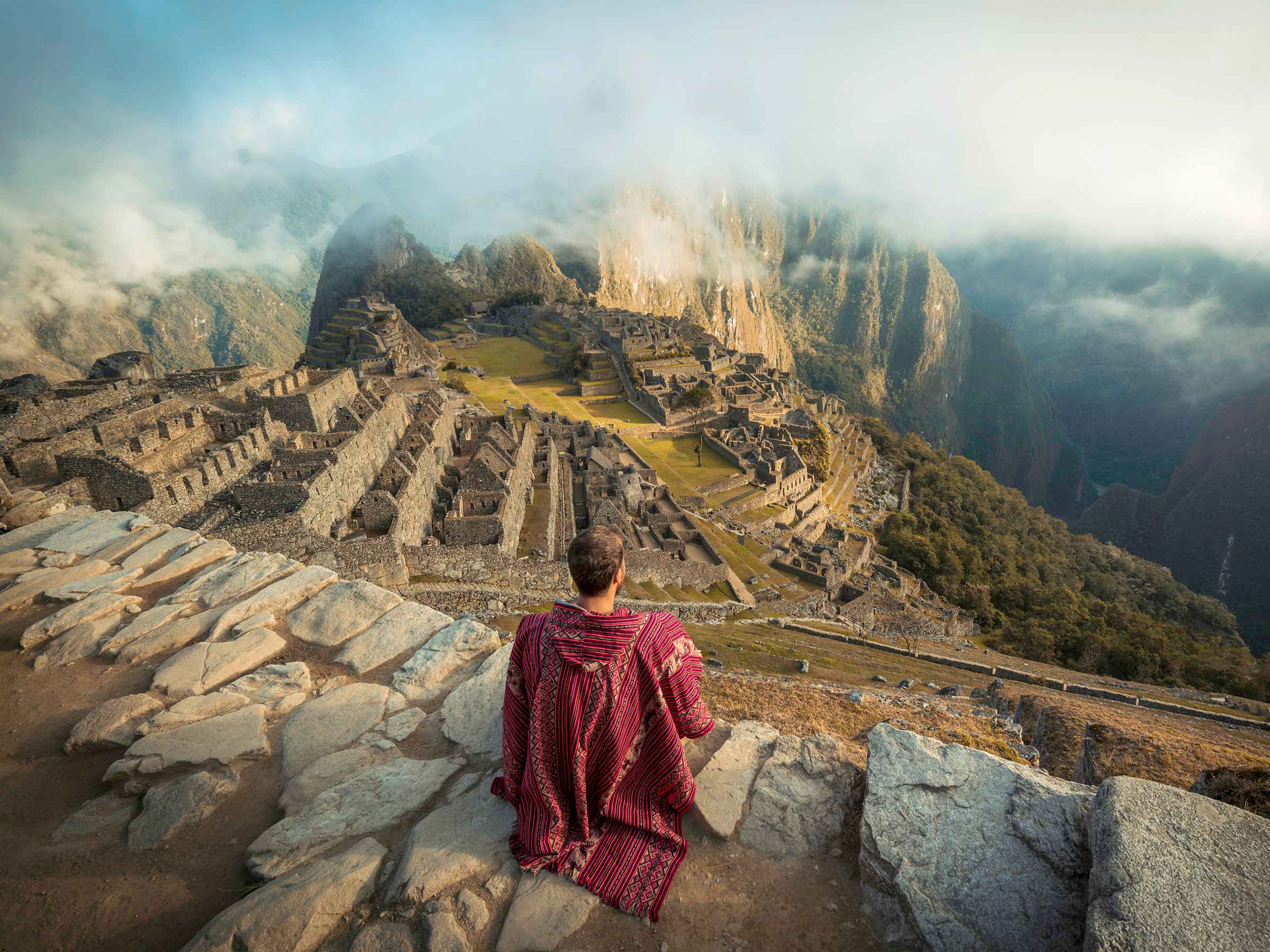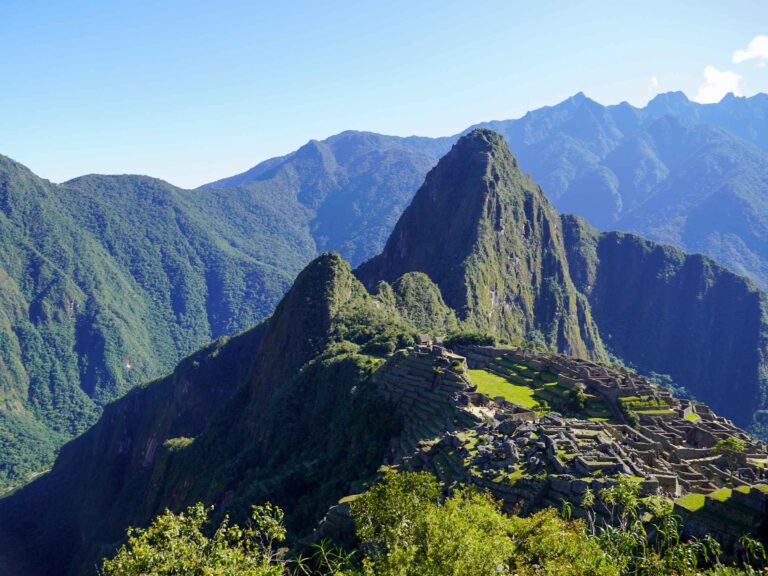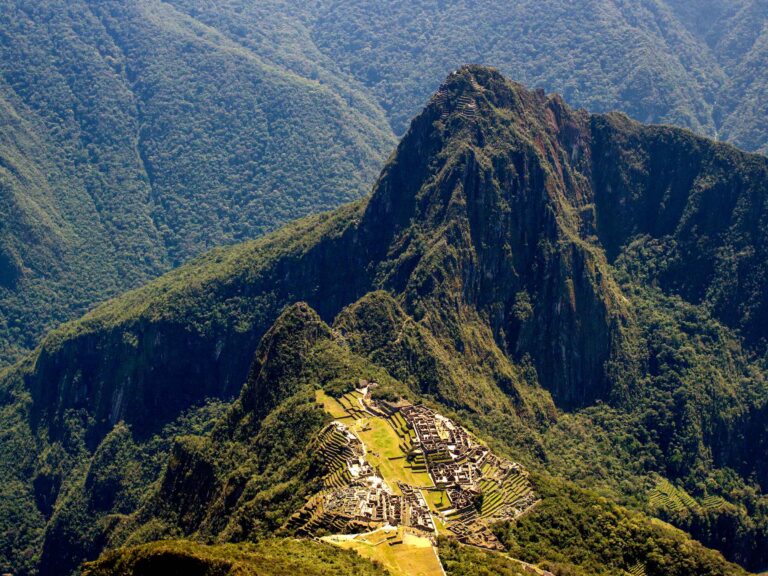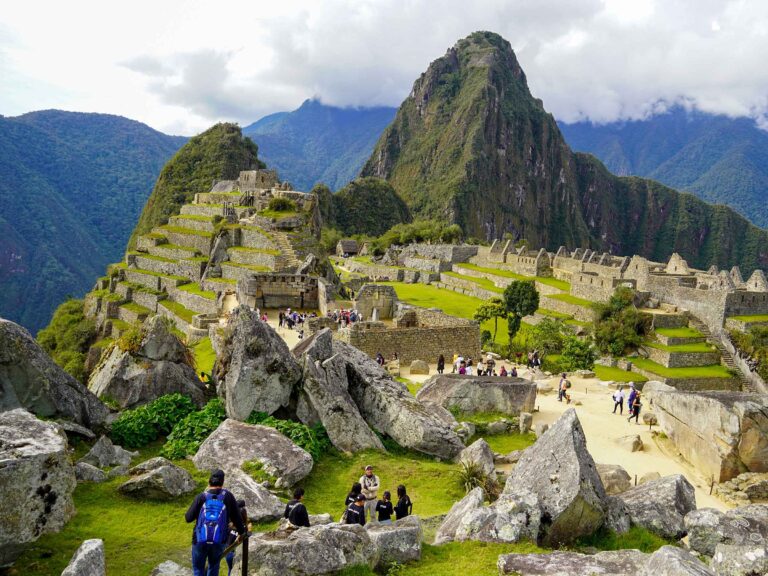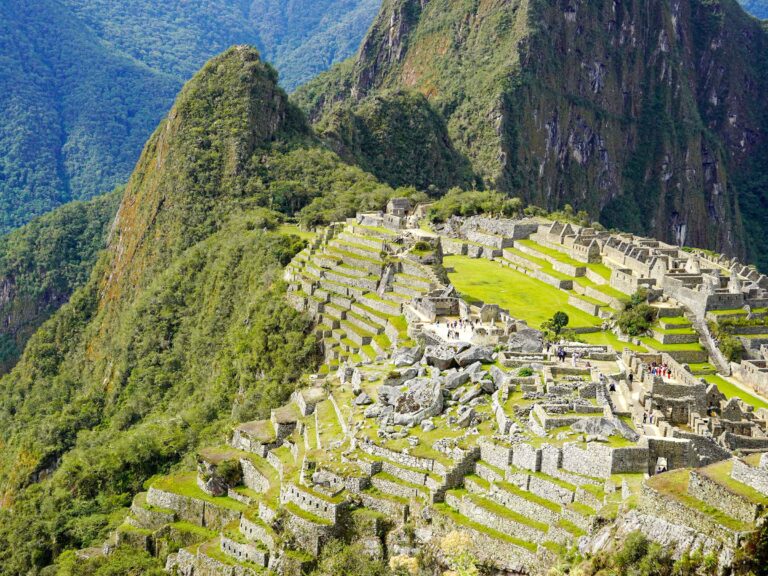

Machu Picchu is a dream destination for many travelers. Nestled in the Andes Mountains of Peru, it offers breathtaking views and rich history.
Choosing the best time to visit can enhance your experience. Weather, crowds, and personal preferences all play a role.
The dry season, from May to September, is popular for its clear skies. However, it also attracts the most tourists.
The wet season, from November to March, offers a different charm. Fewer visitors and lush landscapes can make it appealing.
Each month brings unique weather patterns and experiences. Understanding these can help you plan the perfect trip.
Whether you prefer solitude or vibrant festivals, there’s a time for you.
This guide will explore the best times to visit Machu Picchu. Discover what each season has to offer.

best time to go to machu picchu
Machu Picchu’s weather is quite unique due to its location. Situated in the Andes, it experiences two main seasons: dry and wet.
The dry season, spanning from May to September, is characterized by minimal rainfall and cooler temperatures. This period is often favored by visitors seeking clear skies and pleasant hiking conditions.
In contrast, the wet season lasts from November to March. During these months, rain is more frequent, contributing to Machu Picchu’s lush, green landscapes.
April and October serve as transitional months. They offer a blend of both dry and wet conditions, providing a balance for travelers.
Temperature variations are notable throughout the year. Daytime temperatures tend to be mild, while nighttime temperatures can be pretty cool.
Here’s a quick breakdown of the climate:
Visitors should be prepared for varying weather patterns. Packing appropriately can make your visit more enjoyable. Understanding the climate will help you decide which season is best for your journey. Whether you prefer dry, sunny days or misty, verdant landscapes, Machu Picchu’s climate has something to offer every traveler.

Machu Picchu Tours
Machu Picchu’s climate varies significantly from month to month. Each month offers a different experience, from lush scenery in the rainy season to crystal-clear views in the dry months.
Planning your visit with a month-by-month understanding helps you align your expectations. Let’s explore how the weather changes throughout the year.
Read our Kondor Path TripAdvisor Reviews
January is part of the wet season at Machu Picchu. This month experiences significant rainfall, resulting in lush and green surroundings.
Fewer tourists visit in January, providing a quieter experience. However, the frequent rain can make trails slippery, so caution is advised.
February is one of the wettest months in Machu Picchu. The Inca Trail is closed for maintenance during this period, affecting hiking options.
Rain is frequent and can lead to trail closures. Despite the rain, the fewer crowds offer a peaceful experience around the historic site.
March marks the tail end of the wet season. The weather can be unpredictable, with rain intermixed with sunshine.
Fewer crowds make March an appealing time for those seeking solitude. The landscape is still lush, offering vibrant vistas for photography enthusiasts.
Visitors should be prepared for varied weather. Despite potential downpours, March provides a sense of tranquility not found in peak months.
April marks the transition from the wet to the dry season. The weather is improving, with less rain and more sunny days.
Tourist numbers are beginning to increase, but crowds remain manageable. This month offers a good balance of pleasant weather and fewer visitors.
April’s moderate temperatures make it an ideal month for exploration. This period provides a preview of the forthcoming dry season’s optimal conditions.
May is part of the coveted dry season. Clear skies and mild weather make it one of the best months for visiting.
The landscape is vibrant and excellent for photography. With tourist numbers rising, it is advised to book tickets in advance.
Hiking conditions in May are optimal. The comfortable temperatures contribute to a pleasant experience, ideal for both casual walks and challenging hikes.
June coincides with peak tourist season due to the dry conditions. The weather is cool and dry, providing perfect conditions for exploration.
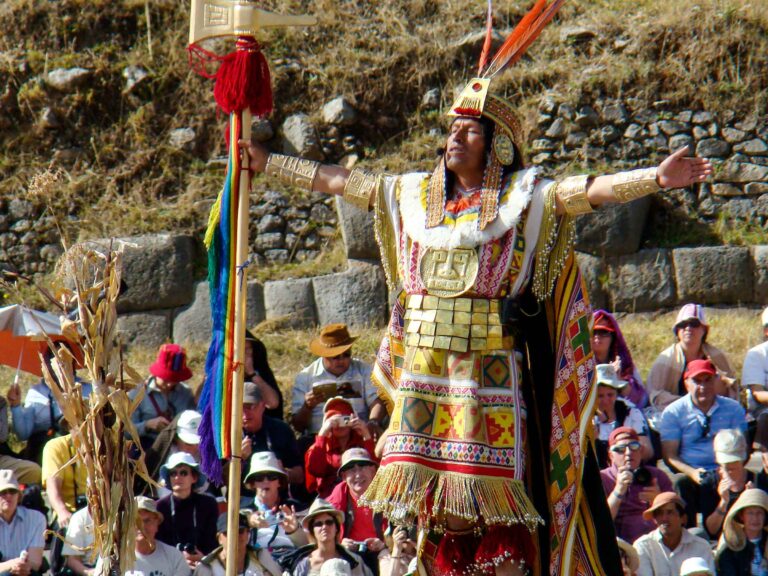
The famous Inti Raymi festival draws large crowds to Cusco, increasing visitor numbers to Machu Picchu. Advanced planning is crucial during this month.
Despite the crowds, June offers exceptional hiking weather. The combination of historical celebrations and clear skies makes it a popular time to visit.
July continues the trend of dry weather with minimal rainfall. The cool temperatures are ideal for trekking.
Visitor numbers remain high, necessitating advance reservations. Popular trails such as the Inca Trail are bustling with activity.
July offers beautiful vistas with clear skies. It’s an excellent time for outdoor enthusiasts drawn to Machu Picchu’s renowned paths.
August offers the tail end of the dry season. This month sees cool, dry weather with fewer chances of rain.
Tourist numbers remain significant, maintaining a lively atmosphere. Booking tickets and accommodations ahead of time is wise.
Hiking and outdoor activities thrive in August’s favorable climate. The consistent weather makes it a prime time for enjoying the site’s beauty.
September serves as a bridge between peak season and lesser crowds. Weather conditions remain dry and pleasant.
Fewer tourists visit than in the preceding months. This can make for a more relaxed exploration of the site.
The combination of clear skies and diminishing crowds offers an attractive balance. September is great for those who want both good weather and a bit of peace.
October marks the start of Machu Picchu’s rainy season. The weather offers a mix of sun and rain, with gradual cooling temperatures.
Visitor numbers decrease slightly, allowing for a quieter experience. The chance of rain increases, enhancing the landscape’s lushness.
October is ideal for those seeking fewer crowds with varied weather. While rain may occur, the natural beauty remains captivating.
November sees an increase in rainfall as the wet season progresses. The lush scenery becomes a significant draw despite frequent showers.
Tourist numbers dwindle, providing a more tranquil experience. Rain is more prevalent, so visitors should come prepared with appropriate gear.
November offers a unique view of Machu Picchu’s vibrant landscapes. Although conditions are wet, the lush environment captivates photographers and nature lovers.
December is characterized by more frequent rains. Despite being part of the wet season, it’s a special time due to the festive atmosphere.
The holiday season brings a unique charm. Celebrations, along with fewer tourists, offer a distinct visit to the site.
While weather conditions are wet, December’s vibrant surroundings and cultural activities add to the allure.

6 day machu picchu tour
BEST SELLING TOUR📍 Cusco City Tour, Pisac, Ollantaytambo, Machupicchu Pueblo, Machu Picchu Ruins, Vinicunca Rainbow Mountain
4-Day / from: USD 485
Winner: 4-Day Machu Picchu Tours from Lima or Cusco 4 Day Machu Picchu Tours—the lost Inca civilization—with our express tour in just four days! Enjoy fun activities, fascinating culture, and…
BEST SELLING TOUR📍 Cusco, Km 82, Llulluchapampa, Dead Woman's Pass, Runkuracay Pass, Phuyupatamarca Pass, Sun Gate, Machu Picchu Ruins
3-Days / from: USD 724
Adventure of 3 Day 2 Night Inca Trail to Machu Picchu For 22026, no Inca Trail operator can offer the three-day hiking circuit, and there is “no camping area. Allowed…
Choosing between the dry and wet seasons depends on individual preferences and priorities. Each season offers distinct advantages, experiences, and challenges.
The dry season, from May to September, is favored by most visitors. This period boasts clear skies, pleasant temperatures, and ideal hiking conditions.
Pros of the dry season include:
However, the dry season also brings challenges like:
Conversely, the wet season, spanning November to March, features fewer visitors and lush, green landscapes. This is perfect for those seeking a more intimate experience.
Pros of visiting during the wet season include:
Yet, challenges exist during this season:
Ultimately, the best choice between seasons hinges on personal preferences. Whether you prioritize solitude and lush scenery or clear skies and bustling energy, Machu Picchu offers a captivating experience year-round.

Understanding crowd dynamics and ticket availability is crucial for planning your Machu Picchu visit. The site experiences varying visitor numbers throughout the year.
During the dry season, particularly from June to August, crowds peak. Many travelers flock to Machu Picchu during these months, driving up ticket demand.
To secure your spot during peak times, purchase tickets well in advance. Early planning ensures availability and access to preferred dates and experiences.
Here’s a quick overview of how crowds fluctuate:
In contrast, the wet season sees a dip in visitor numbers. This results in more flexible ticket options and the chance for spontaneous visits.
Ultimately, balancing your desire for less crowded experiences with ticket availability is key. Adjust your plans based on seasonal crowd trends to enhance your Machu Picchu journey.
Hiking the Inca Trail is a bucket list experience for many travelers. Choosing the right time is essential for a pleasant journey.
The dry season, May through September, offers the best hiking conditions. During these months, trails are dry and skies are clear, providing breathtaking views.
However, June through August is the most popular period. This means more hikers on the trail and increased competition for permits.
To avoid crowds while still enjoying good weather, consider hiking in the shoulder months, April and October. These months offer moderate conditions with fewer hikers.
Here are some hiking considerations for each season:
The Inca Trail requires a permit, often sold months in advance. Plan early to secure your chance to trek this iconic path.
BEST SELLING TOUR📍 Cusco, Pisac, Ollantaytambo, Short Inca Trail, Inti Punku, Machupicchu Pueblo, Machu Picchu Ruins, Cusco City Tour
4-Day / from: USD 557
Celebrate in Machu Picchu New Years Tour 5 Days 5 Days New Year’s Eve in Cusco Peru: If partying on New Year’s isn’t your thing, Machu Picchu definitely will be. Travel…
BEST SELLING TOUR📍 Arequipa City Tour, Chivay Valley, Condor sightings, Sillustani, Puno, Lake Titicaca, Vinicunca Rainbow Mountain, Cusco, Pisac, Cusco City Tour, Chinchero, Moray, Ollantaytambo, Machupicchu Pueblo, Machu Picchu Pueblo
10-Day / from: USD 864
Awe-Inspiring Highlights of Peru’s 10-Day Peru Highlights Tour 10-Day: This travel plan takes you from Arequipa to Lake Titicaca and Machu Picchu. Start your journey in the lower elevations of…
Machu Picchu hosts vibrant events that enhance any trip. These festivals draw visitors eager to experience Peruvian culture.
One standout festival is Inti Raymi in June. Celebrated near Cusco, it honors the Incan sun god with a grand spectacle.
While Machu Picchu itself doesn’t host many festivals, visiting during these times offers unique cultural experiences.
Here’s a brief list of key events:
Planning your visit around these events adds an enriching layer to your journey. Enjoy vibrant traditions and a deeper connection to the region’s rich history.
Machu Picchu offers stunning views year-round. However, certain months enhance your photo and wildlife experiences.
During the dry season, from May to September, clear skies dominate. This results in breathtaking panoramas and vibrant landscapes, ideal for photography.
Wildlife is more visible in the early morning or late afternoon. These times coincide with fewer tourists and softer lighting.
Consider these tips for your visit:
Timing your visit to account for these factors ensures a rewarding experience. Capture the essence of Machu Picchu through your lens, with both natural beauty and wildlife in focus.
Packing smartly for Machu Picchu is essential. The weather varies significantly by season, affecting your wardrobe needs.
For the dry season (May to September), lightweight layers are key. Days are warm, but mornings and evenings can be chilly.
In the wet season (November to March), waterproof gear is crucial. Sudden rain showers are common, so staying dry is a priority.
Consider these items for any visit:
With the right gear, you’ll be prepared for Machu Picchu’s varying conditions. Be ready for both sun and rain to ensure a comfortable and enjoyable visit.
Planning a trip to Machu Picchu involves careful consideration of several factors. Preparation makes for a smooth experience.
Booking in advance is crucial, especially in peak seasons. Tickets to Machu Picchu often sell out quickly.
Consider these tips:
Additionally, choosing accommodation close to your entry point can make your journey easier. Consider staying in Aguas Calientes to reduce travel time.
Finally, familiarize yourself with local customs and guidelines. Respecting regulations ensures a respectful and enjoyable visit. Proper preparation enhances your overall experience at this wonder of the world.
What is the best time to go to Machu Picchu?
This depends on your preferences. The dry season, from May to September, is ideal for clear skies and sunny days.
Can you visit Machu Picchu during the wet season?
Yes, you can. While rain is more frequent from November to March, the site remains accessible, with fewer tourists.
Is the Inca Trail open all year?
No, the Inca Trail closes every February. This is for maintenance and to preserve the natural environment.
How does the weather affect travel plans?
Unpredictable weather can lead to delays, particularly during the rainy season—plan for flexibility in your schedule.
What should I pack for Machu Picchu?
Packing essentials include rain gear for wet months and layers to adjust to temperature changes.
Here’s a quick list for your packing:
These FAQs provide fundamental insights for planning your Machu Picchu visit. Consider both weather and personal preferences for a memorable experience.
Deciding when to visit Machu Picchu depends on your personal priorities. Each season offers unique experiences and opportunities. The dry season offers ideal hiking conditions, with clear skies and comfortable temperatures. However, it also attracts larger crowds.
The wet season, on the other hand, offers a more serene experience. You might face rain, but you’ll encounter fewer tourists, making your visit feel more intimate. The lush green landscapes during this time also offer breathtaking photography opportunities.
Ultimately, the best time to go depends on what you value most: weather, crowd levels, or cultural experiences. Regardless of when you choose to visit, Machu Picchu’s beauty and historical significance promise an unforgettable journey. Plan ahead, stay flexible, and prepare to be amazed by this iconic destination.
Machu Picchu and Hiram Bingham’s Legacy: Rediscovery, Debate, and Historical Impact Machu Picchu, a marvel of Inca engineering,…
Machu Picchu Seismic Design: How Inca Engineering Defied Earthquakes Machu Picchu stands as a marvel of ancient engineering.…
Machu Picchu Terrace Engineering: How the Incas Mastered Mountain Agriculture Machu Picchu stands as a marvel of ancient…
Machu Picchu Quarry Sources: Where the Incas Obtained Their Building Stone Machu Picchu stands as a marvel of…
Machu Picchu Sacred Mountains Guide: Spiritual Meaning of the Andean Landscape Machu Picchu, the renowned 15th-century Incan citadel,…
Aguas Calientes Town: The Charming Gateway to Machu Picchu Nestled in the heart of the Andes, Aguas Calientes…
Peru Altitude Guide Peru is a land of breathtaking landscapes and rich cultural heritage. Its diverse geography includes…
Machu Picchu Climb Machu Picchu is a dream destination for many travelers. Nestled high in the Andes, it…
Discover the Amazing Sacred Valley Cusco Nestled in the heart of the Andes, the Sacred Valley of Cusco…
Cusco Altitude Cusco, a city nestled in the Andes, is renowned for its breathtaking altitude. At 11,152 feet…
Where is Machu Machu Picchu is a name that sparks curiosity and wonder. Nestled high in the Andes…
River rafting stands out in Peru as a must-do for adventure seekers. What Makes Peru Stand Out for…