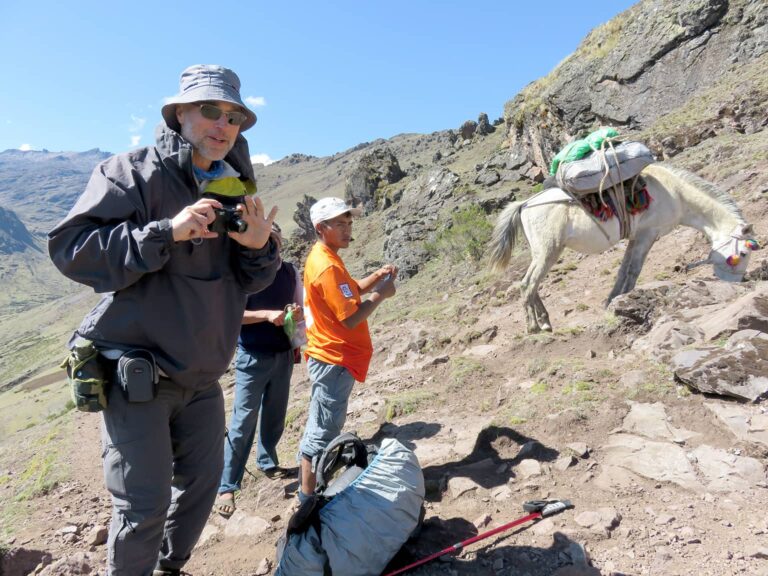
The Lares Trek offers a completely different way to experience the Andes. Instead of focusing on famous ruins or crowded routes, this journey connects you with remote communities, living traditions, and high-altitude landscapes that feel untouched by mass tourism.
If you’re exploring trekking options in Cusco, you can review Lares Trek itineraries to understand how different routes are structured.

A Trek Focused on Living Culture
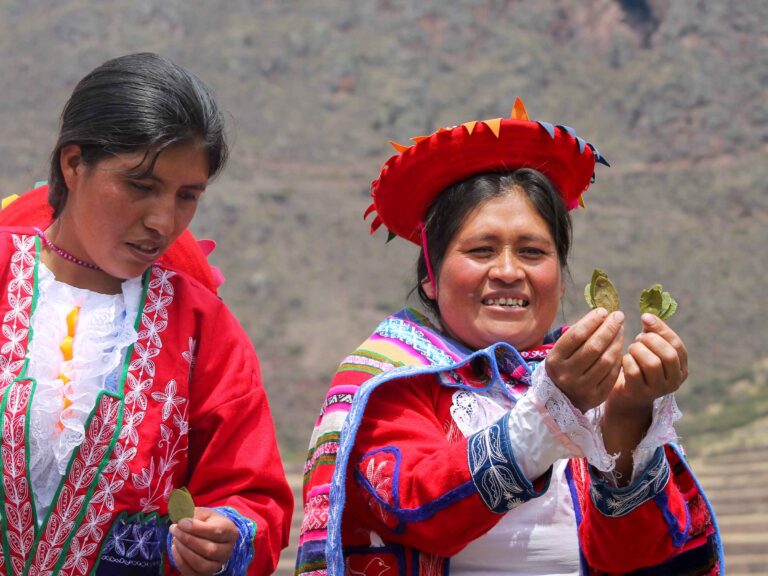
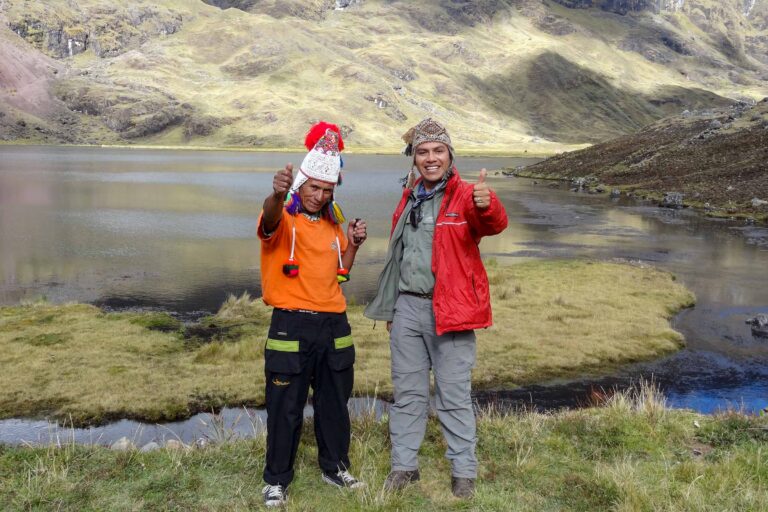
What sets the Lares Trek apart is its strong connection to Andean culture. Along the route, you pass through traditional Quechua villages where daily life continues much as it has for generations.
- Local families wearing traditional clothing
- Communities speaking Quechua
- Ancient weaving and farming traditions
This makes the trek less about ruins—and more about people.
Changing Landscapes Along the Route
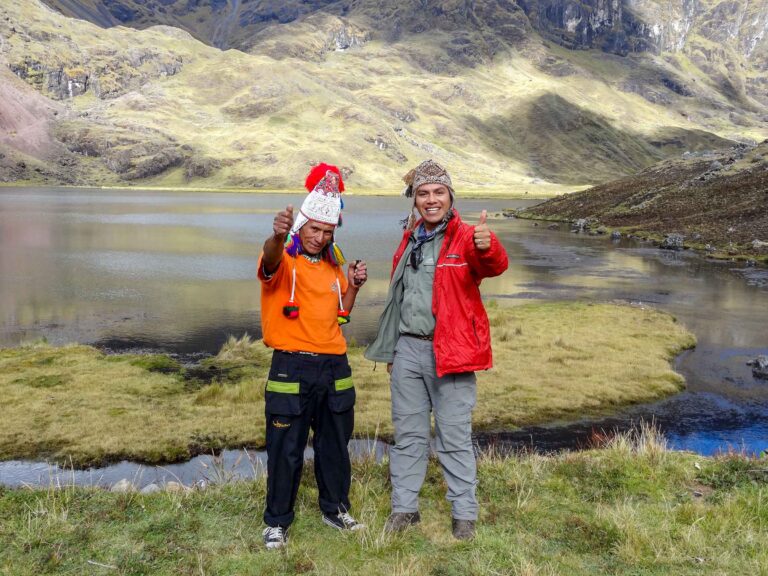
The Lares Valley offers a wide range of natural environments, from green valleys to high mountain passes.
- Glacial lakes surrounded by peaks
- Wide open valleys and grazing alpacas
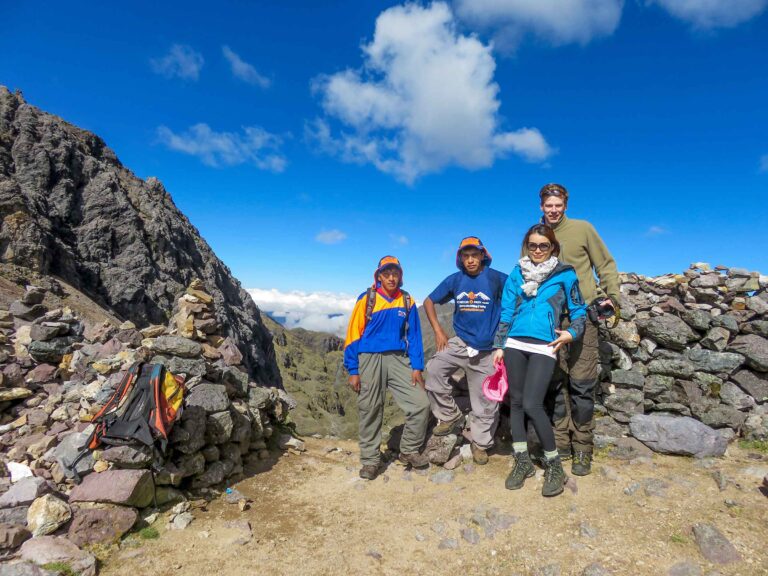
- High-altitude passes with panoramic views
The scenery constantly shifts, creating a dynamic experience from start to finish.
Hot Springs and Local Traditions
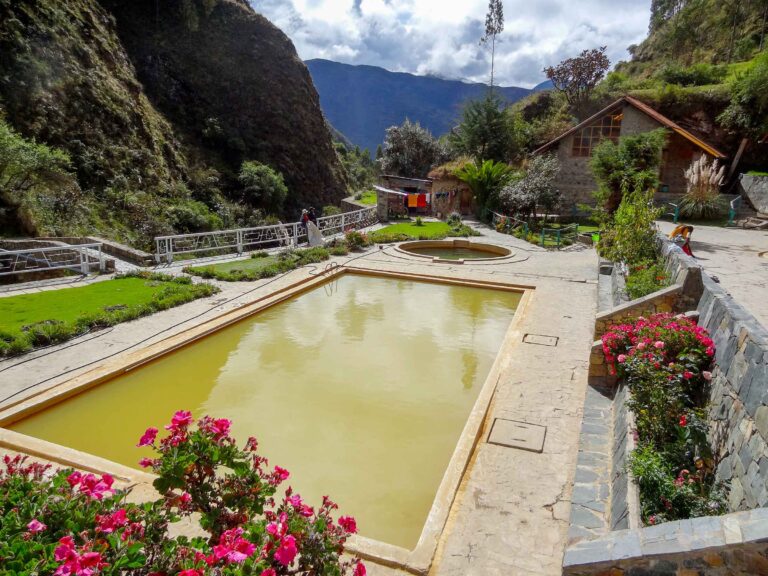
The trek often begins or ends in the town of Lares, known for its natural hot springs. These thermal baths are part of local traditions and offer a relaxing way to start or finish the journey.
For many travelers, this moment becomes one of the most memorable parts of the trek.
How the Lares Trek Compares to Other Routes
Each trek in Cusco offers a different type of experience. The Lares Trek stands out for its cultural focus and quieter trails.
- Inca Trail: history and archaeological sites
- Salkantay Trek: dramatic landscapes and altitude
- Lares Trek: culture and community connection
Compare these trekking options:
Inca Trail
Salkantay Trek
Lares Trek
Difficulty and Duration
The Lares Trek is considered moderate in difficulty, making it accessible to a wider range of travelers.
- 3 to 4 days on average
- High-altitude sections (over 4,000 m)
- Less physically intense than other treks
This balance makes it a strong option for travelers looking for both comfort and adventure.
Best Time to Visit
The best time to hike the Lares Trek is during the dry season (April to October), when weather conditions are more stable, and views are clearer.
The rainy season offers greener landscapes but more unpredictable conditions.
Why Choose the Lares Trek
The Lares Trek is ideal for travelers who want more than just a hike. It offers a deeper connection with the Andes through culture, landscapes, and meaningful local interactions.
Looking for a more authentic trekking experience?
Explore Lares Trek itineraries and choose the route that fits your travel style and timeframe.