
Essential Tips for Traveling to Peru While Pregnant: A Guide for Expectant Moms
Traveling while pregnant can be an exhilarating yet daunting experience, especially when it comes to a vibrant and diverse destination like Peru. From the breathtaking heights of the Andes to the lush Amazon rainforest, this South American gem offers a wealth of experiences that expecting mothers shouldn’t miss. However, ensuring a safe and enjoyable trip requires some thoughtful planning and awareness of your unique needs. In this guide, we’ll share essential tips tailored for moms-to-be, equipping you with the knowledge you need to navigate popular landmarks, local cuisines, and altitude challenges. Whether you’re dreaming of exploring Machu Picchu’s ancient ruins or savoring flavors in Lima’s food scene, our insights will help you embrace the adventure while prioritizing your health and comfort. Let’s dive into the essentials of traveling to Peru during pregnancy and help you make unforgettable memories on this incredible journey.
Being pregnant does not impede enjoying travel to Peru. Still, you should be aware of a series of tips and recommendations before traveling. This way, you will not endanger your health or your future baby, and you can travel pregnant without a significant problem.
CAN I travel while pregnant?
Yes, you can travel while pregnant. The best time is between weeks 12 and 28 in the second trimester, depending on each woman’s individual situation and her gynecologist’s recommendations.
Traveling from the 34th week of pregnancy is not recommended, as during that period, you need to rest a lot and move less. However, your doctor should consider whether you can travel safely.
If you travel while pregnant from the seventh month, you must carry all documentation on the pregnancy’s progress.
TIPS TO TRAVEL BEING PREGNANT
If you are a pregnant traveler, these general tips may be handy:
- Wear comfortable clothing throughout the trip.
- Place the seat belt below the belly.
- Drink lots of fluids, especially if you travel to warm areas.
- Avoid carrying luggage or heavy objects.
- Get up and walk briefly or move your legs during the trip.
- Try to travel accompanied.
- However, above all, consult your doctor before traveling and obtain a travel permit.
- Depending on the means of transport you will travel with the pregnant woman, you should consider some recommendations or others.

Tips for Traveling to Peru Pregnant
Understanding the Challenges of Traveling While Pregnant
Traveling while pregnant, especially to a destination as diverse and dynamic as Peru, presents a unique set of challenges that require careful consideration. The physical demands of travel, combined with the natural changes your body undergoes during pregnancy, necessitate planning with extra care. For instance, long flights and potential layovers can be taxing, and prolonged periods of sitting can increase the risk of blood clots. Therefore, it’s crucial to stay hydrated, move around, and wear compression socks to promote circulation. Additionally, the altitude in some regions of Peru, such as Cusco and Machu Picchu, can pose significant challenges due to reduced oxygen levels, which may exacerbate pregnancy symptoms like shortness of breath and dizziness.
Moreover, the healthcare infrastructure in Peru varies significantly from urban to rural areas. While cities like Lima and Cusco offer modern medical facilities, more remote regions may lack immediate access to high-quality healthcare. This discrepancy necessitates thorough preparation and awareness of the closest medical facilities relative to your itinerary. Ensuring you have a comprehensive travel insurance plan that covers pregnancy-related issues and access to reliable healthcare providers can alleviate much of this concern. Furthermore, carrying a detailed medical history and a list of emergency contacts can be invaluable in case of unexpected health issues.
Traveling while pregnant also means being more vigilant about your diet and hygiene practices. The risk of foodborne illnesses, which can be more harmful to pregnant women and their unborn babies, is higher in some regions. Therefore, it’s essential to be cautious about what you eat and drink. Sticking to bottled water, thoroughly cooked foods, and avoiding raw or undercooked dishes can help mitigate these risks. Understanding these challenges and preparing for them can make your journey to Peru much smoother and more enjoyable.
When is the Best Time to Travel to Peru During Pregnancy?
Deciding the best time to travel to Peru during pregnancy involves balancing the optimal stages of pregnancy with the best seasons to visit the country. Generally, the second trimester, between 14 and 28 weeks, is considered the safest and most comfortable time for pregnant women to travel. During this period, the risk of miscarriage has significantly decreased, and most women experience a resurgence of energy and a reduction in early pregnancy symptoms such as morning sickness. This makes the second trimester an ideal window for travel.
In terms of the best seasons to visit Peru, the dry season, which runs from May to September, is particularly appealing. This period coincides with winter in Peru, offering pleasant weather conditions ideal for outdoor activities and exploration. The dry season is also the peak tourist season, meaning popular destinations like Machu Picchu and the Sacred Valley will be more accessible and less hampered by weather-related issues. However, it’s essential to book accommodations and transportation well in advance, given the high volume of tourists during this time.
If you prefer to avoid the crowds, traveling during the shoulder seasons —April and October —can also be rewarding. The weather is still relatively mild, and with fewer tourists, it’s easier to navigate popular sites without feeling overwhelmed. However, it’s essential to avoid the rainy season, particularly from November to March, as heavy rains can lead to travel disruptions, landslides, and generally uncomfortable travel conditions, which can be particularly challenging when pregnant. By planning your trip during the second trimester and choosing the most favorable seasons, you can maximize your comfort and enjoyment while minimizing potential risks.
Essential Health Considerations for Pregnant Travelers
Before embarking on your journey to Peru, it’s imperative to consider various health aspects to ensure a safe and comfortable trip. Consulting with your healthcare provider is the first crucial step. Your doctor can assess your overall health, provide necessary vaccinations, and offer personalized advice tailored to your pregnancy stage and medical history. They may also prescribe medications for altitude sickness, which can be particularly useful when visiting high-altitude regions, such as Cusco or the Sacred Valley.
It’s also essential to carry a well-stocked travel health kit tailored to your needs. This should include prenatal vitamins, any prescribed medications, over-the-counter remedies for common ailments, and essential first aid supplies. Including items such as anti-nausea medication, rehydration salts, and a thermometer can be particularly helpful. Additionally, carrying a copy of your medical records, including details of your pregnancy, can be invaluable in case of a medical emergency. Ensure these records are translated into Spanish to facilitate communication with local healthcare providers.
Staying hydrated and maintaining a balanced diet are critical during your travels. Dehydration can exacerbate pregnancy symptoms and increase the risk of complications, so drinking plenty of bottled water is essential. When it comes to food, prioritize well-cooked meals, fresh fruits, and vegetables that you can peel yourself, and avoid street food to reduce the risk of foodborne illnesses. Regular meals and snacks will help maintain your energy levels and prevent dizziness or nausea. Moreover, taking breaks to rest and avoiding overexertion is essential to prevent exhaustion and ensure you enjoy your trip to the fullest.
Packing Tips for Expectant Moms Traveling to Peru
Packing efficiently and thoughtfully is key to ensuring a comfortable and enjoyable trip to Peru while pregnant. Start by selecting the right luggage; a lightweight, easy-to-carry suitcase or backpack will be more manageable, especially if you need to navigate stairs or uneven terrain. Packing cubes can help keep your belongings organized, making it easier to find what you need without having to rummage through your entire bag.
When it comes to clothing, prioritize comfort and versatility. Lightweight, breathable fabrics are ideal for Peru’s varying climates, and layering is essential to accommodate the temperature changes between day and night, especially in high-altitude regions. Comfortable walking shoes with good support are a must, as you’ll likely be doing a fair amount of walking. Additionally, consider packing a maternity support belt, which can provide extra support for your back and abdomen during long walks or hikes. Don’t forget essentials like a wide-brimmed hat, sunglasses, and a high SPF sunscreen to protect yourself from the sun.
In addition to your travel health kit, packing comfort items can make a significant difference. A travel pillow, especially one that provides support for your neck and back, can enhance your comfort during flights and long bus rides. Compression socks are also highly recommended to promote circulation and reduce swelling during long periods of sitting. Lastly, don’t forget to pack some relaxation items, such as a good book, a journal, or a tablet loaded with your favorite movies or shows, to help you unwind during downtime. By packing thoughtfully, you can ensure that you have everything you need to stay comfortable and healthy throughout your trip.
Safe Destinations in Peru for Pregnant Travelers
Peru is home to a diverse array of destinations that offer unique experiences while being relatively safe and accessible for pregnant travelers. Lima, the vibrant capital city, is an excellent starting point. Known for its rich history, culinary excellence, and coastal beauty, Lima offers a variety of attractions without the challenges of high altitude. You can explore the historic center, a UNESCO World Heritage site, enjoy world-class dining experiences, and take leisurely walks along the Miraflores boardwalk for stunning views of the ocean.
Cusco, the historic capital of the Inca Empire, is another must-visit destination, though it requires some precautions due to its high altitude. To acclimate properly, consider taking it easy for the first couple of days, staying well-hydrated, and avoiding strenuous activities. Once acclimated, you can explore the charming cobblestone streets, visit the impressive Qorikancha temple, and enjoy the vibrant local markets. The nearby Sacred Valley, with its lower altitude and stunning scenery, offers a more relaxed pace. Towns like Pisac and Ollantaytambo provide opportunities to explore ancient ruins, experience local culture, and discover handicrafts in a serene setting.
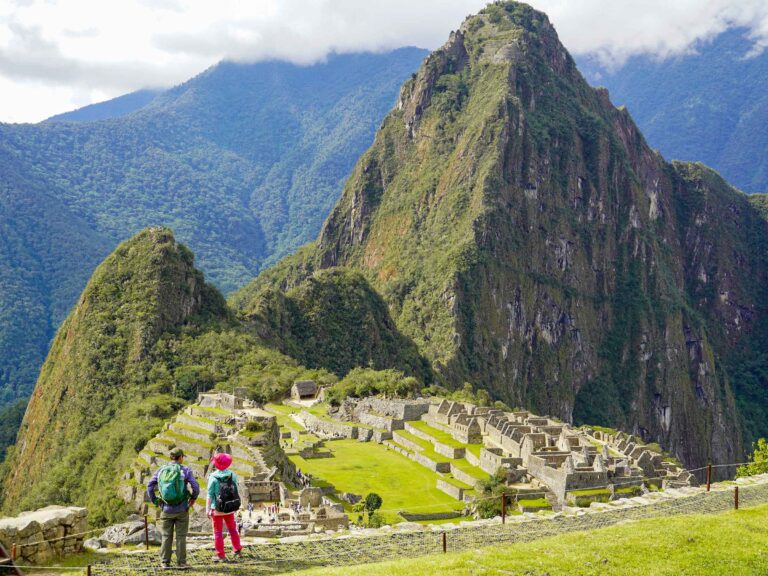
Machu Picchu, the crown jewel of Peru, can be visited with careful planning and preparation. While the classic Inca Trail may be too strenuous, the train journey to Aguas Calientes and the bus ride up to the site offer a more manageable way to visit this iconic landmark. Once there, take your time exploring the terraces and temples, soaking in the breathtaking views. For a more relaxed experience, consider the coastal town of Paracas and the nearby Ballestas Islands, often referred to as the “Galapagos of Peru,” where you can enjoy boat tours to see diverse marine wildlife without extensive physical exertion. By choosing destinations that align with your comfort and health, you can fully enjoy the rich experiences Peru has to offer.
Transportation Options in Peru: What to Know
Navigating transportation in Peru requires some planning, especially when traveling while pregnant. Domestic flights are a practical option for covering long distances quickly, with major airlines offering regular flights between key cities like Lima, Cusco, and Arequipa. When booking flights, opt for reputable airlines and consider direct routes to minimize travel time and the number of layovers. Requesting an aisle seat can provide easier access to restrooms and the ability to stretch your legs periodically, which is essential for maintaining circulation.
For shorter distances, buses are a standard mode of transport, with several companies offering comfortable and reliable services. Companies like Cruz del Sur and Oltursa provide reclining seats, onboard restrooms, and even meal services on longer routes. However, it’s advisable to avoid night buses, as the winding mountain roads can make for a bumpy and uncomfortable ride, which can be particularly challenging during pregnancy. Instead, opt for daytime travel to enjoy the scenic views and ensure a more pleasant journey.
Taxis and ride-sharing services, such as Uber, are widely available in urban areas and can be a convenient option for shorter trips within cities. It’s essential to use only registered taxis or reputable ride-sharing services to ensure safety. In more remote areas, arranging transportation through your accommodation can provide an extra layer of security. Additionally, if you plan to explore at your own pace, renting a car is an option. However, it’s essential to be aware of the road conditions and driving customs in Peru, which can differ significantly from those in other countries. By understanding the transportation options and planning accordingly, you can ensure a smoother and more comfortable travel experience.
Food and Water Safety Guidelines for Pregnant Travelers
Ensuring food and water safety is paramount for pregnant travelers to Peru, as the risk of foodborne illnesses can pose significant health threats to both the mother and the unborn baby. One of the most critical guidelines is to drink only bottled or boiled water. Tap water in Peru is not safe for drinking, so always opt for bottled water and use it for brushing your teeth as well. Avoid ice cubes, as they are often made from tap water. Ensure that the seal on bottled water is intact before consuming it to guarantee its safety.
When it comes to food, it’s best to eat at reputable restaurants and avoid street food, which may not adhere to the same hygiene standards. Stick to well-cooked meals and avoid raw or undercooked dishes, including salads, ceviche, and unpasteurized dairy products. Fresh fruits and vegetables that can be peeled, such as bananas and oranges, are generally safe options. Additionally, it’s wise to be cautious with seafood and meat dishes, ensuring they are thoroughly cooked to avoid any potential contamination.
Maintaining a balanced diet is also crucial. Incorporate a variety of nutrient-rich foods to support your health and the development of your baby. Consider bringing some non-perishable snacks from home, such as nuts, dried fruits, and whole-grain crackers, to have healthy options readily available. Staying hydrated and eating regular, balanced meals will help you maintain your energy levels and prevent common pregnancy-related issues, such as dizziness and fatigue. By following these guidelines, you can enjoy the diverse culinary delights of Peru while safeguarding your health and well-being.
Activities to Enjoy in Peru While Pregnant
Peru offers a wide range of activities that can be enjoyed safely and comfortably by pregnant travelers, allowing you to experience the country’s rich culture, history, and natural beauty without overexertion. One of the most relaxing activities is exploring the vibrant markets found in cities like Cusco and Lima. These markets are a treasure trove of local crafts, textiles, and souvenirs, providing an opportunity to immerse yourself in Peruvian culture while taking it easy. The San Pedro Market in Cusco, for example, offers a colorful and sensory experience with its array of fresh produce, artisanal goods, and traditional foods.
Guided tours of historical sites are another excellent option. Many tour operators offer private or small group tours, which can be tailored to your pace and interests. Exploring the ancient ruins of Machu Picchu, the colonial architecture of Cusco, or the archaeological wonders of the Sacred Valley can be both enriching and manageable with a knowledgeable guide who can provide valuable insights while ensuring you don’t overexert yourself. Opt for tours that focus on the cultural and historical aspects rather than physically demanding activities.
For nature lovers, the serene landscapes of the Sacred Valley and the coastal beauty of Paracas provide perfect backdrops for leisurely walks and relaxation. The Paracas National Reserve, known for its stunning desert landscapes and diverse wildlife, offers gentle boat tours to the Ballestas Islands, where you can observe sea lions, penguins, and a variety of seabirds. These tours are typically short and can be enjoyed without extensive physical activity. By choosing activities that align with your comfort and health needs, you can fully appreciate the wonders of Peru while ensuring your well-being.
Preparing for Medical Emergencies While Traveling
While no one likes to think about medical emergencies during a trip, being prepared is essential, especially when traveling while pregnant. The first step is to ensure you have comprehensive travel insurance that covers pregnancy-related issues and medical emergencies. Review the policy details to understand what is covered, including emergency medical evacuation, which can be crucial in remote areas. Keep a copy of your insurance information readily accessible, along with emergency contact numbers.
Before you travel, research the medical facilities available in the areas you plan to visit. In major cities like Lima and Cusco, there are modern hospitals and clinics with English-speaking staff. However, in more remote regions, medical facilities may be limited. Knowing the location of the nearest hospital or clinic, as well as the route to it, can save valuable time in an emergency. Additionally, it’s a good idea to carry a basic medical kit that includes your prescribed medications, prenatal vitamins, and essential first aid supplies. Include items like anti-nausea medication, antiseptic wipes, bandages, and a digital thermometer.
Communication is key in an emergency, so ensure you have a reliable way to contact local medical services and your healthcare provider back home. Carry a mobile phone with international roaming or a local SIM card, and save essential contacts in your phone. If you don’t speak Spanish, having a translation app or phrasebook can help you communicate your needs. Finally, inform your travel companions and guides about your pregnancy and any medical concerns so they can assist you promptly if needed. By preparing for medical emergencies, you can travel with greater peace of mind, knowing you are ready to handle any situation that may arise.
Conclusion: Embracing the Journey to Peru as an Expectant Mom
Traveling to Peru while pregnant may seem daunting, but with careful planning and consideration, it can be an enriching experience that creates lasting memories. Understanding the challenges and preparing for them ensures that you can enjoy the vibrant culture, breathtaking landscapes, and rich history of Peru without compromising your health and comfort. From choosing the best time to travel and packing thoughtfully, to selecting safe destinations and activities, every step of the journey can be tailored to your needs as an expecting mom.
Peru offers a wealth of experiences that can be enjoyed at a relaxed pace, allowing you to savor the beauty and uniqueness of this South American gem. Whether you’re exploring the bustling markets of Cusco, marveling at the ancient ruins of Machu Picchu, or enjoying the coastal serenity of Paracas, there are countless opportunities to connect with the local culture and landscape in a way that is both safe and fulfilling. By following the essential tips outlined in this guide, you can navigate your trip with confidence, ensuring a safe and enjoyable adventure for both you and your baby.
Ultimately, embracing the journey to Peru as an expecting mom is about balancing adventure with self-care. With proper preparation and the right mindset, you can create unforgettable memories while prioritizing your health and well-being. So pack your bags, consult with your healthcare provider, and get ready to embark on an incredible journey that celebrates both the joy of travel and the anticipation of motherhood.