
Exploring the Inca Trail Regulations since 2002: Essential Regulations & Changes. You Need to Know
Trekking the Inca Trail is more than just a hike; it’s a journey through history, culture, and breathtaking landscapes. Since the early 2000s, however, navigating this ancient path has become increasingly regulated. With visitor numbers soaring, Peru’s government has implemented essential measures to protect this UNESCO World Heritage site and ensure a sustainable environment for future explorers. Whether you’re a seasoned hiker or embarking on your first long-distance trek, understanding these regulations is vital to making the most of your adventure. From permit requirements to trail access, staying informed can help you avoid surprises and enhance your experience. Join us as we delve into the essential regulations and changes surrounding the Inca Trail since 2002, ensuring you’re equipped with the knowledge needed for a seamless journey through the stunning Andean landscapes and into the rich heritage of the Inca civilization. Lace up your hiking boots; an unforgettable adventure awaits!
Between 1996 and 2001, 1,500 people started the Classic Inca Trail daily, beginning at Km 88 of the railway. Today, it is limited to 500 foreign walkers, including porters.
UNESCO
These regulations limit the number of hikers and prevent them from trekking the Trail independently.
Payment of entrance fees:
This ticket is personal and non-transferable and includes the entrance fee to Machu Picchu Park. Under no circumstances will payments be reimbursed.
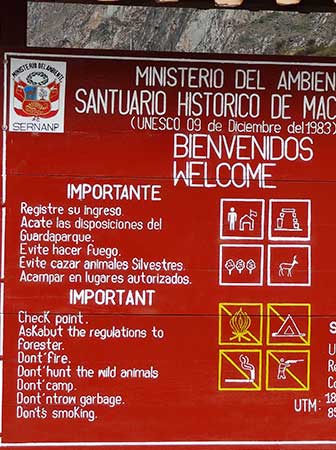
Overview of the Inca Trail Regulations
The Inca Trail, a testament to the ancient Inca civilization’s ingenuity, is one of the world’s most sought-after trekking routes. Stretching approximately 42 kilometers from the Sacred Valley to Machu Picchu, this trail offers a unique blend of historical wonder and natural beauty. The trail traverses diverse ecosystems, from dense cloud forests to alpine tundra, culminating at the awe-inspiring Machu Picchu. However, due to its popularity and the delicate nature of its environment, regulations have become essential to preserving its integrity.
Before 2002, the Inca Trail was relatively unregulated, with thousands of trekkers making the journey each year with little oversight. The lack of control led to significant wear and tear on the trail, littering, and potential damage to archaeological sites. Recognizing the need to protect this invaluable heritage, the Peruvian government, with UNESCO’s support, introduced a series of stringent regulations to conserve the trail while ensuring a safe and enjoyable experience for trekkers.
Today, the Inca Trail regulations cover various aspects, including the number of permits issued, the requirement for licensed tour operators, and the implementation of strict environmental and cultural preservation protocols. These measures are designed to mitigate the impact of tourism on the trail and its surroundings, ensuring that future generations can continue to marvel at this remarkable path. Understanding these regulations is crucial for anyone planning to embark on this iconic trek.
Key Changes in Regulations Since 2002
The year 2002 marked a turning point for the Inca Trail, as the Peruvian government introduced significant changes to its management. One of the most critical changes was the introduction of a permit system. To control visitor numbers, the government capped the daily number of permits issued at 500, including for trekkers, guides, and porters. This cap ensures the trail does not become overcrowded, allowing for a more intimate, less damaging experience.
Another essential regulation introduced was the requirement for all trekkers to be accompanied by a licensed tour operator. This measure ensures that visitors receive proper guidance and that the regulations are adhered to. Licensed operators are responsible for educating trekkers about the cultural and environmental significance of the trail, promoting responsible trekking practices, and ensuring safety protocols are followed.
Additionally, the regulations mandated improvements in waste and sanitation management along the trail. Tour operators are now required to carry out all waste generated during the trek, and specific campsites have been designated to minimize environmental impact. These measures have significantly reduced littering and pollution, thereby preserving the trail’s natural beauty and archaeological integrity.
Permits and Booking Process
Securing a permit for the Inca Trail is a critical step in planning your trek and requires careful consideration and early booking. Permits are in high demand, often selling out months in advance, especially during the peak trekking season from May to September. To maximize your chances of securing a permit, it is advisable to book at least six months in advance through a licensed tour operator.
The process of obtaining a permit begins with selecting a reputable tour operator. These operators handle the application process on your behalf, submitting the necessary documentation to the Peruvian authorities. Each permit is issued in the name of a specific individual and is non-transferable, reflecting the importance of maintaining accurate records of trail usage. Once the license is secured, it is essential to carry a copy with you at all times during the trek, as it will be checked at various control points along the trail.
It’s worth noting that permits are not issued for solo trekkers; you must be part of an organized group led by a licensed guide. This regulation ensures that all trekkers have access to professional support and guidance, enhancing both safety and the overall trekking experience. Understanding the permit and booking process can help you avoid disappointment and ensure a smooth start to your Inca Trail adventure.
Impact of Regulations on Trekking Experience
The introduction of regulations on the Inca Trail has had a profound impact on the trekking experience, enhancing both the preservation of the trail and the quality of the journey for visitors. One of the most noticeable changes is the reduction in crowding. With a limited number of permits issued each day, trekkers can enjoy a more serene, immersive experience, fully appreciating the natural and historical beauty of the trail.
Additionally, the requirement to trek with a licensed tour operator has improved overall safety and organization. Guides are well-versed in the trail’s conditions, equipped to handle emergencies, and knowledgeable about the cultural and environmental significance of the sites along the way. This expertise ensures that trekkers receive a rich, informative experience while trekking responsibly and safely.
Moreover, the regulations have fostered a greater sense of stewardship among trekkers and tour operators alike. With strict waste management protocols in place and designated campsites used to minimize impact, the trail has seen significant improvements in cleanliness and preservation. This collective effort to protect the trail has not only enhanced the trekking experience but also ensured the long-term sustainability of this precious heritage site.
Environmental Considerations and Conservation Efforts
The Inca Trail traverses a variety of ecosystems, each harboring unique plant and animal species that contribute to the trail’s rich biodiversity. Protecting these environments has been a central focus of the regulations introduced since 2002. The restrictions on the number of daily permits, waste management protocols, and designated campsites are all designed to minimize human impact on these fragile ecosystems.
One of the key environmental considerations is the preservation of the trail’s flora and fauna. The Inca Trail passes through areas of cloud forest, puna grasslands, and high-altitude habitats, each supporting distinct species. Regulations ensure that trekkers stay on designated paths to prevent trampling of vegetation and disruption of wildlife habitats. Tour operators are also required to educate trekkers about the importance of respecting the natural environment, including minimizing noise and avoiding feeding or disturbing animals.
Conservation efforts are further supported by the revenue generated from permit fees. A portion of these funds is allocated to conservation projects, trail maintenance, and the protection of archaeological sites. This financial support is crucial for ongoing efforts to preserve the Inca Trail’s natural and cultural heritage, ensuring that it remains a pristine and accessible destination for future generations.
Cultural Significance of the Inca Trail
The Inca Trail is not just a physical journey; it is a profound cultural experience that offers a glimpse into the rich history of the Inca civilization. The trail was originally part of an extensive network of roads that connected the vast Inca Empire, facilitating communication, trade, and military movements. Walking this ancient path allows trekkers to follow in the footsteps of the Incas and gain a deeper understanding of their remarkable achievements.
Along the trail, trekkers encounter numerous archaeological sites, each with its own historical significance. These include the impressive ruins of Llactapata, the intricate terraces of Wiñay Wayna, and the iconic Sun Gate (Inti Punku) that marks the entrance to Machu Picchu. Licensed guides provide invaluable insights into the history and purpose of these sites, enriching the trekking experience with stories of the past and the cultural heritage of the Inca people.
The cultural significance of the trail is further underscored by local communities’ involvement in the trekking industry. Many guides and porters are descendants of the Inca people, and their participation in the tourism sector helps preserve traditional knowledge and practices. By trekking the Inca Trail, visitors contribute to the livelihoods of these communities and support the preservation of their cultural heritage.
Tips for Complying with Regulations
Complying with the regulations of the Inca Trail is essential for ensuring a safe, enjoyable, and responsible trekking experience. One of the most important tips is to book your trek well in advance through a licensed tour operator. This not only secures your permit but also ensures that you are guided by professionals who are well-versed in the trail’s regulations and best practices.
It is also crucial to adhere to the waste management protocols set forth by the regulations. Carry all waste with you, including biodegradable items, and use designated disposal points at campsites. Tour operators often provide bags for this purpose, but it’s always a good idea to bring your own reusable containers and minimize single-use plastics.
Respecting the trail’s natural and cultural heritage is another key aspect of compliance. Stay on designated paths to protect vegetation, avoid touching or climbing on archaeological structures, and follow your guide’s instructions regarding site etiquette. By following these tips, you help preserve the Inca Trail and ensure it remains a cherished destination for future adventurers.
Frequently Asked Questions About Inca Trail Regulations
Q: Do I need a permit to trek the Inca Trail?
A: Yes, a permit is required to trek the Inca Trail. The Peruvian government issues permits and must be obtained through a licensed tour operator. The number of permits is limited to 500 per day, including trekkers, guides, and porters.
Q: Can I trek the Inca Trail on my own?
A: No, solo trekking is not allowed on the Inca Trail. All trekkers must be part of an organized group led by a licensed guide. This regulation ensures safety and adherence to environmental and cultural preservation protocols.
Q: When is the best time to trek the Inca Trail?
A: The best time to trek the Inca Trail is during the dry season, which runs from May to September. During this period, the weather is generally more favorable, with less rain and clearer skies. However, permits for these months are in high demand, so early booking is essential.
Q: What should I pack for the trek?
A: Packing essentials for the Inca Trail include a good pair of hiking boots, layered clothing for varying temperatures, rain gear, a hat, sunscreen, insect repellent, a reusable water bottle, and a small backpack. Your tour operator will provide a detailed packing list and may offer equipment rental options.
Q: How difficult is the Inca Trail?
A: The Inca Trail is considered a moderately challenging trek. It involves significant elevation changes, with the highest point being Dead Woman’s Pass at 4,215 meters (13,828 feet) above sea level. Physical fitness and acclimatization to altitude are essential for a successful trek.
Final Thoughts on Trekking the Inca Trail
Trekking the Inca Trail is an unforgettable adventure that offers a unique blend of natural beauty, historical wonder, and cultural richness. Since 2002, essential regulations have been implemented to protect this ancient path and ensure a sustainable environment for future explorers. Understanding these regulations and complying with them is vital for making the most of your journey.
From securing a permit and booking through a licensed tour operator to adhering to environmental and cultural preservation protocols, each step you take on the Inca Trail is part of a collective effort to protect this UNESCO World Heritage site. By following the guidelines and respecting the trail’s significance, you help preserve it and enhance your trekking experience.
As you lace up your hiking boots and embark on this remarkable journey, remember that the Inca Trail is more than just a hike; it’s a pilgrimage through history, a celebration of nature, and a testament to human ingenuity. With the proper preparation and a commitment to responsible trekking, you can fully immerse yourself in the wonders of the Inca Trail and create memories that will last a lifetime. Happy trekking!