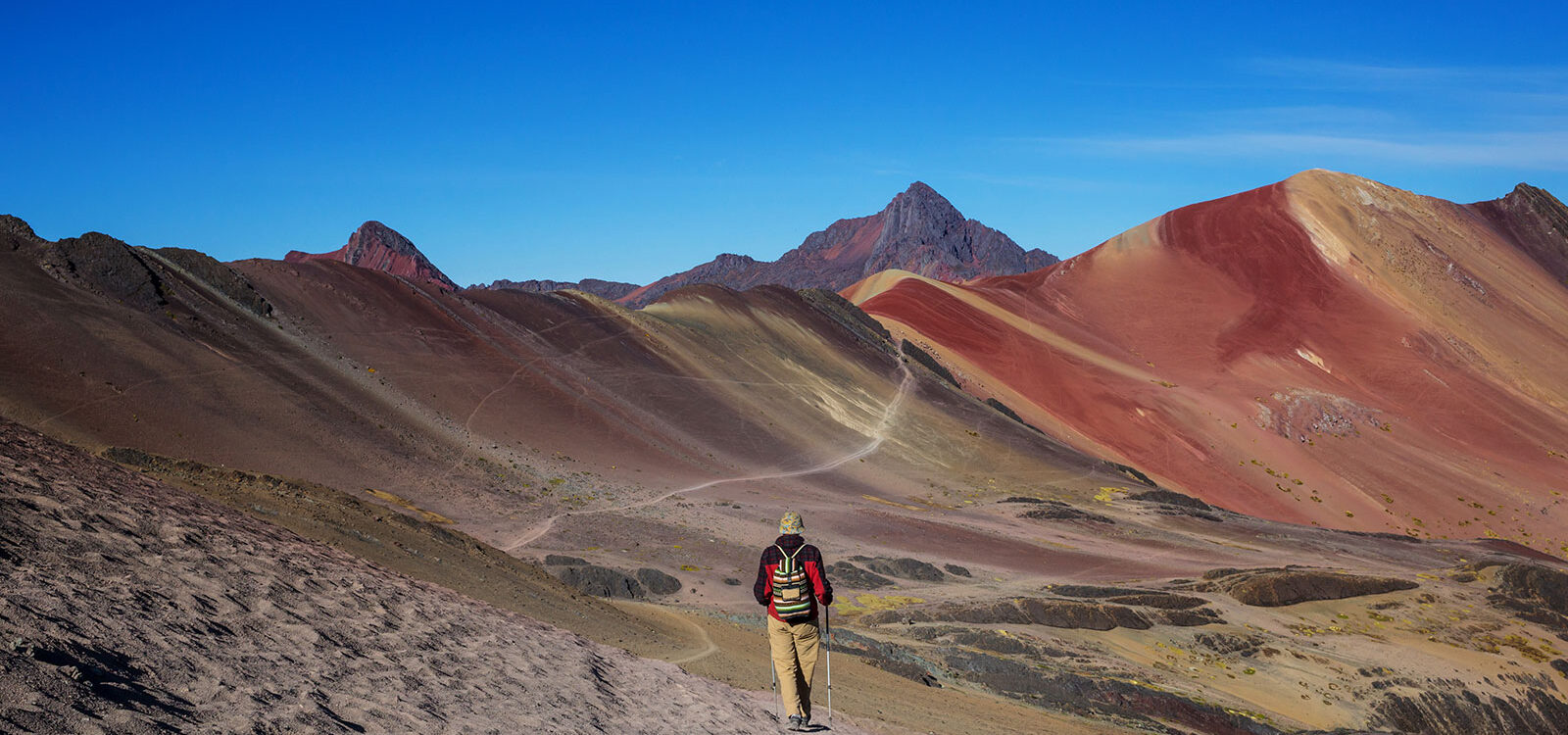
Peru is a land of breathtaking landscapes, rich cultures, and incredible adventures waiting to be discovered. Among its many treasures, the Rainbow Mountain, known locally as Vinicunca, has emerged as a must-see destination for avid trekkers and nature enthusiasts. This colorful peak, nestled in the Andes, offers an unparalleled experience that is quickly gaining recognition as one of the best new treks in Peru. In this article, we’ll explore why the Peru Rainbow Mountain hike is capturing the hearts of adventurers worldwide and highlight some alternative hiking routes in the region.
Rainbow Mountain is renowned for its vibrant, multi-colored stripes that span its slopes, creating a surreal and mesmerizing landscape. These striking hues are the result of mineral deposits that have formed over millions of years. The mountain’s natural palette includes shades of red, turquoise, yellow, and green, making it a photographer’s dream and a hiker’s paradise. The geological history of Rainbow Mountain is equally fascinating, with sedimentary layers that tell a tale of ancient weather patterns and shifting climates, offering a glimpse into Earth’s distant past.

The vivid colors are not just for show; they are a testament to the rich mineral diversity present in the Andean mountains. Each hue represents a different mineral: reds indicate iron oxide, greens indicate chlorite, and yellows indicate sulfur. This natural mosaic is a rare phenomenon, adding to the mountain’s allure and inviting visitors from around the globe to witness its beauty firsthand. The unique combination of these minerals, shaped by natural forces over the millennia, creates a living canvas that changes subtly with the weather and time of day, ensuring that no two visits are ever quite the same.
The Rainbow Mountain Hike, or Vinicunca, is a mountain in Cusco that has become one of the most visited tourist attractions in recent years. Its colors stand out in the landscape, resulting from a geological formation accumulated over time by the mixture of marine, lake, and river elements.
The discovery of its colors is due to the melting of the glaciers that once covered the mountain, which received constant snowfall until the beginning of the nineties.
Vinicunca became a popular destination just five years ago, thanks to trekkers and mountaineers who were amazed by its colors as they passed through the area. Thus, numerous photographs went viral on social networks, prompting thousands of people to plan visits.
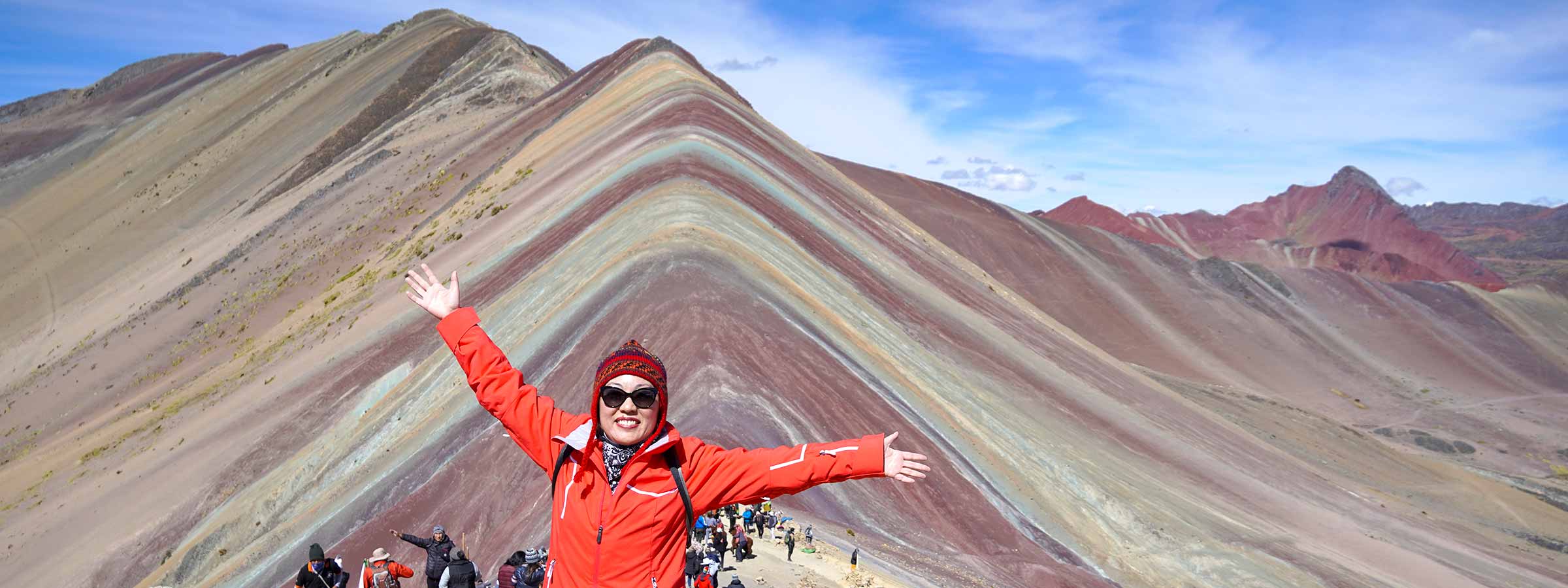
As more travelers seek out unique and less-explored trails, Rainbow Mountain has become one of the most exciting emerging treks in Peru. Unlike the heavily trafficked Inca Trail, the Rainbow Mountain hike offers a fresh and relatively untrodden path for adventurers. This sense of discovery, combined with the mountain’s awe-inspiring beauty, makes it a compelling choice for those looking to experience the Andes in a new way. The trek’s growing popularity is also due to its accessibility from Cusco, allowing even those with limited time to embark on this remarkable journey.
The trail’s rise in popularity has led to increased infrastructure, making it easier for travelers to plan their visit. Local tour operators offer guided treks, ensuring that adventurers of all levels can safely enjoy the experience. Additionally, the trail’s newfound fame has fostered a sense of community among trekkers, each sharing their stories and forging connections amid the stunning scenery. The sense of camaraderie among hikers, coupled with the breathtaking surroundings, creates a unique atmosphere that enhances the overall adventure.
Rainbow Mountain’s striking appearance makes it one of the most photogenic spots in Peru. The vivid colors of the mountain provide a stunning contrast against the stark blue sky, creating a visual feast that is hard to capture fully even through the lens of a camera. Photographers, both amateur and professional, find endless inspiration in the ever-changing light and shadows that play across the mountain’s surface. Capturing the perfect shot becomes an adventure in itself, as the vibrant hues and dramatic landscapes offer infinite possibilities for creativity.
The mountain’s photogenic appeal extends beyond its colorful stripes. The surrounding landscape, with its sweeping vistas and rugged terrain, offers countless opportunities for breathtaking compositions. Hikers often find themselves pausing to take in the panoramic views, each turn revealing a new perspective and a fresh scene to capture. Whether you’re an experienced photographer or simply enjoy snapping memories on your phone, Rainbow Mountain provides a stunning backdrop that enhances any collection of travel photos.

Reaching Rainbow Mountain involves a journey through the Peruvian highlands, starting from the city of Cusco. From Cusco, travelers typically embark on a scenic drive to the trailhead, which is located at an altitude of approximately 4,326 meters (14,189 feet) above sea level. This journey offers a glimpse into rural Andean life and stunning landscapes along the way. The drive itself is an experience, winding through picturesque valleys and past traditional Andean villages where the rhythm of life has remained unchanged for centuries.
The route to Rainbow Mountain is dotted with opportunities to immerse yourself in the local culture. Travelers often stop at small towns and markets, where they can sample traditional Peruvian dishes and purchase handmade crafts. These stops provide a deeper understanding of the region’s rich cultural heritage, allowing you to connect with the people who call this rugged landscape home. The journey to the trailhead is not just a means to an end but an integral part of the adventure, setting the stage for the wonders that await on the trail.
The Peru Rainbow Mountain hike is a challenging yet rewarding adventure. The trek typically covers a distance of around 10 kilometers (6.2 miles) and takes approximately four to six hours to complete, depending on your pace and acclimatization to the altitude. The trail winds through rugged terrain, past traditional Andean villages, and offers panoramic views of the surrounding peaks. Each step on the trail brings a new vista, from sweeping valleys to towering mountains, showcasing the diverse beauty of the Andes.
As you ascend, you’ll pass through diverse ecosystems, each with its unique flora and fauna. The trail is home to a variety of wildlife, including llamas and alpacas, which often graze peacefully along the path. Hikers may also spot Andean condors soaring overhead, adding a touch of majesty to the already awe-inspiring scenery. The trek offers a blend of physical challenge and natural beauty, ensuring that every moment is filled with wonder and discovery.
Preparation is key to enjoying the Rainbow Mountain trek safely and comfortably. Due to the high altitude and challenging terrain, it’s essential to be in good physical condition and to acclimatize properly before attempting the hike. Spending a few days in Cusco prior to the trek can help your body adjust to the elevation, reducing the risk of altitude sickness. During this time, it’s important to stay hydrated, eat well, and rest adequately to ensure you’re ready for the demands of the trail.
Equipping yourself with the right gear is also crucial for a successful trek. Sturdy hiking boots with good ankle support are essential, as the trail can be steep and uneven in places. Dressing in layers is advisable, as the weather can change quickly, ranging from chilly mornings to warm afternoons. Packing essentials such as a rain jacket, sunscreen, and a hat will ensure you’re prepared for the variable conditions you’ll encounter on the trail. By taking the time to prepare thoroughly, you’ll be able to fully enjoy the beauty and challenge of the Rainbow Mountain trek.
Hiking at such high altitudes can be physically demanding, and acclimatization is crucial to ensure a safe and enjoyable experience. Travelers are advised to spend a few days in Cusco to acclimate to the elevation before attempting the hike. It’s also essential to stay hydrated, take it slow, and listen to your body to avoid altitude sickness. Symptoms of altitude sickness can include headaches, dizziness, and nausea, making it important to recognize and address them promptly to prevent more serious complications.
Acclimatization is not just about physical preparation; it also involves mental readiness and a positive mindset. Understanding the challenges of high-altitude trekking can help you approach the hike with confidence and adaptability. Taking the time to appreciate the slower pace of life in the Andes and embracing the opportunity to connect with the local culture can enhance your overall experience. By focusing on the journey rather than just the destination, you’ll gain a deeper appreciation for the unique environment of the Rainbow Mountain trek.
The weather in the Andes can be unpredictable, with temperatures ranging from chilly mornings to sunny afternoons. It’s advisable to dress in layers, wear a good pair of hiking boots, and bring a rain jacket, as rain showers are common in the region. The best time to visit Rainbow Mountain is during the dry season, from April to November, when the weather is more stable. However, even during the dry season, conditions can change rapidly, so being prepared for all weather scenarios is essential.
Understanding the local climate can also help you plan your trek more effectively. Mornings in the Andes are often cold, with temperatures rising as the sun climbs higher in the sky. Afternoon showers can bring a refreshing change, but they also make the trail more challenging. Keeping an eye on weather forecasts and seeking advice from local guides can help you make informed decisions about your trek. By respecting the power of nature and preparing accordingly, you’ll be able to enjoy the beauty of Rainbow Mountain in all its seasonal variations.
Along the trek, you’ll encounter local communities that have preserved their traditional way of life for generations. The Quechua people, who inhabit the region, are known for their warm hospitality and vibrant textiles. Engaging with these communities can add a meaningful cultural dimension to your trek, providing insights into their customs and way of life. Interacting with the locals offers a unique opportunity to learn about their history, language, and traditions, enriching your overall trekking experience.
Participating in cultural exchanges, such as visiting local markets or attending traditional festivals, can deepen your understanding of the Quechua way of life. These experiences offer a glimpse into the daily rhythms and practices that define the region’s cultural identity. By approaching these interactions with respect and curiosity, you’ll forge connections that transcend language barriers and create lasting memories. The cultural richness of the Rainbow Mountain trek is as captivating as its natural beauty, providing a holistic adventure that touches both the heart and mind.
While Rainbow Mountain is undoubtedly a highlight, Peru offers a wealth of alternative hiking routes that are equally captivating. Here are a few to consider:
For those seeking a more extended adventure, the Ausangate Trek is a magnificent option. This multi-day trek takes you around the sacred Ausangate Mountain, offering breathtaking views of glaciers, turquoise lakes, and remote villages. It’s an excellent choice for experienced trekkers looking for a deeper immersion into the Andean wilderness. The trek’s challenging terrain and high altitudes require physical fitness and determination, rewarding those who undertake it with unparalleled natural beauty and solitude.
The Ausangate Trek also provides an opportunity to connect with the spiritual significance of the Andes. The mountain is considered sacred by the local communities, and the trek often includes visits to traditional ceremonies and sacred sites. This cultural immersion adds a profound dimension to the physical challenge, offering insights into the spiritual beliefs and practices that have shaped the region for centuries. The Ausangate Trek is not just a journey through stunning landscapes but also a pilgrimage into the heart of Andean spirituality.
The Lares Trek is a fantastic alternative to the Inca Trail, providing a quieter and more culturally immersive experience. This trek takes you through picturesque valleys, past traditional weaving communities, and offers opportunities to soak in natural hot springs. It’s a great way to connect with the indigenous people and enjoy the stunning landscapes of the Sacred Valley. The trek’s moderate difficulty level makes it accessible to a wide range of hikers, allowing more people to experience its unique blend of natural and cultural attractions.
One of the highlights of the Lares Trek is the chance to witness traditional weaving practices firsthand. The Quechua communities along the trail are renowned for their textile artistry, and visitors often have the opportunity to learn about the techniques and symbolism behind the vibrant patterns. This cultural exchange enriches the trekking experience, offering a deeper appreciation for the skills and traditions that have been passed down through generations. The Lares Trek is a journey of discovery, where each step reveals new insights into the region’s cultural tapestry.
Often referred to as the “sister” of Machu Picchu, Choquequirao is an impressive archaeological site that remains off the beaten path. The trek to Choquequirao is demanding but immensely rewarding, with fewer crowds and a sense of untouched wonder. The site itself is a testament to the Inca civilization and offers a glimpse into their architectural brilliance. The trek’s remoteness adds to its allure, providing a sense of adventure and exploration that is becoming increasingly rare in today’s well-trodden trails.
The Choquequirao Trek is a journey into the past, where each step brings you closer to the mysteries of the Inca Empire. The archaeological site is still being excavated, and new discoveries continue to reveal the complexity and sophistication of Inca engineering. The trek offers a unique opportunity to witness history in the making, as archaeologists uncover new insights into the empire’s expansion and influence. Choquequirao is a hidden gem that rewards the adventurous spirit, offering a blend of history, nature, and solitude that is truly unparalleled.
When preparing for your trek in Peru, it’s essential to pack wisely. Some key items to include are:
Packing for a trek in Peru requires careful consideration of the variable weather conditions and challenging terrain. Layering your clothing is crucial to adapting to the changing temperatures, ensuring comfort throughout the day. High-quality hiking boots are essential for navigating the uneven paths and providing the necessary support for your feet and ankles. Equipping yourself with the right gear will enhance your trekking experience, allowing you to focus on the stunning landscapes and cultural encounters.
In addition to the basics, consider bringing trekking poles to help maintain balance on steep or rocky sections of the trail. A lightweight backpack with a comfortable fit is also important, as it will carry all your essentials and keep your hands free for photography or navigation. By preparing thoroughly and packing smartly, you’ll be equipped for any challenges the trail may present, ensuring a safe and enjoyable adventure.
Selecting the right trek depends on your fitness level, interests, and time constraints. Whether you’re drawn to the vibrant colors of Rainbow Mountain or the remote beauty of Ausangate, there’s a trek in Peru to suit every adventurer. Consider factors such as the trek’s difficulty, length, and cultural elements when making your decision, ensuring that your choice aligns with your personal goals and preferences. With so many options available, taking the time to research and plan will ensure a rewarding and memorable trekking experience.
Your choice of trek can also be influenced by the season and weather conditions, as some routes may be more accessible or enjoyable at certain times of the year. Consulting with local guides or tour operators can provide valuable insights and recommendations tailored to your needs. By selecting a trek that matches your interests and abilities, you’ll maximize your enjoyment and satisfaction, creating lasting memories of your adventure in Peru.
Safety and health are paramount when embarking on a trekking adventure in Peru. Understanding the risks associated with high-altitude trekking and taking appropriate precautions can prevent potential issues. Acclimatization, hydration, and proper nutrition are key factors in maintaining your health on the trail. Additionally, being aware of the symptoms of altitude sickness and knowing how to respond can make a significant difference in your overall experience.
Travel insurance is another important consideration, offering peace of mind and coverage for any unforeseen incidents. Research the specific coverage options available for trekking and ensure that your policy includes evacuation and medical treatment in remote areas. By prioritizing your safety and health, you’ll be able to fully enjoy the beauty and challenges of Peru’s trekking routes, confident in the knowledge that you’re prepared for any eventualities.
Before climbing the 5,200-meter-high mountain of Colors or Vinicunca, you must consider the following recommendations to avoid the dreaded ‘altitude sickness’ that is usually the main complication for many tourists.
1. Avoid carrying excess weight. It is advisable to bring a backpack or small bag with what you need (water, alcohol, or some candy).
2. Dress warmly. Do not trust the sun; use sunscreen and wear a hat or cap. The shoes should be trekking shoes to avoid falls, and don’t forget some gloves so your hands don’t freeze.
3. Visit the mountain a few days after you arrive in Cusco. It is better to acclimatize before visiting Vinicunca so your body is prepared and you do not suffer from soroche.
4. If it is the first time you have visited this mountain, it is better to do it with a tourist agency. This way, you will have a specialized guide who will accompany you on your tour, provide information about the place, and be attentive to help if needed.
Most tours cover round-trip transportation, a guide to the mountain, and a breakfast or lunch buffet. Prices vary between 60 and 100 soles. Make sure it is a formal agency with recommendations—on social networks or from friends—and that it will give you a receipt for its services.
5. If you want to see the mountain as it appears in the photos on the internet, it is advisable to visit it in the dry season (around May and September).
6. There are different routes; the first one used was the one from Pitumarca, which lasted from 6 to 8 hours round trip, but it wasn’t straightforward because it required good physical condition. A couple of years ago, a route that leaves from Cusipata and lasts between 03 and 04 hours round trip was made available, making it the best option to reach the top of the mountain.
7. The trip from Cusco to Cusipata takes 2 hours and a half. Sometimes, the tours stop before arriving to show you some tourist sites.
8. If you want to visit the mountain but the ascent is too tiring, you can hire a horse or motorcycle, which costs an average of 50 soles and gets you very close to the top.
9. Once at the top, you may encounter many tourists. Try to keep the necessary distance and wait to avoid crowds. There are usually queues in many areas where you can take pictures. Be patient and wait for your turn.
We hope these recommendations will help you if you are planning your next trip to the mountain of colors. Have a good trip!
The Peru Rainbow Mountain hike is a captivating journey through a unique landscape that promises unforgettable memories. As one of the best new trekking destinations in Peru, it offers a fresh perspective on the Andean wilderness and a chance to connect with local cultures. Whether you choose to explore Rainbow Mountain or venture onto alternative hiking routes, Peru’s natural beauty and cultural richness are sure to leave a lasting impression. So, lace up your hiking boots and embark on an adventure of a lifetime in this enchanting corner of the world.
The allure of Rainbow Mountain lies not only in its vibrant colors but also in the stories and experiences that unfold along the trail. Each trek offers a unique blend of challenge and discovery, inviting you to push your limits and embrace the unknown. As you journey through Peru’s diverse landscapes, you’ll encounter the warmth and resilience of its people, the majesty of its mountains, and the enduring legacy of its ancient civilizations. These elements combine to create a trekking experience that is as enriching as it is exhilarating, leaving you with a deeper appreciation for the wonders of the natural world and the cultures that call it home.
As you reflect on your adventure, you’ll carry with you the lessons and memories gained on the trail, inspiring a lifelong passion for exploration and discovery. Peru’s trekking routes offer more than just a physical journey; they invite you to embark on a personal voyage of growth and transformation. Whether you’re a seasoned trekker or a newcomer to the world of hiking, the magic of Peru’s landscapes and cultures will captivate your spirit and ignite your sense of wonder, encouraging you to continue seeking new horizons and embracing the challenges and beauty of the world around you.

Understanding the Neurochemistry of Ayahuasca Ayahuasca, a traditional Amazonian brew, has been revered for centuries for its spiritual…

Peru is a land of diverse landscapes and rich cultural heritage, and the Huchuy Qosqo Trek is a…
Peru is a treasure trove of historic sites, with Machu Picchu often stealing the spotlight. However, the lesser-known…

Nestled in the high Andes of Peru, Qeswachaka stands as a testament to ancient Inca engineering and the…
Nestled in the highlands of Peru, Pikillacta stands as a testament to ancient civilizations that predate the Inca…

The Ancascocha Trek: A Remote Andean Route Few Travelers Experience The Ancascocha Trek is an unparalleled adventure for…

Nestled in the breathtaking landscapes of the Sacred Valley, Tambomachay is a hidden treasure that whispers tales of…

Trekking the Ancascocha Trail The Ancascocha Trail is often overshadowed by its more famous neighbor, the Inca Trail.…

Huchuy Qosqo Trek vs. Classic Inca Trail: Which Adventure is Right for You? Introduction Peru’s Sacred Valley has…

Exploring Qenqo Peru: Unraveling the Mysteries of the Ancient Incan Sanctuary Nestled in the breathtaking landscapes of Peru,…

Discover The Cusco Cathedral, Art, and Cultural Significance Nestled in the heart of Cusco, Peru, the Cusco Cathedral…

Multi Day Tours from Cusco: Travel Routes, Ideas & Planning Tips Cusco, the historic capital of the Inca…