

The 4 Day Inca Trail to Machu Picchu is one of the world’s most iconic trekking adventures. Combining breathtaking mountain scenery, ancient Inca archaeological sites, cloud forests, and the unforgettable arrival at Machu Picchu through the Sun Gate, this legendary route offers an experience unlike any other in South America.
This guide explains what travelers can expect during the 4 Day Inca Trail, including route highlights, campsites, altitude challenges, important archaeological sites, practical preparation tips, and essential travel advice for one of Peru’s greatest hiking experiences.
Why the 4 Day Inca Trail Is So Special
The Classic Inca Trail is much more than a hike to Machu Picchu. It is an immersive journey through ancient Inca pathways connecting spectacular mountain landscapes to remarkable archaeological sites hidden throughout the Andes.
Travelers choose the 4 Day Inca Trail because it combines:
- Original Inca stone pathways
- Ancient archaeological sites
- Cloud forest scenery
- Mountain passes
- Cultural history
- Arrival at Machu Picchu through the Sun Gate
The combination of physical challenge, natural beauty, and historical significance makes the route one of the most rewarding treks in the world.
Travelers interested in trekking preparation may also enjoy this Short Inca Trail guide.
Day 1: Beginning the Inca Trail Adventure
The journey begins at Piscacucho, also known as Kilometer 82, the official starting point of the Inca Trail.
The first day offers a gentler introduction to the trek while hikers acclimate to the altitude and hiking rhythm of the Andes.
As the trail follows the Sacred Valley, travelers encounter:
- Traditional farming landscapes
- Andean mountain scenery
- Quechua communities
- Ancient agricultural terraces
The route also passes the archaeological site of Llactapata, which offers insight into the Incas’ agricultural systems and strategic planning.
Important Highlights
- Llactapata Ruins: Ancient agricultural and ceremonial structures.
- Wayllabamba Campsite: The first overnight campsite surrounded by mountain scenery and river valleys.
Day 2: Dead Woman’s Pass
The second day is generally considered the most physically demanding section of the Inca Trail.
Trekkers ascend toward Warmiwañusca, also known as Dead Woman’s Pass, the highest point of the route at approximately 4,215 meters (13,828 feet).
The steep ascent tests endurance and acclimatization, but the panoramic mountain views make the challenge worthwhile.
As hikers climb through high-altitude landscapes, the scenery changes dramatically from cloud forests to alpine mountain terrain.
Key Highlights
- Llulluchapampa: Scenic high-altitude resting area before the final ascent.
- Dead Woman’s Pass: The highest point of the Classic Inca Trail.
- Pacaymayo Campsite: A peaceful valley campsite after the descent.
Travelers preparing for high elevations may also enjoy this high-altitude travel guide.
Day 3: Inca Archaeological Wonders
The third day of the Inca Trail is often considered the most scenic and culturally rich section of the trek.
Hikers encounter several impressive archaeological sites connected by original Inca pathways.
Runkurakay
This circular archaeological structure is believed to have served as a resting place or control point for Inca messengers traveling through the Andes.
Sayacmarca
Known as the “Inaccessible Town,” Sayacmarca showcases remarkable Inca engineering and strategic mountain construction.
The site contains:
- Stone pathways
- Ceremonial sectors
- Terraces
- Panoramic viewpoints
Phuyupatamarca
Often called the “Town Above the Clouds,” this spectacular archaeological complex features ceremonial baths, terraces, and breathtaking cloud forest scenery.
The route during this day combines mountain landscapes, archaeological exploration, and some of the best panoramic views on the entire trail.
Day 4: Arrival at Machu Picchu
The final morning begins before sunrise as hikers continue toward the Sun Gate (Inti Punku).
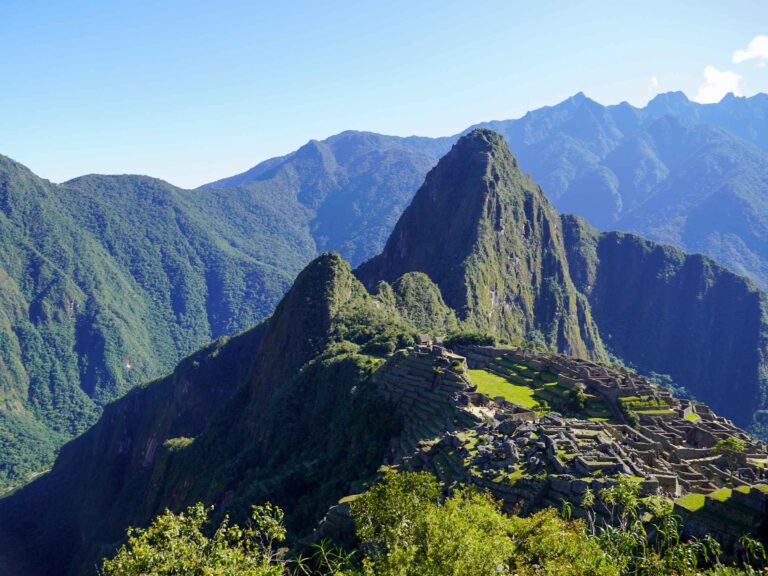
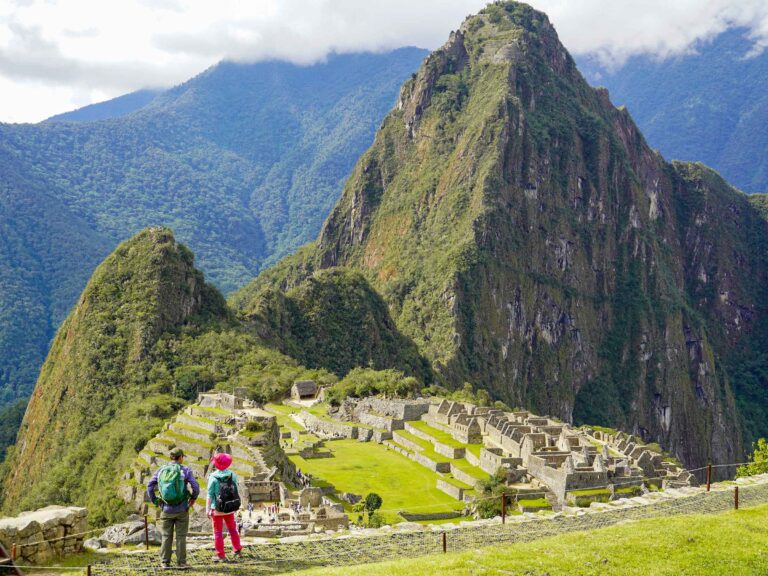
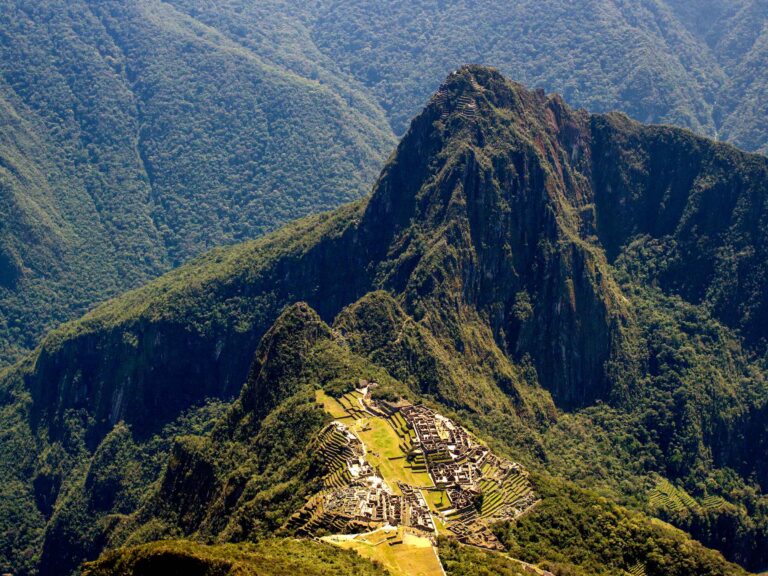
As the first light illuminates Machu Picchu, travelers experience one of the most unforgettable moments in South America.
Seeing Machu Picchu emerge through the morning mist after several days of trekking creates a powerful sense of achievement and connection with the Andes.
Sun Gate (Inti Punku)
The Sun Gate offers the first panoramic view of Machu Picchu to hikers on the Classic Inca Trail.
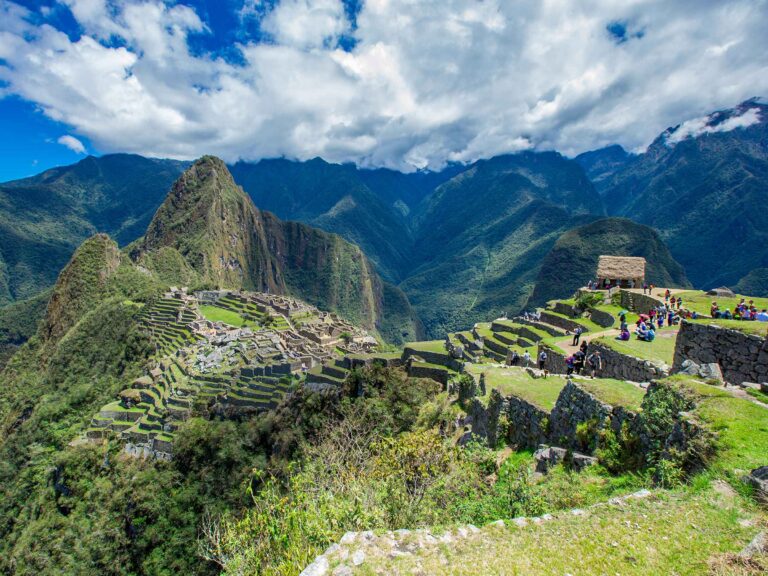
Exploring Machu Picchu
After entering the citadel, visitors explore:
- Ancient temples
- Ceremonial plazas
- Terraces
- Residential sectors
- Sacred architecture
The guided exploration of Machu Picchu offers insight into the engineering and spiritual significance of the Inca civilization.
Preparing for the 4 Day Inca Trail
Preparation is essential for enjoying the Inca Trail safely and comfortably.
Physical Training
Travelers should begin preparing several weeks or months before the trek.
Recommended preparation includes:
- Cardiovascular exercise
- Strength training
- Hiking practice
- Endurance activities
Acclimatization
Spending several days in Cusco or the Sacred Valley before the trek helps reduce the risk of altitude sickness.
Essential Gear
Recommended trekking equipment includes:
- Comfortable hiking boots
- Warm layered clothing
- Rain jacket
- Trekking poles
- Reusable water bottles
- Sun protection
- Sleeping bag
Food and Campsites on the Inca Trail
Most guided Inca Trail tours include cooks, camping equipment, and organized campsites throughout the route.
Travelers are often surprised by the quality of meals prepared along the trail, which commonly combine:
- Andean ingredients
- Traditional Peruvian flavors
- Fresh vegetables
- Nutritious trekking meals
Popular campsites include:
- Wayllabamba
- Pacaymayo
- Wiñaywayna
- Phuyupatamarca
Permits and Regulations
The Classic Inca Trail is regulated by the Peruvian government to help preserve the archaeological route and surrounding ecosystems.
Important regulations include:
- Limited daily permits
- Mandatory licensed guides
- Protected archaeological zones
- Controlled campsite areas
Because permits sell out quickly, especially during high season, travelers should reserve several months in advance.
Porters and Responsible Tourism
Porters play an essential role in the Inca Trail experience by transporting camping equipment, food supplies, and other logistics throughout the trek.
Responsible operators follow regulations designed to protect porter welfare, including:
- Weight limits
- Fair wages
- Protective equipment
- Insurance coverage
- Safe working conditions
Supporting ethical trekking operations benefits local Andean communities.
Health and Safety Tips
Good preparation can significantly improve the trekking experience.
Helpful recommendations include:
- Stay hydrated
- Walk at a comfortable pace
- Protect against sun exposure
- Use trekking poles for stability
- Carry personal medications
- Allow time for acclimatization
Guides usually carry first-aid equipment and emergency support systems during the trek.
Explore Inca Trail Tours
Kondor Path Tours offers trekking experiences designed for travelers seeking history, mountain scenery, archaeological exploration, and unforgettable adventures through the Andes.
Conclusion
The 4 Day Inca Trail to Machu Picchu is one of the world’s most extraordinary trekking adventures.
From ancient Inca pathways and spectacular mountain scenery to archaeological wonders and the unforgettable arrival at Machu Picchu through the Sun Gate, the trek offers a powerful connection to the history and landscapes of the Andes.
With proper preparation, acclimatization, and an adventurous spirit, the Inca Trail becomes much more than a hike — it becomes a transformative journey through one of the most iconic destinations on Earth.




Discussion 5
Machu Picchu Tour 4 Days | 4-Day Machu Picchu Tour
October 24, 2021 at 11:41 pm[…] routes like the Classic Inca Trail 4D/3N, with varieties like the Salkantay Trek 5D/4N, Lares Trek 4D/3N, enjoying the thermal baths in the […]
Machu Picchu 1 Day Tour | Machu Picchu day trip from Cusco
October 24, 2021 at 11:55 pm[…] routes like the Classic Inca Trail 4D/3N, with varieties like the Salkantay Trek 5D/4N, Lares Trek 4D/3N, enjoying the thermal baths in the […]
Machu Picchu 2 Day Tour | Breathtaking Sacred Valley and Machu Pcchu Tour
October 25, 2021 at 12:25 am[…] routes like the Classic Inca Trail 4D/3N, with varieties like the Salkantay Trek 5D/4N, Lares Trek 4D/3N, enjoying the thermal baths in the […]
3 Day Machu Picchu Tours | Cusco Sacred Valley Machu Picchu Tour
October 25, 2021 at 12:32 am[…] routes like the Classic Inca Trail 4D/3N, with varieties like the Salkantay Trek 5D/4N, Lares Trek 4D/3N, enjoying the thermal baths in the […]
The Best Short Inca Trail to Machu Picchu | 2 day Inca Trail hike
November 14, 2021 at 8:48 pm[…] of Wiñay Wayna. In this hike, you will be able to walk through some sectors that are done in the Classic Inca Trail of 4 days, the last part of the hike is the same as the Inca Trail of 4 days. The trail is well maintained […]