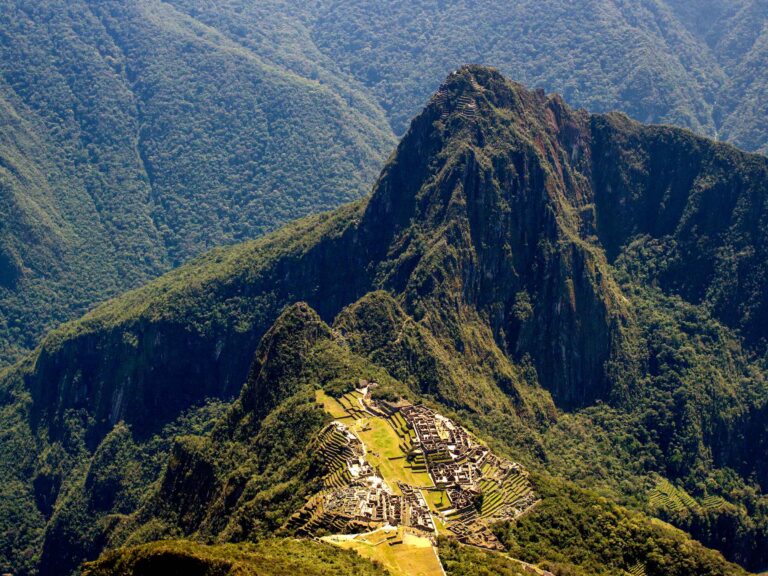

When planning a trip to the mystical ruins of Machu Picchu, one might come across two names: Machu Picchu Pueblo and Aguas Calientes. Are they different places? What should you know about them before visiting? In this article, we will delve into the history, significance, and attractions of this charming town at the base of one of the world’s most famous archaeological sites.
Machu Picchu Pueblo, more commonly known as Aguas Calientes, is the gateway to the ancient Inca citadel of Machu Picchu. Nestled in a deep gorge, this small town has a fascinating history that intertwines with the discovery and exploration of the Inca ruins.
Aguas Calientes was established in 1901 during the construction of the railroad from Cusco to the Sacred Valley. Initially, it served as a workers’ camp for those building the railway. With its inception, the town was merely a fleeting refuge for laborers, surrounded by dense jungle and the roaring Urubamba River, far removed from the bustling tourist hub it is today.
The global recognition of Machu Picchu in the early 20th century marked a turning point. As explorers and historians uncovered the mysteries of the Inca ruins, Aguas Calientes began to evolve to accommodate the growing number of curious visitors. The town’s transformation from a secluded camp to a vibrant tourist destination was both rapid and profound, fueled by the allure of the ancient citadel.
Today, Aguas Calientes thrives almost entirely on tourism, offering a range of accommodations, restaurants, and services for travelers. Despite its commercial nature, the town exudes a unique charm with its stunning natural surroundings and the Urubamba River flowing through it. The town has managed to preserve its authenticity while embracing modernity, providing a harmonious blend of past and present for those who venture to its cobbled streets.
The growth of tourism in Aguas Calientes is a testament to its strategic location and the allure of Machu Picchu. Initially, the town’s infrastructure struggled to keep pace with the increasing number of visitors. Still, over time, investments in transportation, hospitality, and local amenities transformed it into a well-equipped tourist hub. The establishment of more sophisticated hotels and dining options has further cemented its status as a must-visit destination.
The railway remains a critical artery, bringing thousands of tourists daily. This influx has driven a dynamic local economy, with businesses thriving on providing goods and services to international travelers. The town’s evolution is a fascinating example of how tourism can shape and redefine a community, creating opportunities while preserving its cultural heritage.
The historical significance of Aguas Calientes lies not only in its proximity to Machu Picchu but also in its own right as a cultural crossroads. The town’s name, “Machu Picchu Pueblo,” reflects its deep-rooted connection to the Inca civilization. This connection is celebrated through cultural events, local festivals, and community traditions that honor the Inca legacy.
Beyond its role as a tourist gateway, Aguas Calientes serves as a reminder of the enduring influence of the Inca Empire. The town’s vibrant streets and lively markets echo with the stories of a bygone era, inviting visitors to immerse themselves in the rich tapestry of Andean history and culture. It stands as a living testament to the resilience and ingenuity of the Inca people, whose legacy continues to captivate the world.
The terms “Machu Picchu Pueblo” and “Aguas Calientes” are often used interchangeably. However, it’s essential to understand their contexts. “Machu Picchu Pueblo” translates to “Machu Picchu Town” in English, signifying its role as the closest settlement to the Inca ruins. This name emphasizes the town’s integral connection to the ancient citadel, serving as a reminder of its historical importance. It is the starting point for many travelers embarking on their journey to explore the Inca legacy.
On the other hand, “Aguas Calientes” means “Hot Waters” in Spanish, a name derived from the town’s natural hot springs. These hot springs are a significant draw for visitors seeking relaxation after a day of exploration. The name highlights a different aspect of the town’s appeal, focusing on its natural resources and rejuvenating experiences.
The town’s dual names reflect its multifaceted identity. “Machu Picchu Pueblo” underscores its cultural and historical ties to the Inca civilization, while “Aguas Calientes” celebrates the natural wonders that define its landscape. Together, they paint a comprehensive picture of a town that is both a cultural gem and a natural sanctuary. The names also serve as a testament to the town’s evolution over time. Initially known for its hot springs, Aguas Calientes grew in prominence as the gateway to Machu Picchu, earning the title “Machu Picchu Pueblo.” This evolution mirrors the town’s journey from a hidden gem to a world-renowned destination.
Names hold power and significance, shaping perceptions and expectations. In the case of Machu Picchu Pueblo and Aguas Calientes, the names capture the essence of towns that are both historical landmarks and natural retreats. They invite travelers to explore the layers of its identity, encouraging a deeper appreciation for its unique blend of history, culture, and nature.
Understanding the context of these names enriches the visitor experience, allowing travelers to connect with the town on a more meaningful level. Whether you refer to it as Machu Picchu Pueblo or Aguas Calientes, the town remains an essential stop for anyone visiting the renowned ruins, offering a glimpse into the past and a sanctuary for the present. A visit to Aguas Calientes is more than just a pit stop on the way to Machu Picchu. The town itself offers a variety of attractions and experiences that enrich your journey.
One of the highlights of Aguas Calientes is its hot springs. The naturally heated waters provide a soothing retreat for weary travelers. Situated a short walk from the town center, the hot springs feature several pools with varying temperatures, allowing visitors to unwind amid lush greenery and a picturesque mountain backdrop.
The hot springs offer not only relaxation but also a connection to the region’s natural beauty. The therapeutic properties of the mineral-rich waters are renowned, making them a popular choice for those seeking respite from the rigors of travel. Visitors can soak in the warm waters, surrounded by the sounds of nature, and feel the stress of their journey melt away.
In addition to their relaxing benefits, the hot springs are a social hub, bringing together travelers from around the world. The communal atmosphere fosters connections and conversations, allowing visitors to share their experiences and stories. It is a place where cultures meet, and friendships are forged, enriching the travel experience.
The bustling markets of Aguas Calientes are a treasure trove of local crafts, souvenirs, and traditional Peruvian textiles. As you stroll through the stalls, you’ll find vibrant fabrics, handmade jewelry, and unique artifacts that reflect the region’s rich culture. The markets are a sensory delight, with vibrant colors and intricate designs that capture the essence of Andean craftsmanship.
The markets offer more than just shopping opportunities; they are a window into local life. Engaging with the artisans and vendors provides insights into their traditions and skills, offering a deeper understanding of the cultural heritage that defines the town. Each purchase supports local communities and helps preserve traditional crafts and livelihoods.
Don’t forget to haggle for the best price! Bargaining is part of the market experience, adding an element of interaction and fun. It is an opportunity to connect with the vendors, learn about their products, and perhaps even hear a story or two about the items you are purchasing.
Aguas Calientes boasts a diverse culinary scene, offering everything from traditional Peruvian dishes to international fare. Be sure to try local specialties such as ceviche, lomo saltado, and alpaca steak. The town’s restaurants often provide stunning views of the surrounding mountains, enhancing your dining experience. Dining in Aguas Calientes is a journey for the senses, with flavors that reflect the region’s rich agricultural heritage. The use of fresh, local ingredients ensures authenticity and quality, allowing visitors to savor the authentic taste of Peru. Each dish tells a story, connecting diners with the land and its people. The culinary scene is also a testament to the town’s cosmopolitan nature, with influences from around the world enriching the local flavors. Whether you’re dining in a traditional eatery or a fusion restaurant, the diverse offerings cater to every palate, ensuring a memorable gastronomic adventure.
Whether you call it Machu Picchu Pueblo or Aguas Calientes, this enchanting town is an integral part of any journey to the iconic ruins of Machu Picchu. With its rich history, vibrant culture, and natural beauty, Aguas Calientes offers more than just a convenient base for exploring the ancient citadel. Embrace the charm of this unique destination and create lasting memories as you embark on an adventure of a lifetime.
In summary, Machu Picchu Pueblo, or Aguas Calientes, is not just a stopover on your way to the famed Inca site. It’s a destination in its own right, offering relaxation, culture, and a gateway to one of the world’s most remarkable archaeological sites. Whether you’re soaking in the hot springs or exploring the local markets, Aguas Calientes promises a memorable experience for every traveler.
With its harmonious blend of historical significance and natural allure, Aguas Calientes invites you to explore its depths and discover the stories that have shaped this extraordinary place. As you journey through its landscapes and immerse yourself in its culture, you will find that Aguas Calientes is more than just a town—it’s a gateway to the heart of Peru’s rich heritage and a testament to the enduring spirit of the Inca civilization.
Spend the night in Macchu Picchu Pueblo (if you can). This way, you can get up early, climb the citadel, and watch the sunrise.

Hot water, the anteroom, and the entrance gate to the Citadel of Machupicchu are familiar in a small town. There is also water, electricity, fixed and cellular telephony, radio and television, ATM cards, Visa, Internet access, and foreign currency exchange houses.
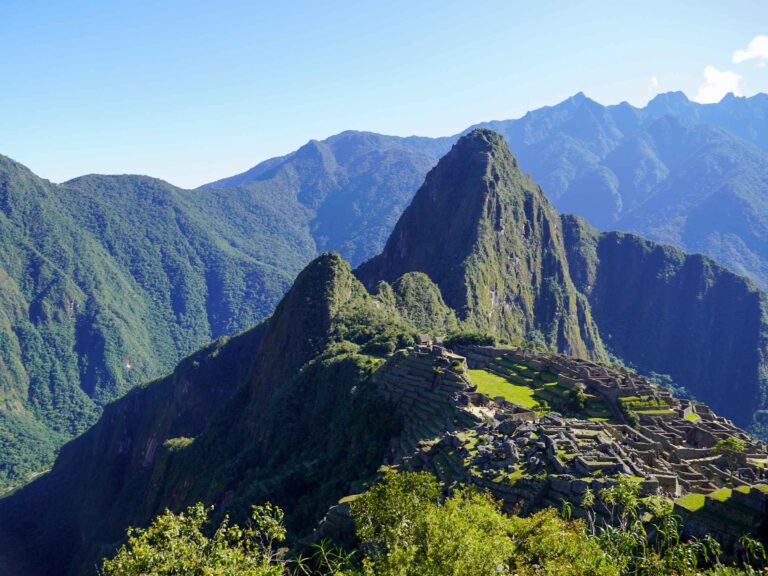
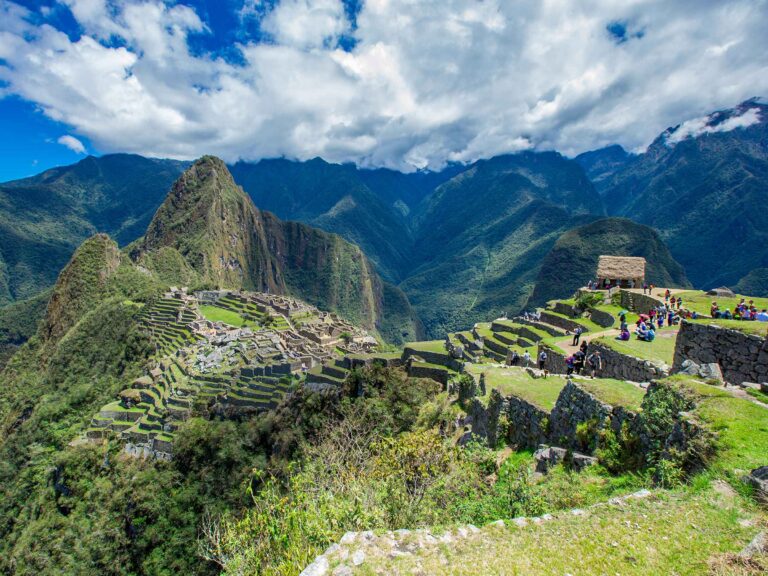
It is located in the Department of Cusco, province of Cusco, Urubamba district, of Machu Picchu, which covers 32,592 hectares and is sheltered by the snow-capped chains of Salkantay to the south and Veronica to the north.
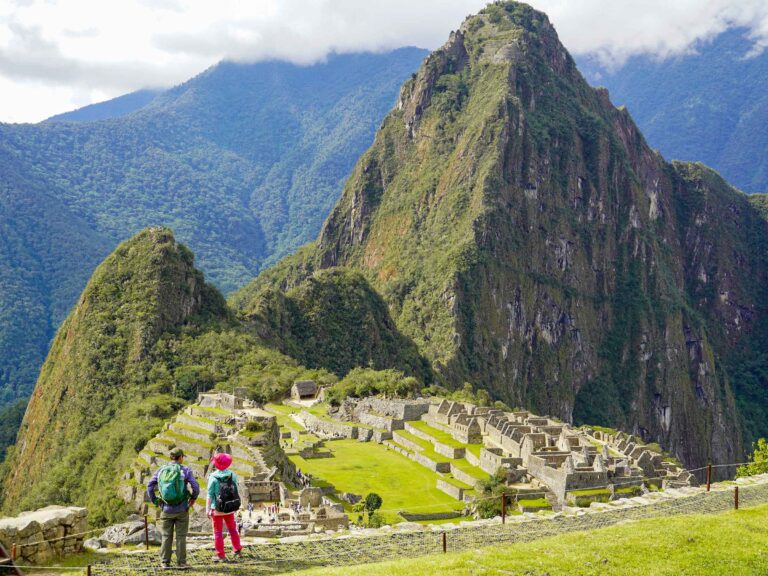
Macchu Picchu is at 2430 m. It was undoubtedly one of the Empire of the Inkas’ essential urban creations, situated in an extraordinary location in the middle of a rainforest.
Warm and humid, with an average annual temperature of 16ºC (60.5ºF) during the day. The rainy season is from November to March.
The tourist services of the city:
Public services are limited and scarce. There are ATM banks and ATM offices, a ticket sales office for the archaeological zone of Machu Picchu, a police station, an IPerú office, a post office, pharmacies, a small medical center (Health Center), restaurants, Internet cafes, public telephones, souvenir shops, and gifts, and a craft market adjacent to the train station.
On the other hand, the gardens of Mandor are among the most beautiful places in the area, so they are highly recommended for visitors who want to enjoy these wonders of nature, which are a series of lovely gardens surrounded by cataracts. Likewise, the waterfalls of these gardens have made this one of the reserved spaces of the biospher,e considered a sanctuary for many native species of flora and fauna. Undoubtedly, visitors will contemplate the diversity of bird species, including hummingbirds and rock roosters, the national birds of this area. It is a sensational spectacle with its famous exhibitions during mating rituals. The gardens remain open all day, and admission is free. Still, it recommends visiting according to the bus schedules that lead to the area. The walking tour is a major attraction for visitors: it takes approximately an hour to traverse beautiful jungle landscapes, following the railway line from Aguas Calientes to Santa Teresa.
The schedule is all-day at the Mandor waterfall, since a family lives at the entrance.

We will all visit Machu Picchu, Peru’s most important attraction and one of the New Seven Wonders of the World, but little is known about the newly discovered butterfly.
The butterfly is a 15-minute walk from Aguas Calientes, along the road to Machu Picchu. The visit usually lasts between 15 and 20 minutes, and inside, a guide will show you all the butterfly species that live in the Sanctuary of Machu Picchu.

It also offers the opportunity to learn about the biodiversity of Machu Picchu’s sanctuary and the mysterious and fascinating world of butterflies.