
Before booking the Inca Trail, most travelers focus on the experience—but the details behind it are what truly shape the journey—understanding how permits, altitude, and logistics work will help you avoid common surprises and plan with confidence.
Knowing these details will help you avoid common mistakes and plan your trip more effectively.
To better understand your options, you can explore our Inca Trail tours and see how different itineraries are organized.

Permits Are Limited and Sell Out Quickly
The Inca Trail is a regulated route, and access is restricted to a limited number of permits per day. These permits are often sold out months in advance, especially during peak travel season.
The Trek Is More About Altitude Than Distance
While the total distance may seem manageable, the real challenge comes from hiking at high altitude. The trail reaches over 4,200 meters, which makes acclimatization essential.
You Cannot Hike the Inca Trail Independently
A licensed tour operator must accompany all trekkers. This regulation helps protect the trail and ensures safety for all visitors.
The Classic Route Takes 4 Days
The most popular version of the Inca Trail is the 4-day trek, which includes multiple campsites, mountain passes, and archaeological sites before reaching Machu Picchu.
Not all itineraries follow the same structure, and small differences can significantly impact your experience.
Compare available options:
View Inca Trail tours
The Final Entrance to Machu Picchu Is Unique
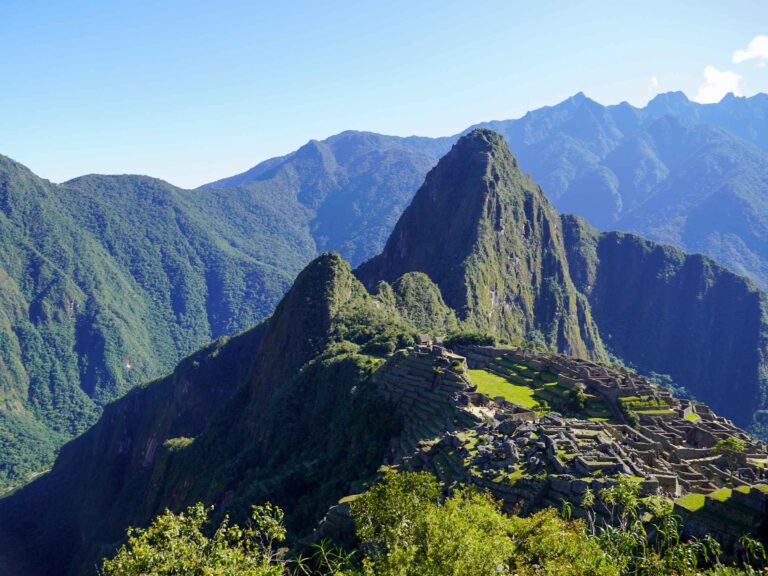
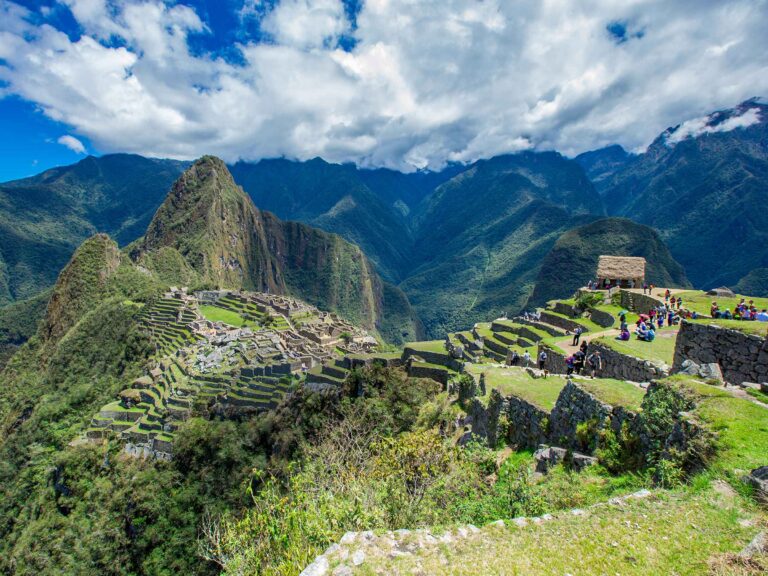
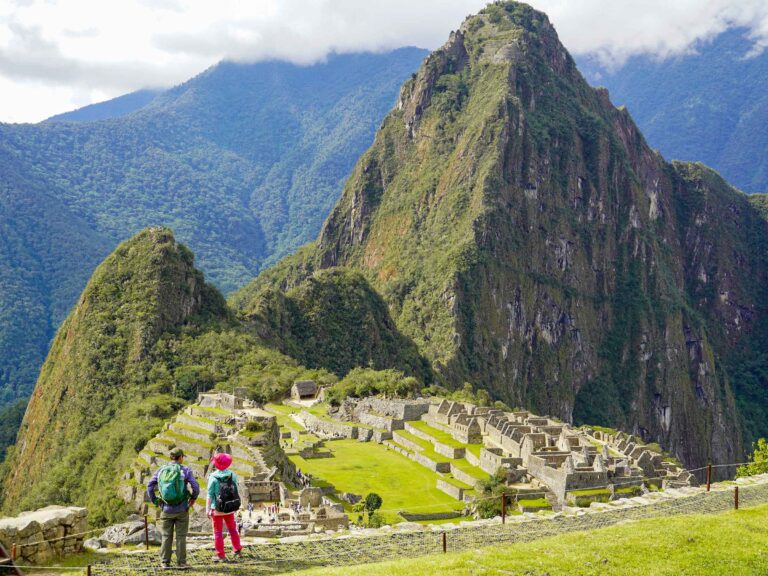
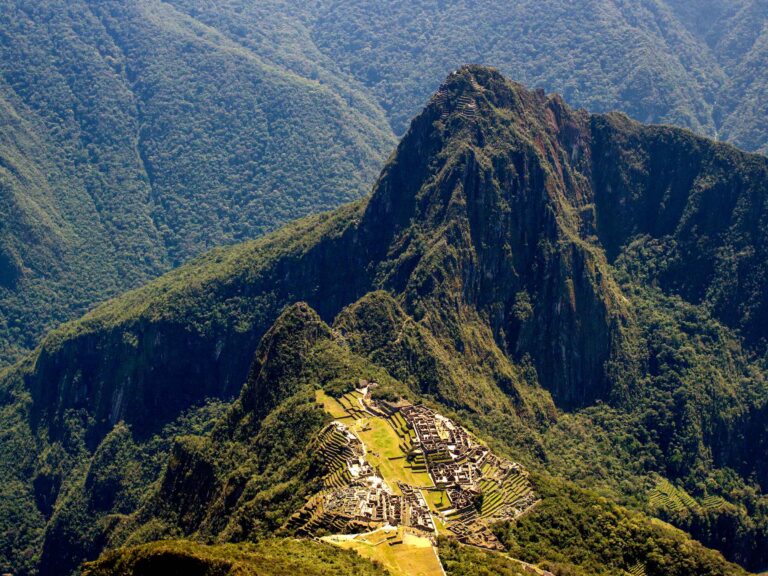
Unlike other routes, the Inca Trail ends at the Sun Gate, where hikers get their first panoramic view of Machu Picchu. This moment is considered one of the highlights of the entire experience.
Weather Conditions Change Quickly
The Andes are known for unpredictable weather. Temperatures can vary significantly between morning and afternoon, making proper clothing essential.
Preparation Makes a Big Difference
Travelers who take time to acclimatize, train, and pack correctly tend to have a much better experience on the trail.
Plan Your Inca Trail Experience
Knowing these key facts makes it easier to choose the right route, prepare properly, and avoid common mistakes that can affect your experience on the trail.
Ready to take the next step?
Explore all Inca Trail tours and find the option that fits your travel style.