

Huayna Picchu Explained: Key Information for Your Climb
Huayna Picchu, a majestic peak that towers over the ancient Incan city of Machu Picchu, offers a thrilling and unforgettable experience for those who dare to trek its paths. Known for its breathtaking views, historical significance, and challenging trails, Huayna Picchu is a must-visit for any adventurous traveler exploring Peru. The peak, often shrouded in mist, presents an enigmatic silhouette that beckons explorers from around the globe. Its steep slopes and narrow paths are a testament to the adventurous spirit of the Incas, who once traversed these same routes.
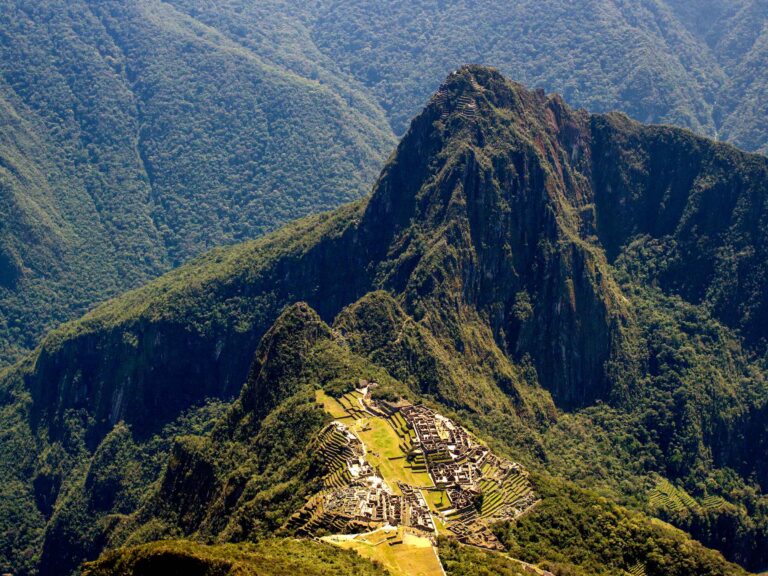
Rising approximately 2,720 meters above sea level, Huayna Picchu is the iconic peak featured in many photographs of Machu Picchu. Its name, which translates to “Young Peak” in Quechua, is a testament to its striking presence and youthful spirit that captivates the hearts of those who visit. This peak is not only a visual icon but also a cultural symbol, representing the enduring legacy of Incan civilization. From the town of Aguas Calientes, the peak looms large, offering a constant reminder of the adventure that awaits.
The atmosphere surrounding Huayna Picchu is one of mystery and intrigue. The dense jungle and the sounds of exotic wildlife create a surreal environment as you ascend. Early in the morning, the mist rises from the valley, enveloping the peak in a veil of secrecy. This mystical ambiance adds to the allure of Huayna Picchu, making each step feel like a journey back in time to the days of the Inca Empire. As the sun rises, it casts a golden hue over the landscape, adding to the mountain’s ethereal charm.
For photographers, Huayna Picchu is a paradise. The ever-changing weather, with its dramatic clouds and bursts of sunlight, offers endless opportunities for capturing stunning images. The contrast between the ancient ruins and the lush green mountains provides a breathtaking backdrop for any photo. Whether you’re a professional photographer or just capturing memories on your smartphone, the views from Huayna Picchu are sure to inspire awe and wonder.
Huayna Picchu’s allure lies in its combination of natural beauty, historical significance, and the challenge it presents to those who climb it. The trek up this peak is not just a physical journey but a spiritual one, offering a connection to the ancient past. The allure of Huayna Picchu is felt by all who visit, from seasoned hikers to those new to trekking.
The trek up Huayna Picchu is not for the faint-hearted. The path is steep and narrow, requiring a good level of fitness and a strong sense of adventure. Despite the challenges, the trek is immensely rewarding, offering a unique perspective of the Machu Picchu ruins and the surrounding Andes Mountains. Each step taken is a step into history, as the paths were once used by the Incas themselves. The sense of adventure is heightened by the knowledge that you are walking in the footsteps of an ancient civilization.
The trek’s difficulty is matched by its beauty. As you ascend, the landscape transforms, revealing new vistas with every turn. The air is crisp, and the scent of the jungle is invigorating. The trail, though challenging, is well-maintained, with handrails and ropes in place to assist climbers at the most difficult sections. The thrill of overcoming these obstacles adds to the sense of achievement felt upon reaching the summit.
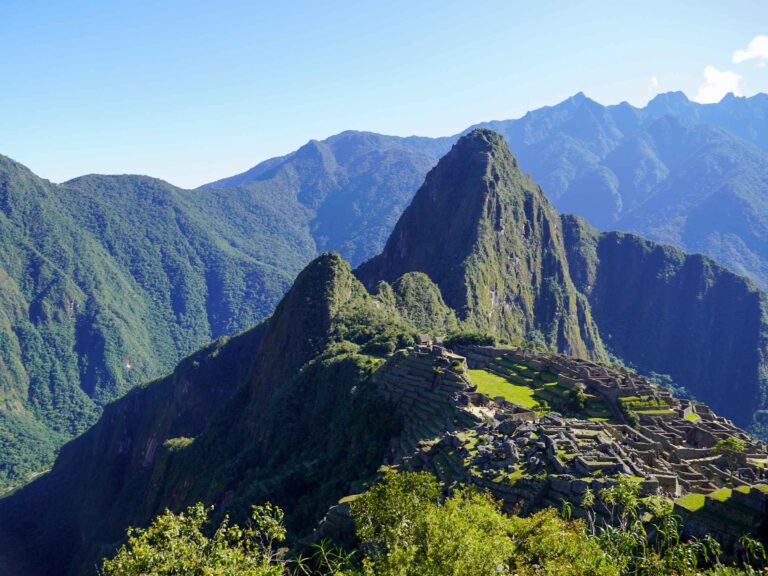
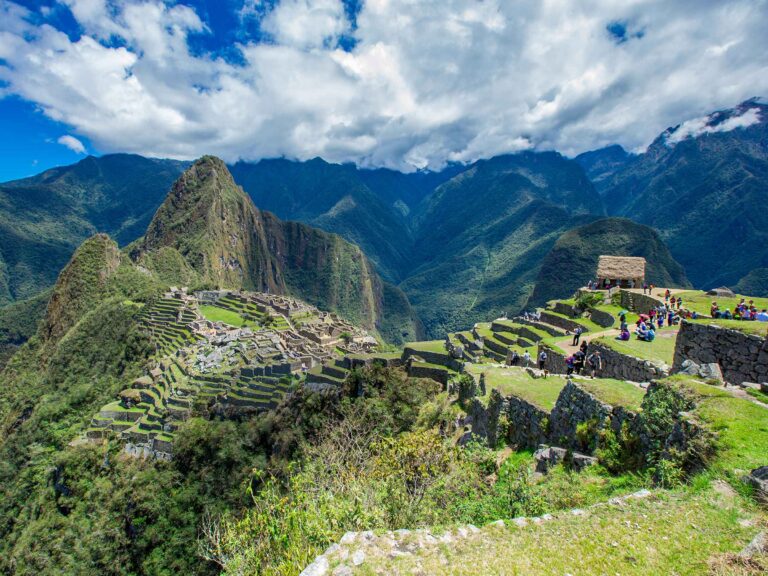
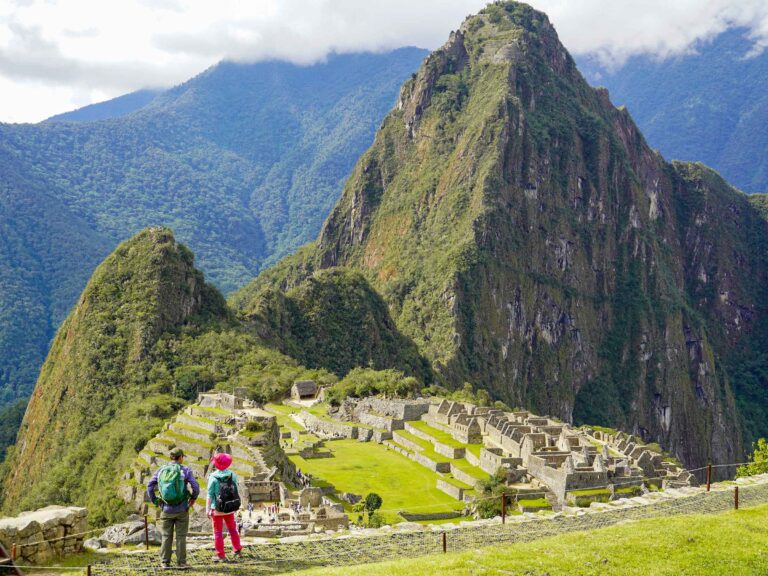
One of the main draws of Huayna Picchu is the stunning views it provides. As you ascend, the panorama of Machu Picchu unfolds below, offering a bird’s eye view of the ancient city nestled in the lush mountains. On a clear day, the sight is nothing short of magical, with the Urubamba River winding its way through the valley and the Andes stretching out to the horizon. The colors of the landscape are vibrant, with the deep greens of the jungle contrasting against the gray stone of the ruins.
The views from Huayna Picchu are not only beautiful but also humbling. The vastness of the landscape serves as a reminder of the power and beauty of nature. From the summit, you can see for miles, with the mountains extending endlessly into the distance. This perspective offers a moment of reflection, allowing you to appreciate the wonders of the world and the enduring legacy of the Inca civilization.
The sense of peace and tranquility found at the summit is unparalleled. The only sounds are the wind and the occasional call of a bird, creating a serene environment perfect for contemplation. The views from Huayna Picchu are a reward in themselves, making the challenging trek worthwhile.
Climbing Huayna Picchu offers a unique perspective of Machu Picchu and the surrounding area. From the summit, you can see the layout of the ancient city, gaining an appreciation for the Inca’s architectural prowess. The terraces and temples appear as if carved from the mountainside, a testament to the ingenuity and skill of the Inca people. This perspective also offers insight into the strategic importance of Machu Picchu, with its location providing both protection and a stunning view of the surrounding valleys.
The unique perspective gained from Huayna Picchu is not limited to the physical view. The climb offers a deeper understanding of the Inca’s connection to their environment and their reverence for nature. This connection is evident in the harmonious way the city blends with its surroundings, a reminder of the Inca’s respect for the natural world.
The opportunity to see Machu Picchu from this vantage point is a privilege, one that provides a deeper appreciation for the history and culture of the Inca civilization. The perspective gained from Huayna Picchu is one that stays with you long after the trek is over, a reminder of the beauty and mystery of this ancient wonder.
Huayna Picchu is not just a natural wonder; it also holds significant historical importance. The Inca civilization, known for its remarkable architectural and engineering feats, constructed a trail up the mountain as well as terraces and temples at its summit. This historical significance adds to the allure of Huayna Picchu, offering visitors a glimpse into the past and the opportunity to walk in the footsteps of the Incas.
One of the most intriguing features on Huayna Picchu is the Temple of the Moon. Located on the far side of the mountain, this sacred temple is carved into a cave and showcases exquisite stonework, a testament to the Inca’s advanced construction techniques. The temple is believed to have been a ceremonial site, possibly used for worship and astronomical observations. The precision of the stonework is remarkable, with each stone fitting perfectly with the next, a hallmark of Incan craftsmanship.
The Temple of the Moon is shrouded in mystery, with its purpose still debated by historians and archaeologists.
Some believe it served as a place of worship, while others suggest it was used for astronomical observations, aligning with the Inca’s deep understanding of the cosmos. Regardless of its original purpose, the temple remains a fascinating site, offering insight into the spiritual and intellectual life of the Inca civilization.
The location of the Temple of the Moon adds to its intrigue. Nestled within the mountain, it is hidden from view, accessible only by a steep and challenging path. This seclusion adds to the temple’s mystique, making it a must-visit for those interested in the history and culture of the Inca Empire.
The trail to the top of Huayna Picchu is part of the larger network of Inca trails that crisscross the region. These trails were essential for communication and transport across the Inca Empire. Along the way, you will also encounter terraces that were likely used for agriculture, demonstrating the Inca’s ability to adapt to the challenging mountainous terrain. The terraces are a testament to the Inca’s ingenuity, allowing them to cultivate crops in an environment that would otherwise be inhospitable.
The Inca Trail is more than just a path; it is a journey through history. As you walk along the trail, you are following in the footsteps of the Incas, experiencing the same challenges and marvels they once did. The trail is a reminder of the Inca’s resilience and resourcefulness, their ability to thrive in a harsh and unforgiving landscape.
The terraces along the trail are a marvel of engineering, showcasing the Inca’s ability to manipulate their environment to suit their needs. These terraces allowed the Inca to cultivate crops on steep mountainsides, ensuring a steady food supply for their people. The trail and terraces are a testament to the Inca’s ingenuity and their deep understanding of their environment.
The historical significance of Huayna Picchu is not limited to its trails and temples. The mountain is a symbol of the
Inca’s legacy of innovation and their ability to adapt to their environment. The construction of trails, terraces, and temples on such a challenging landscape is a testament to the Inca’s skill and ingenuity. This legacy is evident in the way the city of Machu Picchu blends seamlessly with its surroundings, a harmonious blend of nature and architecture.
The Inca’s legacy of innovation is also evident in their understanding of astronomy and their ability to harness the natural world for their benefit. The construction of the Temple of the Moon and other astronomical sites is a testament to their deep understanding of the cosmos and their ability to use this knowledge to guide their daily lives.
The legacy of the Inca is one of resilience and resourcefulness, qualities that are still admired today. The historical significance of Huayna Picchu is a reminder of the achievements of this remarkable civilization and their enduring impact on the world.
Before embarking on the Huayna Picchu trek, it’s important to be well-prepared. Here are some tips to ensure a safe and enjoyable journey. Preparation is key to a successful trek, and taking the time to plan ahead will ensure a smooth and enjoyable experience.
Access to Huayna Picchu is limited to 400 visitors per day, divided into two groups. It’s essential to book your permit well in advance, as spots fill up quickly. The permit is an additional cost to the Machu Picchu entrance fee and can be obtained through the official Machu Picchu website or authorized travel agencies. Booking your permit early ensures you have a spot on the trek and allows you to plan your trip accordingly.
Understanding the permit process is crucial for a successful trek. The limited number of visitors allowed each day helps preserve the natural environment and ensures a more enjoyable experience for those who visit. The permit system also helps manage the flow of visitors, reducing congestion on the trails and at the summit.
The entrance fees contribute to the maintenance and preservation of Machu Picchu and its surrounding areas. By paying the entrance fee, you are helping to protect this UNESCO World Heritage Site for future generations to enjoy.
The trek up Huayna Picchu is challenging, requiring stamina and a good level of fitness. It’s advisable to engage in regular exercise leading up to your trip, focusing on cardiovascular endurance and leg strength. Acclimating to the altitude is also crucial, so consider spending a few days in Cusco or the Sacred Valley before attempting the climb.
This preparation will help you tackle the steep and narrow paths with confidence.
Building endurance through regular exercise is essential for a successful trek. Activities such as hiking, running, or cycling can help improve cardiovascular fitness and build the leg strength needed for the climb. Additionally, practicing balance and flexibility exercises can help with the uneven terrain and narrow paths.
Acclimating to the altitude is a crucial part of preparation. Spending time in higher altitudes before the trek allows your body to adjust to the thinner air, reducing the risk of altitude sickness. Hydration is also important, as it helps your body adapt to the altitude more effectively.
Pack lightly but wisely for your trek. Essential items include:
- Sturdy hiking boots with good grip
- A lightweight rain jacket
- A hat and sunscreen for sun protection
- Plenty of water and snacks
- A camera to capture the incredible views
Having the right gear can make all the difference in your trekking experience. Sturdy hiking boots are essential for navigating the rocky and uneven terrain, providing support and preventing injuries. A lightweight rain jacket is important for protecting against unexpected weather changes, as the climate can be unpredictable in the mountains.
Sun protection is crucial, as the sun’s rays are stronger at higher altitudes. A hat and sunscreen help protect your skin from harmful UV rays. Hydration is key to maintaining energy levels and preventing altitude sickness, so carrying plenty of water is essential. Snacks provide the necessary fuel for the trek, ensuring you have the energy to reach the summit.
A camera is a must-have for capturing the breathtaking views and documenting your journey. The memories created on the trek are ones you’ll want to cherish and share with others.
The experience of climbing Huayna Picchu is one that stays with travelers long after they have descended. The combination of physical exertion, stunning natural beauty, and historical intrigue creates a journey that is as fulfilling as it is exhilarating. Each step on the trail is a step into history, offering a connection to the ancient past and a sense of achievement.
The ascent begins with a steep climb through lush vegetation. As you make your way up the narrow stone steps, the air becomes thinner, and the terrain more challenging. The trail is often referred to as the “Stairs of Death” due to its steepness and narrowness, but with careful footing and determination, it is manageable. The ascent is a test of endurance and strength, but the reward of reaching the summit makes every step worthwhile.
The lush vegetation along the trail creates a vibrant and immersive environment. The sounds of the jungle, from the calls of exotic birds to the rustling of leaves, add to the sense of adventure. The path is well-marked, with handrails and ropes in place to assist climbers at the most challenging sections.
The ascent is not just a physical challenge but a mental one as well. The narrow paths and steep drops require focus and concentration, adding to the sense of achievement felt upon reaching the summit. The “Stairs of Death” may sound intimidating, but with careful footing and determination, they are manageable.
Upon reaching the summit, you are rewarded with breathtaking views that make every step worthwhile. The panoramic vista of Machu Picchu and the surrounding mountains is a sight to behold, offering a sense of peace and accomplishment. The summit is a place of reflection, where the beauty of the landscape and the history of the Inca civilization come together in harmony.
The views from the summit are nothing short of spectacular. The ancient city of Machu Picchu lies below, nestled in the lush green mountains. The Urubamba River winds its way through the valley, and the Andes stretch out to the horizon. The sense of accomplishment felt upon reaching the summit is unmatched, a reward for the physical and mental challenges of the ascent.
The summit is a place of peace and tranquility, where the only sounds are the wind and the occasional call of a bird. It is a place to reflect on the journey and appreciate the beauty of the world. The sense of connection to the past and the natural world is profound, making the summit a truly special place.
The descent can be just as challenging as the ascent, so take your time and watch your footing. Once back at the base, you’ll have the opportunity to explore more of Machu Picchu or simply reflect on the incredible journey you have just completed. The descent is a time to savor the experience, taking in the views and the memories created along the way.
The descent requires focus and concentration, as the narrow paths and steep drops can be challenging. Taking your time and watching your footing ensures a safe and enjoyable journey back to the base. The descent is an opportunity to reflect on the experience and appreciate the beauty of the landscape.
Back at the base, the adventure doesn’t have to end. Exploring more of Machu Picchu or simply reflecting on the journey allows you to fully appreciate the experience. The memories created on the trek are ones that will stay with you forever, a reminder of the beauty and mystery of this ancient wonder.
Huayna Picchu is more than just a trek; it is an adventure that combines natural beauty, historical wonder, and personal achievement. Whether you’re drawn by the promise of spectacular views or the mystery of ancient Incan ruins, climbing Huayna Picchu is an experience you will cherish forever. So lace up your hiking boots, embrace the challenge, and prepare to be amazed by the allure of Huayna Picchu. The journey is one that will stay with you long after you’ve descended, a reminder of the beauty and wonder of the world.
The Incas used Huayna Picchu to build several complexes, such as the impressive Temple of the Moon at the mountain’s back. The Incas also made the summit of Huayna Picchu a series of small terraces and some buildings. These buildings could form part of an astronomical observatory. Still, they would also have served as a point of guardians of the citadel because, from this point, you will see all of Machu Picchu, Inti Punku, and the roads that lead to the town.
The Temple of the Moon, “Huayna Picchu.”
This archaeological site features one of the most beautiful Inca constructions inside a cave, where finely polished stones were perfectly intertwined, leaving not a millimeter between their joints. This structure features beautiful vaulted caves and trapezoidal voids typical of Inca constructions. In front of the cave, a stone altar suggests this was a place for sacrifices.




Discussion 1
Salt Mines + Machu Picchu 2 Day | Kondor Path Tours
November 7, 2021 at 9:54 pm[…] Quechua, Huayna Picchu means Young Mountain and although it has a little-known name, this is the mountain that appears in […]