
How to Get to the Salkantay Trek: Routes, Transport & Tips
The Salkantay Trek is a breathtaking journey through the Peruvian Andes, offering a scenic alternative to the famous Inca Trail. Known for its stunning landscapes, diverse ecosystems, and captivating history, the Salkantay Trail is a must for avid hikers and adventure seekers. In this guide, we’ll explore how to get to the Salkantay Trek, what to expect along the way, and how to prepare for this unforgettable adventure.
The Salkantay Trek is a high-altitude trail that spans approximately 46 miles (74 kilometers) and typically takes 4 to 5 days to complete. This trek leads adventurers through diverse terrains, from lush tropical rainforests to snow-capped mountains, culminating in a visit to the legendary Machu Picchu. The trek is named after Mount Salkantay, one of the highest peaks in the Peruvian Andes, towering at 20,574 feet (6,271 meters).
Beyond its physical challenges, the trek offers an immersive experience into the Andean culture. You’ll encounter local Quechua-speaking communities, who live in harmony with the breathtaking yet harsh environment. Their warm hospitality adds a cultural dimension to the trek that is as enriching as the natural beauty surrounding you.
Moreover, the Salkantay Trek offers the opportunity to witness an astonishing array of biodiversity. As you move from one ecosystem to another, you’ll spot a variety of flora and fauna, including orchids, hummingbirds, and possibly the elusive spectacled bear. This diversity makes the trek not just a physical journey but a deeply fulfilling exploration of nature’s wonders.
Unlike the Inca Trail, which requires permits and often books up months in advance, the Salkantay Route is more accessible and offers equally stunning views. The trail is less crowded, allowing for a more intimate experience with nature, where you can genuinely connect with the serene environment without the hustle and bustle of large groups.
The flexibility of the Salkantay Trek is another appealing factor. Without the strict regulations of the Inca Trail, hikers can set their own pace, allowing them to tailor the experience to their personal preferences and fitness levels. Whether you prefer a leisurely pace to soak in every detail or a more brisk trek, the Salkantay Trail accommodates all.
Additionally, the Salkantay Trek offers an unparalleled sense of adventure and discovery. The varying landscapes, from glaciers to cloud forests, keep the journey exciting and unpredictable. This element of surprise enhances the overall experience, making each day on the trail a new chapter of exploration and wonder.
The Salkantay Trek is not just a natural marvel but also a corridor through history. The trail meanders through ancient Incan pathways, leading trekkers to ruins that whisper stories of a bygone era. Walking these paths allows you to step back in time and imagine life in the Andes centuries ago.
Understanding the historical context enriches the trekking experience. The Inca civilization, renowned for its architectural prowess and astronomical knowledge, left behind a legacy that you can feel in the stones of the old trails and walls. This connection to history adds depth to the physical journey, making the trek a spiritual as well as an adventurous pilgrimage.
Furthermore, the trek offers insights into contemporary Andean culture, which is deeply rooted in Incan traditions. The way locals cultivate their land, celebrate their festivals, and conduct their daily lives is a living testament to this rich heritage. Engaging with these cultural elements provides a holistic trekking experience that is both educational and transformative.
The best time to embark on the Salkantay Trek is during the dry season, which runs from May to October. During these months, you can expect clearer skies and more stable weather, making it ideal for hiking. However, be prepared for chilly temperatures, especially at higher altitudes, where the air can be thin and the winds biting.
Planning your trip during the dry season ensures safer trekking conditions. With reduced rain risk, the trails are less slippery, and river crossings are more manageable. This weather predictability allows you to focus on the trek itself without worrying about adverse conditions that could affect your journey.
Despite the dry season being the best time, each month within this period offers a slightly different experience. For instance, May and October are shoulder months, providing a quieter experience with fewer trekkers. Meanwhile, June to August is peak season, often coinciding with local festivals, offering a vibrant cultural experience alongside the trek.
Packing wisely is crucial for a successful trek. Here’s a basic checklist of essentials:
- Clothing: Layered clothing is essential to adapt to changing temperatures. Moisture-wicking shirts help keep you dry, while thermal layers keep you warm. A waterproof jacket is indispensable against unexpected weather changes, and sturdy hiking boots with good ankle support are a must for navigating uneven terrain.
- Gear: A good quality backpack is vital, with enough space to carry your gear without being cumbersome. A sleeping bag suitable for cold temperatures ensures a restful night’s sleep, and trekking poles can help stabilize your walk, reducing strain on your joints. A headlamp is crucial for early-morning starts or late-evening arrivals.
Miscellaneous: Sunscreen protects against the high-altitude sun, while insect repellent is necessary for the lower, more humid parts of the trek. A reusable water bottle or hydration system helps maintain hydration, and high-energy snacks like nuts and dried fruits are perfect for quick energy boosts on the trail.
Packing smartly not only ensures comfort but also safety. By being prepared for various weather conditions and having the right equipment, you can fully enjoy the trek without being hindered by unforeseen challenges.
Preparing physically is key to enjoying the Salkantay Trek. Regular cardio workouts, such as running or cycling, can build the stamina needed for long days of trekking. Incorporating strength training, particularly focusing on the legs and core, can also help handle challenging terrain.
Mental preparation is equally important. The trek can be demanding, and having the right mindset can make a significant difference. Visualizing the journey, setting realistic goals, and maintaining a positive attitude can help you overcome physical challenges and fully appreciate it.
Consider practicing meditation or mindfulness techniques before and during the trek. These practices can help you stay present, appreciate the stunning surroundings, and manage any stress or fatigue you may encounter on the trail.
The adventure begins in Cusco, a city rich in history and culture, gateway to the Salkantay Trek. Cusco is easily accessible by air, with daily flights from Lima and other major cities in Peru. Once in Cusco, take some time to acclimatize to the altitude, as it sits at over 11,000 feet (3,400 meters) above sea level.
Cusco itself is a destination worth exploring. Known as the historic capital of the Inca Empire, the city is a UNESCO World Heritage site, filled with architectural marvels, cobbled streets, and vibrant markets. Spend a day or two wandering through the city to immerse yourself in its rich cultural tapestry.
Acclimatizing in Cusco also involves adjusting your body to the high altitude. This process can be supported by staying hydrated, eating light meals, and avoiding strenuous activities. Consider sipping coca tea, a local remedy believed to help with altitude adaptation, which is widely available throughout the city.
The trek officially starts in the small town of Mollepata, about a 3-hour drive from Cusco. You can reach Mollepata by hiring a private taxi or taking a bus from Cusco’s main terminal. Buses are more budget-friendly, but taxis offer greater flexibility in departure times.
The journey from Cusco to Mollepata is scenic and hints at the adventure ahead. As you drive through the Andean countryside, you’ll pass through valleys, see local farms, and get your first glimpses of the majestic mountains. This ride can be an introduction to the diverse landscapes you’ll encounter on the trek.
Opting for a taxi offers the convenience of stopping along the way, so you can take photos or explore small villages. On the other hand, traveling by bus offers a chance to interact with locals and fellow trekkers, setting the tone for the communal aspects of the trekking experience.
From Mollepata, you’ll continue to Soraypampa, the starting point of the actual hike. Some trekkers choose to begin walking from Mollepata, adding an extra day to the trek, while others take a vehicle directly to Soraypampa to save time and energy.
For those who decide to walk from Mollepata, the journey offers a gentle introduction to the trek. This route allows you to slowly acclimate to the altitude and terrain, passing through small villages and stunning landscapes that provide a taste of what’s to come.
Arriving in Soraypampa marks the beginning of the core trekking experience. Here, you’ll camp for the night under the stars, surrounded by the towering peaks of the Andes. This location sets the stage for the days ahead, building anticipation for the adventure that lies beyond the horizon.
Begin your trek from Soraypampa, ascending to the stunning Humantay Lake. This turquoise glacial lake, nestled amid snow-capped peaks, offers a serene spot for reflection. After soaking in the views, continue to Salkantaypampa, where you’ll camp for the night under a blanket of stars.
The ascent to Humantay Lake serves as a warm-up for the days ahead. The path is steep, but the reward is a breathtaking view that makes the effort worthwhile. The crystal-clear waters of the lake reflect the surrounding mountains, creating a mesmerizing scene that is perfect for photos and meditation.
Camping at Salkantaypampa offers the chance to acclimatize further and prepare for the trek’s most challenging day. The night sky here is a spectacle in itself, with countless stars visible due to the high altitude and lack of light pollution. This night under the Andean sky can be a spiritual experience, connecting you with nature in a profound way.
This is the most challenging day as you cross the Salkantay Pass, the trek’s highest point at 15,213 feet (4,638 meters). The effort is rewarded with breathtaking views of Mount Salkantay. Descend to Chaullay for the night, passing through stunning landscapes that shift dramatically as you lose altitude.
Crossing the Salkantay Pass is a test of endurance and willpower. The ascent is steep and challenging, but reaching the top offers a sense of accomplishment and awe. The panoramic views from the pass are unparalleled, with Mount Salkantay standing majestically against the sky.
The descent to Chaullay is a journey through changing ecosystems. As you move to lower altitudes, the barren, rocky landscape gives way to lush greenery and vibrant flora. This dramatic shift is a reminder of the Andes’ incredible biodiversity, and it introduces you to the warmer, more hospitable climates ahead.
Experience a dramatic change in scenery as you trek through cloud forests and warmer climates. The trail winds through lush vegetation, offering glimpses of exotic wildlife and colorful flowers. La Playa provides a chance to rest and enjoy local hospitality, with opportunities to explore small coffee plantations and taste fresh local produce.
The cloud forest is a mystical environment, with mist often hanging in the air and a chorus of birdcalls accompanying your journey. This section of the trek is less strenuous, allowing you to savor the beauty around you and take in the rich tapestry of life that thrives in this unique ecosystem.
Arriving at La Playa provides a welcome respite. This small settlement offers basic comforts and a chance to interact with locals. Exploring the nearby coffee plantations can be a highlight, as you learn about the cultivation process and enjoy a fresh cup of locally grown coffee, a perfect end to a rewarding day.
The trail continues to Aguas Calientes, the gateway to Machu Picchu. The route takes you through varied landscapes, from agricultural fields to dense forests. Consider a visit to the hot springs in Aguas Calientes for some relaxation after a long day of hiking, soothing your muscles in preparation for the next day’s exploration.
The journey to Aguas Calientes is a transition from rural landscapes to the bustling gateway town. As you approach, the anticipation builds, knowing that Machu Picchu is within reach. The trail offers a final opportunity to reflect on the journey so far and prepare mentally for the marvels that await.
Aguas Calientes is a vibrant town with a lively atmosphere, filled with travelers from around the world. The hot springs here offer a perfect opportunity to relax and recharge, soaking in the warm waters while reflecting on completing the trek and the excitement of the day ahead.
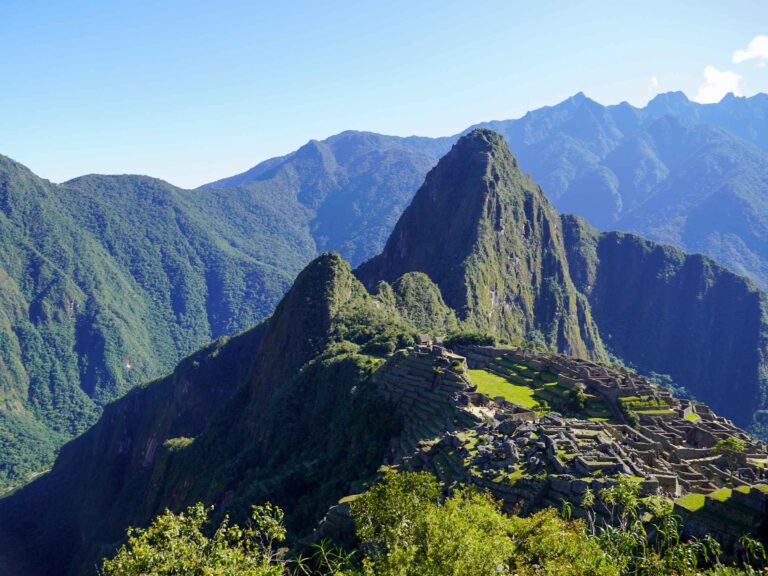
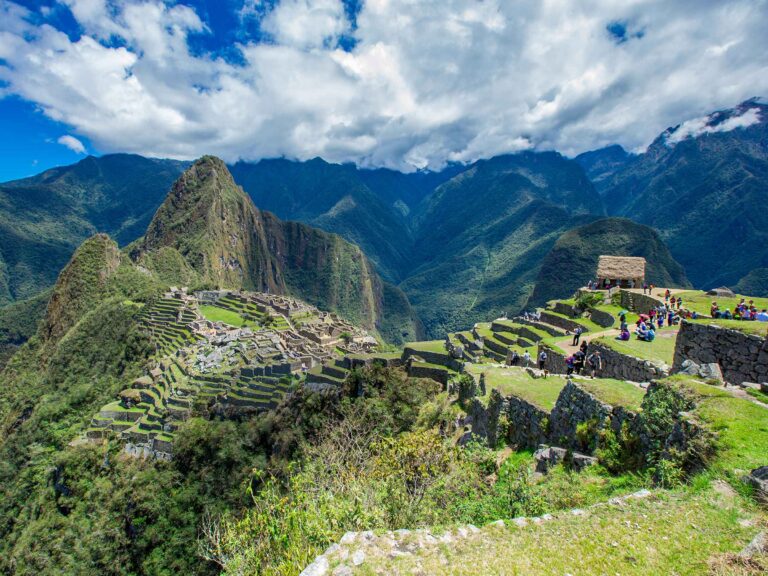
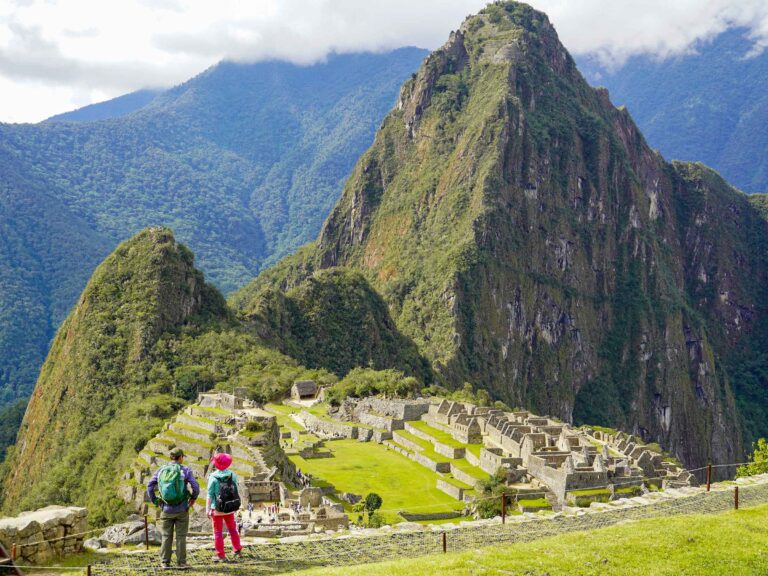
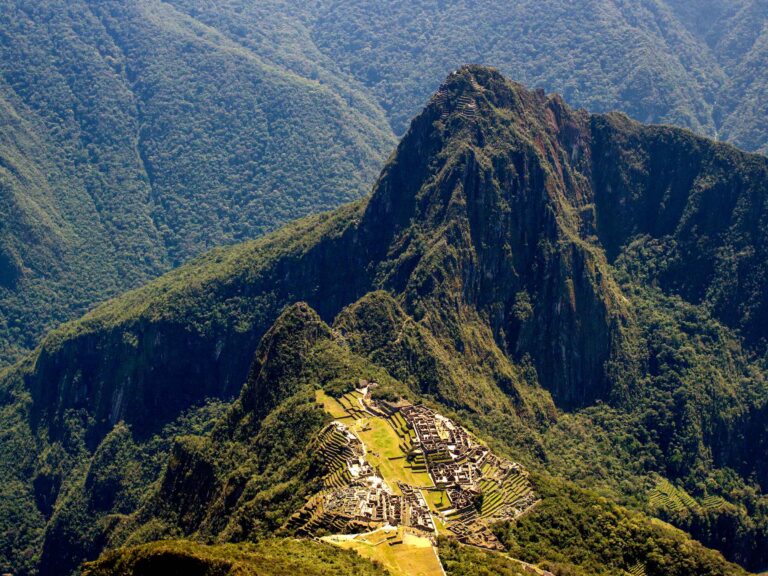
Wake up early to explore the ancient ruins of Machu Picchu. Spend the day wandering through this wonder of the world, taking in its majestic history and architecture. Each corner reveals a new story, from the Temple of the Sun to the Intihuatana stone, offering insights into the ingenuity of the Incan civilization.
Machu Picchu is a site of unparalleled beauty and historical significance. The early morning light casts a magical glow over the ruins, enhancing the sense of mystery and wonder. As you explore, you’ll discover the intricate stonework and thoughtful design that reflect the Incas’ deep connection to astronomy and the natural world.
Take time to climb Huayna Picchu or Machu Picchu Mountain for panoramic views of the citadel and surrounding landscapes. These climbs offer a new perspective on the ruins, highlighting their strategic location amidst the rugged terrain. Conclude your visit with a moment of quiet reflection, absorbing the energy and history that permeates the site.
To prevent altitude sickness, spend a few days in Cusco acclimatizing before starting the trek. Stay hydrated, avoid alcohol, and consider taking medication if you’re prone to altitude-related symptoms. Gradual acclimatization helps your body adjust to the reduced oxygen levels, ensuring a more comfortable trekking experience.
Acclimatization is a crucial step that should not be rushed. Listen to your body, and give it time to adapt to the altitude. Engaging in light activities, such as walking around Cusco, can aid acclimatization, helping you ease into the physical demands of the trek.
Incorporating local remedies, like coca leaves, can also be beneficial. These leaves have been used for centuries by Andean communities to combat altitude sickness, and they are readily available in various forms, such as tea or candy, throughout Cusco and along the trek.
While it’s possible to hike the Salkantay Trail independently, many opt for guided tours that handle logistics, such as transportation, meals, and permits for Machu Picchu. Guided tours offer peace of mind and allow you to focus on the experience without worrying about the details.
Choosing a guided tour can enhance your trekking experience. Knowledgeable guides provide insights into the region’s history, culture, and biodiversity, enriching your understanding of the trail. They also ensure safety and support, addressing any concerns that may arise during the trek.
For those who prefer independence, trekking alone offers the freedom to set your own pace and itinerary. This option requires more preparation, as you’ll need to arrange your own accommodations, meals, and transport. However, the sense of adventure and self-reliance can be gratifying, offering a deeply personal connection to the journey.
The Salkantay Trek traverses some of Peru’s most pristine landscapes. Practice Leave No Trace principles, respect local wildlife, and minimize your environmental impact by packing out all trash. Preserving the trail’s natural beauty ensures that future generations can also enjoy this incredible journey.
Respecting the environment is integral to sustainable trekking. Stay on designated paths to prevent erosion and damage to fragile ecosystems. Be mindful of your water usage, and avoid contaminating local water sources to protect the delicate balance of the natural habitats. Engage with local communities respectfully and supportively. Purchase goods and services from local providers, contributing to the local economy and fostering positive relationships. By being a responsible trekker, you contribute to the preservation and appreciation of the Salkantay Trek for years to come.
The Salkantay Trek is more than just a hike; it’s an adventure through some of the most awe-inspiring landscapes on Earth. By following this guide, you’ll be well-prepared to embark on this unforgettable journey to Machu Picchu. Whether you’re a seasoned trekker or a first-time hiker, the Salkantay Trail offers an experience that will leave you with memories to last a lifetime. So lace up your boots, pack your gear, and get ready to explore the magic of the Salkantay Route.
Embarking on the Salkantay Trek is a commitment to adventure, discovery, and personal growth. Each step along the trail is an opportunity to connect with nature, immerse yourself in rich cultural traditions, and challenge your physical limits. The journey is a tapestry of breathtaking landscapes, historical intrigue, and personal reflection, culminating in the awe-inspiring sight of Machu Picchu.
As you prepare for this journey, remember that the trek is as much about the journey as it is about reaching the destination. Take time to savor each moment, appreciate the diverse beauty of the Andes, and engage with the stories and people that make this trek unique. With preparation, respect, and an open heart, the Salkantay Trek promises an experience that is as rewarding as it is unforgettable.
On this Salkantay trek, we will visit Mollepata, a famous snowy area in the Salkantay region.