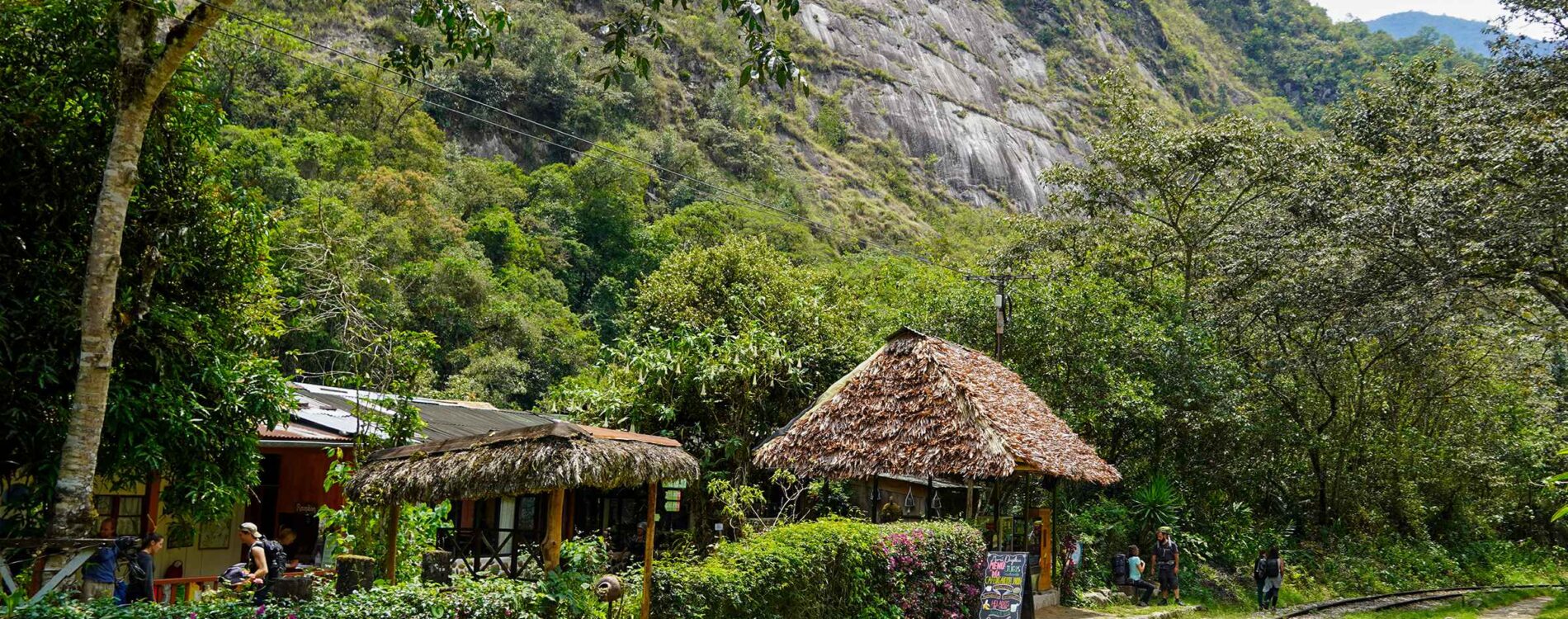
The Inca Trail offers a unique combination of natural beauty, archaeological wonders, and cultural significance. As you walk the ancient paths used by the Incas, you’ll pass through diverse ecosystems, witness stunning vistas, and explore well-preserved ruins.
This trek is not just a physical journey but also a spiritual and historical one, providing insights into the rich heritage of the Inca civilization.
The trail traverses through lush cloud forests, alpine tundra, and subtropical jungle, offering an unparalleled variety of landscapes. Each step reveals new vistas, from towering snow-capped peaks to verdant valleys.
The diverse flora and fauna along the trail enhance the experience, with opportunities to spot exotic birds, orchids, and other wildlife. The region’s natural beauty serves as a powerful reminder of the earth’s biodiversity and the importance of preserving these environments.
As you explore these ancient ruins, you’ll gain a deeper understanding of the architectural prowess and cultural sophistication of the Incas. Sites like Llactapata, Runkurakay, and Phuyupatamarca offer a glimpse into the past, showcasing the Incas’ remarkable engineering skills and their ability to thrive in challenging environments.
Each site adds a new chapter to the story of the Inca civilization. The trail is more than just a physical path; it’s a cultural corridor that connects modern travelers to the ancient world. Walking in the footsteps of the Incas, you’ll feel a sense of connection to the past and an appreciation for the cultural heritage preserved over centuries.
The trail offers a unique opportunity to learn about Inca traditions, beliefs, and way of life, enriching your journey with a deeper cultural context. This cultural immersion is a key aspect of the Inca Trail’s allure.
The short answer is no. The Peruvian government requires all hikers to be accompanied by a licensed guide to preserve the trail and ensure safety. This regulation helps manage foot traffic, protect the environment, and maintain the integrity of the historic sites along the trail. Guided hikes are crucial for maintaining the ecological and cultural integrity of the Inca Trail.
Licensed guides are trained to minimize environmental impact and ensure that visitors follow sustainable practices. They play a vital role in preserving the trail for future generations by educating hikers on the importance of conservation. The presence of guides also ensures that the archaeological sites are respected and protected from damage. Safety is a top priority on the Inca Trail, and having a guide ensures that hikers adhere to regulations designed to protect them.
Guides are knowledgeable about the trail’s challenges and are equipped to handle emergencies. They provide valuable information on altitude sickness, weather conditions, and trail etiquette. By following their guidance, hikers can enjoy a safe and fulfilling journey while respecting the Peruvian government’s rules.
A knowledgeable guide can significantly enhance your Inca Trail experience by providing insights into the region’s history, culture, and ecology. They share stories and legends that bring the trail to life, adding depth to your journey. Guides also handle logistics, such as securing permits and organizing meals and camping arrangements, allowing you to focus on the adventure.
Their expertise transforms the trek into an educational and enriching experience. Selecting the right guide is crucial for a successful Inca Trail experience. Look for reputable tour operators with positive reviews and a commitment to sustainable tourism. A knowledgeable guide will enhance your journey with insights into the region’s history, culture, and ecology. They will also assist with logistics, such as permits, meals, and camping arrangements.
Look for companies with a strong reputation for safety and sustainability. Read reviews from past hikers to gauge the quality of their experiences. Consider the operator’s commitment to environmental conservation and their efforts to support local communities. A reliable tour operator will prioritize ethical practices and provide a memorable, responsible adventure.
Your guide’s expertise can make a significant difference in your Inca Trail experience. Look for guides who are knowledgeable about the region’s history, culture, and ecology. They should be able to share fascinating stories and provide educational insights throughout the trek. An experienced guide can also offer practical advice on acclimatization, pacing, and dealing with altitude sickness, enhancing both your safety and enjoyment.
Opt for tour operators that prioritize sustainable tourism practices. This includes minimizing environmental impact, supporting local communities, and preserving cultural heritage. Ask about their efforts to reduce waste, conserve resources, and promote responsible tourism. By choosing a tour operator committed to sustainability, you’ll help preserve the Inca Trail and ensure future generations can enjoy its beauty.
It includes steep ascents and descents, with altitudes reaching over 13,000 feet. To prepare, engage in regular cardiovascular and strength training exercises. Hiking on varied terrain with a loaded backpack will help condition your body for the demands of the trail.
Preparing physically for the Inca Trail is essential to ensure a successful and enjoyable trek. Start your training regimen several months in advance, focusing on building endurance and strength. Incorporate cardiovascular exercises such as running, cycling, or swimming to improve your stamina. Additionally, engage in strength training to build the muscles you’ll rely on during steep climbs and descents.
Practicing hikes on varied terrain, with a loaded backpack, will help simulate trail conditions and prepare your body for the journey ahead. Altitude sickness is a common concern on the Inca Trail, as the trek reaches elevations over 13,000 feet.
To minimize the risk, spend a few days in Cusco or another high-altitude location before starting the trek. This acclimatization period allows your body to adjust to the reduced oxygen levels. During the hike, listen to your body and take breaks as needed. Staying hydrated and maintaining a steady pace can also help prevent altitude-related issues.
The trek can be mentally challenging, especially during strenuous sections like Dead Woman’s Pass. Cultivate a positive mindset and be prepared to face obstacles with resilience. Visualize yourself completing the trek, and set realistic goals for each day. Remember that the journey is as much about the experience and personal growth as it is about reaching Machu Picchu.
Packing the right gear is essential for a comfortable and safe trek. Here’s a checklist of essential items:
Choosing the proper clothing and footwear is crucial for comfort and safety on the Inca Trail. Invest in high-quality, sturdy hiking boots that are well broken in to prevent blisters. Dress in moisture-wicking layers to regulate your body temperature and adapt to changing weather conditions. Pack a waterproof jacket and pants, as rain is common in the Andes. Don’t forget a warm hat and gloves for chilly mornings and evenings.
Proper gear can make a significant difference in your trekking experience. Bring a high-quality sleeping bag rated for cold temperatures, as nights can be pretty chilly.
Trekking poles provide stability on steep and uneven terrain, reducing strain on your knees and joints. A backpack that fits comfortably and has adequate capacity is essential for carrying your gear. Consider packing a headlamp for early morning starts and a portable charger for your electronic devices.
Prepare for the physical demands of the trail by packing health and safety essentials. Sunscreen and sunglasses are crucial to protect against the intense UV rays at high altitudes. A first-aid kit with band-aids, antiseptic wipes, and pain relievers is essential for treating minor injuries. Pack a water purification system, such as tablets or a filter, to ensure a safe water supply. Staying hydrated is vital, so carry a refillable water bottle and drink regularly.
The first day’s trek is relatively easy, allowing you to acclimate to the altitude and enjoy the lush surroundings. You’ll camp near the ruins of Llactapata, where you’ll have your first taste of Inca history. Day two is the most challenging, as you ascend to the highest point of the trail, Dead Woman’s Pass, at 13,828 feet. The climb is strenuous, but the panoramic views are worth the effort.
After a well-deserved rest at the summit, you’ll descend into the Pacaymayo Valley, where you’ll camp for the night. The third day is a journey through time, as you visit several significant Inca sites, including Runkurakay, Sayacmarca, and Phuyupatamarca. Each site offers a glimpse into the architectural prowess and cultural practices of the Incas. The day concludes with a descent into the cloud forest and a campsite at Winay Wayna.
On the final day, you’ll rise early to reach the Sun Gate at dawn, where you’ll witness the first light hitting Machu Picchu. This breathtaking view is the culmination of your trek and a reward for your perseverance. After exploring the ancient city with your guide, you’ll descend to Aguas Calientes for a well-deserved rest.
Acclimatizing to the altitude is crucial for a successful trek. Arrive in Cusco a few days early to give your body time to adjust to the lower oxygen levels. During the trek, prioritize hydration by drinking plenty of water to help prevent altitude sickness. Consider avoiding alcohol and caffeine, as they can contribute to dehydration. Staying hydrated will support your physical performance and overall well-being on the trail.
The Inca Trail’s varying altitudes and terrain can be demanding, so take regular breaks to rest and recharge. Don’t hesitate to communicate with your guide if you need to slow down or take a break. By pacing yourself and maintaining a steady rhythm, you’ll conserve energy and enjoy the journey to its fullest. Respecting the environment and local culture is key to preserving the trail’s beauty and heritage. Follow Leave No Trace principles by packing out all trash and minimizing your impact on the environment. Respect the cultural significance of the archaeological sites and follow your guide’s instructions to help preserve them. By being a responsible traveler, you’ll help sustain the Inca Trail and its cultural legacy.
By preparing adequately and choosing the right guide, you can ensure a rewarding experience that will leave you with lasting memories. Whether you’re drawn by the allure of Machu Picchu or the rich history of the Incas, this trek offers something for everyone.
Embark on this journey, and you’ll not only discover the wonders of the ancient world but also gain a deeper appreciation for the resilience and ingenuity of the Inca civilization. Happy trails! The Inca Trail to Machu Picchu is a bucket-list adventure for many travelers.
This 4-day trek through the Andes Mountains is a journey through ancient history, stunning landscapes, and unique cultural experiences. If you’re a beginner planning to embark on this iconic trek, here’s everything you need to know to prepare for your adventure.
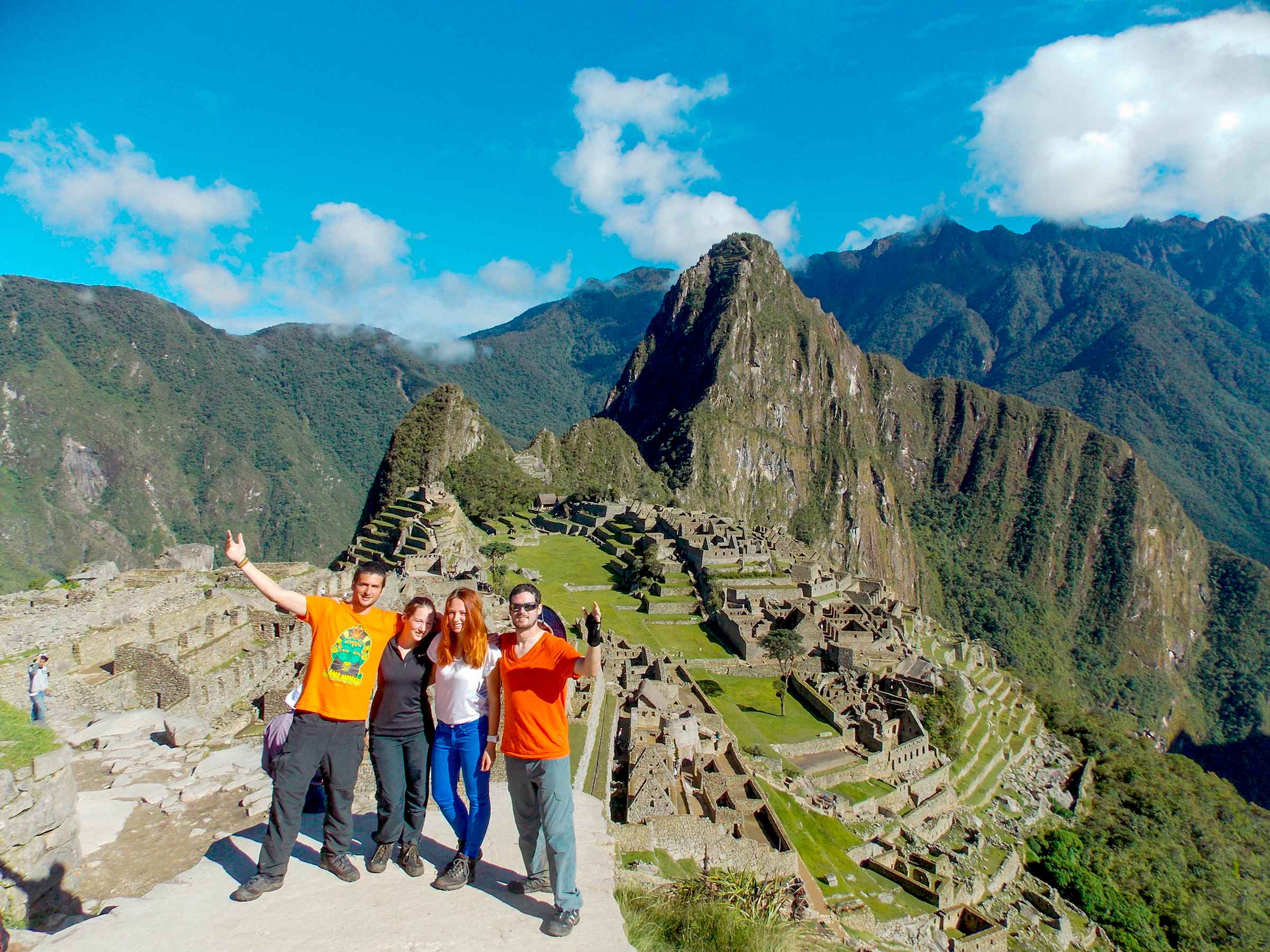
sacred valley short inca trail 3 day
The Inca Trail is a 43-kilometer (26.7-mile) trek that starts in the Sacred Valley and ends at the majestic Machu Picchu. The trail passes through various Andean environments, including cloud forests, alpine tundra, and subtropical jungles, and features a mix of challenging ascents and descents.

The Peruvian government limits the number of Inca Trail permits to 500 per day, including porters and guides. This means that spots fill up quickly, especially during the peak season (May to September). It’s crucial to book your trek with a licensed tour operator several months in advance to secure your permit.

Inca Trail Hike 3 Days
The Inca Trail is a moderate-to-challenging trek, with the highest point at 4,215 meters (13,828 feet) above sea level. To prepare, focus on cardiovascular exercises, strength training, and hiking practice. Building your stamina and leg strength will make the trek more enjoyable and manageable.

Acclimatizing to the altitude is crucial for a successful trek. Spend a few days in Cusco or a similar high-altitude location before starting the trail. Stay hydrated, eat light meals, and avoid alcohol and tobacco to minimize the risk of altitude sickness.


The Inca Trail is a UNESCO World Heritage site. Stick to the marked paths, dispose of waste properly, and respect the natural and historical sites you visit.
The Inca Trail is more than just a hike; it’s an opportunity to connect with nature, history, and a different culture. Take the time to appreciate the stunning views, learn about the Incan civilization, and bond with your fellow trekkers.
Embarking on the 4-day Inca Trail is an unforgettable experience that requires preparation, respect, and a sense of adventure. With the right mindset and preparation, you’ll be ready to conquer this ancient path and create memories that will last a lifetime.
Capturing the Short Inca Trail Photos: Tips & Iconic Locations Embarking on the Short Inca Trail is a…

Machu Picchu, the iconic Lost City of the Incas, has captivated the imagination of travelers and historians alike…
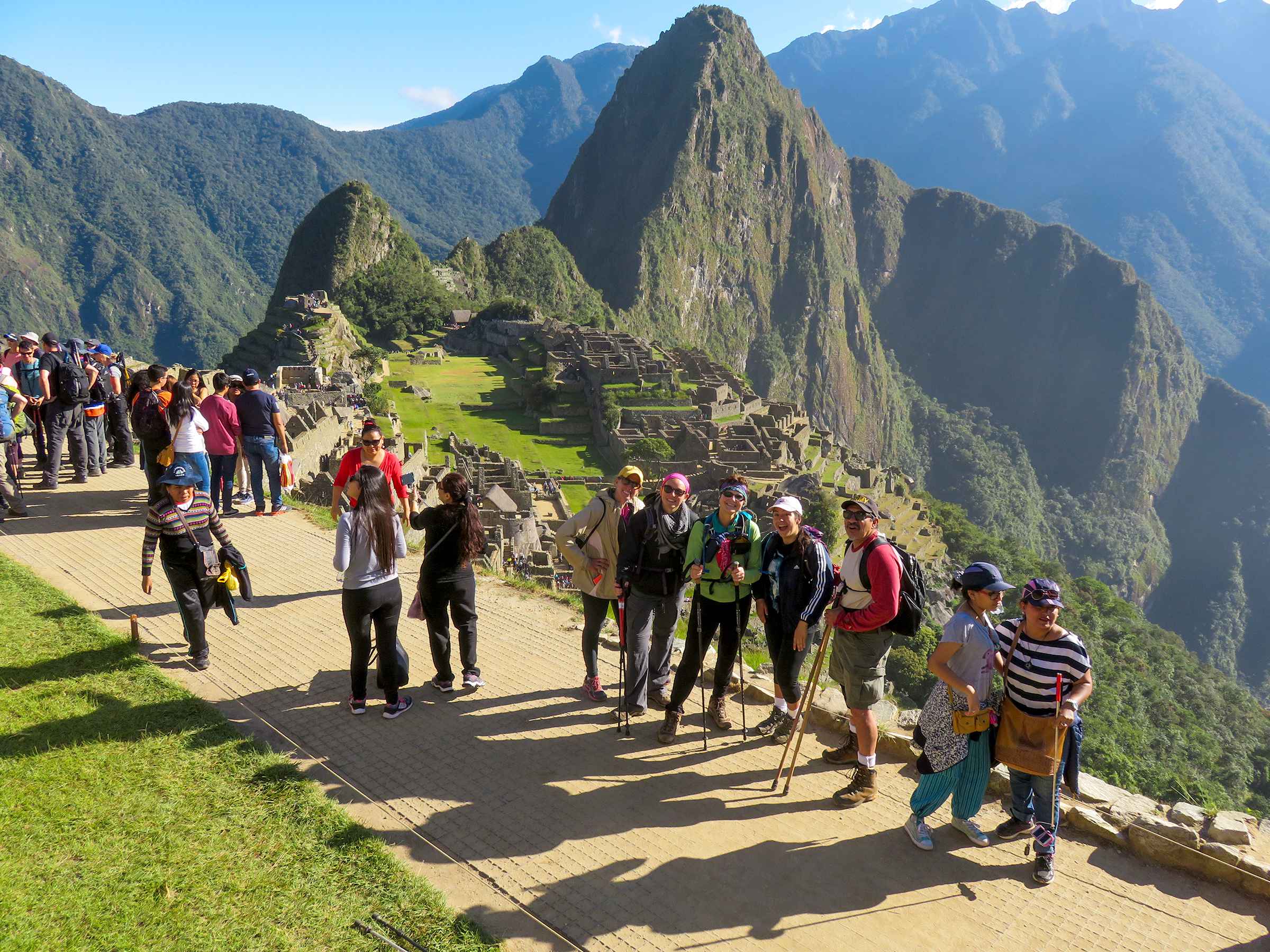
How to hike the Inca Trail 4 days to Machu Picchu Embarking on the Inca Trail hike is…
Many dream of embarking on the Inca Trail to Machu Picchu. This ancient trail, set in the stunning Andes…

How to Get to Machu Picchu Peru Machu Picchu is a dream destination for many travelers. Nestled in…

The Inca Jungle Trek offers an extraordinary journey that combines the thrill of adventure with the awe of…

The 4 Day Inca Trail Experience Embarking on the 4 Day Inca Trail is more than just a…
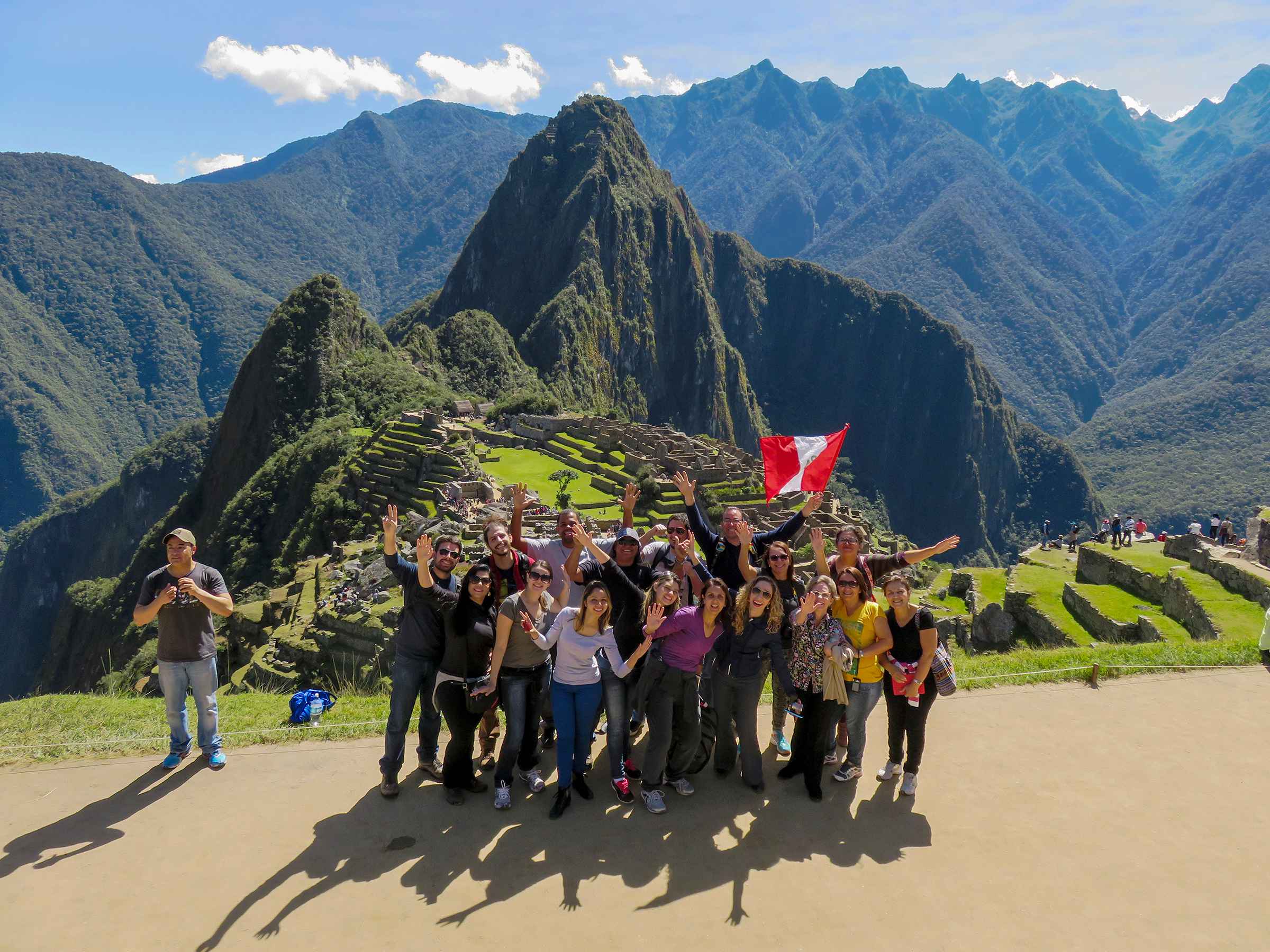
Understanding the Inca Trail Elevation Challenges The Inca Trail is one of the most famous trekking routes in…

Culinary Delights Along the Inca Trail Embarking on the Inca Trail is a journey through history and breathtaking…

Short Inca Trail vs Classic Inca Trail Choosing between the Short Inca Trail and the Classic Inca Trail…

Short Inca Trail Highlights The Short Inca Trail is a captivating journey through history and nature. This two-day…

Planning Your Inca Jungle Trek The Inca Jungle Trek is not your typical trek to Machu Picchu. Unlike…