
Discovering Cusco: A Complete Guide to Peru’s Historic Gem
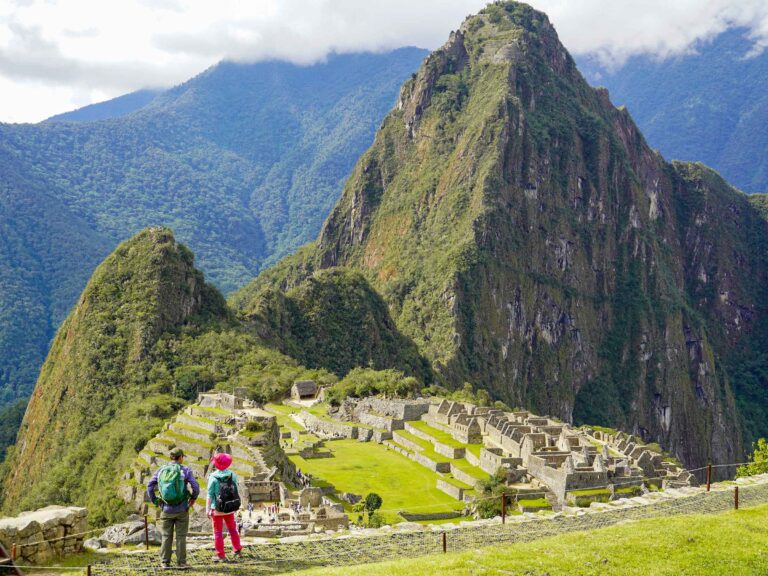
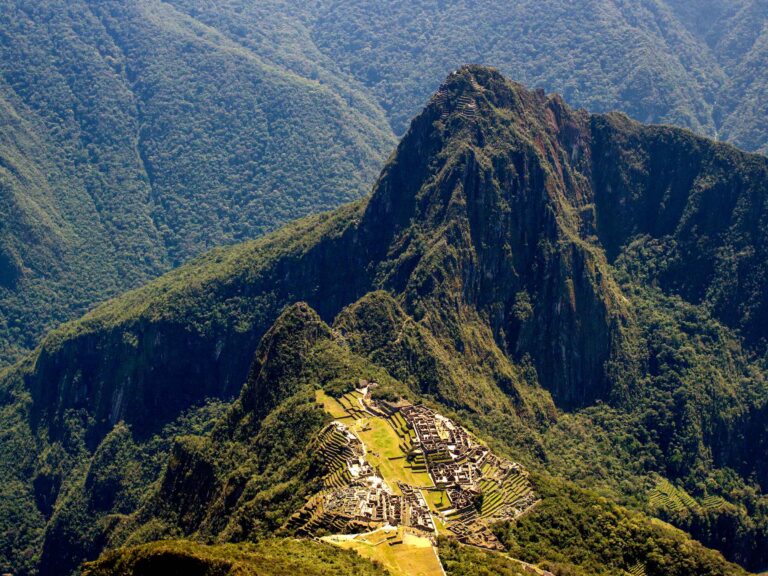
Perched high in the Andes, Cusco is not just the former capital of the Inca Empire; it’s a vibrant tapestry of history, culture, and breathtaking landscapes waiting to be explored. This enchanting city, with its cobbled streets and storied architecture, serves as a gateway to the Sacred Valley and the awe-inspiring Machu Picchu. As you wander through its stunning plazas and ancient ruins, you’ll uncover a blend of indigenous heritage and colonial elegance that captivates every traveler. From sampling delicious Peruvian cuisine to immersing yourself in local traditions at bustling markets, Cusco promises experiences that resonate long after you leave. Whether you’re an adventurous soul seeking thrilling hikes or a history buff eager to delve into ancient civilizations, our complete guide to discovering Cusco will ensure you don’t miss a thing. Pack your bags and get ready to uncover the magic of Peru’s historic gem!
Cusco’s city stands at 3,400 meters above sea level, between the Vilcanota and Apurimac rivers. Also called Qosqo or Cuzco, it was the capital of ancient Peru, a city chosen by the Inca empire of the Tahuantinsuyo.
Today, thousands of travelers visit it every year to enjoy its attractions and start their journey to the sacred city of Machu Picchu. Cusco impresses visitors with its magic and history lodged in its streets and buildings. A city is a place of narrow streets, Inca walls, colonial houses, and exciting nightlife.
Cusco is among the favorite places of millions of travelers in Latin America. One of its main attractions is the famous Plaza de Armas, which was called Huacaypata in Inca times. It continues to be the central point of reference for tourists and Cuzco, as it was during the Inca empire.
When traveling through the Plaza de Armas, the traveler will find cultural symbols, monuments to the fallen during the conquest, and a water source that claims to be the Inca empire.
As a result of the conquest, Inca temples were destroyed or camouflaged, and on these sites were built churches, stately mansions, and palaces.
One of the constructions is the present Cathedral of Cusco (1560–1664). The original Church of Triumph was erected in Viracocha’s palace (constructed with blocks of volcanic stone looted from the temple of Sacsayhuaman); the Church and Convent of Santo Domingo were both built on the Qorikancha. The Koricancha was an essential sacred temple where the sun was honored. Its walls were covered with gold, plundered along with the remaining valuables in the temple.
Cusco constantly discovers many myths and legends that envelop the place and manifest in every archaeological remnant of the Inca culture.
Visiting Sacsayhuaman or staying a few minutes from Cusco is necessary, following the route that leads to Pisac. You will see Q’enqo (a sanctuary distinguished by its underground galleries and ceremonial table carved in stone, where the dead were embalmed). Puca Pucara (security post and place of supply for travelers of that time), and last before reaching Pisac, Tambomachay, where you will find slopes that worship the water.
Another unique place of Cusco that is essential to visit is Mercado Central, El Mercado de San Pedro, where you can buy all kinds of products typical of this Andean culture. El Barrio de San Blas is an area of artists, colonial houses, and narrow streets where people must pass through and continue on their way. There are also stalls selling fabrics, crafts, and gifts, where you can buy beautiful clothes and lovely accessories.
In 2012, Cusco was named the best city in Latin America by Travel + Leisure’s World’s Best Awards. Peru also stood out as The World’s Best Culinary Destination at the World Travel Awards, while Machu Picchu triumphed in the World’s Best Green Destination category.
Cusco offers tourists a combination of attractions that make their stay a unique and dreamlike experience. Peruvian cuisine, history, colors, culture, joy, ecology, nature, magic, mystery, and beauty are the protagonists and make Cusco a special place globally.
Getting to Cusco: Travel Tips and Transportation Options
Nestled in the Peruvian Andes, Cusco is accessible through several transportation options. The most common way to reach this historic city is by flying into Alejandro Velasco Astete International Airport. Located just a few kilometers from the city center, this airport receives daily flights from Lima and international flights from major South American cities such as Bogotá, Santiago, and La Paz. For those traveling from overseas, connecting flights from Lima’s Jorge Chávez International Airport are frequent and convenient. It’s advisable to book your flights well in advance, especially during the peak tourist season from May to September, to secure the best rates and availability.
For travelers who prefer a scenic journey, PeruRail and IncaRail offer enchanting ways to reach Cusco. The train ride from Ollantaytambo in the Sacred Valley to Cusco is particularly popular, providing breathtaking views of the Andean landscape along the way. This route not only serves as transportation but also doubles as an unforgettable travel experience. Although the train ride is longer than a flight, it’s a perfect option for those who want to immerse themselves in Peru’s natural beauty. Additionally, buses are available for those on a budget, with various companies offering routes from Lima and other major cities to Cusco. However, it’s important to note that bus journeys can be lengthy and involve navigating winding mountain roads.
Once you arrive in Cusco, getting around the city is relatively easy. Taxis are plentiful and inexpensive, but make sure to agree on a fare before starting your journey, as they do not use meters. For a more immersive experience, consider walking through the city’s narrow cobblestone streets to appreciate its historic charm fully. Additionally, public buses and minivans, known as “combis,” are available and connect various parts of the city, offering an affordable way to explore Cusco and its surroundings.
Top Attractions in Cusco: Must-See Sites and Landmarks
Cusco is a city brimming with historical and cultural landmarks that tell the story of its rich past. One of the most iconic sites is the Plaza de Armas, the heart of the city. Colonial arcades, vibrant gardens, and significant buildings, including the Cusco Cathedral and the Church of La Compañía de Jesús, surround this bustling square. The cathedral, a UNESCO World Heritage Site, is renowned for its intricate architecture and impressive collection of colonial art. A visit to the Plaza de Armas is essential for anyone looking to experience the pulse of Cusco.
Another must-see site is the Qorikancha, or Temple of the Sun. Once the most important temple in the Inca Empire, it was dedicated to Inti, the sun god. Although much of the original structure was destroyed by the Spanish conquistadors, its foundations remain, and the site now houses the Santo Domingo Convent. The contrast between Inca stonework and colonial architecture is striking and provides a fascinating glimpse into the city’s layered history. Additionally, the museum within the convent offers valuable insights into the Inca civilization and its advanced engineering techniques.
No visit to Cusco would be complete without exploring the Sacsayhuamán fortress. Located on the outskirts of the city, this impressive complex of large stone walls showcases the remarkable engineering prowess of the Incas. The massive stones, some weighing over 100 tons, are fitted together with such precision that not even a piece of paper can be inserted between them. Sacsayhuamán also offers panoramic views of Cusco and the surrounding valley, making it a perfect spot for photography enthusiasts. This site, along with others such as Qenqo, Puka Pukara, and Tambomachay, is part of the larger archaeological park surrounding Cusco, offering endless opportunities for exploration.
Exploring the Sacred Valley: Day Trips from Cusco
The Sacred Valley, or Valle Sagrado, is a region of unparalleled beauty and historical significance located just north of Cusco. This fertile valley was once the heartland of the Inca Empire, and today it is a must-visit destination for anyone traveling to Cusco. A day trip to the Sacred Valley typically includes visits to several key sites, each offering its own unique charm and insights into Inca culture. The town of Pisac, famous for its vibrant market and impressive ruins, is often the first stop. The Pisac Market is a colorful spectacle where you can find everything from handmade textiles to fresh produce. At the same time, the nearby ruins offer stunning terraces and a glimpse into ancient agricultural practices.
Continuing along the valley, the town of Ollantaytambo is another highlight. Often referred to as a “living Inca town,” Ollantaytambo is one of the best-preserved examples of Inca urban planning. Its narrow streets, original stonework, and ceremonial center transport visitors back in time. The archaeological site here is imposing, with its massive terraces and the Temple of the Sun, built from enormous stone blocks. Ollantaytambo also serves as a gateway to Machu Picchu, with trains departing from here to Aguas Calientes, the town at the base of the famous citadel.
Finally, no trip to the Sacred Valley would be complete without visiting the Maras Salt Mines and the agricultural terraces of Moray. The Maras Salt Mines are a network of terraced pools used to harvest salt since pre-Inca times. The sight of the sparkling white salt pans against the Andean backdrop is truly mesmerizing. Nearby, the Moray terraces are believed to have been an agricultural research center where the Incas experimented with different crops and microclimates. The circular terraces create a unique visual pattern and provide a fascinating look into Inca ingenuity. These sites, along with the natural beauty of the Sacred Valley, make for an unforgettable day trip from Cusco.
Cultural Experiences: Festivals, Cuisine, and Local Traditions
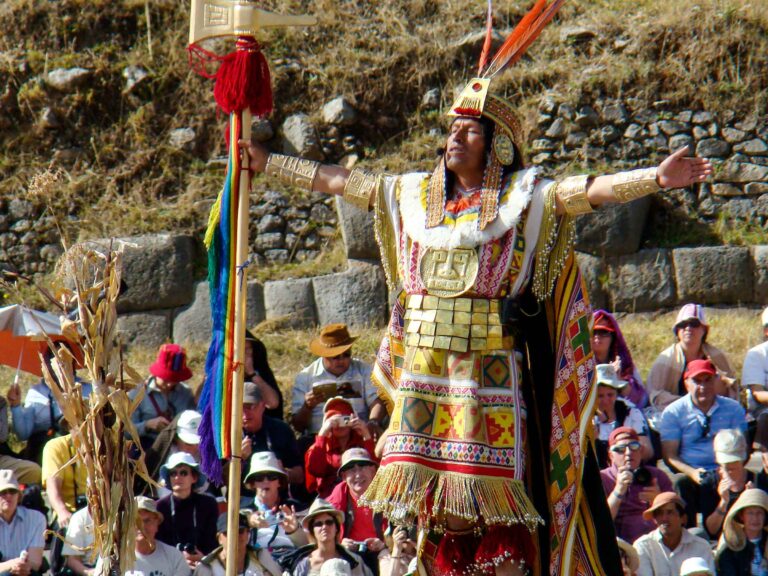
Cusco is a city that comes alive with vibrant festivals and cultural events year-round, offering visitors a chance to immerse themselves in local traditions. One of the most significant festivals is Inti Raymi, or the Festival of the Sun, which takes place every June 24th. This ancient Inca celebration honors Inti, the sun god, and marks the winter solstice in the Southern Hemisphere. The festivities begin at the Qorikancha and culminate at Sacsayhuamán, where a grand reenactment of Inca rituals is performed. Thousands of locals and tourists gather to witness this colorful and dramatic event, making it a highlight of Cusco’s cultural calendar.
In addition to festivals, Cusco’s cuisine is a cultural experience in itself. The city boasts a rich culinary heritage that blends indigenous ingredients with Spanish influences. Traditional dishes such as cuy (guinea pig), alpaca steak, and rocoto relleno (spicy stuffed peppers) offer a taste of the region’s unique flavors. Don’t miss out on sampling chicha morada, a refreshing drink made from purple corn, and the famous Peruvian pisco sour cocktail. For an authentic dining experience, visit one of Cusco’s many picanterías, where you can enjoy hearty meals in a rustic setting. The San Pedro Market is another must-visit for food lovers, offering a wide array of local produce, meats, cheeses, and street food.
Local traditions and crafts are also integral to Cusco’s cultural fabric. The city is renowned for its artisanal markets, where you can find handwoven textiles, ceramics, and jewelry made by skilled craftsmen. The Centro de Textiles Tradicionales del Cusco (CTTC) is a great place to learn about the ancient art of weaving and purchase high-quality, ethically produced textiles. Additionally, the city hosts workshops and cultural centers where visitors can participate in traditional activities such as pottery-making, dance lessons, and cooking classes. These experiences not only enrich your understanding of Cusco’s heritage but also support local artisans and preserve cultural practices.
Acclimatization and Health Tips for Travelers
Cusco is situated at an altitude of approximately 3,400 meters (11,155 feet) above sea level, making acclimatization an essential consideration for travelers. Altitude sickness, or soroche, can affect anyone, regardless of age or fitness level, so it’s necessary to take steps to minimize its impact. Symptoms of altitude sickness include headaches, nausea, dizziness, and shortness of breath. To help your body adjust, it’s recommended to spend the first few days in Cusco taking it easy and avoiding strenuous activities. Staying hydrated is crucial, as dehydration can exacerbate symptoms. Drink plenty of water and consider sipping on coca tea, a traditional remedy believed to alleviate altitude sickness.
Another effective way to acclimatize is to ascend to higher altitudes gradually. If possible, spend a few days in the Sacred Valley, which is at a lower elevation than Cusco, before heading to the city. This gradual approach allows your body to adapt more comfortably to the change in altitude. Additionally, over-the-counter medications such as acetazolamide can help prevent and treat altitude sickness. Consult your doctor before your trip to discuss the best options for you and to get any necessary prescriptions.
Maintaining good health during your stay in Cusco also involves taking general precautions. Ensure that you have travel insurance that covers medical expenses and emergencies. Be mindful of food and water safety by choosing reputable dining establishments and drinking bottled or purified water. The sun at high altitudes can be intense, so use sunscreen and wear a hat to protect yourself from sunburn. Finally, be aware of your physical limits and listen to your body. If you experience severe symptoms of altitude sickness, seek medical attention promptly. By taking these precautions, you can enjoy your time in Cusco while minimizing health risks.
Best Accommodations in Cusco: Where to Stay
Cusco offers a wide range of accommodations to suit every budget and preference, from luxury hotels to cozy hostels. For those seeking a luxurious stay, the Belmond Hotel Monasterio is a top choice. Housed in a beautifully restored 16th-century monastery, this five-star hotel combines historical charm with modern amenities. Guests can enjoy elegant rooms, lush gardens, and fine dining, all within walking distance of Cusco’s main attractions. Another notable luxury option is the JW Marriott El Convento Cusco, set in a converted convent and featuring a stunning blend of Inca and colonial architecture. The hotel’s spa, heated indoor pool, and gourmet restaurant ensure a pampering experience.
Travelers looking for mid-range accommodations will find plenty of excellent options. The Antigua Casona San Blas is a charming boutique hotel located in the artistic San Blas neighborhood. With its beautifully decorated rooms, tranquil courtyard, and friendly staff, this hotel offers a perfect balance of comfort and affordability. The Tierra Viva Cusco Saphi Hotel is another excellent choice, offering spacious rooms and a convenient location close to the Plaza de Armas. Guests appreciate the hotel’s modern amenities and warm hospitality, making it a popular choice for both couples and families.
For budget-conscious travelers, Cusco offers a variety of hostels and guesthouses that provide comfortable, affordable lodging. The Kokopelli Hostel is a favorite among backpackers, offering dormitory and private rooms, a lively bar, and a communal kitchen. Its central location and vibrant atmosphere make it an ideal spot for meeting fellow travelers. Another excellent budget option is the Milhouse Hostel Cusco, which features clean rooms, a rooftop terrace with panoramic views, and daily activities and tours. No matter where you choose to stay, Cusco’s diverse accommodation options ensure that you’ll find a welcoming place to rest and recharge after a day of exploring.
Outdoor Adventures: Trekking, Hiking, and More
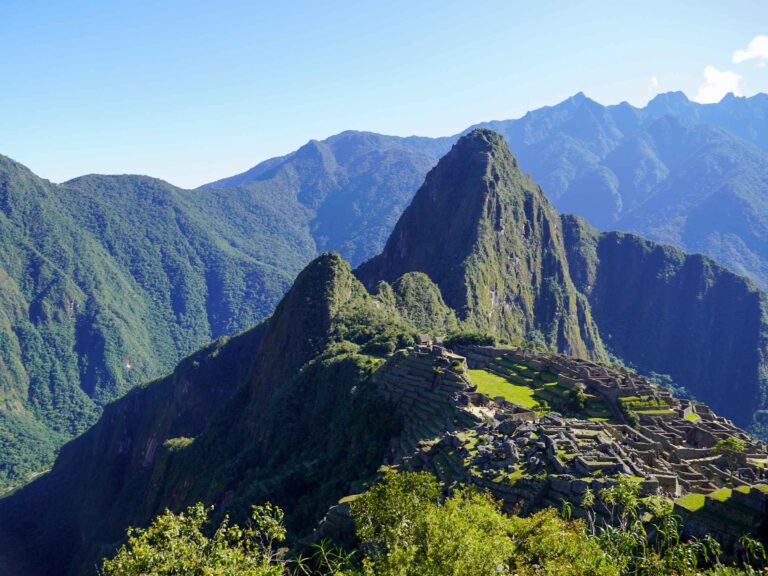
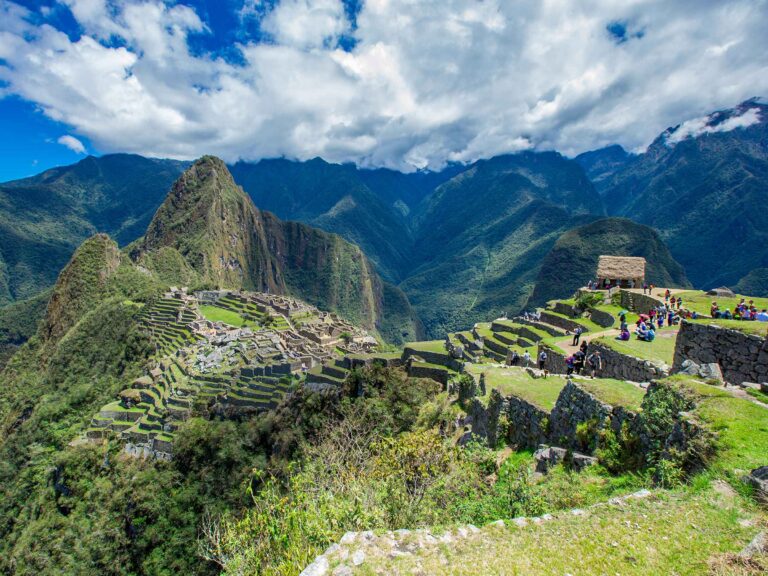
Cusco is a paradise for outdoor enthusiasts, offering a range of trekking and hiking opportunities that showcase the region’s natural beauty and historical significance. One of the most famous treks is the Inca Trail, a four-day hike that leads to the iconic Machu Picchu. This challenging but rewarding journey takes you through stunning landscapes, ancient ruins, and cloud forests, culminating in a breathtaking sunrise view of the lost city of the Incas. Due to its popularity, permits for the Inca Trail are limited and often sell out months in advance, so it’s essential to book early. For those seeking a less crowded alternative, the Salkantay Trek is an excellent option. This five-day trek offers diverse scenery, including snow-capped mountains, lush valleys, and high-altitude lakes, and ends with a visit to Machu Picchu.
Another popular adventure is the Ausangate Trek, which takes you around the majestic Ausangate Mountain, one of Peru’s highest peaks. This remote and challenging trek offers spectacular views of glaciers, turquoise lakes, and the vibrant Rainbow Mountain (Vinicunca). The trek can be customized to suit different fitness levels, with options ranging from a four-day to a seven-day hike. The Lares Trek is another excellent choice for those looking to experience traditional Andean culture. This three-day trek takes you through picturesque villages, where you can interact with local communities and learn about their way of life. The route also features stunning landscapes, including high mountain passes and hot springs.
In addition to trekking, Cusco offers a variety of other outdoor activities. Mountain biking is a popular choice, with numerous trails catering to riders of all skill levels. The Sacred Valley and the Maras Moray circuit are particularly popular routes, offering a mix of challenging terrain and scenic beauty. For adrenaline seekers, white-water rafting on the Urubamba River provides an exhilarating experience. The river’s rapids range from Class II to Class V, making it suitable for both beginners and experienced rafters. Finally, horseback riding is a fantastic way to explore the countryside around Cusco. Guided tours take you to archaeological sites, rural villages, and breathtaking viewpoints, offering a unique perspective on the region’s natural and cultural heritage.
Shopping in Cusco: Souvenirs and Local Crafts
Cusco is a shopper’s delight, offering a diverse array of souvenirs and local crafts that reflect the region’s rich cultural heritage. The San Pedro Market is a must-visit destination for those looking to experience the vibrant atmosphere and pick up unique items. Located just a few blocks from the Plaza de Armas, this bustling market offers everything from fresh produce and local delicacies to handmade textiles and jewelry. Wander through the aisles to discover beautifully woven blankets, alpaca wool sweaters, and traditional Andean hats. The market is also an excellent place to sample local snacks and beverages, such as empanadas and chicha de jora, a fermented corn drink.
For high-quality artisanal products, the Centro de Textiles Tradicionales del Cusco (CTTC) is the place to go. This non-profit organization works with local weavers to preserve traditional textile techniques and promote fair trade practices. The CTTC’s shop offers a stunning selection of handwoven textiles, including shawls, scarves, and table runners, all made using natural dyes and traditional patterns. By purchasing from the CTTC, you not only acquire a beautiful souvenir but also support the livelihoods of local artisans and the preservation of their cultural heritage. The shop also provides information about the weaving process and the cultural significance of the patterns and colors used in the textiles.
Another great place to shop for souvenirs is the San Blas neighborhood, known for its artistic vibe and charming cobblestone streets. The area is home to numerous galleries, workshops, and boutiques where you can find unique crafts, including ceramics, paintings, and silver jewelry. The San Blas Market, held every Saturday, is a lively event where local artists and craftsmen display their creations. This market is a fantastic opportunity to meet the artisans, learn about their techniques, and purchase one-of-a-kind items directly from the makers. Whether you’re looking for traditional crafts or contemporary art, Cusco offers a wealth of shopping opportunities to take a piece of its vibrant culture home.
Why Cusco Should Be on Your Travel Bucket List
Cusco is a destination that captivates travelers with its rich history, stunning landscapes, and vibrant culture. As the former capital of the Inca Empire, the city is steeped in ancient traditions and architectural wonders that tell the story of a remarkable civilization. From the majestic Qorikancha and the imposing Sacsayhuamán fortress to the charming streets of the San Blas neighborhood, every corner of Cusco offers a glimpse into its storied past. The city’s blend of indigenous heritage and colonial elegance creates a unique atmosphere that enchants visitors and leaves a lasting impression.
Beyond its historical significance, Cusco is a gateway to the breathtaking beauty of the Sacred Valley and the world-renowned Machu Picchu. The region’s diverse landscapes, from snow-capped mountains and lush valleys to terraced salt mines and vibrant markets, offer endless opportunities for exploration and adventure. Whether you’re trekking the Inca Trail, discovering traditional villages, or marveling at the engineering feats of the ancient Incas, the experiences you have in and around Cusco are sure to be unforgettable. The city’s warm, welcoming people add to its charm, making every interaction a chance to learn about local customs and traditions.
Cusco’s appeal extends to travelers of all types, from history buffs and culture enthusiasts to outdoor adventurers and culinary explorers. The city’s festivals, cuisine, and local crafts offer a rich tapestry of experiences for diverse interests. Whether you’re savoring a delicious Peruvian dish, participating in a traditional dance, or shopping for handmade textiles, Cusco offers a deep and authentic connection to its cultural roots. With its combination of historical significance, natural beauty, and vibrant culture, Cusco truly deserves a place on your travel bucket list. Pack your bags and prepare to uncover the magic of Peru’s historic gem.