
Discover the Perfect Season: The Ultimate Guide to the Best Time to Visit Peru
Peru, a land of breathtaking landscapes, ancient mysteries, and vibrant culture, beckons travelers to uncover its many treasures. But when is the perfect time to visit this enchanting country? From the sun-kissed peaks of the Andes to the lush greenery of the Amazon rainforest, each season offers a unique experience, waiting to be explored. Whether you’re an adventurous hiker eager to trek the Inca Trail, a history enthusiast longing to wander through the ruins of Machu Picchu, or a foodie excited to taste the rich flavors of Peruvian cuisine, timing your trip can greatly enhance your journey. In this ultimate guide, we’ll delve into the best times to visit Peru, highlighting the climate, festivals, and must-see attractions throughout the year. Prepare to embark on an unforgettable adventure as you discover the ideal season that aligns perfectly with your travel dreams!

Understanding Peru’s Geography and Its Impact on Seasons
Peru is a country of diverse landscapes and climates, shaped mainly by its geography. The government can be divided into three central regions: the coastal desert, the Andean highlands, and the Amazon rainforest. Each of these regions experiences distinct weather patterns and seasons, making Peru a year-round destination, depending on what you want to experience.
The coastal region, which includes the capital city of Lima, has a mild climate with little rainfall. The weather here is influenced by the cold Humboldt Current, which keeps temperatures moderate year-round. Summers (December to March) are warm and pleasant, while winters (June to September) are cooler and often accompanied by a misty fog known as “La Garúa.”
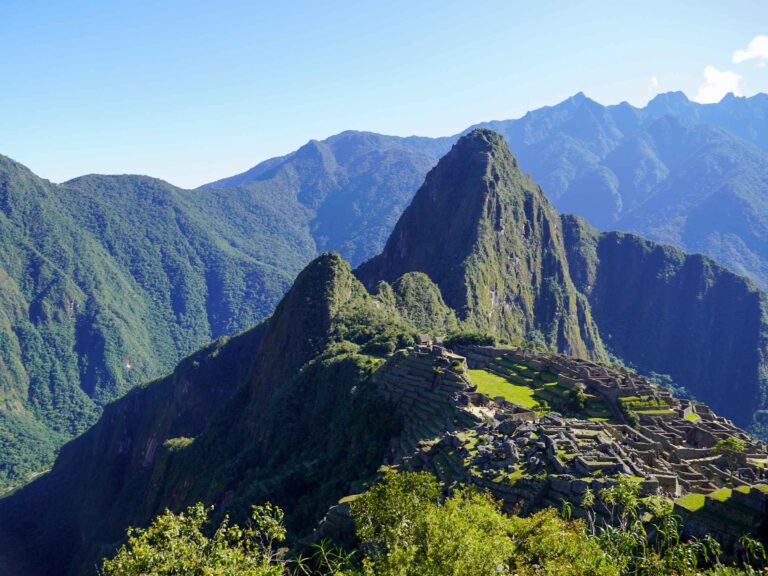
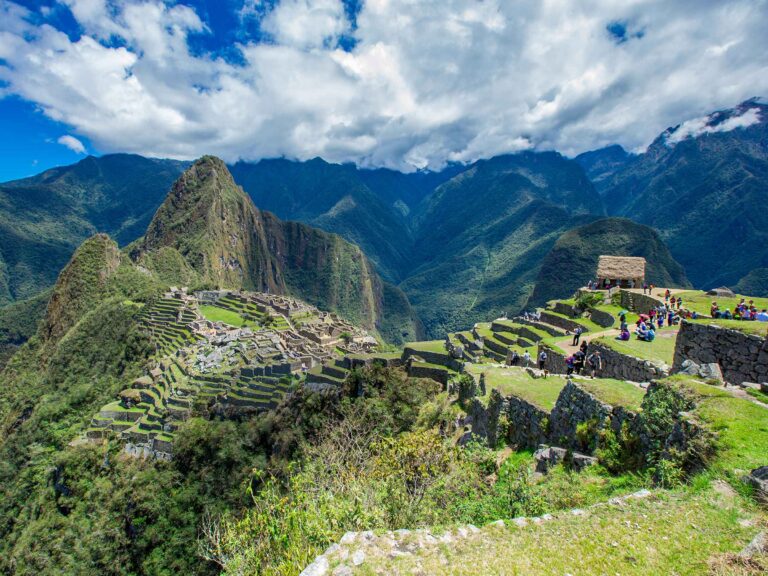
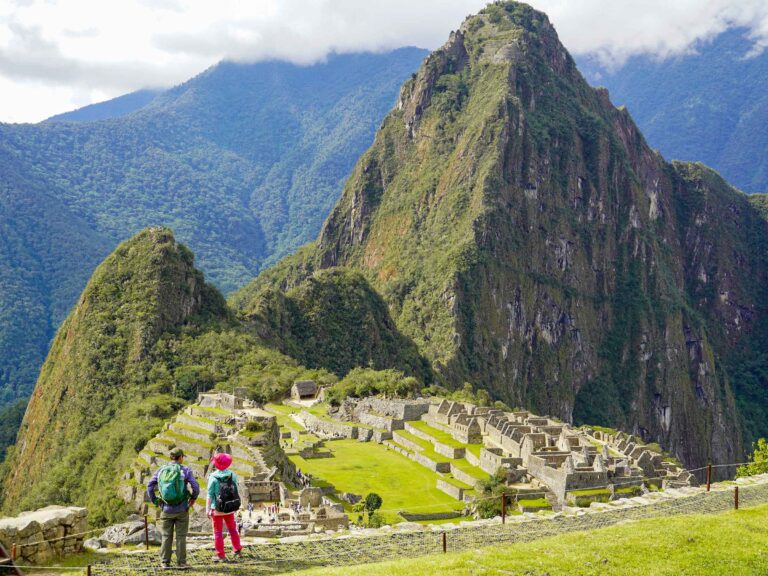
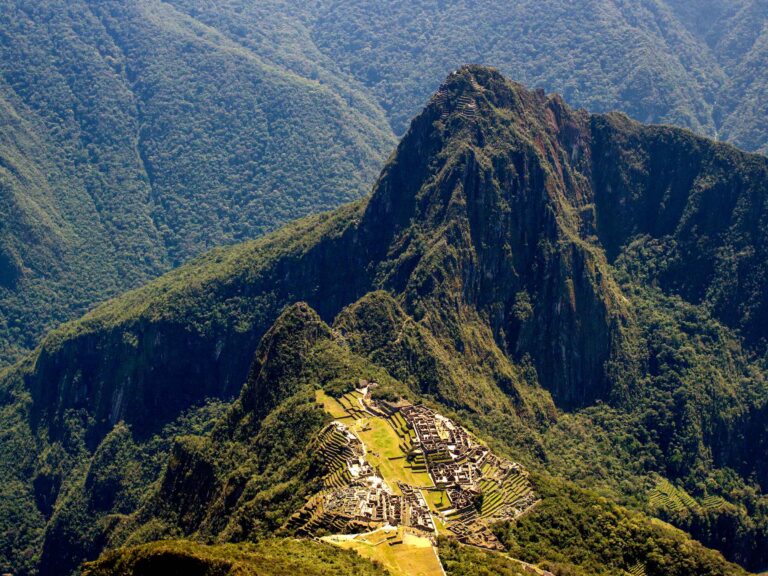
In contrast, the Andean highlands, home to cities like Cusco and the famous Machu Picchu, have a more varied climate. The highlands experience two main seasons: the dry season (May to September) and the wet season (October to April). The dry season is characterized by clear, sunny days and chilly nights, making it the most popular time for trekking and outdoor activities. The wet season, while less predictable, brings lush greenery and fewer tourists, offering a different kind of beauty.
The Amazon rainforest, which covers the eastern part of Peru, has a tropical climate with year-round high humidity and temperatures. The region experiences a rainy season (November to April) and a dry season (May to October). While the dry season is more comfortable for travel, the rainy season brings higher water levels, making river travel easier and wildlife more visible.
Understanding Peru’s geography and its impact on the seasons is crucial for planning your trip. Each region offers unique experiences, and the best time to visit depends on what you want to see and do.

The Best Time to Visit Peru: Overview of Seasons
Peru’s varied climate means that there is no single “best” time to visit the entire country. Instead, the ideal time to visit depends on the specific regions and activities you are interested in. Here, we’ll provide an overview of the different seasons to help you decide when to plan your trip.
The dry season, which runs from May to September, is considered the best time to visit the Andean highlands and Machu Picchu. During these months, the weather is clear and sunny, making it perfect for trekking and exploring the ancient ruins. This period also coincides with the peak tourist season, so expect larger crowds and higher prices. However, the stunning scenery and pleasant weather make it worth the extra expense.
The wet season, from October to April, is less popular with tourists but offers its own unique advantages. The landscape is lush and green, and the crowds are smaller, allowing for a more intimate experience. While the rain can be unpredictable, it usually comes in short bursts, leaving plenty of time for exploration. This is also a great time to visit the Amazon rainforest, as the higher water levels make river travel easier and wildlife more visible.
The coastal region, including Lima, can be visited year-round, but the summer months (December to March) are enjoyable. The weather is warm and sunny, perfect for enjoying the beaches and exploring the city. The winter months (June to September) are cooler and often foggy, but still suitable for sightseeing and cultural activities.
Ultimately, the best time to visit Peru depends on your interests and the regions you want to explore. Whether you’re seeking adventure in the highlands, wildlife in the rainforest, or culture along the coast, there’s a perfect season for every traveler.
High Season vs. Low Season: Pros and Cons
When planning a trip to Peru, it’s essential to consider the pros and cons of traveling during the high season versus the low season. Each has its own advantages and disadvantages, which can significantly impact your travel experience.
The high season, which coincides with the dry season (May to September), is the most popular time to visit Peru, especially the Andean highlands and Machu Picchu. The weather is clear and sunny, making it ideal for outdoor activities like trekking, hiking, and sightseeing. During this time, you can expect larger crowds, higher prices for accommodation and tours, and the need to book well in advance. However, the stunning scenery and pleasant weather make it worth the extra effort and expense.
Traveling during the low season, which corresponds with the wet season (October to April), has its own set of advantages. The landscape is lush and green, and the tourist crowds are much smaller, allowing for a more relaxed and intimate experience. Accommodation and tour prices are generally lower, and you may have more flexibility in your travel plans. However, the weather can be unpredictable, with frequent rain showers that can disrupt outdoor activities. Despite this, the rain usually comes in short bursts, leaving plenty of time for exploration.
Another factor to consider is the shoulder seasons, transitional periods between the high and low seasons. These months, typically April and October, offer a balance between good weather and fewer crowds. Traveling during the shoulder seasons can offer a more affordable, less crowded experience while still enjoying favorable weather.
Ultimately, the choice between high season and low season depends on your preferences and priorities. If you prefer clear, sunny weather and don’t mind larger crowds and higher prices, the high season is the best time to visit. If you prefer a more relaxed and budget-friendly experience and don’t mind a bit of rain, the low season is a great option. The shoulder seasons offer a compromise between the two, providing good weather and fewer crowds.

Seasonal Highlights: Festivals and Events in Peru
Peru is a country rich in cultural traditions and festivals, many of which are tied to specific seasons. Attending these events can deepen your understanding of Peruvian culture and add a unique dimension to your trip. Here are some of the most notable festivals and events to consider when planning your visit.
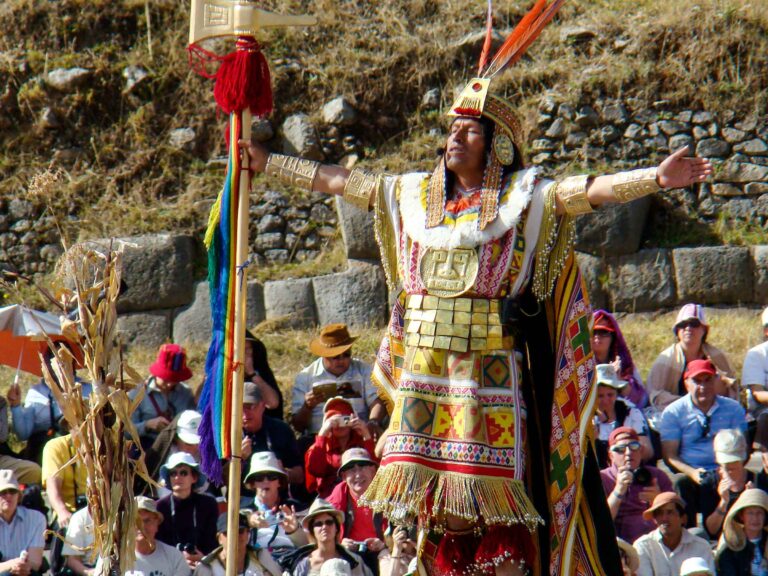
One of the most famous festivals in Peru is Inti Raymi, the Festival of the Sun, held on June 24th in Cusco. This ancient Inca celebration honors the sun god Inti and marks the winter solstice. The festival includes colorful parades, traditional music and dance, and elaborate reenactments of Inca ceremonies. Inti Raymi attracts thousands of visitors each year, so it’s essential to book accommodations and tours well in advance.
Another significant event is the Virgin of Candelaria festival, held in early February in Puno. This vibrant celebration combines Catholic and indigenous traditions, featuring elaborate costumes, lively music, and dance performances. The festival lasts for several days and includes processions, religious ceremonies, and traditional Andean dances. It’s a fantastic opportunity to experience the region’s rich cultural heritage.
Semana Santa, or Holy Week, is another major event in Peru, celebrated in the week leading up to Easter Sunday. The most famous Semana Santa celebrations take place in Ayacucho, where the city comes alive with religious processions, reenactments of the Passion of Christ, and traditional music and dance. The event attracts locals and tourists alike, making it a bustling, festive time to visit.
In addition to these major festivals, there are numerous other events and celebrations throughout the year, each offering a unique glimpse into Peruvian culture. For example, the Feast of Corpus Christi in Cusco, held in June, features elaborate processions and traditional dances. The Festival of the Crosses, celebrated in May, features colorful parades and religious ceremonies in towns and villages across the region.
Attending these festivals and events can add a unique and enriching dimension to your trip, providing a deeper understanding of Peru’s cultural heritage and traditions. Be sure to check the calendar of events when planning your visit to avoid missing out on these unforgettable experiences.
Weather Patterns: What to Expect Throughout the Year
Peru’s diverse geography results in a wide range of weather patterns throughout the year. Understanding these patterns can help you plan your trip and make the most of your visit. Here, we’ll provide an overview of what to expect in each region during different seasons.
The coastal region, including Lima, experiences a mild climate with little rainfall. Summers (December to March) are warm and pleasant, with temperatures ranging from 20°C to 30°C (68°F to 86°F). This is the best time to enjoy the beaches and outdoor activities along the coast. Winters (June to September) are cooler, with temperatures ranging from 15°C to 20°C (59°F to 68°F), and often accompanied by a misty fog known as “La Garúa.” While the fog can obscure the sun, it’s still a good time for sightseeing and cultural activities.
The Andean highlands, including Cusco and Machu Picchu, have a more varied climate. The dry season (May to September) is characterized by clear, sunny days and chilly nights, with temperatures ranging from 0°C to 20°C (32°F to 68°F). This is the most popular time for trekking and outdoor activities, as the weather is stable and the trails are in good condition. The wet season (October to April) brings more rain, with temperatures ranging from 5°C to 20°C (41°F to 68°F). While the rain can be unpredictable, it usually comes in short bursts, leaving plenty of time for exploration. The landscape is lush and green during this time, offering a different kind of beauty.
The Amazon rainforest, which covers the eastern part of Peru, has a tropical climate with year-round high humidity and temperatures. The region experiences a rainy season (November to April) and a dry season (May to October). During the rainy season, temperatures range from 23°C to 32°C (73°F to 90°F), and the higher water levels make river travel easier and wildlife more visible. The dry season is slightly cooler, with temperatures ranging from 18°C to 28°C (64°F to 82°F), and offers more comfortable conditions for hiking and outdoor activities.
Understanding these weather patterns can help you plan your trip and ensure you have the best possible experience. Be sure to consider the specific regions you want to visit and the activities you want to do when deciding on the best time to travel.
Activities by Season: Adventure, Culture, and Nature
Peru offers a wide range of activities and experiences, each best enjoyed during specific seasons. From adventure and outdoor activities to cultural experiences and nature exploration, there’s something for every traveler. Here, we’ll highlight some of the top activities to enjoy in Peru by season.
During the dry season (May to September), the Andean highlands are a paradise for adventure seekers. The clear, sunny weather is perfect for trekking and hiking, with the Inca Trail to Machu Picchu being the most famous route. Other popular treks include the Salkantay Trek, the Lares Trek, and the Ausangate Trek, each offering stunning scenery and unique cultural experiences. The dry season is also ideal for exploring the Sacred Valley, visiting ancient ruins, and enjoying outdoor activities like mountain biking and horseback riding.
The wet season (October to April) brings a different kind of beauty to the Andean highlands, with lush greenery and fewer tourists. While trekking can be more challenging due to the rain, it’s still possible to enjoy shorter hikes and cultural experiences. This is also a great time to visit the Amazon rainforest, where the higher water levels make river travel easier and wildlife more visible. Activities such as birdwatching, jungle trekking, and boat tours offer opportunities to experience the region’s incredible biodiversity.
The coastal region, including Lima, is best enjoyed during the summer months (December to March). The warm, sunny weather is perfect for relaxing on the beach, surfing, and exploring the coastal towns. Lima is also a culinary hotspot, and the summer months are a great time to sample the city’s delicious cuisine, from fresh seafood to traditional Peruvian dishes. The winter months (June to September) are cooler and often foggy, but still suitable for sightseeing and cultural activities.
Cultural experiences and festivals are another highlight of visiting Peru, with many events tied to specific seasons. The dry season is home to some of the most famous festivals, including Inti Raymi in June and the Feast of Corpus Christi. The wet season also has its share of celebrations, such as the Virgin of Candelaria festival in February and Semana Santa in April. Attending these events can deepen your understanding of Peruvian culture and add a unique dimension to your trip.
Whether you’re seeking adventure, culture, or nature, Peru offers a wide range of activities to enjoy year-round. Be sure to consider the best seasons for your interests and plan your trip accordingly to make the most of your visit.
Tips for Traveling During Peak and Off-Peak Times
Traveling to Peru during peak and off-peak seasons each has its own set of challenges and advantages. Here are some tips to help you navigate your trip and make the most of your experience, no matter when you choose to visit.
If you’re traveling during the peak season (May to September), it’s essential to plan and book well in advance. Popular destinations like Machu Picchu and Cusco can get very crowded, and accommodations and tours fill up quickly. Booking your flights, hotels, and tours several months in advance can help you secure the best options and avoid disappointment. Be prepared for larger crowds at major attractions and consider visiting early in the morning or late in the afternoon to avoid the busiest times.
During the peak season, it’s also important to be mindful of altitude sickness, especially if you’re visiting the Andean highlands. Give yourself a few days to acclimate to the higher altitudes by staying in a lower-elevation city like Lima or Arequipa before heading to Cusco or other high-altitude destinations. Stay hydrated, avoid alcohol, and take it easy during your first few days to help your body adjust.
Traveling during the off-peak season (October to April) can offer a more relaxed and budget-friendly experience, but it’s essential to be prepared for the weather. The wet season in the highlands and rainforest can bring unpredictable rain showers, so pack appropriate clothing and gear, including a waterproof jacket, sturdy shoes, and quick-drying clothing. While the rain usually comes in short bursts, it’s a good idea to have a flexible itinerary and be prepared for changes in your plans.
During the off-peak season, you can take advantage of lower prices for accommodation and tours, as well as smaller crowds at major attractions. This is a great time to visit the Amazon rainforest, as the higher water levels make river travel easier and wildlife more visible. If you’re visiting the Andean highlands, consider shorter hikes and cultural experiences, as trekking can be more challenging during the wet season.
No matter when you choose to visit, it’s essential to respect local customs and traditions. Peru is a country rich in cultural heritage, and being mindful of local etiquette can enhance your travel experience. Learn a few basic Spanish phrases, dress modestly, and be respectful of religious sites and ceremonies. This will help you connect with the local people and gain a deeper understanding of their culture.
By following these tips and being prepared for the unique challenges and advantages of each season, you can make the most of your trip to Peru and create unforgettable memories.
Packing for a trip to Peru requires careful consideration of the diverse climates and activities you’ll encounter. Here’s a recommended packing list for each season to help you prepare for your adventure.
Dry Season (May to September)
Clothing:
- Lightweight, breathable clothing for daytime activities
- Warm layers for chilly mornings and evenings
- A good quality waterproof jacket
- Comfortable hiking shoes or boots
- A wide-brimmed hat and sunglasses for sun protection
- Quick-drying clothing for outdoor activities
Accessories:
- A daypack for carrying essentials during excursions
- A reusable water bottle
- Sunscreen and insect repellent
- A travel umbrella or rain poncho
- A camera or smartphone for capturing memories
- A power bank for keeping your devices charged
Other Essentials:
- Altitude sickness medication (if visiting the highlands)
- Travel insurance that covers adventure activities
- Copies of essential documents (passport, travel insurance, etc.)
- A small first aid kit with basic supplies
- Personal hygiene items (toothbrush, toothpaste, etc.)
Wet Season (October to April)
Clothing:
- Lightweight, moisture-wicking clothing for humid conditions
- A good quality waterproof jacket and rain pants
- Comfortable, waterproof hiking shoes or boots
- Quick-drying clothing for outdoor activities
- A wide-brimmed hat and sunglasses for sun protection
- Warm layers for cooler evenings in the highlands
Accessories:
- A daypack with a rain cover for carrying essentials
- A reusable water bottle
- Sunscreen and insect repellent
- A travel umbrella or rain poncho
- A camera or smartphone with a waterproof case
- A power bank for keeping your devices charged
Other Essentials:
- Altitude sickness medication (if visiting the highlands)
- Travel insurance that covers adventure activities
- Copies of essential documents (passport, travel insurance, etc.)
- A small first aid kit with basic supplies
- Personal hygiene items (toothbrush, toothpaste, etc.)
Coastal Region (Year-Round)
Clothing:
- Lightweight, breathable clothing for warm weather
- A good quality waterproof jacket for cooler, foggy conditions
- Comfortable walking shoes or sandals
- Swimwear for enjoying the beaches
- A wide-brimmed hat and sunglasses for sun protection
- A light sweater or jacket for cooler evenings
Accessories:
- A daypack for carrying essentials during excursions
- A reusable water bottle
- Sunscreen and insect repellent
- A camera or smartphone for capturing memories
- A power bank for keeping your devices charged
Other Essentials:
- Travel insurance that covers adventure activities
- Copies of important documents (passport, travel insurance, etc.)
- A small first aid kit with basic supplies
- Personal hygiene items (toothbrush, toothpaste, etc.)
By packing appropriately for the season and region you’re visiting, you can ensure a comfortable and enjoyable trip to Peru. Be prepared for changing weather conditions and bring versatile clothing and gear that can be layered for different climates. This will help you make the most of your adventure and create unforgettable memories.