
Located in the South Valley near Cusco, Andahuaylillas, Peru is one of the most fascinating cultural destinations in the Andes. Famous for its extraordinary colonial church, vibrant festivals, Andean traditions, and local gastronomy, this small town offers travelers a unique opportunity to experience the cultural richness of rural Peru beyond the classic tourist routes.
This travel guide explores the famous San Pedro Apostol Church, local celebrations, Andean traditions, gastronomy, nearby archaeological attractions, and practical travel information for visiting Andahuaylillas.
Exploring the Hidden Gem of Andahuaylillas
Andahuaylillas is located approximately 40 kilometers southeast of Cusco in Peru’s scenic South Valley region.
Surrounded by Andean mountains, agricultural landscapes, and traditional villages, the town combines history, religion, culture, and local traditions into one memorable destination.
Visitors are drawn to Andahuaylillas because of its:
- Colonial architecture
- Religious art
- Traditional festivals
- Local gastronomy
- Andean cultural heritage
- Peaceful rural atmosphere
The town is also part of the famous Andean Baroque Route, which includes several important colonial churches throughout the Cusco region.
Travelers interested in cultural destinations near Cusco may also enjoy this Cusco Cathedral guide.
Where Is Andahuaylillas?
Andahuaylillas is located in the province of Quispicanchi within the Cusco Region of Peru.
The town sits at approximately 3,150 meters (10,335 feet) above sea level and can easily be visited on a half-day or full-day excursion from Cusco.
The route toward Andahuaylillas passes through beautiful Andean landscapes and several important archaeological and cultural attractions.
Nearby destinations include:
- Tipón archaeological complex
- Pikillacta ruins
- Huacarpay wetlands
- Traditional farming communities
The combination of culture, archaeology, and natural scenery makes the South Valley one of the most interesting regions near Cusco.

The San Pedro Apostol Church: The Sistine Chapel of the Andes
The San Pedro Apostol Church is the most famous attraction in Andahuaylillas and is often called the “Sistine Chapel of the Andes.”
Although the exterior appears relatively simple, the interior reveals one of the most extraordinary examples of Andean Baroque art in Peru.
The church features:
- Gold leaf decorations
- Baroque murals
- Religious frescoes
- Intricate wooden carvings
- Colonial paintings
- Decorative ceilings
Built during the colonial period, the church reflects the fusion of Spanish religious influence and Andean artistic traditions.
The artwork inside was designed not only for decoration but also to teach Christian beliefs to indigenous communities during the colonial era.
Baroque Art and Sacred Murals
The church’s interior frescoes and murals are among the most impressive examples of colonial religious art in South America.
The paintings combine biblical themes with local artistic influences, creating a unique visual expression of cultural fusion.
Many of the decorative details were created by indigenous artists working under Spanish religious direction, resulting in a remarkable blend of European and Andean artistic traditions.
The use of gold leaf, vibrant colors, and symbolic imagery makes the church one of the most visually stunning religious sites near Cusco.
Andean Traditions and Local Culture
Despite its colonial history, Andahuaylillas continues to preserve strong Andean cultural traditions that remain deeply connected to local identity and community life.
Visitors can experience:
- Traditional music and dance
- Quechua cultural heritage
- Religious celebrations
- Traditional artisan crafts
- Andean agricultural traditions
The town’s cultural atmosphere reflects the enduring connection between Andean spirituality, Catholic traditions, and local community life.
Festivals and Celebrations in Andahuaylillas
Festivals are an essential part of life in Andahuaylillas and showcase the vibrant traditions of the Andes.
Important celebrations throughout the year include:
- Feast of San Pedro and San Pablo
- Holy Week celebrations
- Virgin of the Rosary festival
- San Isidro Labrador festivities
- Qoyllurit’i pilgrimage traditions
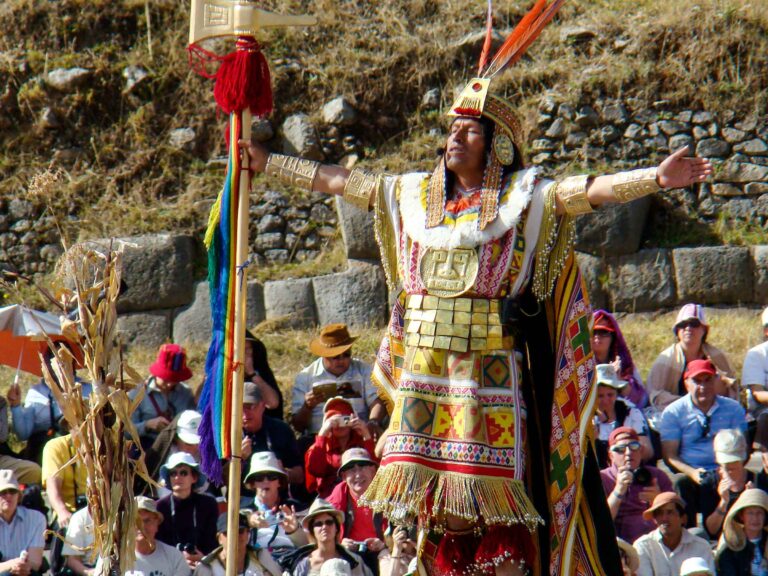
These events combine religious ceremonies with traditional music, colorful costumes, local dances, and community gatherings.
Festivals provide visitors with an authentic opportunity to experience living Andean culture beyond conventional tourism.

Traditional Gastronomy in Andahuaylillas
The cuisine of Andahuaylillas reflects the agricultural traditions and flavors of the Peruvian Andes.
Visitors can enjoy traditional regional dishes prepared with local ingredients and ancestral cooking methods.
Popular local specialties include:
- Baked cuy (guinea pig)
- Fried trout
- Chicharrón
- Tarpuy Uchu
- Traditional corn bread
- Chicha de jora
Many dishes are prepared using products grown in the surrounding Andean valleys, preserving traditional flavors and culinary customs passed down through generations.
Nearby Attractions in the South Valley
Several important attractions are located near Andahuaylillas and are often combined into South Valley excursions from Cusco.
Pikillacta Archaeological Site
Pikillacta is a large pre-Inca archaeological complex built by the Wari civilization between approximately 800 and 1100 AD.
The site is famous for its advanced urban planning, stone structures, and large ceremonial sectors.

Tipón Archaeological Complex
Tipón is considered one of the greatest examples of Inca hydraulic engineering.
The site contains:
- Stone terraces
- Water channels
- Decorative fountains
- Mountain viewpoints
The precision of its water systems continues to impress visitors and historians today.

Huacarpay Wetlands
The Huacarpay wetlands are an important ecological reserve near Andahuaylillas known for birdwatching and natural scenery.
The wetlands provide habitat for numerous migratory and native bird species while offering peaceful landscapes surrounded by the Andes.

How to Get to Andahuaylillas from Cusco
Travelers can easily reach Andahuaylillas from Cusco by road.
Transportation options include:
- Private tours
- Taxi services
- Public transportation
- Organized South Valley excursions
The journey from Cusco usually takes approximately 45 minutes to 1 hour, depending on traffic and road conditions.
Many visitors combine Andahuaylillas with Tipón and Pikillacta during the same excursion.
Best Time to Visit Andahuaylillas
Andahuaylillas can be visited year-round, though the dry season from May to September generally offers the best weather.
During these months, travelers often experience:
- Sunny days
- Clear mountain views
- Comfortable sightseeing conditions
- Better photography opportunities
Festival periods are especially vibrant for travelers interested in experiencing local traditions and religious celebrations.
Explore South Valley and Cultural Tours from Cusco
Kondor Path Tours offers cultural experiences designed for travelers seeking archaeology, colonial art, Andean traditions, and authentic local experiences throughout the Cusco region.
Conclusion
Andahuaylillas is one of Peru’s most fascinating cultural destinations because it combines colonial art, Andean traditions, religious history, local gastronomy, and breathtaking mountain landscapes into one unforgettable experience.
From the extraordinary San Pedro Apostol Church and vibrant festivals to nearby archaeological sites and traditional cuisine, the town offers travelers a deeper connection to the living heritage of the Andes.
For visitors interested in authentic culture, history, and local traditions near Cusco, Andahuaylillas remains one of the most rewarding places to explore in Peru’s South Valley.