

Conquer the Inca Trail: 10 tips for making the Inca Trail to Machu Picchu.
Trekking the Inca Trail to Machu Picchu is not just a hike; it’s a journey through time, culture, and breathtaking landscapes. Imagine winding through lush forests, ancient ruins, and stunning mountain vistas as you walk in the footsteps of the Incas. This iconic trail offers adventurers a once-in-a-lifetime opportunity to connect with Peru’s rich history and natural beauty. However, to truly conquer the Inca Trail and make your experience unforgettable, preparation is key. From the right gear and physical training to understanding the best time to go, every detail matters. In this guide, we’ve compiled 10 essential tips to equip you for your adventure and help you make the most of this incredible trek. Whether you’re an experienced hiker or a first-time explorer, these insights will help you navigate the challenges ahead and fully immerse yourself in the magic of the Inca Trail, leading you to the majestic ruins of Machu Picchu. Let’s embark on this epic journey together!
Why Choose the Inca Trail?
The Inca Trail is one of the most celebrated treks in the world, and for good reason. This ancient path, carved through the Peruvian Andes, leads to the iconic ruins of Machu Picchu, offering hikers a unique blend of natural beauty and historical intrigue. The journey itself is as rewarding as the destination, with every step taking you through lush cloud forests, past cascading waterfalls, and alongside majestic mountain peaks. The trail is dotted with ancient Incan sites that offer a glimpse into the lives of the people who once called this region home, making it a journey through both time and space.
One of the main reasons to choose the Inca Trail over other routes to Machu Picchu is the sense of accomplishment and connection it provides. Walking in the footsteps of the Incas, you’ll gain a deeper understanding of their extraordinary engineering skills and their profound relationship with the natural world. The trail is not just a physical challenge but a spiritual journey, offering moments of quiet reflection amidst some of the most breathtaking landscapes on earth. Each twist and turn of the trail reveals new vistas, from high mountain passes to verdant valleys, ensuring that the journey is as captivating as the destination.
Moreover, the Inca Trail is carefully regulated to preserve its natural and historical integrity, ensuring it is not overcrowded and offering a more intimate trekking experience. The limited number of permits issued each day allows you to enjoy the trail’s tranquility and beauty without the distraction of large crowds. This sense of exclusivity, combined with the trail’s rich cultural heritage and stunning scenery, makes the Inca Trail a truly unique and unforgettable adventure.
Best Time to Hike the Inca Trail
Choosing the best time to hike the Inca Trail is crucial to ensuring a pleasant, memorable experience. The trail is open year-round, except for February, when it is closed for maintenance. The best times to hike are during the dry season, which runs from May to September. During these months, the weather is typically clear, with minimal rainfall, making for safer, more comfortable trekking conditions. The dry season also coincides with Peru’s winter, bringing cooler temperatures ideal for hiking.
However, the dry season is also the most popular time to hike the Inca Trail, so securing a permit well in advance is essential. The trail can be fully booked months ahead, especially during the peak months of June, July, and August. If you prefer a less crowded experience, consider hiking in the shoulder months of April and October. These months still offer relatively good weather, with fewer hikers on the trail, allowing you to enjoy the scenery and serenity of the trek more fully.
While the wet season, from November to March, brings more rain and muddy trails, it also has its own advantages. The landscapes are lush and vibrant, with blooming wildflowers and cascading waterfalls adding to the trail’s beauty. Additionally, the trail is less crowded during these months, offering a more solitary and peaceful hiking experience. If you choose to hike during the wet season, be prepared for unpredictable weather and bring appropriate rain gear to ensure your comfort and safety.
Preparing for Your Inca Trail Adventure
Proper preparation is key to making the most of your Inca Trail adventure. Start by researching the trail and understanding what to expect in terms of terrain, altitude, and daily distances. Familiarize yourself with the route, key landmarks, and the history of the Incas to enhance your appreciation of the journey. Reading guidebooks and travel blogs can provide valuable insights and tips from those who have completed the trek before you.
Next, ensure you have all the necessary documentation and permits. The Inca Trail is a regulated trek, and licenses are required for entry. These permits are limited and can sell out quickly, so it is essential to book your trek through a licensed tour operator well in advance. Your tour operator will handle the permit application process and provide you with the necessary information and support for your journey.
Physical preparation is also crucial for a successful trek. The Inca Trail is a challenging hike that requires a good level of fitness and stamina. Begin a training regimen several months before your trip, focusing on building your cardiovascular endurance, leg strength, and overall stamina. Incorporate activities such as hiking, running, and stair climbing into your routine to simulate the conditions you will encounter on the trail. Additionally, practice hiking with a loaded backpack to get accustomed to the weight you will be carrying.
Essential Gear and Packing List
Having the right gear can make a significant difference in your comfort and enjoyment on the Inca Trail. Start with a sturdy, well-fitting backpack that can comfortably hold all your essentials. Look for a backpack with padded shoulder straps, a waist belt, and multiple compartments for easy organization. Ensure it is lightweight yet durable enough to withstand the rigors of the trail.
Footwear is one of the most critical pieces of gear for the Inca Trail. Invest in a pair of high-quality hiking boots that offer good ankle support, a sturdy sole, and waterproofing. Break them in well before your trip to avoid blisters and discomfort. Additionally, pack several pairs of moisture-wicking hiking socks to keep your feet dry and comfortable.
Your clothing should be lightweight, moisture-wicking, and suitable for layering. The weather on the Inca Trail can be unpredictable, so be prepared for varying temperatures. Pack a mix of short- and long-sleeve shirts, a warm fleece or down jacket, waterproof and windproof outer layers, and comfortable hiking pants. Don’t forget essentials like a wide-brimmed hat, sunglasses, and gloves. A good quality sleeping bag rated for cold weather is also crucial, as temperatures can drop significantly at night.
Understanding the Inca Trail Permits and Regulations
Hiking the Inca Trail requires securing a permit due to the trail’s protected status and efforts to preserve its historical and natural integrity. The Peruvian government issues a limited number of permits each day, and these can sell out quickly, especially during the peak hiking season. To secure your permit, you must book your trek through a licensed tour operator, as permits are not issued to individual hikers.
The permit system ensures that the trail is not overcrowded, allowing for a more enjoyable and sustainable trekking experience. When booking your trek, provide your tour operator with your passport information, as your permit will be issued in your name and cannot be transferred. It is essential to carry your passport with you on the trail, as permits are checked at several points along the way.
In addition to securing a permit, be aware of the regulations that govern the Inca Trail. These include restrictions on group sizes, camping locations, and waste disposal. Follow Leave No Trace principles to minimize your impact on the environment, and respect the cultural and historical significance of the sites you visit. By adhering to these regulations, you help preserve the trail for future generations of hikers.
Physical Preparation: Training for the Hike
Physical preparation is essential for completing the Inca Trail and enjoying the experience. The trail covers approximately 26 miles and includes steep ascents and descents, high-altitude passes, and varying terrain. To ensure you are ready for the challenge, start your training regimen several months before your trip.
Focus on building your cardiovascular endurance through activities such as running, cycling, swimming, and hiking. Gradually increase the intensity and duration of your workouts to improve your stamina. Incorporate strength training exercises that target your legs, core, and upper body to build the muscle strength needed for the trek. Exercises such as squats, lunges, step-ups, and planks are particularly beneficial.
Altitude acclimatization is another critical aspect of physical preparation. The Inca Trail reaches elevations of over 13,000 feet, and the effects of altitude can be challenging. If possible, spend a few days in Cusco or another high-altitude location before starting the trek to help your body adjust. During your training, practice hiking with a loaded backpack to simulate the conditions you will encounter on the trail. This will help you get used to the weight you will be carrying and improve your overall endurance.
What to Expect on the Trail
The Inca Trail is a journey of discovery, both of the landscape and of yourself. The trail is divided into four main sections, each offering its own unique challenges and rewards. The first day is relatively easy, with a gradual ascent through the Sacred Valley and a chance to visit the archaeological site of Llactapata. This day allows you to acclimate to the altitude and get into the rhythm of the trek.
The second day is the most challenging, as you ascend to the highest point on the trail, Dead Woman’s Pass, at an elevation of 13,776 feet. The ascent is steep and strenuous, but the sense of accomplishment and the stunning views from the top make it all worthwhile. After reaching the pass, you will descend into the Pacaymayo Valley, where you will camp for the night.
The third day is the longest but also the most rewarding, as you pass through lush cloud forests and visit several impressive Incan sites, including Runkurakay, Sayacmarca, and Phuyupatamarca. The trail is a mix of ascents and descents, with breathtaking views at every turn. The day ends with a descent into the Wiñay Wayna campsite, where you can rest and prepare for the final leg of the journey.
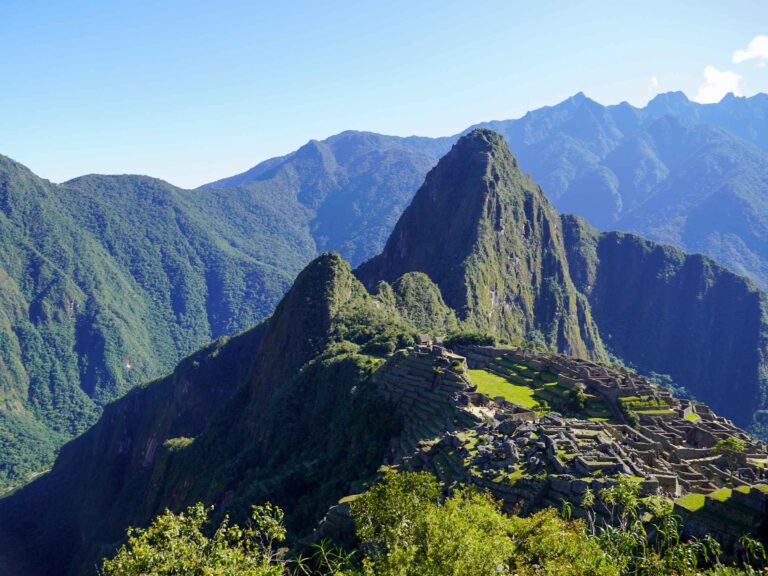
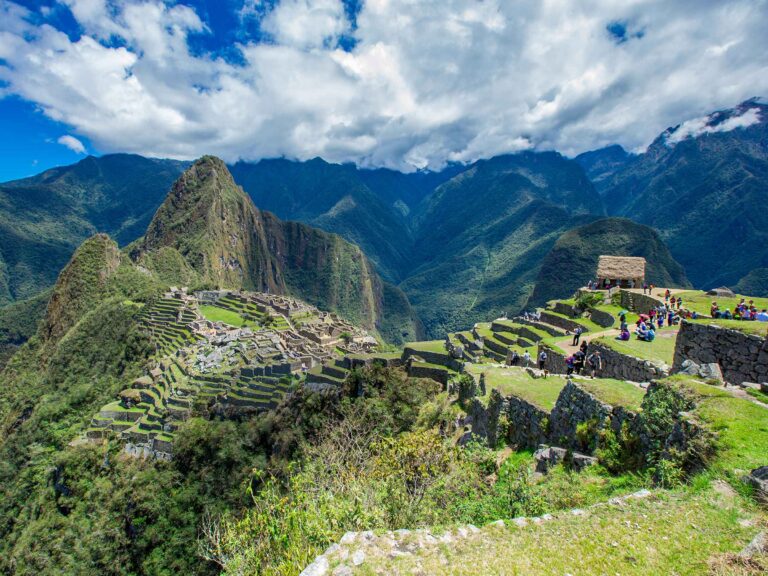
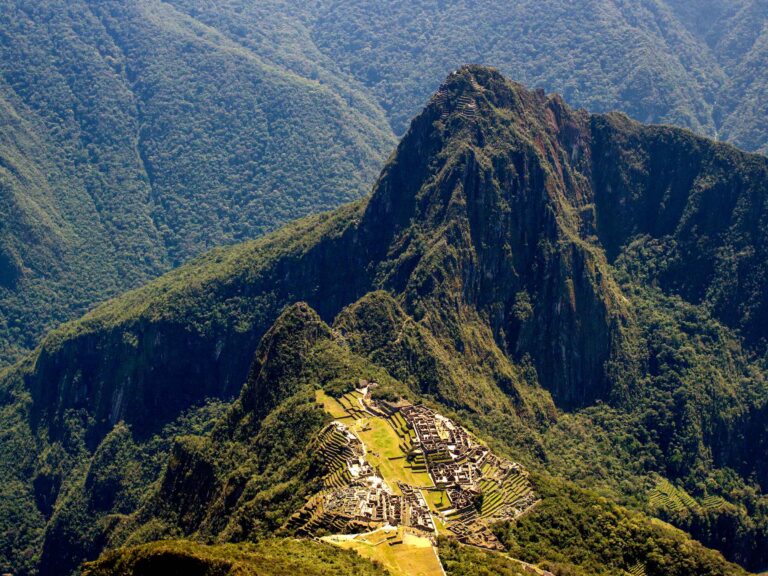
The fourth day begins early, as you hike the final stretch to the Sun Gate, the entrance to Machu Picchu. Arriving at the Sun Gate at sunrise is a magical experience, as you catch your first glimpse of the iconic ruins bathed in the golden light of dawn. From the Sun Gate, it’s a short descent to Machu Picchu, where you can spend the day exploring the ancient city and marveling at its architectural wonders.
Tips for a Sustainable and Responsible Trek
Trekking the Inca Trail is a privilege, and it is essential to approach the journey with a sense of responsibility and respect for the environment and the local communities. Follow Leave No Trace principles to minimize your impact on the trail. This includes packing out all your trash, staying on designated paths, and avoiding the disturbance of wildlife and plant life. Use biodegradable soap for washing and avoid contaminating water sources.
Support the local economy by choosing a licensed tour operator that employs local guides and porters and provides fair wages and working conditions. Show respect for the local culture and customs, and take the time to learn a few basic phrases in Quechua, the language of the indigenous people. Your efforts to communicate in their language will be appreciated and can enhance your overall experience.
Be mindful of the fragile environment you are trekking through. The Inca Trail passes through diverse ecosystems, including cloud forests and high-altitude grasslands, that are home to unique flora and fauna. Avoid picking flowers, disturbing animals, or removing any natural or cultural artifacts. By treading lightly and respecting the trail’s natural and cultural heritage, you help ensure that future generations can enjoy this extraordinary journey.
Making the Most of Your Inca Trail Experience
Conquering the Inca Trail is more than just a physical achievement; it is an opportunity to connect with Peru’s rich history and natural beauty. By preparing thoroughly, respecting the trail’s regulations, and approaching the journey with an open, responsible mindset, you can ensure your trek is both memorable and meaningful. The Inca Trail offers a unique blend of adventure, culture, and natural wonder, making it a journey that will stay with you long after you have returned home.
As you embark on this epic adventure, remember to take the time to savor each moment, from the camaraderie with fellow hikers to the awe-inspiring vistas and the profound sense of history that pervades the trail. Whether you are standing at the Sun Gate, gazing upon the ancient ruins of Machu Picchu, or simply enjoying the tranquility of the Andean landscape, the Inca Trail offers countless opportunities for reflection and inspiration.
In the end, the valid reward of the Inca Trail is not just reaching Machu Picchu, but the journey itself. Each step along the way, each challenge overcome, and each moment of discovery adds to the richness of the experience. By following these essential tips and approaching the trek with a spirit of adventure and respect, you can conquer the Inca Trail and create memories that will last a lifetime.
1.- Reserve the Inca Trail with time.
Access to the Inca Trail is limited, and once covered, the government’s quotas are impossible to access in any way. Therefore, planning the trip within a specific time (especially during high season) is fundamental to securing places with enough notice. If you are one of those who like to get to the country and look for options, I’ll weigh you, but in this case, you can stay without the possibility of entering the Inca Trail.
2.- Do not leave the climb to Wayna Picchu at the last moment.
Access to Wayna Picchu is even more restricted than the Inca Trail. So, if you intend to go up, I recommend not leaving it to the last minute, as you will end up with honey on your lips. Getting to Machu Picchu, wanting to climb Wayna Picchu, and not being able to do so were foresightful.
3.- Make a good backpack for the Inca Trail.
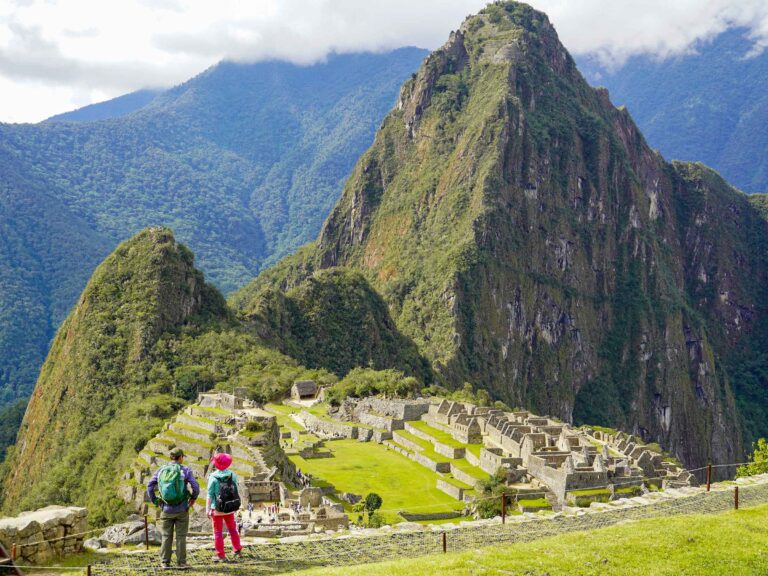
This advice seems obvious, but it is the step most people fail at. You will have four days of walking, which are long and demanding, and each gram counts. Do not take anything more than what is strictly necessary. Walking shoes and sandals will be enough for relaxing the feet, clothes for four days, and a raincoat during the rainy season. Use the chest and the waist; it will relieve the weight on the shoulders by distributing it evenly along the spine.
4. Pay attention to footwear.
It is not advisable to wear shoes that are not brand new, since you will get some gift ampoules. You do not need mountain boots; a semi-skid or trekking shoe is enough.
5.- Acclimate to The Inca Trail.
Every organism is a world reacting differently; you may not even notice it. 6. Protect yourself from the rain along the route.
We rode through constant rain, but the humidity was overwhelming, especially at night. The humidity reached the insulation, the sleeping bag, or the spare clothes you happened to lose. The moisture can make you less inclined to enjoy the Inca Trail. Put the clothes in plastic bags inside the backpack, carry spare ponchos, thank them, and do not hesitate.
7. Dosify your efforts on the Inca Trail
The road is long and does not try to be the first. Traveling in groups is easy to organize, and try to be the first. Usually, the entire group arrives at the end of the stages with hours of difference; nothing happens. Each one must carry their pace and be aware that there will be more the next day.
8.- Carry a trekking pole.
The stick is an excellent walking companion. You can take it or buy it there directly, as you prefer. Walking poles are standard for people who frequent the mountains.
9.- Mix with other people
The short Inca Trail and the classic Inca Trail are made with more or fewer people, so that you can share experiences with people from other countries, the people of the organization, and porters. You can think about trekking more individually, but it is a mistake. Besides being practically impossible, even for meals and dinners, you create a small family, which makes this experience more wonderful.
10.- Enjoy the Trek.
As final advice and, not least, enjoy. Enjoy the group, the landscape, and the moment. Do not plan the Inca Trail as a prelude to the Machu Picchu tour; the essence lies in the path itself. Machu Picchu is one more stone, the last but only one more.




Discussion 2
Machu Picchu 2 Day Tour | Huayna Picchu climbing Custom Tour
August 10, 2021 at 11:41 pm[…] tour of Machu Picchu. Built by the Inca Pachacutec, which comprises stone blocks equipped with masterful precision, it […]
Sacred Valley Private Tour Full Day | Best Sacred Valley Private Trips
August 28, 2021 at 11:26 pm[…] Machu Picchu is the main reason why thousands of tourists from all over the world visit Cusco in Peru. The other is, without a doubt, the Sacred Valley of the Incas. This immense fertile territory surrounded by rivers and beautiful landscapes was of great importance during the time of the Incas. Today, it offers a variety of tourist attractions such as archaeological centers, cultural manifestations and adventure sports. In addition to a great quality of hotels and services of all kinds. Here are some tips to make the most of your trip to the Sacred Valley. […]