

Discovering Urubamba Peru: The Hidden Gem of Peru’s Sacred Valley
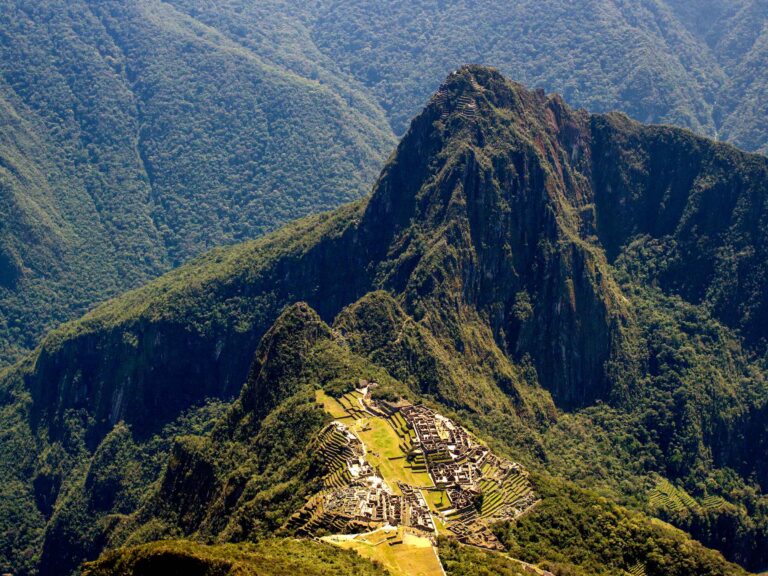
Nestled in the heart of Peru’s Sacred Valley, Urubamba is a treasure waiting to be uncovered. Often overshadowed by its more famous neighbors, such as Machu Picchu and Ollantaytambo, this charming town boasts breathtaking landscapes and a rich cultural heritage that captivate the soul. Picture sweeping valleys alive with vibrant colors, majestic mountains standing sentinel over ancient ruins, and the serene Urubamba River weaving through it all.
As you wander through Urubamba’s cobblestone streets, you’ll find an authentic slice of Peruvian life, from bustling markets to tranquil plazas. Embrace the warm hospitality of the locals, indulge in tantalizing Andean cuisine, and explore sacred sites that echo the whispers of history. Whether you’re an adventure seeker, a culture enthusiast, or simply looking for a peaceful retreat, Urubamba is the hidden gem that promises an unforgettable journey into the heart of the Andes. Discover what makes this enchanting destination a must-visit on your next Peruvian adventure!
- Urubamba is called La Perla del Vilcanota. It is located in the heart of the Sacred Valley of the Incas, 78 kilometers from Cusco and 4 kilometers from Yucay.
- Urubamba is indescribable, with two snowy mountains, Chicón and Pumahuanca, adding to its landscape.
- Although Urubamba was one of the leading agricultural sites during the Inca Empire, it is now a center of business investment, which has led to the construction of lodges, category hotels, country restaurants, spas, healing centers, and astronomical observatories.
- Urubamba is the place of excellence in Peru for those who like organic food. The restaurants prepare their dishes with vegetables and fresh fruits recently harvested from the plantations and orchards they own in the Urubamba Valley.
The history of Urubamba: From Inca roots to modern times
Urubamba, often called the heart of the Sacred Valley, has a history steeped in the rich traditions of the Inca civilization. The name “Urubamba” is believed to be derived from the Quechua words “uru,” meaning “dawn,” and “pampa,” meaning “flat land,” a fitting description for this fertile valley. The Incas recognized the strategic importance of Urubamba, both for its agricultural potential and its location along the route to the sacred city of Machu Picchu. They constructed sophisticated farming terraces and irrigation systems that transformed the valley into one of the empire’s most productive regions.
As the Spanish conquistadors arrived in the 16th century, they quickly recognized the value of the fertile lands of the Urubamba Valley. The town became a focal point of colonial agricultural enterprises, with many Inca terraces repurposed for European crops. The blend of Inca and Spanish influences is still evident today, visible in the town’s architecture, agricultural practices, and cultural traditions. Despite the passage of centuries, Urubamba has retained its historical essence, offering visitors a glimpse into a bygone era when Inca and colonial heritages intertwine.
In modern times, Urubamba has evolved into a vibrant community that harmoniously blends its ancient heritage with contemporary life. The town has become a hub for tourists seeking to explore the Sacred Valley’s natural and cultural wonders. Local initiatives have focused on preserving Urubamba’s historical sites while promoting sustainable tourism. This commitment to heritage and community enriches the visitor experience, making Urubamba a destination where history comes alive against the backdrop of the stunning Andean landscape.
Top attractions in Urubamba Peru
One of the most captivating attractions in Urubamba is the Maras Salt Mines, also known as Salineras de Maras. These ancient salt pans, believed to have been developed by the Incas, are a striking sight with their hundreds of shallow pools cascading down the hillside. The salt mines are still in use today, with local families harvesting salt in much the same way their ancestors did. A visit to Maras offers not only a visual feast but also an insight into traditional salt production methods that have stood the test of time.
Another must-see destination is the Moray archaeological site, a marvel of Inca engineering and agricultural experimentation. Moray consists of several terraced circular depressions that create a series of microclimates. It is believed that the Incas used these terraces to study crop cultivation at various altitudes and conditions. Walking through Moray, visitors can’t help but be impressed by the ingenuity and foresight of the Inca agronomists, who created a living laboratory that continues to intrigue historians and scientists alike.
For those seeking spiritual and historical enrichment, the Chinchero village is an essential stop. Often called the birthplace of the rainbow, Chinchero is home to a beautiful colonial church built on the foundations of an Inca temple. The village is also renowned for its vibrant market and weaving traditions. Here, visitors can watch skilled artisans create intricate textiles using techniques passed down through generations. The Chinchero market is a sensory delight, brimming with colorful fabrics, handmade crafts, and local produce, offering a perfect blend of cultural immersion and shopping.
Outdoor activities and adventures in the Sacred Valley
The Sacred Valley is a paradise for outdoor enthusiasts, offering a wide range of adventures for all levels of fitness and experience. One of the most popular activities is trekking, with numerous trails that traverse the valley’s stunning landscapes. The Lares Trek, for example, takes hikers through remote Andean villages, past glacial lakes, and over high mountain passes. This trek is an excellent alternative to the crowded Inca Trail, offering a more intimate, off-the-beaten-path experience while still culminating in the awe-inspiring beauty of Machu Picchu.
Mountain biking is another exhilarating way to explore the Sacred Valley. The region’s varied terrain, from rugged mountain paths to smooth valley floors, makes it ideal for biking adventures. One of the most popular routes is the descent from the highlands of Chinchero down to the valley floor, passing through picturesque villages and breathtaking scenery along the way. Biking enthusiasts will find numerous opportunities to challenge themselves while taking in the area’s natural beauty and cultural richness.
For those who prefer water-based activities, the Urubamba River offers exciting opportunities for white-water rafting. The river’s rapids range from mild to challenging, making it suitable for both beginners and experienced rafters. As you navigate the river’s twists and turns, you’ll be treated to stunning views of the Sacred Valley’s lush landscapes and towering peaks. Rafting on the Urubamba River is not only an adrenaline-pumping adventure but also a unique way to appreciate the valley’s natural splendor from a different perspective.
Local culture and traditions: Experiencing Urubamba’s heritage
Urubamba is a living tapestry of culture and tradition, where ancient customs are woven seamlessly into modern life. One of the best ways to immerse yourself in the local culture is by visiting the town’s bustling markets. The Urubamba Market is a vibrant hub of activity, where locals gather to buy and sell fresh produce, handmade crafts, and everyday essentials. Strolling through the market, you’ll encounter a kaleidoscope of colors, aromas, and sounds that offer a glimpse into the community’s daily life. Don’t miss the chance to sample some traditional Andean snacks and engage in friendly banter with the vendors.
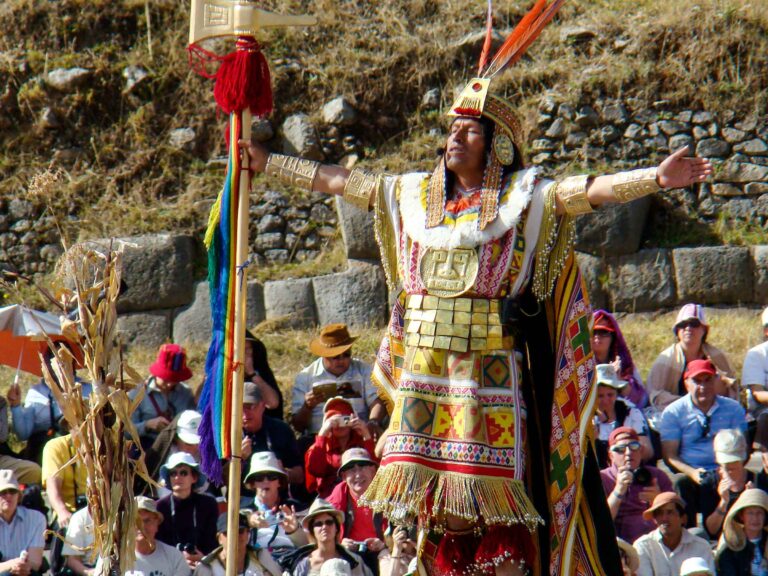
Festivals and celebrations are an integral part of Urubamba’s cultural identity, reflecting the town’s deep-rooted traditions and religious beliefs. One of the most significant events is the Feast of the Virgin of Carmen, held every July. This lively festival features colorful parades, traditional dances, and elaborate costumes, all dedicated to the town’s patron saint. The celebration is a joyous expression of faith and community spirit, offering visitors a unique opportunity to experience and participate in Urubamba’s vibrant cultural heritage.
Traditional Andean music and dance are also central to Urubamba’s cultural life. The town is home to numerous folk music groups that perform at local events and festivals. The distinctive sounds of Andean instruments such as the charango, quena, and panpipes create a mesmerizing auditory experience that transports listeners to the heart of the Andes. Dance is equally important, with traditional dances like the Huayno and Marinera showcasing the region’s rich cultural diversity. Attending a local music or dance performance is an excellent way to connect with Urubamba’s artistic traditions and appreciate its enduring cultural heritage.
Culinary delights: Must-try dishes in Urubamba Peru
Peruvian cuisine is renowned for its diversity and bold flavors, and Urubamba is no exception. The town’s culinary scene is a delightful blend of traditional Andean dishes and innovative contemporary cuisine. One of the must-try dishes in Urubamba is “cuy,” or guinea pig, which has been a staple in the Andean diet for centuries. While it may seem unusual to some, cuy is considered a delicacy and is often reserved for special occasions. The meat is typically roasted or fried, resulting in a crispy exterior and tender, flavorful interior. Served with potatoes and aji sauce, this dish offers a unique and authentic taste of the Andes.
Another quintessential Andean dish is “pachamanca,” a traditional feast that involves cooking various meats, potatoes, and vegetables in an underground pit oven. The word “pachamanca” translates to “earth pot,” and this cooking method dates back to the Inca era. The ingredients are marinated with a blend of local herbs and spices, then wrapped in banana leaves and placed in a pit lined with hot stones. The result is a succulent and aromatic meal that captures the essence of Andean culinary traditions. Many local restaurants in Urubamba offer pachamanca experiences, allowing visitors to savor this ancient and communal cooking method.
For a lighter yet equally delicious option, try “trucha” (Andean trout), which is abundant in the rivers and lakes of the Sacred Valley. Trucha is often grilled or baked and served with a variety of accompaniments such as quinoa, vegetables, and fresh herbs. The trout’s delicate flavor and tender texture make it a favorite among locals and visitors alike. Pair your meal with a glass of chicha morada, a refreshing purple corn beverage, and you’ll have a culinary experience that embodies the rich flavors and traditions of Urubamba.
How to get to Urubamba: Travel tips and transportation options
Reaching Urubamba is relatively straightforward, with several transportation options available to suit different travel preferences and budgets. The nearest major city is Cusco, which is well-connected by air and road. Most travelers fly into Alejandro Velasco Astete International Airport in Cusco, which serves both domestic and international flights. From Cusco, Urubamba is approximately a 1.5-hour drive away, making it easily accessible for a day trip or extended stay.
One of the most convenient ways to travel from Cusco to Urubamba is by private car or taxi. This option offers flexibility and comfort, letting you enjoy the scenic drive through the Sacred Valley at your own pace. Alternatively, you can opt for a shared shuttle service, which is a cost-effective and popular choice among tourists. These shuttles operate regularly between Cusco and Urubamba, offering a hassle-free and comfortable journey.
For those who prefer a more immersive travel experience, taking the local bus is an excellent option. Buses to Urubamba depart from Cusco’s Santiago terminal and offer a glimpse into everyday life in the region. The journey takes about 2 hours and offers opportunities to interact with locals and enjoy the picturesque landscapes along the way. Additionally, for the adventurous traveler, several trekking routes connect Cusco to Urubamba, offering a unique and rewarding way to explore the Sacred Valley on foot.
Best times to visit Urubamba: Weather and seasonal highlights
Urubamba’s location in the Sacred Valley means it enjoys a relatively mild climate year-round, making it an appealing destination no matter when you choose to visit. However, certain times of the year offer unique experiences and seasonal highlights. The dry season, which runs from May to September, is considered the best time to visit Urubamba. During these months, the weather is sunny and pleasant, with daytime temperatures averaging around 20-25°C (68-77°F) and cooler nights. The clear skies and minimal rainfall make it an ideal destination for outdoor activities, such as trekking, biking, and exploring archaeological sites.
The rainy season, from November to March, brings lush greenery and vibrant landscapes to the Sacred Valley. While there are more frequent showers during this period, the rain typically falls in short bursts, leaving plenty of time for sightseeing and outdoor adventures. The rainy season also coincides with the agricultural cycle, offering a chance to witness traditional farming practices and to see the valley’s fields bursting with crops. If you don’t mind the occasional rain, visiting Urubamba during the rainy season offers a different perspective on the region’s natural beauty.
Specific festivals and events can also influence the best time to visit Urubamba. For example, the Feast of the Virgin of Carmen in July is a highlight of the town’s cultural calendar, offering a vibrant and festive atmosphere. Similarly, the Andean New Year, celebrated on the winter solstice in June, is a time of traditional rituals and ceremonies. Planning your visit around these events can enrich your experience and deepen your understanding of Urubamba’s cultural heritage.
Accommodations in Urubamba: Where to stay
Urubamba Peru offers a range of accommodations to suit different tastes and budgets, from luxurious resorts to charming boutique hotels and cozy guesthouses. For those seeking a high-end experience, the Tambo del Inka Resort & Spa is an excellent choice. This luxury resort offers stunning views of the Sacred Valley, world-class amenities, and a serene environment. Guests can enjoy spa treatments, gourmet dining, and guided excursions, all while immersing themselves in the natural beauty and tranquility of the Urubamba region.
For a more intimate and authentic experience, consider staying at a boutique hotel such as Hotel Sol y Luna. This charming property features beautifully designed casitas set amidst lush gardens, offering a peaceful retreat with personalized service. The hotel also has an on-site restaurant serving delicious Peruvian cuisine, as well as various activities and excursions to help guests explore the Sacred Valley. Staying at a boutique hotel offers a more personalized, immersive experience, allowing you to connect with the local culture and community.
Budget-conscious travelers will find plenty of options in Urubamba as well. Hostels and guesthouses, such as Hospedaje Los Jardines and Casa de la Chola, offer comfortable, affordable accommodations with a friendly, welcoming atmosphere. These budget-friendly options often include basic amenities and communal areas where guests can relax and socialize. Staying at a hostel or guesthouse is a great way to meet fellow travelers and share experiences while exploring the Sacred Valley.
Why Urubamba should be on your travel bucket list
Urubamba, the hidden gem of Peru’s Sacred Valley, offers a unique and enriching travel experience that should not be missed. Its rich history, from its Inca roots to its colonial heritage, provides a fascinating backdrop for exploration. The town’s top attractions, including the Maras Salt Mines, the Moray archaeological site, and Chinchero village, showcase the region’s ingenuity and cultural richness. Outdoor enthusiasts will find a paradise of activities, from trekking and mountain biking to white-water rafting, all set against the stunning landscapes of the Andes.
The vibrant local culture and traditions of Urubamba offer an authentic and immersive experience. Whether visiting bustling markets, participating in lively festivals, or enjoying traditional music and dance, visitors will find a deep connection to the community and its heritage. The culinary delights of Urubamba, ranging from ancient Andean dishes to contemporary gastronomic innovations, offer a delectable exploration of the region’s flavors and traditions. With a range of accommodations to suit every traveler, from luxury resorts to budget-friendly hostels, Urubamba ensures a comfortable and memorable stay.
Whether you’re an adventure seeker, a culture enthusiast, or simply looking for a peaceful retreat, Urubamba promises an unforgettable journey into the heart of the Andes. Its breathtaking landscapes, rich cultural heritage, and warm hospitality make it a must-visit destination on your Peruvian adventure. So pack your bags and get ready to discover the hidden gem of Peru’s Sacred Valley – Urubamba awaits!




Discussion 1
Sacred Valley Private Tour Full Day | Best Sacred Valley Private Trips
August 28, 2021 at 11:02 pm[…] with a Pisco sour cocktail; It’s a feeling of a taste that you don’t forget the city of Urubamba, […]