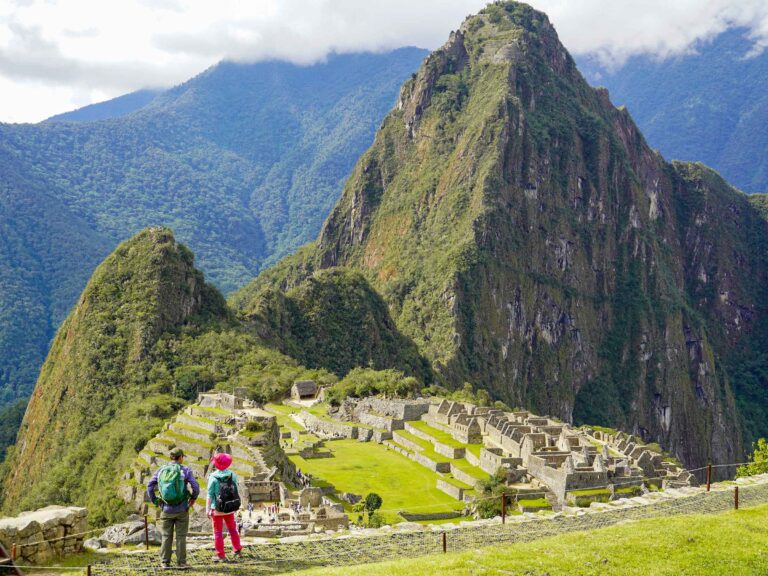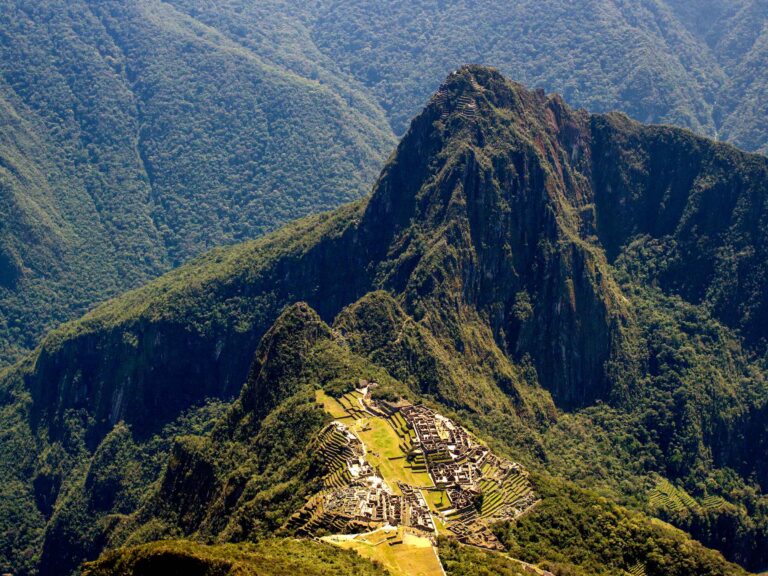

Machu Picchu is one of the most important cultural landmarks in the world. Recognized as a UNESCO World Heritage Site, it represents the legacy of the Inca civilization and the connection between human achievement and nature.
If you’re planning your visit, explore our Machu Picchu tours to experience this iconic site with expert guidance.
For a complete travel overview, you can also read our Machu Picchu travel guide.
Why Machu Picchu is a UNESCO World Heritage Site
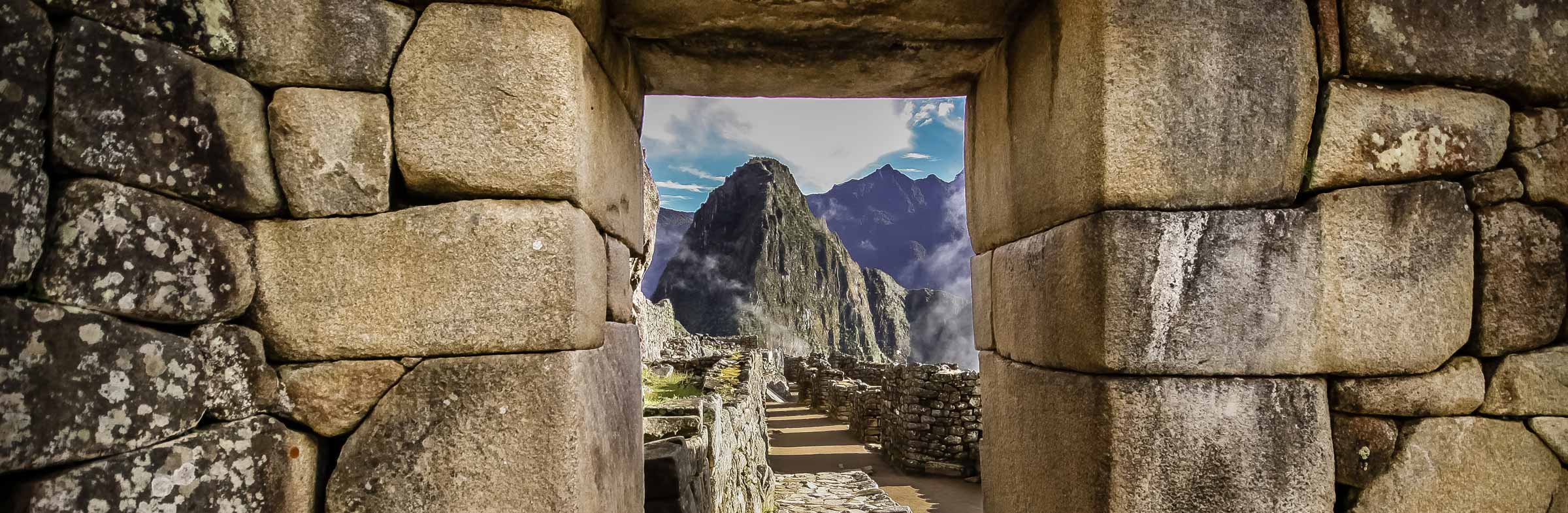
In 1983, Machu Picchu was designated a UNESCO World Heritage Site due to its outstanding cultural and historical value. It is considered a masterpiece of human creativity and one of the most important archaeological sites in the world.
The site represents the achievements of the Inca civilization, including advanced engineering, architecture, and a deep understanding of the natural environment.
The Cultural Importance of Machu Picchu
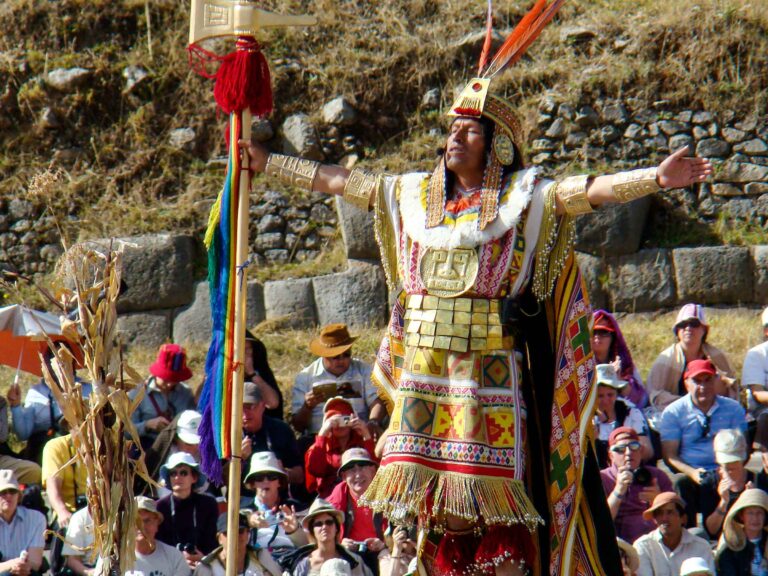
Machu Picchu is more than an ancient city—it is a symbol of Peru’s cultural identity and a testament to the ingenuity of the Inca Empire.
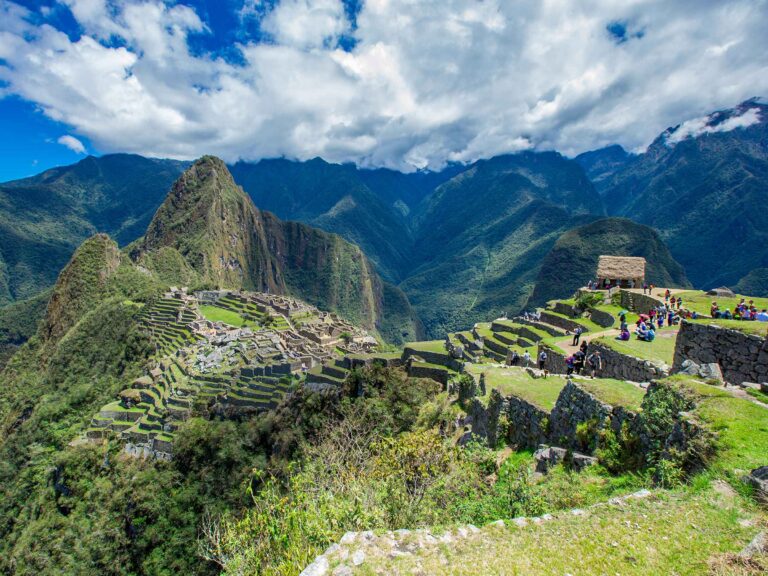
Its structures, terraces, and layout reflect a society that was highly organized and deeply connected to nature.
The Connection Between Nature and Architecture
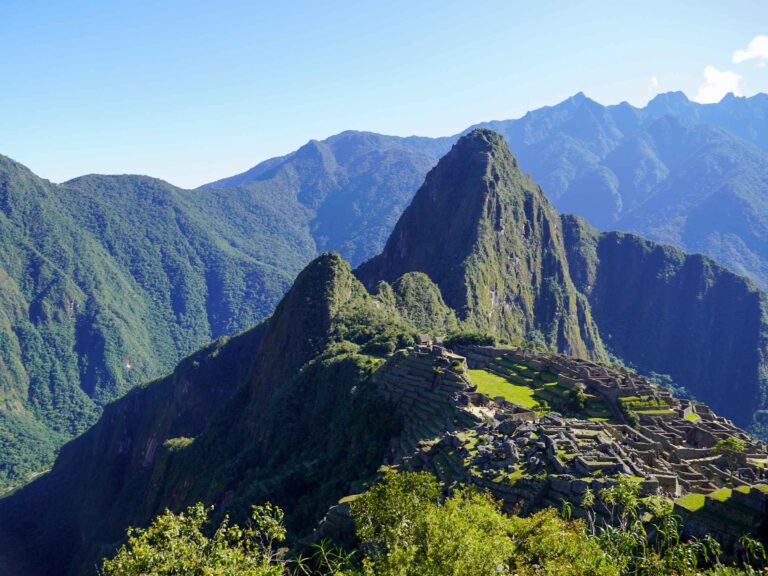
One of the most unique aspects of Machu Picchu is how it blends seamlessly with the surrounding landscape. The Incas designed the site in harmony with the mountains, rivers, and natural contours of the terrain.
This integration is one of the reasons why Machu Picchu is recognized globally as an example of sustainable and intelligent design.
Preservation and Conservation Efforts
Protecting Machu Picchu is a global priority. The site faces challenges such as tourism impact, environmental changes, and natural erosion.
To preserve its integrity, authorities have implemented strict regulations, including visitor limits and controlled access routes.
Responsible Tourism at Machu Picchu
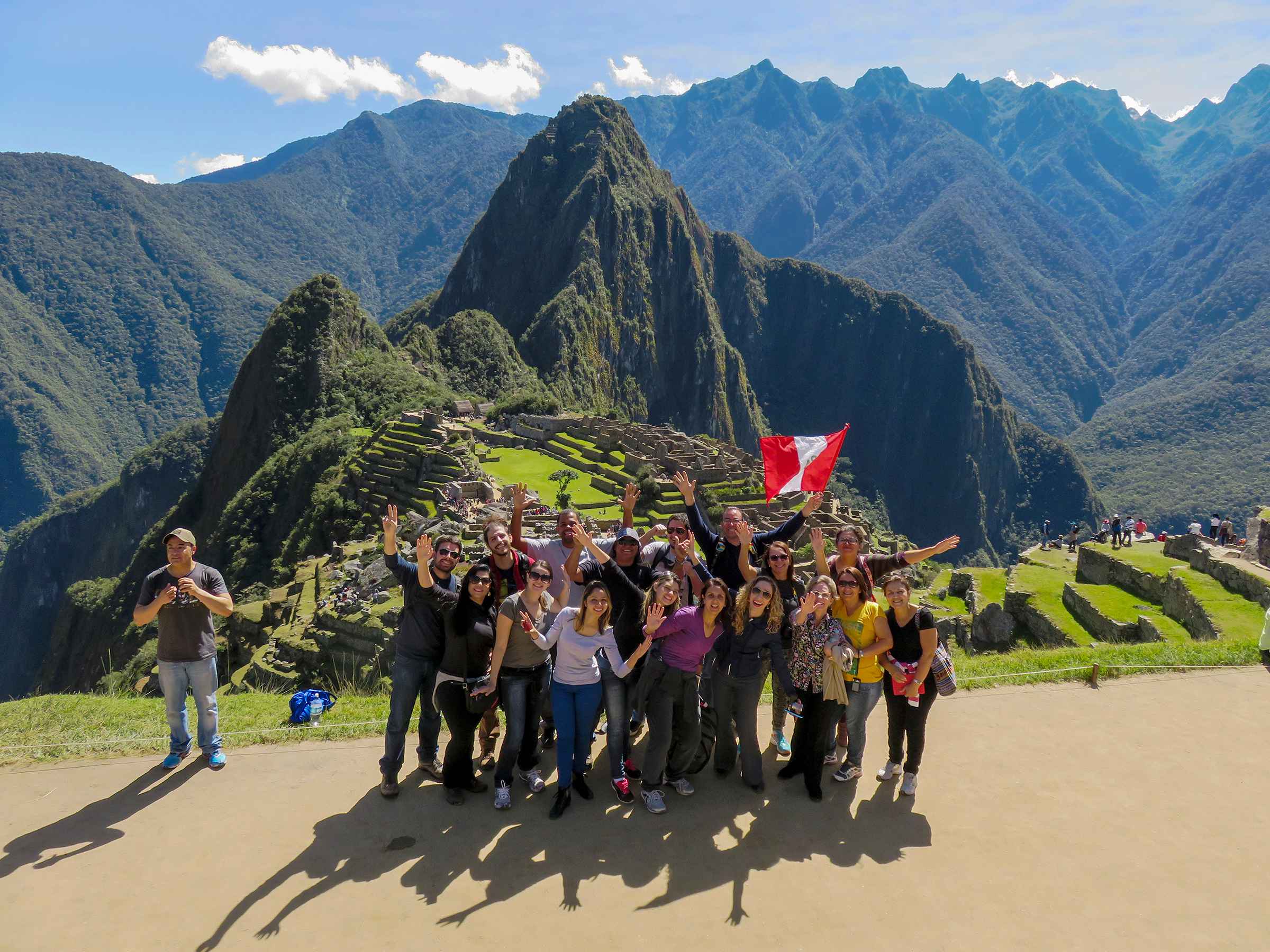
Visitors play an important role in protecting Machu Picchu. Following guidelines, respecting the site, and choosing responsible tour operators help ensure its preservation for future generations.
Traveling with experienced local operators also helps maintain sustainable tourism practices.
Why Machu Picchu Matters Today
Machu Picchu is not only a historical site—it is a symbol of cultural heritage, human achievement, and the importance of preserving our past.
Its global recognition continues to inspire millions of travelers each year.
Plan Your Machu Picchu Experience
Understanding the importance of Machu Picchu adds depth to your visit and enhances your overall experience.
Ready to explore Machu Picchu?
Compare all Machu Picchu tours and choose the best option for your trip.