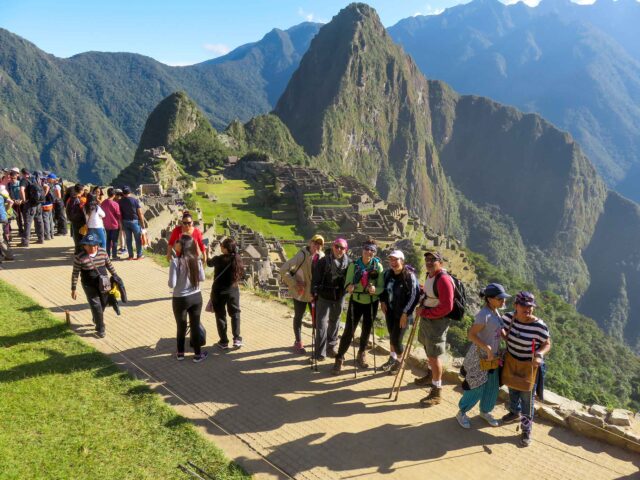
Machu Picchu Dry Season: The Best Time Travelers Choose

Machu Picchu Dry Season: The Best Time Travelers Choose


The Perfect Machu Picchu Dry Season for Travelers

Machu Picchu is a dream destination for many travelers. Its ancient ruins and stunning landscapes captivate visitors from around the world.

Planning a trip to this iconic site requires understanding its unique climate. The dry season is the most popular time to visit.

This period offers clear skies and minimal rain, perfect for exploring. But when exactly is the dry season at Machu Picchu?

Typically, it runs from May to September. These months provide the best conditions for hiking and photography.

However, the dry season also attracts the largest crowds. This can lead to higher prices and limited availability.

Understanding the weather patterns is crucial for a successful trip. It helps in choosing the best time to visit.

In this guide, we’ll explore everything you need to know. From weather conditions to travel tips, we’ve got you covered.

Machu Picchu Dry Season

Machu Picchu Dry Season

Understanding Machu Picchu’s Climate

Machu Picchu is known for its diverse climate, shaped by its high elevation and location. Situated at 2,430 meters (7,970 feet) above sea level, it enjoys a subtropical highland climate.

Temperature variations in Machu Picchu are stark between day and night. Days can be warm and sunny, while nights drop to cooler temperatures. This requires travelers to pack layers for comfort.

The area experiences significant seasonal changes due to its proximity to the Amazon rainforest. The weather patterns are generally divided into two main seasons: dry and wet.

Here’s a quick breakdown:

  • Dry Season: May to September, characterized by clear skies and little rain.
  • Wet Season: November to March, bringing heavy rains and possible trail closures.

April and October stand out as transition months, offering milder weather. Understanding these patterns will help you plan the perfect trip to Machu Picchu. This knowledge allows you to pack appropriately and choose the best time for your visit.

The Dry Season at Machu Picchu: Months, Weather, and What to Expect

The dry season in Machu Picchu spans from May to September. It’s considered the best time to visit due to the favorable weather.

During this season, visitors experience clear skies and minimal rainfall. These conditions are ideal for exploring the ancient ruins and hiking the trails.

Temperatures during the day are comfortable, ranging from 20 to 25 degrees Celsius (68 to 77 degrees Fahrenheit). However, evenings can be chilly, dipping to around 5 degrees Celsius (41 degrees Fahrenheit).

Daytime brings the brightest sunlight, making sunscreen and hats essential. Though the dry season typically promises great weather, occasional showers can surprise you.

These clear skies offer excellent opportunities for photography, capturing the beauty of Machu Picchu at its best. The vistas over the Andes are exceptionally breathtaking at sunrise and sunset.

Visitors during the dry season can explore nearby attractions, such as the Sacred Valley, without the hindrance of rain. The popularity of this season leads to crowded conditions and higher travel costs.

Despite these challenges, the dry season remains the best time to delve into the region’s culture and history. Key festivals and events often occur during these months, enriching the experience.

In summary, visiting Machu Picchu in the dry season ensures a memorable adventure. Here’s a quick overview of what to expect:

  • Weather: Mostly dry with clear skies.
  • Temperature: Warm days, cool nights.
  • Activities: Hiking, photography, cultural exploration.
  • Crowds: High tourist volume, requiring early bookings.
  • Preparation: Bring layers, sunscreen, and rain gear just in case.

Taking these aspects into account, the dry season provides an unmatched Machu Picchu experience.

Machu Picchu Trips

  • Machu Picchu Full Day Tour – A comprehensive one-day tour exploring the iconic Inca city of Machu Picchu, including its main archaeological sites and historical significance.
  • 2 Day Tour Machu Picchu Sacred Valley – This two-day tour covers the Sacred Valley’s highlights and Machu Picchu, providing a blend of cultural and historical experiences with guided tours and visits to local landmarks.
  • Machu Picchu Tour + Maras Salt Mines – 2 Days – Explore Machu Picchu and the Maras Salt Mines over two days, including guided tours of these fascinating sites and insights into their cultural and historical importance.
  • Machu Picchu Tour + Sacred Valley Tour – 3 Days Valley – A three-day immersive experience that combines a tour of Machu Picchu with a comprehensive exploration of the Sacred Valley, including cultural insights and visits to key sites.
  • Machu Picchu Tour – 4 Days – A four-day tour providing additional time to explore Machu Picchu and its surroundings, with options for extended hikes and deeper exploration of the area’s natural beauty.
  • Machu Picchu Tour – 5 Days – An extended five-day adventure that includes Machu Picchu along with extra hikes, cultural experiences, and the chance to explore additional Incan sites and trails.
  • Machu Picchu Tour – 6 Days – A six-day comprehensive package offering an in-depth tour of Machu Picchu, including additional excursions and experiences in the Cusco region, providing a thorough exploration of the area’s heritage and beauty.
  • Machu Picchu Photo Tour – 6 Days – A six-day tour focused on capturing stunning photographs of Machu Picchu and its surroundings, with guided photography sessions and advice from experts to help you get the best shots.
  • Machu Picchu by Belmond Hiram Bingham Train – A luxury experience traveling to Machu Picchu aboard the Belmond Hiram Bingham train, featuring elegant dining, exclusive service, and a scenic journey through the Peruvian countryside.

Read our Kondor Path TripAdvisor Reviews

The Wet Season vs. Dry Season: Key Differences

Machu Picchu’s climate varies significantly between wet and dry seasons. These differences influence travel plans, costs, and experiences.

The wet season extends from November to March, bringing heavy rains and possible trail closures. This period is often characterized by limited visibility due to fog and rainfall.

Contrastingly, the dry season offers clear skies and minimal precipitation, enhancing the visitor experience. This season aligns with Peru’s winter, bringing cooler, drier conditions.

Tourist volume is higher in the dry season, leading to crowded trails and sites. Additionally, prices for tours and accommodations can increase due to demand.

In the wet season, fewer tourists mean quieter visits at a lower cost. However, the risk of canceled treks and activities is greater.

Understanding these differences is crucial when planning a trip. Here’s a quick breakdown:

  • Wet Season:
    • High rainfall and potential fog
    • Fewer tourists, but possible trail closures
    • Quieter sites with reduced costs
  • Dry Season:
    • Clear skies, perfect for photography
    • Crowded conditions with higher expenses
    • Stable weather conducive to hiking and exploration

Both seasons have unique advantages and challenges. Weighing these factors helps ensure a successful Machu Picchu adventure. Travelers must decide if they prefer pleasant weather and crowds or tranquility with a chance of rain.

Month-by-Month Guide: Machu Picchu Weather and Visitor Experience

Each month at Machu Picchu offers a unique blend of weather, crowds, and experiences. From clear skies to lush greenery, travelers should consider these monthly patterns when planning their journey.

May marks the beginning of the dry season. Though rain may linger, conditions steadily improve. Visitors enjoy pleasant weather and fewer crowds.

June brings clear skies and cooler temperatures. The Inca Trail opens, attracting many adventurers. Festivals and vibrant celebrations in Cusco draw crowds, adding to the region’s allure.

July is one of the busiest months at Machu Picchu. Ideal hiking weather coincides with school vacations worldwide. This peak season requires early reservations for permits and accommodations.

August remains busy but offers the best weather. Cool mornings and evenings accompany warm days. It’s a prime time for outdoor activities and exploration.

As September approaches, the crowds begin to thin. The weather remains favorable, with a lower chance of rain. It’s an excellent time to savor Machu Picchu’s beauty in relative peace.

October is a shoulder month, blending dry season advantages with fewer visitors. Gentle rains start but rarely disrupt plans. Tourists find good deals on tours and lodging.

During March and April, the weather varies greatly. March might still witness heavy rains while April slowly transitions to drier days. These months offer budget-friendly options, with April generally being the safer bet for a visit.

Here’s a month-by-month summary of what to expect at Machu Picchu:

  • May: Beginning of dry season, moderate crowds.
  • June: Clear skies, festival season, peak tourist period.
  • July: Busy, perfect weather, high demand for reservations.
  • August: Excellent weather, still crowded.
  • September: Diminishing crowds, great weather.
  • October: Transition to wet season, fewer tourists.
  • March and April: Transition from wet to dry, varying weather.

This guide helps travelers choose their ideal timeframe based on weather, budget, and personal interests.

Machu Picchu in May

In May, Machu Picchu shifts towards the dry season. The weather improves as rain showers decrease. Visitors enjoy moderate crowds, enhancing the experience.

The landscapes appear vibrant after the rains, perfect for photography. It is a great time to explore without the pressures of peak season. Reservations remain manageable.

Machu Picchu in June

June marks the heart of the dry season. Tourists flock for clear skies and striking vistas. It’s ideal for hiking with minimal weather disruptions.

The Inti Raymi festival in nearby Cusco adds cultural richness to trips. Travelers immerse themselves in Andean traditions. Early planning is essential due to high demand.

Machu Picchu in July

July is bustling at Machu Picchu. The weather is most favorable, drawing large crowds. Long, sunny days facilitate extended explorations.

Peak tourism requires careful planning. Booking in advance secures permits and accommodations. Despite the crowds, the experience remains unforgettable.

Machu Picchu in August

In August, conditions remain optimal for adventure. Visitors find cool, crisp mornings that warm by midday. This month delivers a memorable Machu Picchu visit.

Attendance is slightly lower than in July, easing congestion a bit. Travelers still enjoy superb hiking and stunning views. Planning remains key during this peak period.

Machu Picchu in September

September offers a reprieve from the crowds. The weather is still excellent, with slight hints of rain. Enjoying Machu Picchu with fewer tourists is a delight.

It’s a perfect time for those seeking balance between weather and crowds. Opportunities for tour deals may increase. September often surprises with serene moments.

Machu Picchu in October (Shoulder Month)

October ushers in rain but maintains pleasant temperatures. It marks the start of a less crowded season. This shoulder month offers a good mix of price and climate.

Visitors can easily experience Machu Picchu. Occasional showers rarely disrupt plans. Accommodations and tours become more accessible and affordable.

Machu Picchu in March and April (Transition Months)

March sees the tail end of the rainy season. Travel is riskier with potential weather interruptions. However, bargains on travel can be found.

April begins a shift to drier days. It’s a less crowded period with improving conditions. April balances affordability with good weather, making it a strategic time to visit.

BEST Machu Picchu 1 Day Tour | Full Day Tour BEST SELLING TOUR

BEST Machu Picchu 1 Day Tour | Full Day Tour

📍 Cusco, Poroy, Machupicchu Pueblo, Machu Picchu Ruins

10 hours / from: USD 294

📊 Challenging
⛺ Campsite
★★★★★ (300)

Explore the Amazing Machu Picchu Full Day Tour Machu Picchu 1 Day Tour from Cusco 2026: The best way to reach Andean ruins is by train. You can take the…

Machu Picchu Tour 5-Days BEST SELLING TOUR

Machu Picchu Tour 5-Days

📍 Machu Picchu 5 Day itinerary, Cusco City Tour, Sacred Valley, Machu Picchu Ruins, Rainbow Mountain, Maras Salt Mines

5-Day / from: USD 524

📊 Challenging
⛺ Campsite
★★★★★ (300)

5 Day Machu Picchu Vacation Packages: TOUR PERU Are you dreaming of an adventure to one of the most iconic destinations in the world? A 5 day Machu Picchu tour…

Best and Worst Times to Visit Machu Picchu

Deciding when to visit Machu Picchu depends on your weather preferences and tolerance for crowds. The dry season, from May to September, is generally the best time for a visit. June, July, and August are popular for clear skies and ideal hiking conditions.

During these months, the vistas are stunning, and trails like the Inca Trail are fully accessible. However, this is also peak season, meaning crowds swell and prices rise. Travelers should book well in advance during these busy months.

Conversely, the wet season, from November to March, presents challenges. Persistent rain can hinder outdoor activities. Trails may close, and fog can obscure views. Thus, this period is often considered the worst time to visit.

March falls within the wet season but serves as a transitional month. Weather can be unpredictable, but fewer visitors and potential travel discounts attract some. Visitors must weigh these factors against the risks of rain.

Summarizing, the dry season is best for stability and clear conditions, while the wet season offers budget-friendly options with some weather gamble.

Best Time to Hike Machu Picchu and the Inca Trail

Hiking Machu Picchu and the Inca Trail is an incredible experience. Choosing the right time ensures a memorable journey. The optimal period for hiking is the dry season, spanning May to September.

During these months, weather conditions are stable. There is minimal rainfall, making trails safer and more enjoyable. June to August sees peak foot traffic, but trails are in excellent condition for trekking.

Hikers benefit from splendid scenery during the dry season. Clear skies provide breathtaking views of the Andes Mountains and the surrounding landscapes. The dry air and cool temperatures contribute to a comfortable hiking experience.

For those seeking fewer crowds, May and September offer a balance. Trails remain in good shape, and weather conditions are still favorable. Visitors will find these months advantageous for securing permits and accommodations. Planning well in advance is crucial, as permits, especially for the Inca Trail, sell out quickly.

Key points to consider:

  • Best months: May to September
  • Clear skies and stable weather
  • Permits required, book early

Crowds, Costs, and Booking Tips for the Dry Season

The dry season draws many visitors to Machu Picchu. As a result, crowds are common, especially during peak months. June through August is the busiest time at the site.

Higher demand affects prices during this period. Accommodations and tours can be more expensive during peak season. Planning and booking early can help secure the best rates.

Advance booking is essential for visiting during the dry season. Permits for the Inca Trail sell out quickly due to limited availability. Likewise, train tickets and accommodation should be reserved well in advance to ensure availability.

For those aiming to manage costs and avoid the biggest crowds, consider traveling in the shoulder months. May and September offer a good balance. These months provide a more relaxed experience while still enjoying pleasant weather.

Tips for visiting during the dry season:

  • Book accommodations early
  • Reserve permits and tickets in advance
  • Consider visiting in the shoulder months
  • Plan the budget accordingly

What to Pack for the Dry Season: Essential Gear and Clothing

Travelers to Machu Picchu during the dry season should pack thoughtfully. Despite the favorable weather, conditions can vary. Days are generally warm, but nights can be pretty cool.

Layering is crucial for comfort. A combination of light and warm clothing will accommodate temperature changes throughout the day. Wearing layers helps adjust to the varying climate effortlessly.

Always pack rain gear, even in the dry season. Occasional rain showers can catch you off guard, so a lightweight rain jacket is advisable. Staying dry ensures a more comfortable visit.

Comfortable footwear is a must for exploring the rugged terrain. Hiking boots or sturdy shoes will provide needed support. They ensure stability on uneven paths and prolonged walking, preventing unnecessary discomfort.

Essential Packing List:

  • Lightweight rain jacket
  • Layered clothing (t-shirts, fleece, and jacket)
  • Sun hat and sunglasses
  • Sunscreen to guard against sunburn
  • Sturdy hiking boots or shoes
  • Water bottle for hydration
Peru Highlights Tour 10-Day BEST SELLING TOUR

Peru Highlights Tour 10-Day

📍 Arequipa City Tour, Chivay Valley, Condor sightings, Sillustani, Puno, Lake Titicaca, Vinicunca Rainbow Mountain, Cusco, Pisac, Cusco City Tour, Chinchero, Moray, Ollantaytambo, Machupicchu Pueblo, Machu Picchu Pueblo

10-Day / from: USD 864

📊 Challenging
⛺ Campsite
★★★★★ (300)

Awe-Inspiring Highlights of Peru’s 10-Day Peru Highlights Tour 10-Day: This travel plan takes you from Arequipa to Lake Titicaca and Machu Picchu. Start your journey in the lower elevations of…
Peru Vacation Package 12-Day BEST SELLING TOUR

Peru Vacation Package 12-Day

📍 Paracas Ballestas Islands, Huacachina Oasis, Nazca Lines, Arequipa, Colca Canyon, Lake Titicaca, Rainbow Mountain, Cusco, Sacred Valley, Machu Picchu, Inca Salt Flats

12-Day / from: USD 1259

📊 Challenging
⛺ Campsite
★★★★★ (300)

Adorable Peru Tour Package: 12 Day Peru Vacation Package 12-Day: This amazing trip starts on the south coast of Peru. We will sail through the Ballestas Islands and Paracas National…

Health and Safety: Altitude, Sun, and Staying Comfortable

Visiting Machu Picchu requires acclimatizing to the altitude. The elevation is about 2,430 meters (7,970 feet). It’s crucial to be prepared for its effects.

Altitude sickness can affect anyone. Symptoms include headaches and dizziness. Gradually adjusting before strenuous activities can help.

The sun is stronger at high altitudes. The UV index is significant, so using sunscreen is vital to prevent burns. A sunhat and sunglasses further shield against harmful rays.

Hydration plays a crucial role in maintaining health. Drink sufficient water to stay hydrated. It also helps counteract the effects of the altitude.

Key Health and Safety Tips:

  • Acclimatize to the altitude gradually.
  • Use sunscreen with a high SPF.
  • Wear a hat and sunglasses for sun protection.
  • Stay hydrated by drinking plenty of water.
  • Listen to your body and rest if needed.

Photography, Wildlife, and Cultural Highlights in the Dry Season

The dry season at Machu Picchu is a photographer’s paradise. Clear skies make for stunning photos, especially during sunrise and sunset. The vibrant landscapes offer a unique backdrop.

Wildlife enthusiasts will find the dry season rewarding. The stable weather provides ample opportunities to spot diverse flora and fauna. Keep an eye out for llamas and exotic birds.

Cultural events are abundant in this period. Festivals such as Inti Raymi in June provide a glimpse into the rich Incan heritage. Engaging with local traditions enriches the travel experience.

Participating in cultural events enhances your visit. The local communities often host events showcasing their customs. Experiencing these traditions deepens understanding of the area’s history.

Top Activities in the Dry Season:

  • Capture sunrise and sunset photos.
  • Observe diverse wildlife and plants.
  • Attend local festivals like Inti Raymi.
  • Explore Incan ruins with a guide.
  • Interact with local communities to learn about their culture.

Frequently Asked Questions About Machu Picchu’s Dry Season

When is the dry season at Machu Picchu? The dry season runs from May to September. June, July, and August see the most visitors.

What is the weather like during the dry season? Expect clear skies, minimal rain, and cool nights. The days are perfect for outdoor activities.

Is the dry season the best time to visit? Yes, it’s considered the best time due to favorable weather and access to trails. However, expect crowds.

How should I prepare for altitude changes? Arrive early to acclimate. Stay hydrated and avoid heavy meals upon arrival.

What clothing should I bring for the dry season? Pack layers for varying temperatures. A light jacket and sunscreen are essential.

Are permits required for the Inca Trail? Yes, securing permits in advance is crucial, especially during the dry season.

What are other attractions to explore nearby? Don’t miss the Sacred Valley and Cusco. Both offer remarkable cultural and historical experiences.

Quick Tips for Machu Picchu’s Dry Season:

  • Book tickets and accommodations early.
  • Start acclimatizing to the altitude a few days before.
  • Use sunscreen and stay hydrated.
  • Engage in local tours for a deeper experience.

Final Tips for Planning Your Machu Picchu Adventure

Planning your trip to Machu Picchu can be thrilling yet challenging. To enhance your experience, carefully plan your itinerary. Focus on key details like accommodation, permits, and travel logistics.

Ensure to check the weather forecasts leading up to your trip. This helps you adjust your gear and expectations accordingly. Pay attention to local cultural events, which can enrich your visit.

Here is a final checklist to consider:

  • Book train tickets and entrance permits in advance.
  • Prepare physically for the altitude.
  • Download maps for off-the-grid navigation.
  • Embrace the local culture and try traditional foods.

Above all, remember to enjoy each moment of your adventure!

Inquire Now

Contact form footer
Need help? Speak with us