

Inca Trail Hike FAQs: Everything You Need to Know
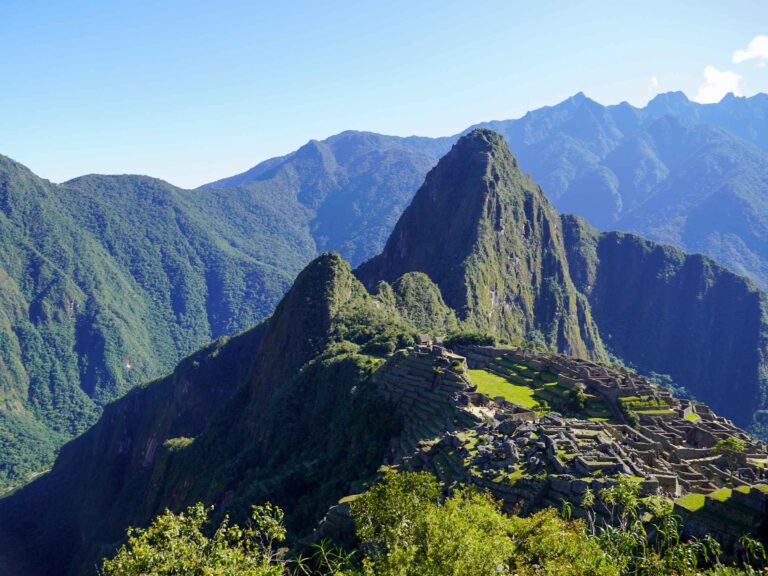
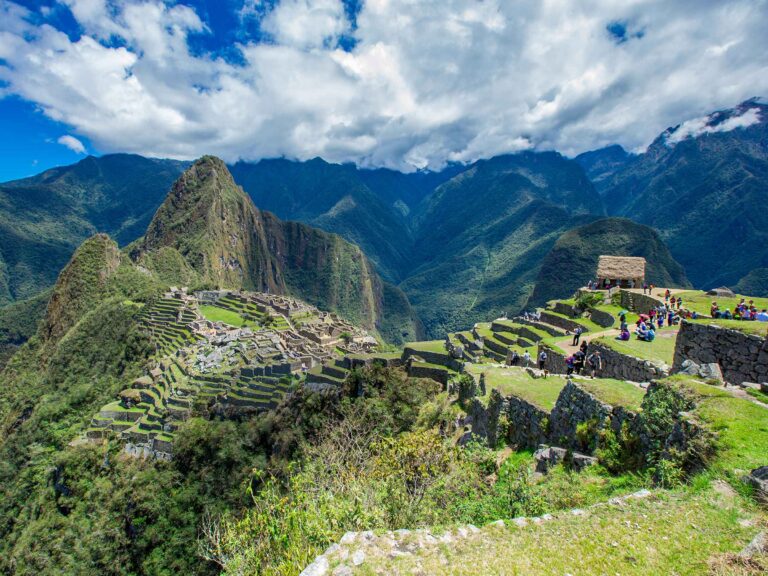
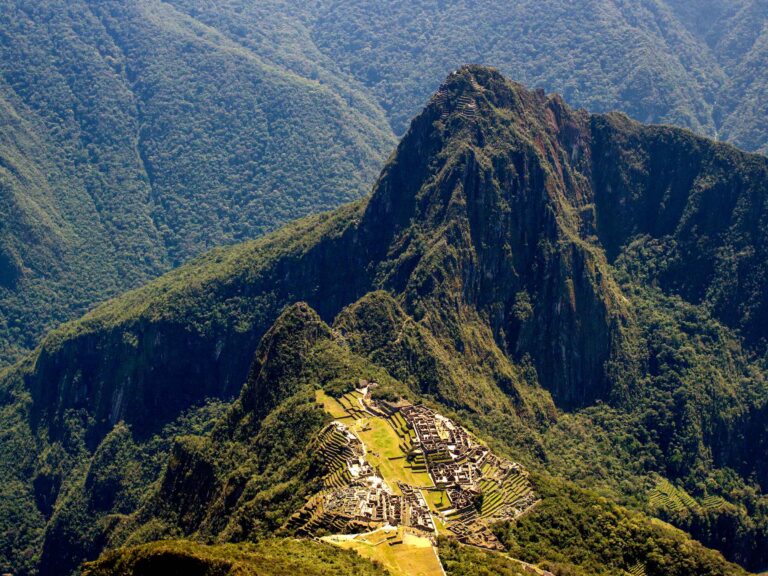
Embarking on the legendary Inca Trail is a dream for many adventure seekers, offering a unique blend of natural beauty and historical significance. This ancient path leads you through stunning landscapes of the Peruvian Andes and culminates at the awe-inspiring Machu Picchu. The allure of walking in the footsteps of the ancient Incas amidst the breathtaking vistas is irresistible to many. However, planning this journey can raise numerous questions. Here, we address the most frequently asked questions to help you prepare for an unforgettable experience and ensure that your trek is as smooth and enjoyable as possible.
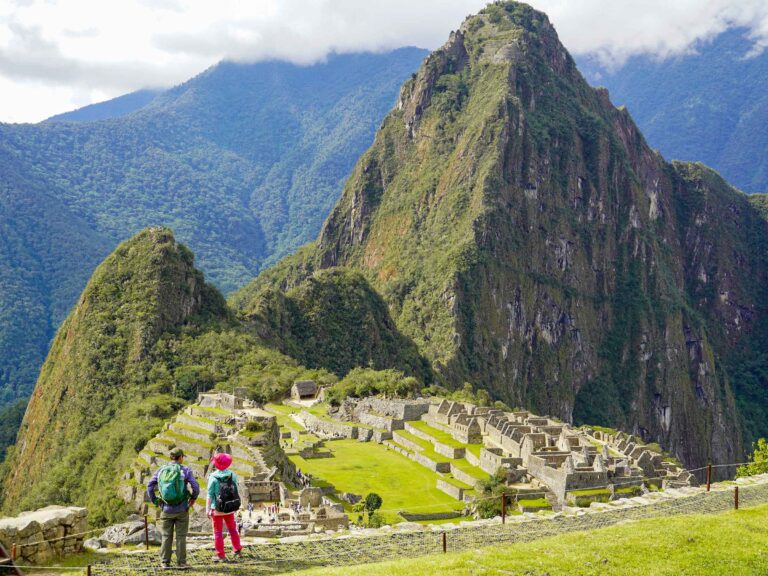
The Inca Trail is a network of ancient trails built by the Incas that connect various sites throughout the Andes. These trails span diverse terrains and altitudes, showcasing the engineering prowess of the Incan civilization. The most famous section is a 26-mile (42-kilometer) trek that starts near Ollantaytambo and ends at Machu Picchu. This trek typically takes four days to complete and is renowned for its breathtaking scenery, diverse ecosystems, and well-preserved archaeological sites.
The Inca Trail is not just a physical journey but a historical one. The Incas used these trails to connect their vast empire, which stretched from modern-day Colombia to Chile. Walking these paths provides a tangible connection to the past, where each step brings you closer to understanding the ancient civilization’s way of life. Along the trail, you’ll encounter a variety of landscapes, from lush cloud forests to high-altitude mountain passes. The diverse ecosystems support a wide array of flora and fauna, making the hike a paradise for nature lovers. Key scenic highlights include the views from Dead Woman’s Pass and the stunning sunrise over Machu Picchu.
The Inca Trail is dotted with several significant archaeological sites, each offering a glimpse into the past. Sites like Wiñay Wayna showcase the Incas’ architectural genius with its terraces and ceremonial baths. These sites provide a deeper understanding of the Inca culture and its connection to the land.
Permits are required to hike the Inca Trail, and the Peruvian government strictly regulates them. Preserving this historical trail is of utmost importance, and the permit system is designed to limit the number of hikers and reduce environmental impact. Only 500 permits are issued per day, including those for guides and porters. It’s crucial to book your trek several months in advance, especially if you plan to hike during the peak season from May to September.
The permit system is designed to protect the trail and ensure a sustainable number of visitors. It also ensures that each group has access to experienced guides, which enhances the hiking experience. The limited number of permits makes competition fierce, especially during peak times.
To obtain a permit, you must book your trek through an authorized tour operator. These operators handle all the logistics, including permits, transportation, guides, and meals. When selecting a tour operator, ensure they are reputable and have positive reviews on platforms like TripAdvisor. Look for operators who prioritize sustainable tourism practices and have knowledgeable guides.
Timing is crucial when securing a permit. It’s advisable to book at least six months in advance, especially if you have a specific date in mind. Permits often sell out quickly, especially during peak season, so early planning is essential to secure your spot.
Packing efficiently is essential for a comfortable and successful trek. The right gear can make a significant difference in your overall experience, helping you cope with the trail’s challenges. Here’s a list of must-have items:
- Layered Clothing: The weather can vary significantly, so pack lightweight, moisture-wicking layers. Layers let you easily adjust to changing temperatures and conditions. Consider thermal underwear for cold nights and breathable fabrics for daytime hikes.
- Hiking Boots: Sturdy, well-broken-in boots are essential. They provide the necessary support and traction on the uneven and often slippery surfaces of the trail. Make sure your shoes are waterproof to handle unexpected rain showers.
- Rain Gear: A waterproof jacket and pants are crucial, as rain showers are common. Quick-drying materials are recommended to ensure you stay comfortable throughout the hike. A lightweight poncho can also be handy for sudden downpours.
- Hat and Gloves: These can help with early morning chill and sun protection. A wide-brimmed hat provides shade during sunny stretches, while gloves keep your hands warm during cold mornings and evenings.
- Backpack: A comfortable, durable backpack with a rain cover. Look for one with adjustable straps and sufficient padding to reduce strain on your back. Consider a hydration reservoir for easy access to water.
- Sleeping Bag: A warm sleeping bag appropriate for cold mountain nights. Choose a sleeping bag that is compact and lightweight yet provides adequate insulation against frigid temperatures.
- Trekking Poles: Helpful for stability on uneven terrain. They can reduce the impact on your knees during descents and provide additional support on challenging ascents.
- Water Purification Tablets: Ensure safe drinking water. While water is available at campsites, purification tablets or a portable filter can prevent health issues from drinking untreated water.
- Sunscreen and Sunglasses: Protection against intense UV rays at high altitudes. The sun can be fierce, even on cloudy days, so apply sunscreen regularly and wear UV-protective sunglasses.
- First Aid Kit: Include essentials like band-aids, pain relievers, and blister treatment. A small, portable first-aid kit can treat minor injuries and ailments, keeping you comfortable throughout the hike.
The Inca Trail is considered moderately complex. The trek involves several steep ascents and descents, with the highest point at Dead Woman’s Pass at 13,776 feet (4,200 meters). The combination of altitude, length, and terrain makes it a challenging yet rewarding experience. Physical preparation is key; regular cardio workouts and hikes will help build the stamina needed to enjoy the trek.
The trail is demanding, requiring hikers to navigate rugged paths and steep inclines. The altitude adds challenge, as the air becomes thinner, making physical exertion more taxing. Preparing your body through regular exercise can make a significant difference.
Altitude sickness is a common concern. Acclimatize by spending a few days in Cusco or the Sacred Valley before starting the trek. Drink plenty of water and consider medication such as acetazolamide if you are prone to altitude sickness. Recognize symptoms early, such as headaches and dizziness, and communicate with your guide for assistance.
Mental resilience is just as important as physical fitness. The trail can be mentally taxing, especially during long, challenging days. Setting a steady pace, staying positive, and focusing on the experience rather than the distance can help you stay motivated.
The best time to hike the Inca Trail is during the dry season, from May to September. During this period, the weather is generally clear, with minimal rainfall and cooler temperatures. The trail conditions are more stable, and the views are breathtakingly clear, enhancing the overall experience. However, this is also the busiest time, so permits sell out quickly.
Each season on the Inca Trail offers a unique experience. The dry season provides the most stable weather, but the wet season, from November to March, offers lush landscapes and fewer crowds, albeit with more challenging weather.
If you prefer fewer crowds, consider hiking at the beginning or end of the dry season, in April or October. The weather can be unpredictable, but the trail is less crowded. This timing allows for a more intimate experience, with a greater chance to connect with nature and the trail.
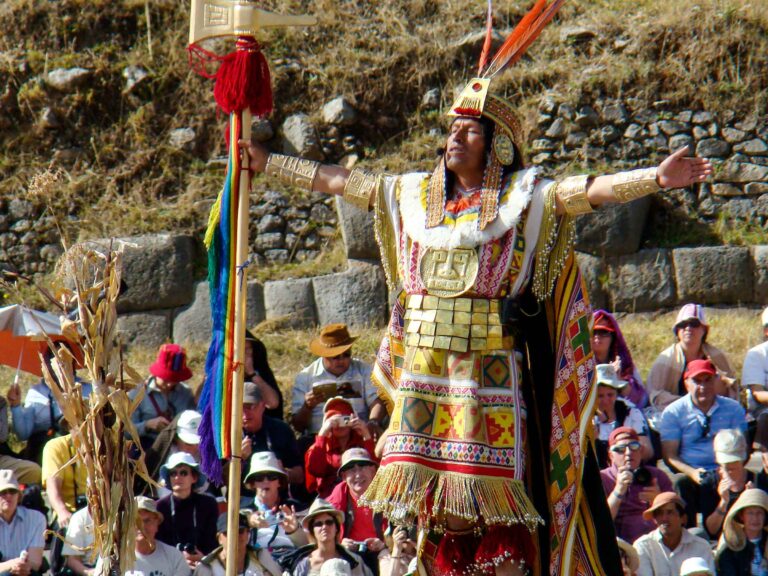
Timing your trek to coincide with local festivals can enrich your experience. Events like Inti Raymi in June offer a glimpse into Andean culture and traditions. Participating in or observing these festivals can deepen your cultural understanding and make for a memorable addition to your trek.
No, it is not permitted to hike the Inca Trail independently. All treks must be arranged through a licensed tour operator. This rule ensures the preservation of the trail and provides hikers with knowledgeable guides who enhance the experience with insights into Incan history and culture.
Guides play a crucial role in the Inca Trail experience. They provide historical context, share local stories, and ensure the group’s safety and well-being. Their expertise enriches the journey, turning a hike into an educational adventure.
The requirement to hike with a guide and tour operator ensures that the trail is preserved for future generations. Guides educate hikers on responsible tourism practices, such as minimizing waste and respecting local flora and fauna.
Guides often facilitate a deeper connection with the trail, offering insights into the Inca civilization’s spiritual beliefs and cultural practices. Their narratives bring the ancient ruins and landscapes to life, providing a richer, more immersive experience.
Accommodations on the Inca Trail are basic, with most nights spent camping at designated sites. These campsites are strategically located to offer rest and recuperation after a day’s hike. Tour operators provide tents, and porters carry and set them up. The final night is typically spent in a hotel in Aguas Calientes, the town nearest to Machu Picchu.
Camping on the Inca Trail is an integral part of the adventure. Falling asleep under the stars, surrounded by the Andean mountains, is an experience in itself. Campsites are equipped with basic amenities, and the camaraderie among hikers adds to the trail’s magic.
Porters and support staff play a vital role in the trekking experience. They carry gear, set up camps, and often assist with meal preparation. Their hard work and dedication ensure that hikers can focus on enjoying the trail and its surroundings.
The town of Aguas Calientes offers a welcome respite after the trek. Here, hikers can enjoy a comfortable night’s sleep at a hotel and take advantage of amenities such as hot showers. The town’s vibrant atmosphere provides a perfect setting to relax and celebrate the completion of the journey.
Tour operators provide meals, which are typically hearty and nutritious, accommodating various dietary needs. Meals are an essential part of the trekking experience, offering the necessary energy to tackle the trail’s challenges. It’s critical to communicate any specific requirements in advance. Water is available at campsites, but it must be purified before drinking.
Meals on the trail are carefully planned to provide balanced nutrition. Breakfasts are hearty to fuel the day’s hike, while dinners are comforting and filling. Local ingredients are often used, giving hikers a taste of Peruvian cuisine.
Tour operators are generally accommodating of dietary restrictions, including vegetarian, vegan, and gluten-free diets. Communicating these needs during booking ensures that appropriate meals are prepared, allowing all hikers to enjoy the culinary aspect of the trek.
Staying hydrated is crucial at high altitudes. Hikers should drink plenty of water throughout the day, even if not feeling thirsty. Using purification tablets or filters ensures that water collected from natural sources is safe to drink, preventing potential health issues.
Physical preparation is crucial for a successful trek. The Inca Trail’s demands require a combination of cardiovascular fitness, strength, and hiking experience. Here are some training tips:
Engage in regular activities like running, cycling, or swimming to build endurance. These exercises improve cardiovascular fitness, which is essential for coping with the trail’s physical demands. Aim for at least three to four sessions per week.
Focus on leg strength with exercises like squats and lunges. Strong legs help manage the trail’s ascents and descents. Incorporating core exercises can also improve balance and stability, reducing the risk of injury.
Go on regular hikes to simulate trail conditions and build stamina. Choose trails with varied terrain and elevation to mimic the Inca Trail’s challenges. Gradually increase the distance and difficulty of your hikes to build confidence and endurance.
The Inca Trail is more than a hike; it’s an adventure through history and nature. Proper preparation is key to enjoying this once-in-a-lifetime experience. By understanding what to expect and how to prepare, you’ll be well on your way to creating unforgettable memories on the path to Machu Picchu. Embrace the journey, savor each moment, and let the spirit of the ancient Incas guide you through this magical landscape.
How Many Years Has Kondor Path Been in Business?
Kondor Path Tours has organized treks to the Inca Trail since 2014. Walking the Inca Trail is an experience that should inspire emotion.
The Inca Trail, one of the most popular adventures in South America, particularly in southern Peru, and one of the most famous treks in the world, is a unique journey we all travel for. The trek takes you along narrow ancient trails deep into the Andes and the jungle of Machu Picchu. Discover incredible picture-perfect Inca ruins, cloud forests, and majestic valley views laid out like breadcrumbs on the Inca trail to the iconic Machu Picchu.
Will I Get High on Coca Leaves?
Coca leaves are a part of Peruvian culture and are a natural, healthy stimulant with additional benefits.
How Do I Reserve a Space for the Inca Trail?
Please follow our instructions and details for a reservation. We will do our best to accommodate your requests.
Do you need a deposit to book a tour?
We require a booking deposit to reserve your tour or trail trek. Please check out our terms and conditions. There are several methods to make a deposit.
Is the hike challenging?
You can do it! A steady walk is the best.
Can I Change My Train Ticket If I Arrive at Machu Picchu and Decide to Stay an Extra Night?
Yes, staying one more day to explore the town and rest is sometimes possible. You must go to the main train office with your passport to change your ticket.
If you want to spend an extra day at Machu Picchu, you’ll need to pay the entrance fee in cash, in Peruvian currency. The cost is subject to the availability of spaces for the additional day.
What about our tour guides?
Our experienced local guides are the key to making each trip and journey a unique adventure.
In What Environmental Training Do You Offer Your Staff?
We provide comprehensive information on environmental practices in the area and encourage everyone traveling with Kondor Path Tours to respect the land, the people, and fellow travelers.
What can be done to minimize the environmental impact?
- Particular disposal of garbage (organic & non-organic), green and red plastic bags, and the base camp Machu Picchu Inca Trail Package are provided at every stopping place.
- Garbage removal from natural protected areas and Andean communities is part of our trek and other tour roads.
- Provide portable toilets and toilet tents with chemical facilities.
- Follow the rules of the Inca Road, such as not smoking, to maximize the benefits of nature’s oxygen.
- Use and provide organic soap and detergents.
- Avoid disturbing the flora and fauna.
We hope this FAQ has answered your questions and helps you feel more prepared for your Inca Trail adventure. Happy trekking! The trail awaits, promising a rewarding journey filled with discovery, challenge, and the beauty of the Andes.




Discussion 1
Inca Jungle Trek 4D/3N - Wayna Peru Travel
January 20, 2024 at 10:02 pm[…] by biking into the Amazon jungle from Cusco in the cloud forest and then hiking the Huacayupana Inca Trail to the thermal baths of Cocalmayo. We will continue traveling along the train tracks from […]