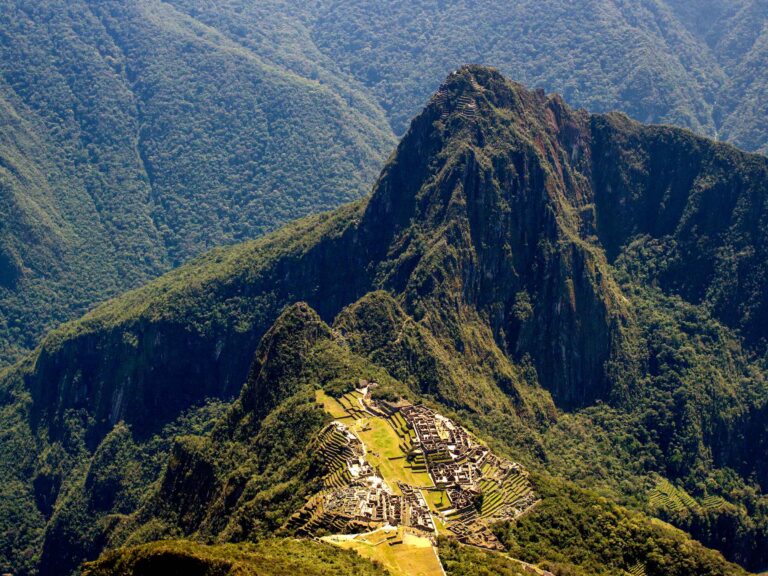

Inca Trail Hiking Restrictions: Permit Essentials
The Inca Trail is one of the most renowned hiking routes in the world, inviting adventurers to traverse stunning Andean landscapes and explore ancient Incan ruins, culminating at the awe-inspiring site of Machu Picchu. However, this iconic trail is not just an ordinary hike; it is a journey steeped in history and natural beauty that requires careful stewardship. To preserve its unique environment and cultural heritage, the Peruvian government has implemented a series of restrictions and regulations. Understanding these guidelines is crucial for anyone planning to embark on this remarkable journey.
To safeguard the pristine condition and historical value of the Inca Trail, authorities have imposed specific restrictions. These measures aim to balance the ecological and cultural significance of the trail with the enjoyment and safety of those who walk it. For potential hikers, awareness of these regulations not only ensures compliance but also deepens their understanding of the trail’s profound importance.
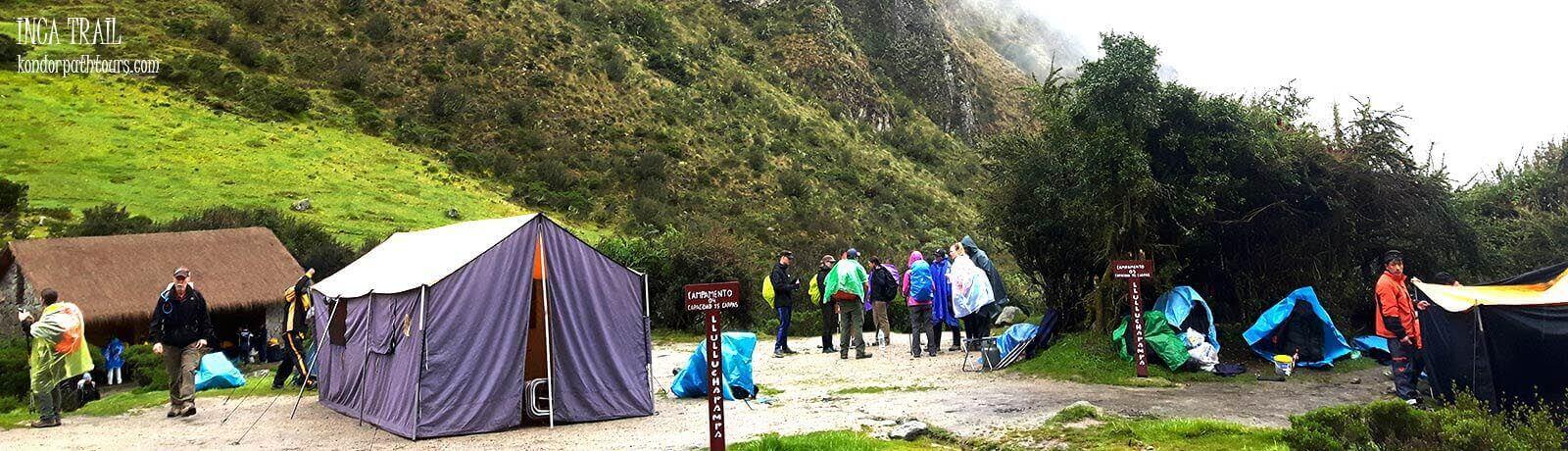
One of the foremost restrictions is the limitation on the number of hiking permits issued daily. To manage the ecological footprint on the trail, only 500 permits are issued each day, including allocations for hikers, guides, and porters. This restriction necessitates early planning and commitment, as permits can sell out quickly, particularly during the peak trekking season from May to September.
Securing a permit should be your top priority once you’ve decided to take on the Inca Trail. Many travelers book their trek several months in advance to secure a spot, as the demand is high and the availability is scarce. This system not only helps preserve the environment but also enhances the experience by preventing overcrowding and ensuring that each hiker can fully appreciate the trail’s beauty and solitude.
The requirement for all hikers to be accompanied by a licensed guide is another crucial regulation enforced by the Peruvian government. Guides play a vital role in ensuring hiker safety and in preserving the trail’s integrity. They are well-versed in the trail’s history, culture, and ecological aspects, offering insights that significantly enrich the hiking experience.
Having a guide is not just about compliance; it’s about enhancing your journey. These professionals can help you navigate the trail safely, share stories and legends of the Incas, and point out flora and fauna that you might otherwise overlook. Their presence ensures that you gain a deeper appreciation of the Inca Trail’s significance beyond its physical beauty.
In addition to the overall permit limitation, there are specific restrictions on the size of hiking groups. Typically, the maximum group size is limited to 16 hikers. This regulation is designed to maintain the quality of the experience for all participants by preventing trail congestion and minimizing environmental impact.
Smaller group sizes mean more personalized attention from your guide and a more intimate experience with the trail. It fosters a more cohesive group dynamic, enabling members to share experiences and support one another throughout the journey. This approach not only enhances the hiking experience but also contributes to overall preservation efforts by reducing trail wear and tear.
Hikers on the Inca Trail must adhere to strict environmental regulations to minimize their impact on the delicate ecosystem. These include the requirement to carry out all trash, stay on designated trails, and respect local wildlife. Open fires are prohibited, and cooking must be done using portable stoves at designated campsites equipped with appropriate facilities.
These environmental guidelines are essential in preserving the natural beauty of the Inca Trail for future generations. By following Leave No Trace principles, hikers help protect the trail’s biodiversity, ensuring that its flora and fauna remain undisturbed. This stewardship is vital for maintaining the trail’s ecological balance and the pristine condition of this world-renowned path.
Securing a permit is a critical step in planning your Inca Trail adventure. Understanding the requirements and process involved will help ensure a smooth and successful application, allowing you to focus on preparing for the trek itself.
Permits for the Inca Trail can only be obtained through licensed tour operators. These operators handle all logistics, including securing permits, providing experienced guides, and organizing transportation to and from the trail. It’s crucial to research reputable operators and book your trek as early as possible to secure your place on this iconic journey.
Choosing the right tour operator can significantly impact your experience on the Inca Trail. Look for operators with strong customer reviews, experienced guides, and a commitment to sustainable tourism practices. By selecting a reputable operator, you ensure your trek is well-organized and that you contribute to the responsible stewardship of the trail.
When applying for a permit, specific documentation is required, including a valid passport. Ensuring that your passport details are accurate and up-to-date when submitting your application is crucial, as any discrepancies can lead to complications or even the denial of the permit.
It’s also wise to have backups of all necessary documents, both physical and digital, to avoid issues during your trip. This preparation ensures that you are ready for any eventuality and can focus on enjoying the trail without bureaucratic worries.
The cost of an Inca Trail permit varies depending on several factors, including the trekking company, the season, and whether you qualify for discounts, such as those available to students with a valid ID. Typically, permit fees cover the costs of conservation and trail maintenance, helping preserve this historic route.
Understanding the breakdown of permit costs can help you budget effectively for your trip. While the fees may seem high, they play a crucial role in maintaining the trail and supporting the local communities that sustain it. This investment ensures that the Inca Trail remains a sustainable and accessible experience for future adventurers.
Embarking on the Inca Trail requires more than just securing a permit; it demands thorough preparation to ensure a safe and enjoyable journey. From physical fitness to gear selection, each aspect of preparation plays a critical role in your overall experience.
The Inca Trail is a challenging trek that requires a solid level of physical fitness. It’s advisable to begin a training regimen well in advance, focusing on cardiovascular exercise, endurance, and strength training. Additionally, familiarizing yourself with hiking at high altitudes can help minimize the risk of altitude sickness and improve your overall hiking capability.
Training for the Inca Trail is not just about physical readiness; it’s also about mental preparation. Building endurance and resilience through regular exercise can help you face the trail’s challenges with confidence and determination, allowing you to fully enjoy the breathtaking scenery and cultural landmarks along the way.
Packing the right gear is essential for a comfortable and successful hike on the Inca Trail. Essential items include sturdy hiking boots, weather-appropriate clothing layers, a high-quality backpack, and other necessities such as a first-aid kit, sunscreen, and a refillable water bottle. Remember that weight restrictions apply, so pack wisely and prioritize essentials.
Investing in quality gear not only enhances your comfort but also contributes to your safety on the trail. Sturdy boots protect your feet on uneven terrain, layered clothing keeps you comfortable in variable weather, and a well-organized backpack keeps your belongings accessible and secure. Thoughtful packing is key to a smooth and enjoyable hiking experience.
Given the high altitudes encountered on the Inca Trail, acclimatization is crucial to preparation. Arriving in Cusco a few days before your trek can help your body adjust to the elevation. During this period, staying hydrated, eating light meals, and avoiding strenuous activities can aid in acclimatization and reduce the risk of altitude-related issues.
Taking the time to acclimatize not only enhances your physical readiness but also allows you to immerse yourself in the local culture and surroundings. Exploring Cusco and its surroundings before your trek deepens your connection to the region’s history and traditions, enriching your overall Inca Trail experience.
Observing rules and etiquette is essential for ensuring a safe and respectful experience on the Inca Trail. These guidelines help preserve the trail’s integrity and foster a sense of community among hikers.
The Inca Trail passes through areas of profound cultural significance. Hikers are expected to respect archaeological sites by not touching or climbing on structures. Take only photographs and leave no trace of your visit, ensuring that these ancient sites remain intact for future generations.
Understanding the cultural heritage of the Inca Trail enhances your appreciation of its significance. By respecting the sites and the traditions they embody, you help preserve the Incan legacy and ensure these historical treasures remain accessible to all.
Maintaining a considerate attitude towards fellow hikers and guides is a key aspect of trail etiquette. Yield to faster hikers by stepping aside, and communicate politely when passing others. Keeping noise levels down enhances the experience for everyone, allowing hikers to fully immerse themselves in the trail’s natural beauty and tranquility.
Practicing good trail etiquette fosters a positive environment and sense of camaraderie among hikers. By being courteous and respectful, you contribute to a more enjoyable experience for all participants, ensuring that the Inca Trail remains a welcoming and harmonious journey.
The natural environment of the Inca Trail is fragile and requires diligent stewardship. Practicing Leave No Trace principles is essential, including carrying out all waste, using biodegradable products, and staying on designated paths. Your efforts help preserve this incredible trail for future generations, ensuring that its beauty and biodiversity remain intact.
Environmental stewardship on the Inca Trail is not just about following rules; it’s about embracing a mindset of responsibility and care for the natural world. By committing to sustainable practices, you play a vital role in the ongoing conservation efforts that protect this iconic trail and its surroundings.
Hiking the Inca Trail is a once-in-a-lifetime adventure that requires careful planning and adherence to regulations. By understanding the hiking restrictions, permit requirements, and preparation essentials, you’ll be well-equipped for an unforgettable journey to Machu Picchu. Embrace the rules and respect the environment to ensure this iconic trail remains a treasure for years to come.
Embark on your adventure with awareness, respect, and a sense of wonder, and you’ll experience the magic of the Inca Trail in all its glory. This journey is not just about reaching Machu Picchu; it’s about the discoveries you make along the way, the connections you form with the land and its people, and the memories that will last a lifetime.
Prohibitions to follow on the Peruvian Inca Trail
- The entry of free tourists or service providers without the respective authorization
- Displacement by rail or unauthorized routes
- The entry of minors is not listed in the annex, nor are relatives of guides or support staff.
- Alter or contaminate the natural or cultural landscape and archaeological monuments.
- Camping or spending the night outside the assigned area, except in situations of force majeure
- Enter or use elements that threaten the conservation of natural and cultural heritage and the assets of public use.
- For making bonfires in the Inca Trail Network, archaeological monuments, or the surrounding natural environment areas
- Climb the walls; make strokes on the floors of earth or scratches on the archaeological monuments.
- Make any graffiti.
- Disturb or affect species of flora and fauna.
- Fly over or use airspace without prior authorization from DDC-CUSCO and JSHM-SERNANP.
- The food intake inside the archaeological monuments
- Place political and commercial ads on the Inca Trail Network.
- Transit and work in an ethyl state or under the effects of other narcotics (drugs, among others).
- Entry and transit of motor vehicles
- Transfer tourists from one group to another.
- The abandonment of the group of tourists by the tour guide and a Bachelor’s in tourism
- Obscene acts are contrary to morality and good manners.