
If you’re planning a trip to Cusco, you’re in for a treat. This city in Peru is not only the gateway to Machu Picchu but also a treasure trove of Inca history and archaeological sites. From stunning architectural feats to sacred temples, Cusco offers a glimpse into the fascinating world of the Inca civilization. In this guide, we’ll explore some must-visit Inca sites in and around Cusco that will surely enrich your travel experience.
Cusco is often referred to as the “Archaeological Capital of the Americas,” and for a good reason. The city and its surroundings are home to some of the most impressive Inca ruins, offering insights into the advanced engineering and rich culture of the Inca Empire. Visiting these sites provides a deeper understanding of the Inca way of life, their beliefs, and their incredible architectural achievements.
Cusco’s title as the “Archaeological Capital of the Americas” is not just a boastful claim; it reflects the city’s historical significance. At its height, the Inca Empire was the largest in pre-Columbian America, and Cusco was its vibrant heart. Every corner of Cusco tells a story, a narrative etched in stone by masterful architects and engineers who built structures that have withstood the test of time.
The engineering feats of the Incas are nothing short of astounding. Their ability to create massive stone structures that fit together perfectly without mortar is a subject of admiration and study. Sites like Sacsayhuamán showcase the Incas’ sophisticated understanding of construction techniques and materials. By visiting these sites, one can appreciate the ingenuity that allowed the Incas to thrive in the challenging Andean environment.
Exploring Inca sites is not just about marveling at architectural wonders; it’s about delving into a rich cultural tapestry. The Incas had a profound connection to nature, evident in their structures and agricultural practices. Temples like Qorikancha reveal their deep spiritual beliefs, where the sun, moon, and nature played central roles in their religious practices. Visiting these sites offers a window into their worldview and way of life.
Perched on a hill overlooking Cusco, Sacsayhuamán is one of the most impressive Inca sites near the city. This ancient fortress is renowned for its massive stone walls, some weighing over 100 tons. The precise cut and fit of these stones is a testament to the Incas’ advanced engineering skills.
Sacsayhuaman. Although it seems relatively close to the center of Cusco, the climb to the Sacsayhuaman ruins from the Plaza de Armas is a rather steep 40-minute, 1 km ascent. The easiest route is to C Sweden, right along Wayna Pata’s narrow cobbled street to Pumacurcu, which climbs steeply, offering superb city views.
It’s just another 10-minute walk, following the path to the ruins. By now, you have passed the urbanized areas of Cusco and are walking through the countryside. A well-trodden way and a rough stairway lead you right into the heart of the megalithic fortress.
A visit to Sacsayhuamán is like stepping back in time. Walking along the zigzagging walls, you’ll be amazed by the grandeur of this site. Each stone, meticulously cut and placed, represents the pinnacle of Inca engineering. Visitors can spend hours exploring the labyrinth of walls, each turn revealing new insights into the site’s strategic importance.
Sacsayhuamán was not just a fortress; it was a strategic military installation. The layout of the walls enabled the Incas to defend Cusco effectively against invaders. As you stand atop the fortress, the panoramic views of Cusco and the surrounding valleys are breathtaking. These vistas would have been vital for the Incas, offering visibility and control over the region.
Beyond its military use, Sacsayhuamán also served ceremonial purposes. The expansive parade ground, once used for religious gatherings and celebrations, is a reminder of the site’s cultural significance. Nearby, the ceremonial center offers insight into the spiritual life of the Incas, where rituals and ceremonies were integral to their daily life.
In the heart of Cusco lies Qorikancha, once the most important temple in the Inca Empire. Dedicated to Inti, the Sun God, Qorikancha was a spiritual center adorned with gold. Today, the remains of the temple can be seen within the Santo Domingo Church, a striking example of the fusion between Inca and Spanish colonial architecture.
As you explore Qorikancha, you’ll notice the impressive stonework and the remnants of the temple’s original splendor. The walls of Qorikancha were once covered in sheets of gold, reflecting the Incas’ reverence for the sun. Although the gold is long gone, the exquisite stonework remains, showcasing the Incas’ architectural prowess.
Guided tours of Qorikancha provide invaluable insights into the temple’s history and significance. Knowledgeable guides share stories of the temple’s past, including its transformation during the Spanish conquest. Visitors learn about the cultural exchange that occurred as Spanish colonizers built the Santo Domingo Church atop an Inca temple, blending two architectural styles into one.
Qorikancha is a living testament to the fusion of Inca and Spanish architecture. The juxtaposition of the sturdy Inca stone walls with the baroque design of the church above symbolizes the cultural collision and coexistence that shaped modern Peru. This architectural blend is a powerful reminder of Peru’s complex history and cultural heritage.
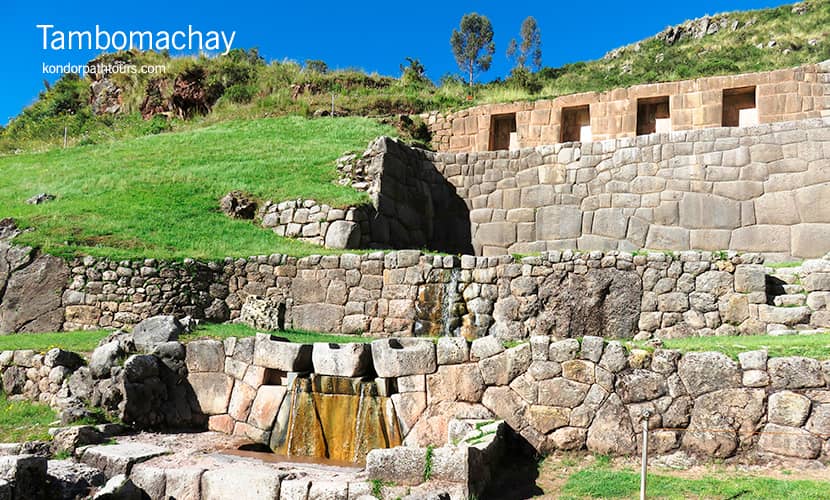
Located just a short drive from Cusco, Tambomachay is an archaeological site known for its intricate water channels and fountains. This site is believed to have served as a spa or bathing place for Inca royalty, showcasing the Inca’s advanced understanding of hydraulics.
A visit to Tambomachay offers a serene experience amidst the natural beauty of the Andes. The site’s peaceful ambiance invites reflection and relaxation, echoing its likely use as a royal retreat. The sound of flowing water adds to the tranquility, creating a soothing atmosphere for visitors.
The water systems at Tambomachay are a marvel of Inca engineering. The precise construction of channels and fountains demonstrates the Incas’ mastery of hydraulics. Water still flows through these ancient channels, a testament to the durability and effectiveness of Inca engineering.
Tambomachay is also a place to appreciate the Incas’ deep connection with nature. The site’s design harmonizes with its surroundings, reflecting the Incas’ respect for the natural world. This connection is evident in their agricultural practices and religious beliefs, where nature was revered as a sacred force.
Close to Tambomachay, you’ll find Puka Pukara, a military outpost known as the “Red Fortress” for its reddish stone. This site served as a checkpoint and a resting place for travelers and messengers in the Inca Empire.
Puka Pukara’s strategic location offers stunning views of the surrounding countryside. Positioned on a hill, the fortress provided a vantage point for monitoring movement along the main roads. The panoramic views would have been crucial for surveillance and defense, allowing the Incas to protect their territory effectively.
Walking through the ruins of Puka Pukara, one can imagine the bustling activity that once filled the site. Travelers and messengers would have rested here, exchanging news and supplies. The fortress’s design reflects its dual purpose as a military outpost and a rest stop, with structures for storage and shelter.
Puka Pukara played a vital role in the Inca Empire’s communication and defense network. It served as a checkpoint for controlling access to Cusco and the Sacred Valley. The fortress’s design facilitated efficient communication, allowing messages to be relayed quickly across the empire.
Qenqo, meaning “labyrinth” in Quechua, is a unique archaeological site featuring carved rocks, tunnels, and altars. It is believed to have been a ceremonial center dedicated to various rituals, including animal sacrifices.
Exploring Qenqo is a fascinating journey into the spiritual beliefs of the Incas. The site’s maze-like passages invite curiosity and wonder. As you navigate the narrow corridors, the sense of mystery and intrigue grows, offering a glimpse into the spiritual rituals that were once conducted here.
The carved figures and altars at Qenqo reveal the site’s ceremonial purpose. Intricate carvings depict animals and deities, offering insight into the Incas’ religious practices. These ritualistic spaces were likely used for sacrifices and offerings, underscoring the importance of spirituality in Inca culture.
Qenqo provides invaluable insights into the spiritual practices of the Incas. The site’s design reflects a deep reverence for both the natural and the supernatural worlds. Understanding these practices offers a deeper appreciation for the complex belief system that shaped Inca society.
While not directly in Cusco, Pisac is a must-visit site located in the Sacred Valley, a short drive from the city. Known for its impressive agricultural terraces and vibrant market, Pisac offers a glimpse into the Incas’ agrarian ingenuity and daily life.
Pisac’s agricultural terraces are a testament to the Incas’ farming prowess—the terraces, carved into the mountainside, allowed for efficient farming in the challenging Andean environment. Visitors can marvel at this ingenuity and gain insight into how the Incas sustained their empire.
Pisac’s market is a bustling hub of activity, offering a sensory experience like no other. The market is filled with colorful textiles, traditional crafts, and local produce. It’s an opportunity to engage with local artisans, learn about traditional techniques, and purchase unique souvenirs.
Beyond the market, Pisac’s ruins offer a window into the past. The site includes temples, plazas, and ceremonial baths, each revealing a different aspect of Inca life. Exploring these ruins provides a deeper understanding of the cultural heritage that defines the Sacred Valley.
Ollantaytambo is another gem of the Sacred Valley, known for its well-preserved ruins and the town’s unique Inca-era layout. This site served both as a fortress and a religious center, showcasing the dual nature of Inca architecture.
Climbing the terraces of Ollantaytambo offers panoramic views of the valley and a sense of the site’s strategic importance. The fortress’s design reflects its dual purpose as a military stronghold and a religious sanctuary. Visitors can explore the terraces and gain insights into the strategic planning that defined Inca architecture.
Ollantaytambo is a living testament to Inca urban planning. The town’s layout, with its cobbled streets and traditional buildings, remains essentially unchanged since Inca times. Walking through the city is like stepping back in time, offering a rare glimpse into daily life in an Inca community.
Ollantaytambo is a place where history and daily life coexist. The town is still inhabited, allowing visitors to experience the vibrant culture of the Sacred Valley. Engaging with locals and exploring the city provides a unique opportunity to connect with the living history of the Incas.
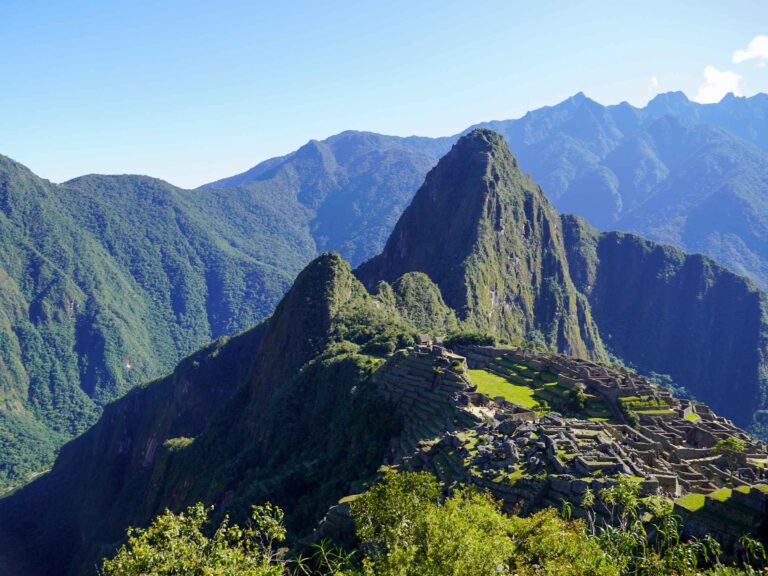
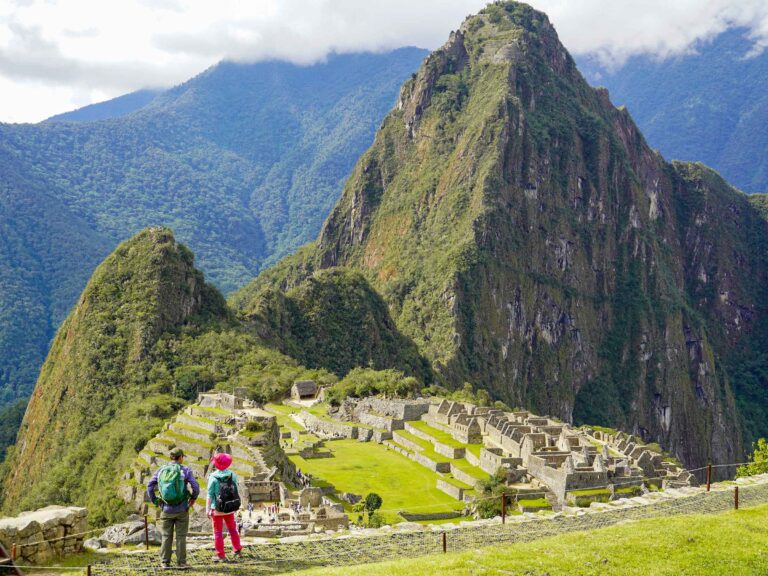
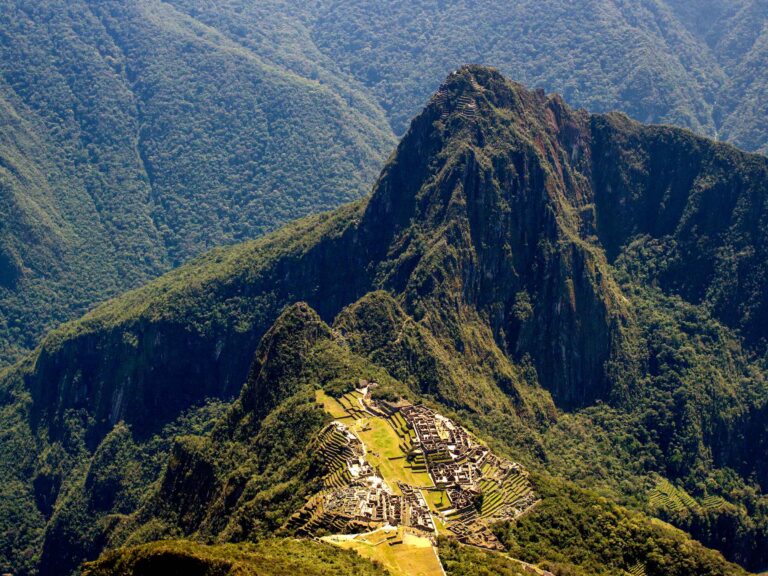
No visit to Cusco is complete without a trip to Machu Picchu, the iconic symbol of the Inca Empire. Although it’s a bit further from the city, the journey is well worth it. This UNESCO World Heritage Site is renowned for its breathtaking beauty and mysterious origins.
Reaching Machu Picchu is an adventure in itself. Travelers can choose to hike the famous Inca Trail, a multi-day trek through stunning landscapes, or take the scenic train ride from Cusco. Both options offer unique perspectives and anticipation as you approach the legendary site.
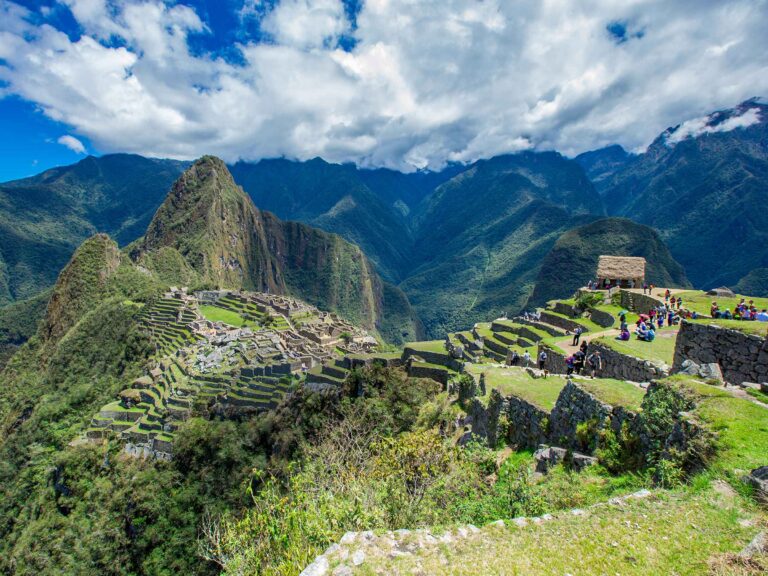
Exploring Machu Picchu is an unforgettable experience. As you wander through the ancient city, you’ll be captivated by its stunning architecture and the awe-inspiring backdrop of the Andes. Each structure tells a story, offering insights into the daily life and beliefs of the Incas.
Machu Picchu’s setting is nothing short of magical. Nestled high in the Andes, the site offers breathtaking views of the surrounding mountains and valleys. The natural beauty and mysterious origins of Machu Picchu create an atmosphere of wonder and reverence, making it a must-see for any traveler.
These sites are a brisk day’s hike from Cusco, but you’ll probably want to dedicate a whole day to Sacsayhuaman and leave the rest until you’re more adapted to the thin air.

Inca Sites to Visit to Cusco

Walk for 20 minutes, uphill, through the trees above Qenko. Walk right off the small hill, along the path (keeping the houses on your right), then out into the fields and turn right. Walking to the Plaza de Armas from nearby Cusilluchayoc is also possible via connecting trails that initially pass through new neighborhoods along the main Cusco-Pisac highway and then descend to San Blas.
Chakan can be reached safely, though not easily, in the dry season (May-September) by following the main road from the slider at Sacsayhuaman for about 50 minutes; turn left onto the dirt road, walk about 30 minutes or so until you see a small manufactured lagoon on your left, and continue on the road for another 5 to 10 minutes. You will see a path on your left. Follow this road for about 15 minutes until you reach Chakan.
A challenging hike leads from Chakan up the Tica-Tica Creek (stay on the right side of the creek and stay well above it) to Quispe Huara. It would help if you had a local map or guide to find your way with certainty.


Cusco and its surrounding areas are a treasure trove of Inca history and archaeological wonders. From the impressive fortresses to the sacred temples, each site offers a unique glimpse into the rich culture and advanced engineering of the Inca civilization. Whether you’re a history buff or simply curious, visiting these Inca sites will enrich your understanding of Peru’s fascinating past and leave you with unforgettable memories. Exploring these sites is a journey through time, offering a deeper connection to the legacy of the Incas and the vibrant culture that continues to thrive in Peru today.