
Where is Cusco Located? A Simple Guide

Where is Cusco Located? A Simple Guide


Cusco Location Information: Clear, Updated & Easy to Understand

Cusco, a city steeped in history and culture, is one of the most fascinating destinations in South America. Visiting Cusco offers travelers a unique opportunity to delve into the rich tapestry of the Inca civilization while enjoying the vibrant atmosphere of a modern-day city. If you’re planning a trip to this remarkable city, understanding its geographic location and significance can enhance your travel experience. In this guide, we’ll explore Cusco’s location, its elevation, and why it was so important to the Incas.

Cusco is situated in the southeastern part of Peru, nestled in the heart of the Andes Mountains. Its location is not only picturesque but also strategically significant, as it was historically the capital of the Inca Empire. This central position provided the Incas with natural protection and a prime spot for governance, trade, and cultural exchange.

Cusco lies at a latitude of approximately 13.5 degrees south and a longitude of 71.97 degrees west. Its location in the Andes places it in a unique position, offering breathtaking views and proximity to several iconic sites. The city’s location makes it an ideal starting point for exploring famous landmarks like Machu Picchu and the Sacred Valley, offering travelers a wealth of opportunities to explore. Cusco is about 1,100 kilometers (680 miles) southeast of Lima, the capital city of Peru, making it accessible yet distinct from the bustling urban center.

CUSCO is located at 13 ° 30’45 “south latitude and 71058’33” west longitude from the Greenwich Meridian; it is located in the central part of the department of the same name. If you’re wondering, Where is Cusco Located, you’ll find it nestled in the heart of Peru. In the last times of the Pleistocene Period of the present Quaternary or Anthropozoic Age, a hundred thousand years ago, these soils were a bed called Lake Morkill.

In general, it had a circular form and extended to the southeast to the place today called Angostura, precisely because of the narrowing of the Watanay Valley.

In the same continuous course, another lake to the present called Kunturqaqá, one kilometer below the locality of Oropesa, and the third successive lake, in Muyuna, present Wakarpay and Lucre, 30 kilometers from the city of Cusco.

The city’s placement in the Andes was not arbitrary; it was a deliberate choice by the Incas, who recognized the advantages of its central position. Cusco’s location in the fertile Andean valleys allowed for agricultural development, supporting a thriving population. The strategic elevation and positioning also facilitated defense against potential invaders, highlighting its importance as a fortified stronghold.

Cusco’s geographic location catalyzed regional development, shaping trade routes and cultural exchanges across South America. As the heart of the Inca Empire, it was a melting pot of ideas, traditions, and innovations. The city’s influence extended beyond its borders, shaping neighboring regions and fostering unity within the empire.

Where is Cusco Located?

Where is Cusco Located?

One of the most significant aspects of Cusco’s location is its altitude.

The city sits at an elevation of around 3,399 meters (11,152 feet) above sea level. This high altitude presents unique challenges for travelers, but also offers a distinct experience that sets Cusco apart from other destinations.

Travelers often experience altitude sickness due to the reduced oxygen levels at such elevations. Symptoms can include headaches, nausea, and fatigue, making proper acclimatization essential. Taking it easy upon arrival, avoiding strenuous activities, and staying hydrated are key strategies for minimizing discomfort. For those who take the time to adjust, the rewards of exploring Cusco at this altitude are immense.

Living at such a high altitude influences daily life in Cusco, from the types of crops grown to the architectural designs that withstand the mountain environment. The elevation necessitates particular construction techniques and materials to ensure buildings are stable and sustainable. Additionally, local cuisine often incorporates foods that aid in acclimatization, such as coca leaves, which have been used for centuries to alleviate altitude-related symptoms.

The high altitude also shapes the cultural practices and traditions of Cusco’s inhabitants. Many local festivals and rituals are tied to the natural environment, celebrating the mountains and their significance in Inca cosmology. These practices are a testament to the enduring connection between the people of Cusco and their surrounding landscape.

Most travelers reach Cusco by air, with Alejandro Velasco Astete International Airport serving as the primary entry point. Direct flights are available from Lima and other major cities in Peru, making air travel the most convenient option for many visitors. Alternatively, adventurous travelers can opt for a scenic bus or train ride from nearby destinations, enjoying the breathtaking landscapes along the way.

Cusco is well-connected to several key locations, making it a central hub for exploring other parts of Peru:

  • Lima to Cusco: Approximately 1,100 kilometers (680 miles), a journey that offers a contrast between the coastal capital and the highland city.
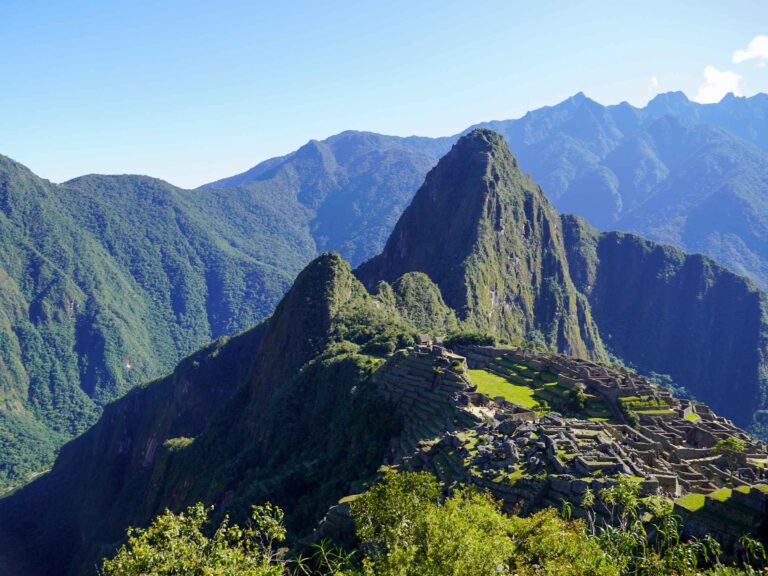
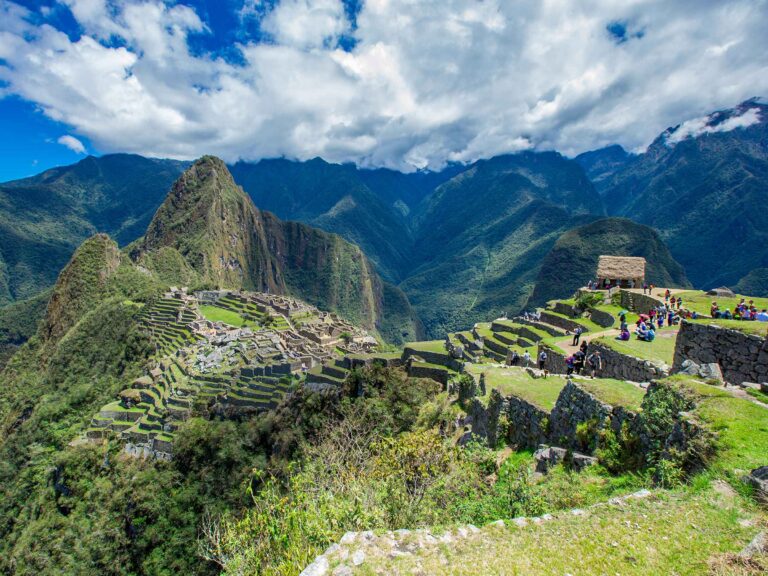
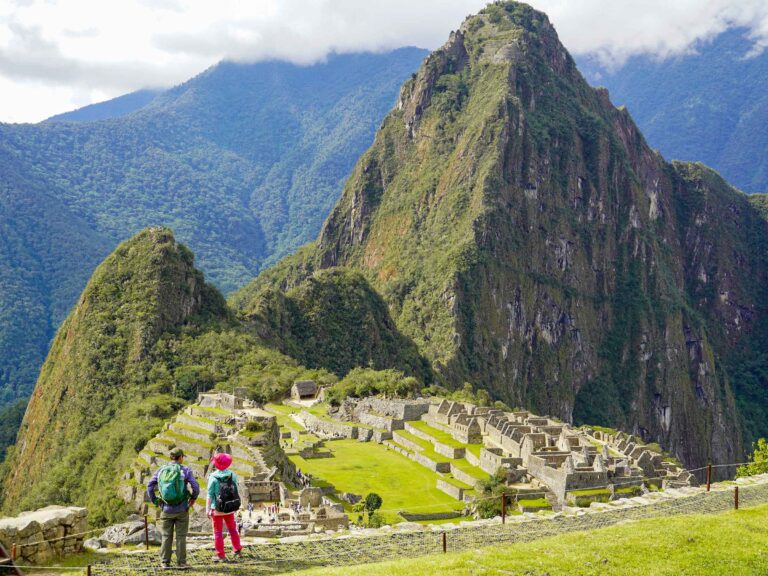
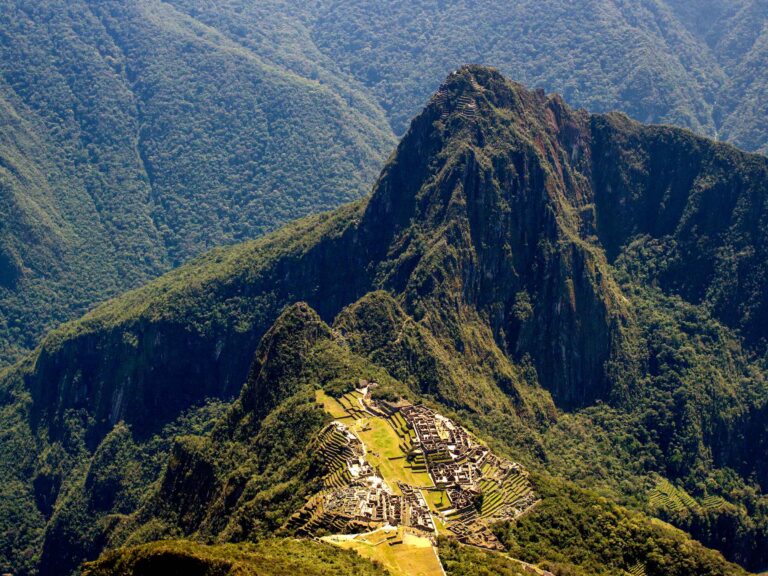
  • Cusco to Machu Picchu: Roughly 75 kilometers (47 miles) northwest, a must-visit for anyone traveling to Peru.
  • Cusco to Puno: About 389 kilometers (242 miles) southeast, offering access to Lake Titicaca and its unique cultural experiences.
  • Cusco to Arequipa: Approximately 490 kilometers (305 miles) southwest, a route that showcases Peru’s diverse landscapes and regional cultures.

Cusco experiences a subtropical highland climate, characterized by two distinct seasons.

The dry season, from May to September, is the best time to visit, with clear skies and mild temperatures perfect for outdoor exploration. The wet season, from November to March, brings rain and cooler temperatures, adding a different charm to the region and offering lush, green landscapes.

Understanding the seasonal variations is crucial for planning your trip to Cusco. The dry season is popular with tourists, leading to larger crowds at major attractions, while the wet season attracts fewer visitors and offers a more intimate experience. Regardless of the season, Cusco’s unique climate enhances its beauty, offering diverse experiences for travelers of all types.

Packing appropriately for Cusco’s climate is essential to ensure a comfortable and enjoyable visit.

Layers are key, as temperatures can fluctuate significantly throughout the day, especially at higher altitudes. Waterproof clothing and sturdy footwear are recommended, particularly if you plan to explore the surrounding natural areas during the wet season.

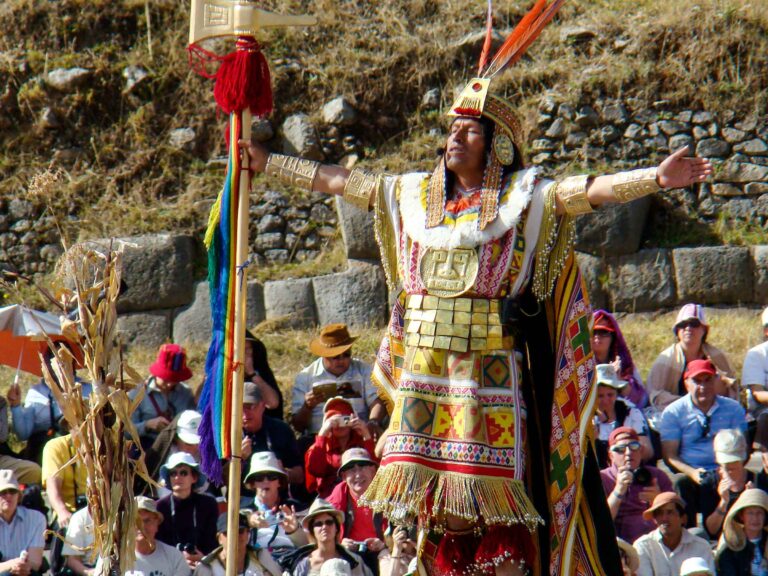
Cusco’s location played a crucial role in the rise of the Inca Empire, serving as the epicenter of political, cultural, and spiritual life. The Incas considered the city the “navel of the world” because of its central position in their vast empire, underscoring its immense significance.

The Incas developed an extensive road network, known as the Qhapaq Ñan, radiating from Cusco to connect the empire. This network facilitated trade, communication, and military movements, solidifying Cusco’s status as a political and cultural hub. The roads enabled efficient governance and resource distribution, ensuring the empire’s stability and prosperity.

Cusco was not only a political center but also a spiritual and cultural heart for the Incas.

The city was home to significant religious sites, such as the Temple of the Sun (Coricancha), which played a vital role in Inca cosmology. These sites were centers of worship and ceremony, attracting pilgrims and reinforcing Cusco’s spiritual authority.

Today, Cusco’s rich Inca heritage continues to influence its identity, drawing travelers from around the world eager to explore its archaeological wonders. The city’s historical significance is preserved in its architecture, traditions, and cultural practices, offering a unique window into the past. By understanding Cusco’s importance to the Incas, visitors can gain a deeper appreciation for its enduring legacy.

For modern travelers, Cusco offers a blend of historical richness and vibrant culture.

The city is a gateway to exploring Peru’s ancient past while enjoying the comforts and amenities of a contemporary urban environment. Here’s how you can make the most of your visit:

  • Sacsayhuamán: Explore this impressive Inca fortress with its massive stone walls, showcasing the architectural prowess of the Inca civilization.
  • Plaza de Armas: The main square, surrounded by colonial architecture, is perfect for a leisurely stroll and offers a glimpse into Cusco’s colonial history.
  • San Pedro Market: Experience local flavors and crafts at this bustling market, where you can sample traditional foods and purchase unique souvenirs.
  • Trekking: Embark on trails like the Inca Trail or Salkantay Trek to Machu Picchu, experiencing the breathtaking landscapes of the Andes.
  • Cultural Tours: Discover Inca and colonial history through guided tours of museums and archaeological sites, gaining insights into the region’s rich heritage.
  • Culinary Experiences: Cusco’s culinary scene offers a mix of traditional and contemporary dishes, providing a delicious exploration of Peruvian flavors.
  • Acclimatization: Spend the first day or two acclimatizing to the altitude to prevent sickness, allowing you to fully enjoy your adventures.
  • Currency: The local currency is the Peruvian Sol. ATMs are widely available in Cusco, making it easy to access cash for your purchases.
  • Language: Spanish is the official language, but many locals speak Quechua. Learning a few basic phrases can enhance your interactions and show respect for the local culture.

Cusco’s location is not only geographically intriguing but also historically significant. Understanding its place in the Andes and its role in the Inca Empire enriches your travel experience, offering insights into a civilization that shaped the region’s history. Whether you’re exploring ancient ruins or enjoying the local culture, Cusco promises an unforgettable journey. As you embark on your adventure into the heart of Andean civilization, you’ll discover a city that bridges the past and present, leaving a lasting impression on all who visit. Enjoy your exploration of this remarkable destination!

Cusco Peru Map

A millennium ago, the soils that today give the city of Cusco were home to essential tribes in development, which constituted the fabulous capital of the Inca empire, the center and navel of the world over the centuries.

One of the most imposing Pizarros, “The Very Noble and Great City of Cuzco,” remained the main economic and cultural center throughout the sixteenth century, officially considered by the crown of Spain.

**Where is Cusco Located**? Cusco stands at 3,350 m in a geological zone at the head of the Watanay valley. The town’s climate and the surrounding area are generally good, comfortable, and healthy for human life. The difference between the seasons is hardly perceptible in the year.

Two seasons are well-marked: the rainy season (spring and summer) and the dry season (autumn and winter).

The temperature is temperate and almost uniform throughout the year, with a slight increase in cold in winter when the roofs and grasslands are covered with frost.

So, in these places, the temperature drops to 0 °C in the morning twilight. But at midday, when the sun’s rays unfold in the rain, it rises to more than 20 °C. The annual average temperature ranges from 10 °C to 12 °C.

Cusco Location Information

Cusco Location Information

**Where is Cusco Located**? Cusco is a unique city, physically and socially, unlike any other city in the world. It is sculpted in various types of stone, including diorite, andesite, basalt, and limestone. These stones are peculiar ecological expressions due to their construction at considerable altitudes in the Andes.

It is the oldest living city in America; it survives without a solution of continuity in time and comes from the prehistoric penumbra. Yet it does not age, exhibiting Andean culture, which retains a high percentage of its ethnic peculiarities, including its current language and the beautiful language of the Incas.

Thus, it is undoubtedly the cradle of Peruvian nationality. In Cusco, the Homeland was founded; here was born Peru; in its streets and people, the past is present, indicating paths for the future.

Many millennia ago, many human groups developed in scattered, spontaneous groups in different parts of what is now Peru, Bolivia, Ecuador, central and northern Chile, north Argentina, and southwest Colombia.

What integrated them into a single state, with its center in Cusco, and a historical sequence that varies in nuance but is not interrupted. The city was the head of ancient cultures, unified under the wise leadership of the Incas. They made it the capital of the Empire of the Sons of the Sun and gave it morphological contours by mimicking the most crucial feline in this part of the world.

What is Cusco famous for?

Cusco, often hailed as the “Gateway to Machu Picchu,” is renowned for a variety of reasons that highlight its rich history, vibrant culture, and stunning landscapes:

Cusco, the historic heart of the Inca Empire, is renowned for its stunning Inca architecture like Sacsayhuamán and Qorikancha. As the main gateway to Machu Picchu, it attracts numerous travelers each year.

The city features a unique blend of Inca and Spanish colonial architecture, vibrant cultural festivals, and a UNESCO-listed historic center. Surrounded by the breathtaking Andes and the Sacred Valley, Where is Cusco Located  offers rich cultural experiences, diverse culinary delights, and various adventure activities. Its warm and welcoming residents enhance the overall visitor experience, making **Where is Cusco Located** a must-visit destination.

Overall, Cusco’s blend of ancient history, cultural vibrancy, architectural beauty, and stunning natural surroundings make **Where is Cusco Located** a must-visit destination for travelers seeking both adventure and cultural enrichment.

Kondor Path Tours has earned an outstanding reputation on TripAdvisor, consistently receiving high ratings and glowing reviews from travelers. Guests frequently highlight the agency’s exceptional organization, knowledgeable guides, and attention to detail, ensuring every journey is seamless and memorable.

From expertly planned itineraries to personalized customer service, Kondor Path Tours stands out as a trusted name for exploring Peru’s wonders.

Curious about what others are saying? Check out the TripAdvisor reviews here to see why Kondor Path Tours is a top choice for unforgettable adventures in Peru!

Inquire Now

Contact form footer
Need help? Speak with us