
Unlock the Secrets: 7 tips for traveling to Machu Picchu.
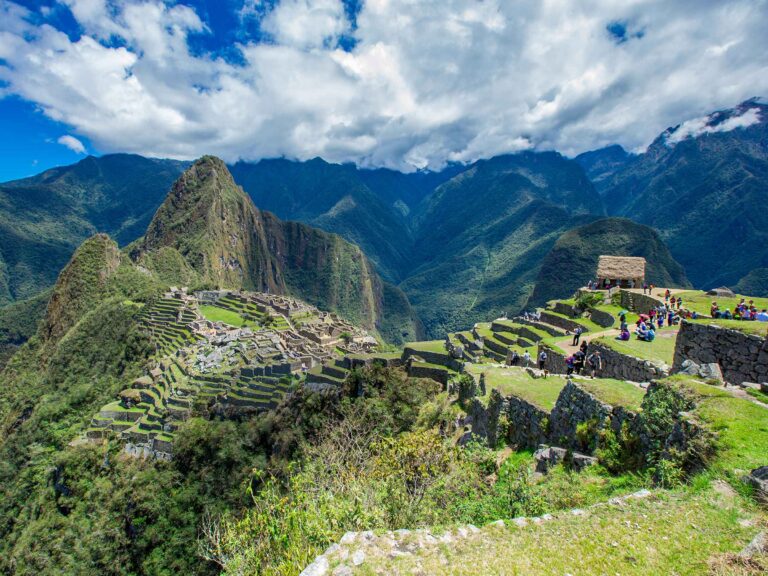
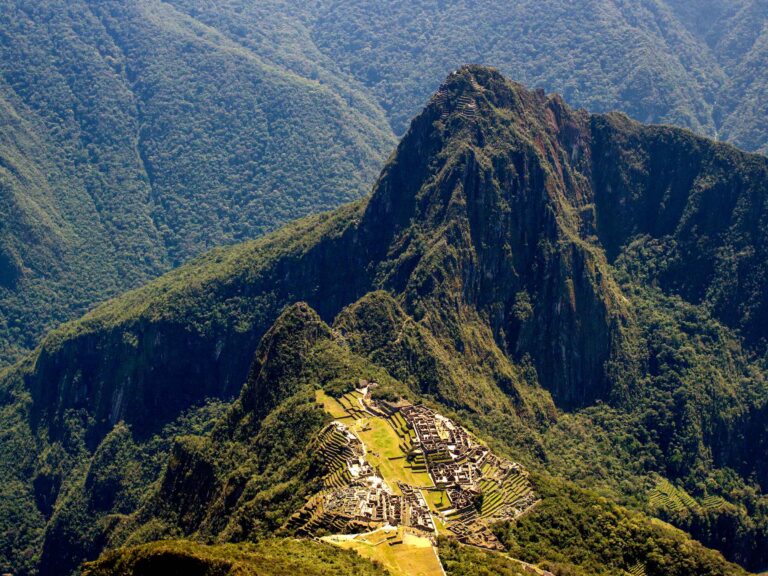
Picture this: you’re standing before the majestic ruins of Machu Picchu, surrounded by lush green mountains and the whispers of ancient civilizations. This is not just another travel destination; it’s a journey steeped in history, mystery, and breathtaking beauty. But embarking on an adventure to this iconic site requires careful planning and insider knowledge to make the experience truly unforgettable. In this article, we’ll unveil seven essential tips that will transform your trip to Machu Picchu into a seamless and awe-inspiring experience. From choosing the best time to visit and navigating the Inca Trail to immersing yourself in the local culture, these expert insights will ensure you not only see the wonders of Machu Picchu but also feel them. Get ready to unlock the secrets to an extraordinary adventure that will leave you with memories to cherish for a lifetime!

Best Times to Visit Machu Picchu
Timing your visit to Machu Picchu can significantly enhance your experience. The best time to visit is during the dry season, which runs from May to September. During these months, the weather is typically clearer, offering stunning views of the ruins and the surrounding landscape. However, this is also the peak tourist season, meaning you’ll encounter larger crowds. If you prefer a quieter, more intimate experience, consider visiting during the shoulder months of April and October. The weather is still relatively dry, and the crowds are thinner, allowing you to soak in the site’s serenity.
Conversely, the rainy season from November to March can be unpredictable, with frequent downpours that can make hiking trails slippery and challenging. Despite this, the landscape is incredibly lush and vibrant, with fewer tourists. If you don’t mind the rain and are prepared with the right gear, visiting during the off-season can offer a unique and tranquil perspective of Machu Picchu. Be sure to check weather forecasts and plan accordingly to ensure a safe and enjoyable trip.
No matter when you choose to visit, it is crucial to book your tickets and accommodations well in advance. Machu Picchu is one of the most popular tourist destinations in the world, and entrance tickets, especially for the Inca Trail, sell out quickly. Planning not only secures your spot but also allows you to choose the best times and options for your journey. Consider combining your visit with other local festivals and events to enrich your cultural immersion and make the most of your adventure.
HOW TO ARRIVE at THE ARCHAEOLOGICAL PARK
The fastest and easiest way to the citadel is by train. Currently, three companies offer their services to Aguas Calientes: PeruRail, Inca Rail, and Machu Picchu Train. All offer daily frequencies from Ollantaytambo station. The prices are similar, and the benefits are, too. The main difference is their schedules. In addition, PeruRail is the only one that adds three services from the Poroy station (in Cusco) and one in Autovagón from the Urubamba station.

Essential Packing List for Your Adventure
Packing wisely for your trip to Machu Picchu is essential to ensure you are prepared for the varied conditions you will encounter. Start with the basics: a sturdy, comfortable backpack that can carry all your essentials without straining your back. Opt for one with padded straps and multiple compartments for better organization. Your clothing should be versatile and suitable for layering, as temperatures can fluctuate throughout the day. Lightweight, moisture-wicking fabrics are ideal, and be sure to pack a waterproof jacket and pants to stay dry during unexpected rain showers.
Footwear is another critical component of your packing list. Invest in a pair of high-quality, broken-in hiking boots that offer good ankle support and grip. This will help you navigate the uneven terrain and prevent blisters or injuries. Additionally, pack a pair of comfortable shoes for relaxing after a long day of hiking. Don’t forget accessories such as a wide-brimmed hat, sunglasses, and sunscreen to protect yourself from the intense Andean sun. A refillable water bottle or hydration pack is also a must to keep you hydrated throughout your journey.
Besides clothing and footwear, there are several other essentials to consider. A first-aid kit with basic supplies, including blister treatments and altitude sickness medication, is crucial. A high-quality camera or smartphone with plenty of storage and spare batteries, or a power bank, will help you capture breathtaking views. Lastly, bring a small journal or notebook to document your experiences and reflections. This personal touch will help you remember the details of your adventure long after you’ve returned home.
Choosing the Right Trail: Inca Trail vs. Alternative Routes
One of the most critical decisions you will make when planning your trip to Machu Picchu is choosing which trail to take. The classic Inca Trail is the most famous route, offering a direct connection to Machu Picchu through a series of ancient paths and archaeological sites. This trail is a 4-day trek that covers approximately 26 miles and is renowned for its stunning scenery and historical significance. However, it is also the most popular and can be crowded, especially during peak season. Permits for the Inca Trail are limited and sell out quickly, so planning is essential.
If you are looking for a less crowded and equally rewarding experience, consider one of the alternative routes. The Salkantay Trek is a popular choice, known for its diverse landscapes, ranging from high mountain passes to lush tropical forests. This 5-day trek is challenging but offers a more remote and intimate experience. Another excellent option is the Lares Trek, which takes you through traditional Andean villages and provides a unique cultural experience and stunning views of the Sacred Valley. This trek is slightly shorter, typically taking 3 to 4 days, and is less strenuous than the Salkantay Trek.
For those seeking an even greater adventure, the Choquequirao Trek is an excellent option. This challenging trek takes you to the lesser-known ruins of Choquequirao, often called the “sister city” of Machu Picchu. The trek can be extended to include a journey to Machu Picchu, making it a longer and more demanding route. Regardless of which trail you choose, each offers its own unique rewards and challenges. Consider your fitness level, interests, and the type of experience you want to have when making your decision.
ON THE ROAD OF THE INCA
If you plan to make the Inca Trail, reserve your place at least five months in advance. Only 500 people are allowed daily, and the road is closed in February.
Understanding the Entrance Requirements and Tickets
Navigating the entrance requirements and securing tickets for Machu Picchu can be complex, but it is essential to ensure a smooth, stress-free visit. The Peruvian government regulates access to Machu Picchu to preserve the site and manage the influx of tourists. There are several types of tickets available, each offering different levels of access. The basic Machu Picchu ticket grants entry to the leading archaeological site. In contrast, the Machu Picchu + Huayna Picchu ticket includes access to the iconic peak that offers panoramic views of the ruins. Another option is the Machu Picchu + Machu Picchu Mountain ticket, which provides access to the higher and less crowded Machu Picchu Mountain.
Tickets must be purchased in advance, as daily visitor numbers are limited and tickets often sell out quickly, especially during peak season. It is advisable to book your tickets several months in advance to secure your preferred date and time slot. Tickets can be purchased online through the official Machu Picchu ticket website or through authorized travel agencies. Be sure to double-check the details of your ticket, including the date and entry time, as these are strictly enforced, and late arrivals may not be admitted.
In addition to securing your tickets, it is essential to familiarize yourself with the entrance regulations. Visitors must present a valid passport along with their ticket to gain entry. There are also restrictions on what you can bring into the site, including a ban on large backpacks, food, and single-use plastic bottles. It is essential to respect these regulations to preserve the site’s integrity and ensure a positive experience for all visitors. By understanding the entrance requirements and planning, you can focus on enjoying the awe-inspiring beauty of Machu Picchu without any logistical hassles.
HOW TO ENTER MACHU PICCHU
Those who prefer to pay for the entrance ticket with a credit card can do so only with Visa through the sanctuary website (www.Machupicchu.gob.pe, option paid). The easiest way to buy the ticket in cash is at the House of Culture of Aguas Calientes, Machu Picchu. They do not accept dollars. And close at 20:30. Do not forget to bring a passport to buy the entrance or enter the citadel.

Acclimatization: Preparing for High Altitude
One of the most significant challenges of visiting Machu Picchu is adjusting to the high altitude. The site is located at an elevation of approximately 7,970 feet (2,430 meters) above sea level, and many of the surrounding trails and starting points, such as Cusco, are even higher. Altitude sickness is a common concern for travelers, and symptoms can include headaches, nausea, dizziness, and shortness of breath. Proper acclimatization is essential to ensure you can fully enjoy your adventure without being hindered by these uncomfortable symptoms.
To prepare for the high altitude, it is recommended to spend a few days in Cusco or another high-altitude location before beginning your trek. This allows your body to adjust to the lower oxygen levels gradually. During this acclimatization period, it is essential to stay hydrated, avoid alcohol and heavy meals, and get plenty of rest. Light exercise, such as walking around town and exploring local attractions, can also help your body adjust. Many travelers find relief from altitude symptoms by drinking coca tea, a traditional remedy used by the indigenous people of the Andes.
If you are particularly sensitive to altitude or have a pre-existing medical condition, it is advisable to consult with your doctor before your trip. They may recommend medications such as acetazolamide (Diamox) to help prevent altitude sickness. Additionally, many guided tour and trekking companies offer oxygen support and other assistance to travelers struggling with altitude. By taking the time to properly acclimatize and prepare, you can minimize the risk of altitude sickness and fully immerse yourself in the breathtaking beauty of Machu Picchu and the surrounding region.
CLIMBING HUAYNA PICCHU
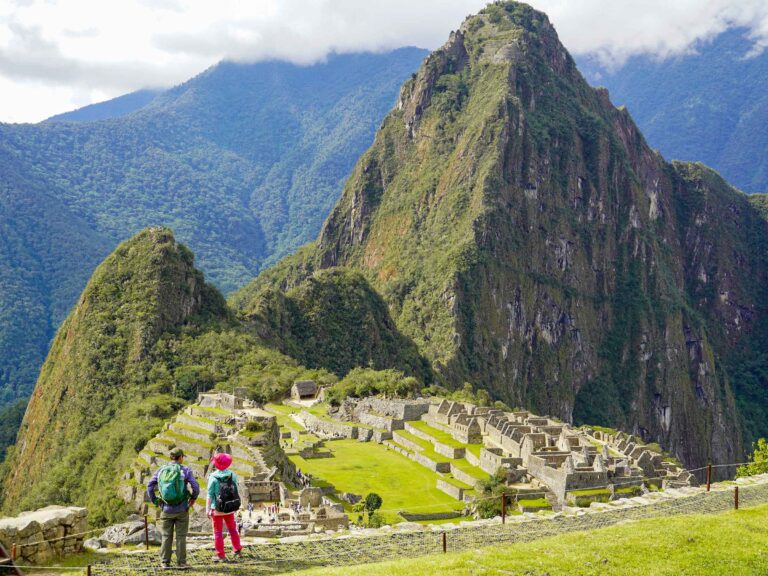
Huayna Picchu: The “young mountain” is 2,667 meters high and forms part of the Salcantay massif. To make a summit is to access a different perspective, amplified, of Machu Picchu and, in passing, meet with the surprise that there are significant archaeological remains.
To climb it, you must be in good physical condition and present at the park entrance—with a general access ticket in hand—at 4:30 in the morning. This is the only way to secure a place on one of the two daily shifts for a maximum of 400 people; the climb is of medium difficulty, and the climb to the top at a good pace takes between 45 and 60 minutes. Essential: Carry water and trekking shoes.

Guided Tours vs. Solo Exploration: What’s Best for You?
Deciding whether to explore Machu Picchu with a guided tour or on your own is another important consideration. Both options have their own unique advantages, and the best choice depends on your personal preferences, travel style, and level of experience. Guided tours offer the benefit of expert knowledge and insight, providing a deeper understanding of the site’s history, culture, and significance. A knowledgeable guide can enhance your experience by sharing fascinating stories and answering questions, helping you fully appreciate the intricate details of Machu Picchu.
Guided tours also handle logistics, including transportation, entrance tickets, and accommodations, making the planning process much more straightforward and stress-free. This can be particularly beneficial for first-time visitors or those who prefer a more structured experience. Additionally, many guided tours include visits to other nearby attractions and cultural experiences, providing a comprehensive and enriching journey through the Sacred Valley and beyond.
On the other hand, solo exploration offers the freedom and flexibility to explore at your own pace. If you enjoy independent travel and prefer to create your own itinerary, going solo allows you to linger at your favorite spots, take photos without feeling rushed, and discover hidden corners of the site. It is essential to thoroughly research and plan your visit, including securing your tickets and transportation, to ensure a smooth experience. Solo travelers should also be mindful of safety and be prepared for the physical demands of hiking and navigating the site on their own.
Ultimately, the choice between a guided tour and solo exploration comes down to your personal preferences and travel style. Some travelers may even choose to combine both approaches, taking a guided tour for part of their journey and exploring independently for the rest. Regardless of which option you choose, both offer the opportunity to experience the magic and wonder of Machu Picchu in a way that is meaningful and memorable.

Cultural Etiquette: Respecting the Heritage of Machu Picchu
Visiting Machu Picchu is not just about witnessing its breathtaking beauty; it is also an opportunity to connect with its rich cultural heritage. As a UNESCO World Heritage Site and one of the most significant archaeological sites in the world, it is essential to approach your visit with respect and sensitivity. Understanding and observing cultural etiquette is crucial to preserving the site’s integrity and honoring local communities’ traditions.
One of the most critical aspects of cultural etiquette is respecting the physical environment of Machu Picchu. Refrain from touching or climbing on the ruins, as this can cause damage and erosion. Stick to designated paths and avoid straying into restricted areas. Leave no trace of your visit by properly disposing of trash and avoiding single-use plastics. Photography is allowed, but be mindful of other visitors and avoid obstructing pathways or creating disturbances.
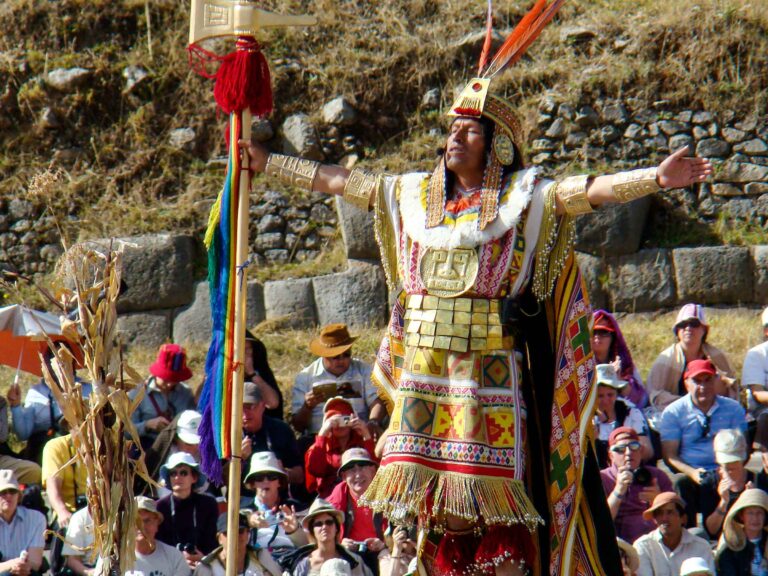
Respect for local customs and traditions is also essential. The Quechua people, descendants of the Inca civilization, have a deep spiritual connection to the land and its history. Take the time to learn about their culture and traditions, and approach interactions with curiosity and humility. When visiting local communities or participating in cultural activities, follow your hosts’ guidance and show appreciation for their hospitality.
Finally, be mindful of the impact of tourism on the local economy and environment. Support responsible tourism practices by choosing locally-owned accommodations, dining at local restaurants, and purchasing handicrafts directly from artisans. By showing respect for the heritage and culture of Machu Picchu, you contribute to the preservation of this incredible site for future generations and foster a deeper, more meaningful connection with your journey.
Must-See Attractions Within the Site
While Machu Picchu itself is the main attraction, several must-see spots within the site are not to be missed. The Temple of the Sun is one of the most important and impressive structures, featuring precision-cut stonework and a strategic alignment with the sun’s rays during the solstices. This temple offers a fascinating glimpse into the astronomical and religious knowledge of the Inca civilization. Nearby, the Room of the Three Windows provides stunning views of the surrounding mountains and is believed to have held significant ceremonial importance.
The Intihuatana Stone, often called the “Hitching Post of the Sun,” is another essential stop. This carved rock pillar was used by the Incas as an astronomical calendar and is considered a powerful spiritual site. Visitors often report feeling a unique energy when standing near the stone. The Main Temple, with its massive stone blocks and intricate construction, is a testament to the Incas’ architectural prowess. Despite some damage from earthquakes, the temple remains a striking and awe-inspiring structure.
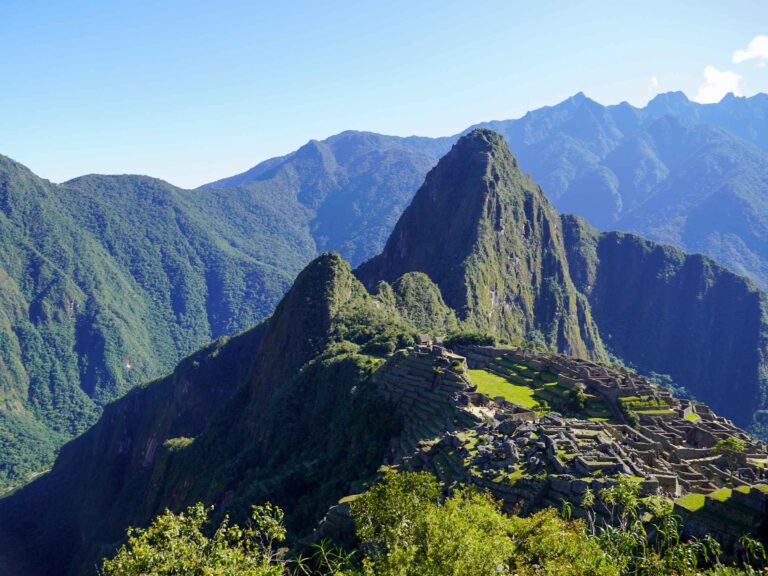
For those seeking a physical challenge and unparalleled views, hiking Huayna Picchu or Machu Picchu Mountain is highly recommended. Huayna Picchu, the iconic peak featured in most photographs of Machu Picchu, offers a steep, exhilarating climb with breathtaking views of the ruins below. Machu Picchu Mountain, while less crowded, provides an even higher vantage point and a more gradual ascent. Both hikes require additional tickets and should be booked in advance. These experiences offer a unique perspective of Machu Picchu and are well worth the effort.
Making the Most of Your Machu Picchu Experience
An adventure to Machu Picchu is a once-in-a-lifetime experience that offers a unique blend of natural beauty, historical significance, and cultural richness. By following these seven essential tips, you can ensure that your journey is not only unforgettable but also seamless and enriching. From choosing the best time to visit and packing wisely to selecting the right trail and understanding entrance requirements, careful planning is key to making the most of your trip.
Acclimatizing to the high altitude, deciding between guided tours and solo exploration, and respecting the cultural heritage of Machu Picchu will further enhance your experience. Take the time to explore the site’s must-see attractions and immerse yourself in the awe-inspiring beauty and mystery of this ancient wonder. By approaching your visit with respect, curiosity, and preparation, you will unlock the secrets of Machu Picchu and create memories that will stay with you for a lifetime.