
A Closer Look at the Rainbow Mountains of Peru

A Closer Look at the Rainbow Mountains of Peru


Exploring the Vibrant Beauty of Rainbow Mountains

The Rainbow Mountains of Peru, also known as Vinicunca or Montaña de Siete Colores, are an enchanting geological wonder that captivates travelers worldwide. Their vibrant hues and breathtaking landscapes make these mountains a must-see for anyone visiting Peru. In this comprehensive guide, we’ll delve deep into the allure of the Rainbow Mountains, explore the best times to visit, advise on what to pack, and much more, ensuring you are fully prepared for this unforgettable adventure.

The Rainbow Mountains are a testament to Earth’s incredible geological processes that span millions of years. These mountains owe their stunning colors to a fascinating history of sedimentary mineral deposits that have formed the vivid stripes visible today. By understanding the intricate processes that shape them, visitors can appreciate the unique beauty of this natural marvel.

The official entrance to Rainbow Mountain is a small town called Pitumarca, two hours from Cusco’s “Cusco road—Lake Titicaca.” From Pitumarca, we will climb the Andes for about an hour and a half, following a dirt road to Llamachimpana. Llamachimpana is the starting point for hiking to the seven colors of the mountain; you can also ride on horseback almost to the top.

Rainbow Mountains Peru

Rainbow Mountains Peru

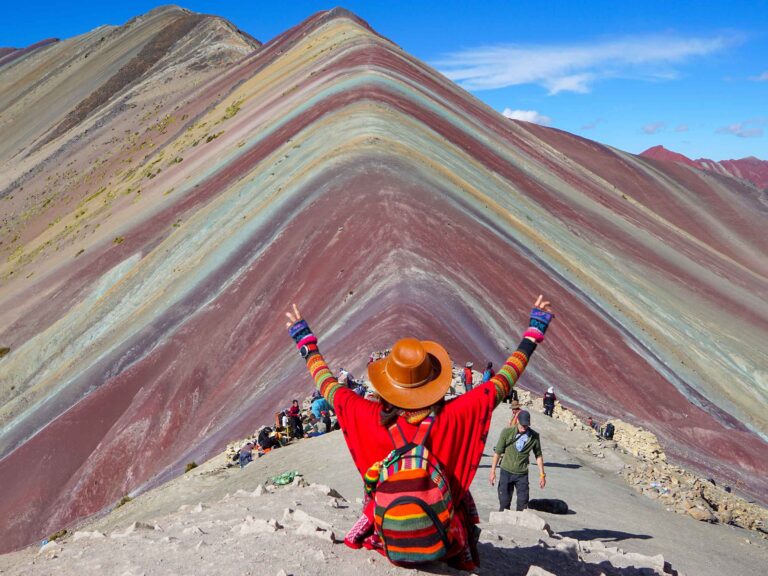
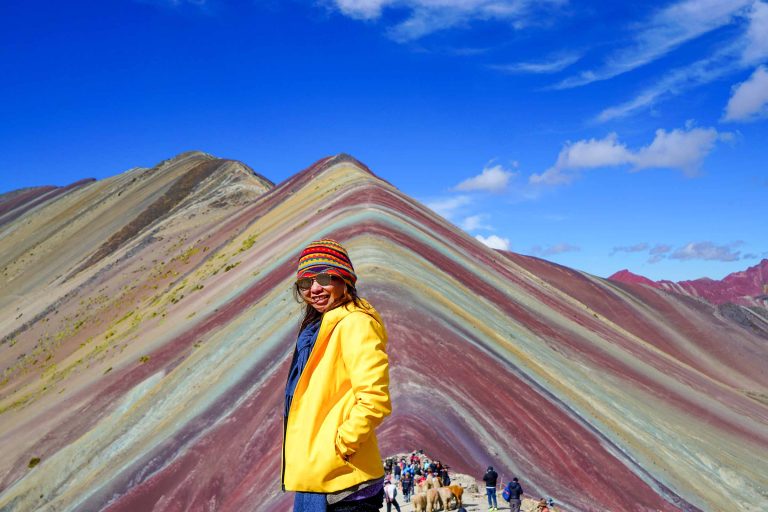
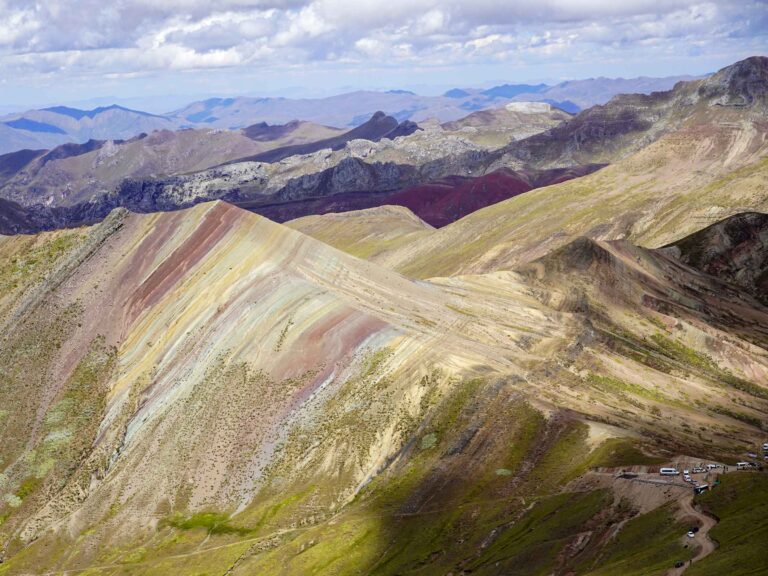
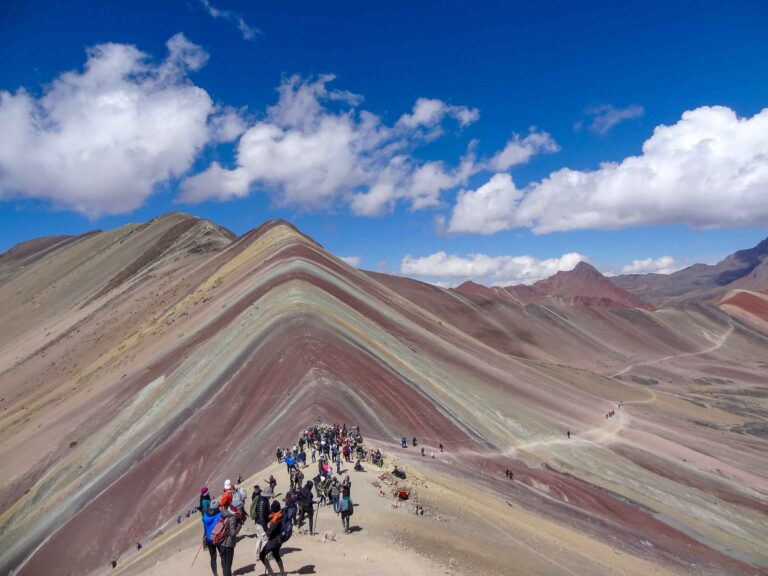
Vinicunca, or Winicunca, is also called Siete Colores, Montaña Arcoíris, or Rainbow Mountain (the settlers call Cerro Colorado). The mountain of seven colors is 5,200 meters above sea level (17,060 feet). It is on the road to Nevado Ausangate in the Andes of Peru, in the Cusco Region and Canchis province.

  • Mountain range: Andes
  • Parent range: Andes
  • Community: Winicunca, Qesiuno, and Llamachimpana
  • District: Pitumarca
  • Province: Canchis
  • Department: Cusco
  • Country: Peru
  • Continent: South America

Vinicunca is located in the district of Pitumarca, in the province of Canchis, in the Cusco region. The trail and the Rainbow Mountain Pass are close to the snowy Ausangate (sacred mountain). Its high Andean area is surrounded by camelids such as alpacas and vicuñas. If lucky, visitors will witness the majestic condor in flight.

Cusco is home to stunning Rainbow Mountains that attract adventurers from around the world. Each offers unique geological formations and breathtaking views, making them must-visit destinations for nature lovers. Here’s a guide to the central Rainbow Mountains in the region, including the beautiful Red Valley (Valle Rojo):

The Science Behind the Colors

The vibrant colors of the Rainbow Mountains are due to a unique mineralogical composition. Iron oxides create shades of red and yellow, while copper results in greens and turquoises. These minerals were deposited in layers over millions of years, each contributing to the mountains’ spectacular color palette. The tectonic forces that lifted these layers to their current elevation further exposed them to erosion and weathering, enhancing their vivid appearance.

The Role of Tectonic Activity

Tectonic activity played a crucial role in shaping the Rainbow Mountains. As the Earth’s plates shifted, these mineral-rich layers were thrust upwards, creating towering formations. This uplift exposed them to environmental elements, which gradually sculpted them into the stunning formations we see today. The interplay between tectonic forces and surface processes is key to understanding the Rainbow Mountains’ unique geology.

Erosion and Weathering: Nature’s Paintbrush

Erosion and weathering have acted as nature’s paintbrush, meticulously carving and coloring the Rainbow Mountains over time. Wind, rain, and temperature fluctuations have worn away softer materials, revealing the vibrant mineral layers beneath. This ongoing process continually reshapes the landscape, adding to the mountains’ dynamic beauty and further accentuating their colorful bands.

The Cultural Significance of Vinicunca

The Rainbow Mountains, known as Vinicunca in Quechua, hold profound cultural significance for the indigenous Andean communities. Beyond their natural beauty, these mountains are a sacred place deeply rooted in local traditions and spiritual beliefs. Exploring their cultural aspects provides a richer understanding of the region and its people.

The Meaning Behind “Vinicunca”

The name “Vinicunca” is derived from Quechua, the indigenous language of the Andes, meaning “seven colors.” This name reflects the mountains’ striking appearance and their importance in Andean culture. For centuries, the Rainbow Mountains have been a sacred site where traditional rituals and ceremonies are performed, symbolizing the deep connection between the Andean people and their environment.

Traditional Rituals and Ceremonies

The Rainbow Mountains are not just a natural wonder but also a spiritual haven for the Andean people. Traditional rituals and ceremonies are held here, paying homage to the mountains and seeking blessings for the community. These practices have been passed down through generations, highlighting the region’s enduring cultural heritage and offering visitors a glimpse into the spiritual life of the Andean people.

Preserving Cultural Heritage

Efforts to preserve the cultural heritage of the Rainbow Mountains are ongoing and involve both local communities and conservation organizations. These initiatives aim to protect the natural environment and cultural practices, ensuring that future generations can continue to cherish this sacred site. Visitors are encouraged to respect the local customs and contribute to the preservation efforts by engaging with the community responsibly.

Choosing Between Vinicunca and Palccoyo

When planning your journey to the Rainbow Mountains, you might find yourself deciding between visiting Vinicunca or Palccoyo. Both destinations offer stunning views, but they cater to different preferences and capabilities. Understanding the differences can help you choose the experience that best suits your interests and physical abilities.

Vinicunca: The Iconic Trek

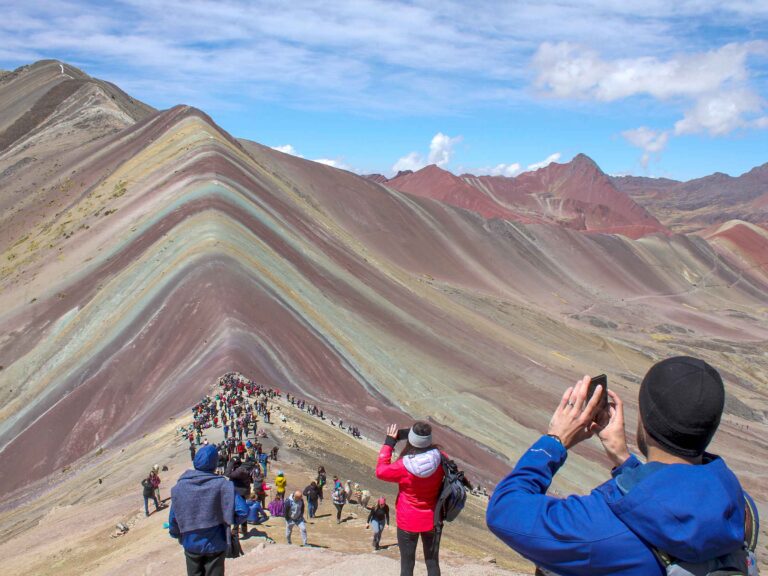
Vinicunca, known for its striking colors and higher altitude, is the more iconic and popular choice among travelers. The trek to Vinicunca is challenging, with a steep climb to over 5,000 meters (16,500 feet). This demanding hike rewards adventurers with breathtaking panoramic views and a sense of accomplishment. However, the popularity of Vinicunca can make it crowded, so planning your visit to avoid peak times can enhance your experience.

Palccoyo: The Tranquil Alternative

For those seeking a less strenuous alternative, Palccoyo offers a more tranquil experience with multiple viewpoints of similarly colorful landscapes. The trek to Palccoyo is easier, making it an excellent option for those concerned about altitude sickness or looking for a more relaxed adventure. With fewer visitors, Palccoyo provides a peaceful setting to appreciate the natural beauty and connect with the surroundings.

Making Your Choice

Choosing between Vinicunca and Palccoyo ultimately depends on your physical fitness, time constraints, and personal preferences. Vinicunca offers a more challenging, iconic trek, while Palccoyo provides a serene, accessible alternative. Both destinations promise unforgettable experiences, so consider what aspects are most important to you when planning your visit.

Preparing for the Altitude

At altitudes over 5,000 meters, your body undergoes several physiological changes. Being aware of altitude sickness symptoms and taking preventive measures is crucial for a safe and enjoyable trek. Proper acclimatization and preparation can make a significant difference in your experience.

Understanding Altitude Sickness

Altitude sickness, also known as acute mountain sickness (AMS), occurs when your body struggles to adapt to lower oxygen levels at high elevations. Symptoms include headaches, dizziness, nausea, and fatigue. Understanding these signs is essential for managing your health during the trek and ensuring a safe journey.

Tips for Acclimatization

Acclimatization is key to preventing altitude sickness and enjoying your trek to the Rainbow Mountains. Spend a few days in Cusco or another high-altitude area before attempting the trek to allow your body to adjust. Staying hydrated, eating light meals, and avoiding alcohol can also aid in the acclimatization process. Gradually ascending to higher altitudes and taking breaks during the trek can further help your body adapt.

Managing Symptoms and Staying Safe

If you experience symptoms of altitude sickness, it’s crucial to take them seriously and take appropriate action. Resting, staying hydrated, and descending to a lower altitude can alleviate symptoms. Carrying altitude sickness medication can also be helpful, but consult with a healthcare professional before your trip. Prioritizing your health and safety ensures a more enjoyable and fulfilling experience in the Rainbow Mountains.

Best Time to Visit Rainbow Mountains: A Month-by-Month Guide

Choosing the right time to visit the Rainbow Mountains can enhance your experience and ensure optimal weather conditions. The best time to visit is during the dry season, which typically runs from May to September. A month-by-month guide helps you plan your trip according to the weather and your preferences.

May to September: Ideal Conditions

From May to September, the Rainbow Mountains experience the dry season, offering the best weather for trekking and photography. During these months, clear skies and cooler temperatures create ideal conditions for exploring the mountains. Mornings can be chilly, so layering clothing is essential to stay comfortable throughout the day.

October to April: The Wet Season

The wet season from October to April brings rain and clouds, which can obscure the view and make trails muddy and slippery. However, traveling during these months has its advantages, such as fewer crowds and lush, vibrant landscapes. If you prefer a quieter experience and are prepared for unpredictable weather, visiting during the wet season can offer a unique perspective of the Rainbow Mountains.

Planning Your Visit

When planning your visit, consider the weather conditions and your personal preferences. The dry season provides the most reliable weather and clearer views, while the wet season offers solitude and a different natural beauty. Booking your trek in advance and checking weather forecasts can help you make the most of your trip to the Rainbow Mountains.

Packing Essentials for Your Rainbow Mountain Adventure

Packing appropriately for your journey to the Rainbow Mountains is crucial to ensure comfort and safety. Beyond the basics, consider specific essentials tailored to the trek’s unique conditions and challenges. Being well-prepared enhances your experience and allows you to focus on the stunning landscapes.

Layered Clothing for Variable Weather

Layering is key to staying comfortable amid the Rainbow Mountains’ varying temperatures. Mornings can be cold, while afternoons may warm up considerably. Pack a warm jacket, hat, and gloves for the chilly start, and lighter layers for when the sun rises. This approach allows you to adjust your clothing as the day progresses, keeping you comfortable throughout your trek.

Waterproof Gear for Unpredictable Conditions

Sudden rain showers are common in the Rainbow Mountains, even during the dry season. A good rain jacket and waterproof backpack cover are advisable to protect yourself and your belongings. Waterproof hiking boots with good grip are essential for navigating the rocky terrain and ensuring stability on slippery surfaces.

Sun Protection and Hydration

At high altitudes, the sun’s UV rays are more intense, so protecting your skin and eyes is crucial. Carry sunscreen, sunglasses, and a wide-brimmed hat to shield yourself from the sun. Staying hydrated is equally important, as the dry mountain air can dehydrate you quickly. Bring plenty of water and snacks to maintain your energy levels during the trek.

The Journey to Rainbow Mountains

Most tours to the Rainbow Mountains begin in Cusco, offering a scenic drive through the Andes to the trailhead. The journey typically takes around three to four hours, with early morning departures maximizing time at the site. Along the way, you’ll pass traditional Andean villages and may spot alpacas and llamas grazing, adding to the richness of your adventure.

Scenic Drive Through the Andes

The drive from Cusco to the Rainbow Mountains is an experience in itself, showcasing the stunning Andean landscapes. As you travel through winding mountain roads, you’ll witness breathtaking vistas and traditional Andean communities. This scenic drive sets the stage for the natural beauty and cultural richness that await at the Rainbow Mountains.

Encountering Andean Wildlife

Along the journey, keep an eye out for the diverse wildlife that inhabits the Andes. Alpacas and llamas are commonly seen grazing in the fields, adding to the picturesque scenery. These encounters with local wildlife provide an authentic glimpse into the region’s natural environment and enhance your overall experience.

Arriving at the Trailhead

Upon reaching the trailhead, you’ll begin your trek to the Rainbow Mountains, surrounded by the majestic peaks of the Andes. The anticipation builds as you set out on the hike, knowing the vibrant colors and breathtaking views are just ahead. The journey to the Rainbow Mountains is as rewarding as the destination, offering an immersive experience in Peru’s natural wonders.

Experiencing the Local Culture

Visiting the Rainbow Mountains also offers a chance to immerse yourself in the local culture. The indigenous Quechua communities are known for their hospitality and traditional crafts. Engaging with the local culture enriches your experience and provides valuable insights into the region’s heritage.

Meeting the Quechua People

The Quechua people, the descendants of the Inca civilization, inhabit the areas surrounding the Rainbow Mountains. Known for their warm hospitality and rich cultural traditions, they welcome visitors with open arms. Interacting with the Quechua community offers an opportunity to learn about their way of life, traditional practices, and deep connection to the land.

Supporting Local Artisans

Supporting local artisans by purchasing handmade goods or partaking in a cultural tour is a meaningful way to contribute to the community. The Quechua people are skilled artisans who create beautiful textiles, jewelry, and crafts that reflect their cultural heritage. By supporting these artisans, you help preserve their traditions and sustain their livelihoods.

Participating in Cultural Tours

Cultural tours offer a deeper understanding of the Quechua people’s traditions and history. These tours may include visits to local villages, demonstrations of traditional crafts, and insights into daily life in the Andes. Participating in a cultural tour enhances your appreciation of the region’s rich heritage and creates lasting memories of your visit to the Rainbow Mountains.

Incredible sites around Vinicunca Painted Mountains

1. Vinicunca (Rainbow Mountain)

  • Altitude: 16,500 ft (5,029 m)
  • Location: About 3 hours from Cusco, near the Ausangate Mountain.
  • Highlights: Known as the classic Rainbow Mountain, Vinicunca is famous for its vibrant layers of red, yellow, green, and purple. These colors are caused by unique mineral deposits.
  • Hike Duration: Approximately 2-3 hours one way, with some challenging sections.
  • Best For: Those seeking the iconic Rainbow Mountain experience.
  • Nearby Attraction: Many visitors combine Vinicunca with a visit to the Red Valley for a more diverse trekking experience.

2. Red Valley (Valle Rojo)

  • Altitude: 16,500 ft (5,029 m)
  • Location: Adjacent to Vinicunca, accessed via an additional trail.
  • Highlights: The Red Valley offers striking red landscapes that stretch across the horizon. This lesser-known destination provides a quieter, equally breathtaking alternative to the crowded Vinicunca.
  • Hike Duration: Around 1 hour from Vinicunca’s summit, or accessible directly through an alternative trail.
  • Best For: Those seeking dramatic landscapes with fewer crowds.
  • Bonus: The contrast between the red soil, green valleys, and snow-capped mountains creates incredible photo opportunities.
red valley tour

red valley tour

3. Palcoyo (Alternative Rainbow Mountain)

  • Altitude: 16,000 ft (4,900 m)
  • Location: About 3 hours from Cusco, near Checacupe village.
  • Highlights: Unlike Vinicunca, Palcoyo offers multiple colorful mountains in one area. It features a gentler, family-friendly hike and is far less crowded.
  • Hike Duration: 1 hour round trip, with minimal effort.
  • Additional Attractions: Explore the Stone Forest, a nearby collection of unique rock formations.

4. Pallay Punchu de Apu T’acllo

  • Altitude: 15,500 ft (4,725 m)
  • Location: Layo district, around 4-5 hours from Cusco.
  • Highlights: Pallay Punchu is distinctive for its jagged ridges and deep red tones, offering a raw and rugged experience.
  • Hike Duration: 2-3 hours, moderately challenging.
  • Best For: Adventurers seeking an off-the-beaten-path trek.

Conclusion

Exploring the Rainbow Mountains is a once-in-a-lifetime experience that combines natural beauty, cultural richness, and a sense of adventure. Whether you choose Vinicunca or Palccoyo, prepare adequately for the altitude, pack wisely, and respect the local customs to make the most of your visit. These breathtaking landscapes are sure to leave a lasting impression, enriching your understanding of Peru’s natural wonders and cultural heritage. As you stand amidst the vibrant colors and towering peaks, you’ll find a profound connection to the land and its people, creating memories that will last long after your journey ends.

Inquire Now

Contact form footer
Need help? Speak with us