
Preparing for the Ancascocha Trek requires proper planning, acclimatization, and physical preparation. Known as one of Peru’s most remote and challenging alternative routes to Machu Picchu, the Ancascocha Trek rewards hikers with spectacular mountain scenery, quiet wilderness, and authentic cultural encounters, all of which are far from crowded trekking routes.
This practical guide covers everything travelers should know before hiking the Ancascocha Trek, including difficulty levels, altitude, acclimatization, weather conditions, essential gear, packing tips, route information, and how to prepare for a safe and rewarding adventure in the Andes.
Ancascocha Trekking Useful Information
The Ancascocha Trek is considered one of the most scenic and physically demanding alternative treks near Cusco.
Unlike more commercial trekking routes, the trail crosses isolated mountain regions where hikers experience remote valleys, high-altitude passes, glacial lakes, and traditional Andean communities.
The route usually takes between 4 and 5 days and reaches elevations above 4,600 meters (15,000 feet).
Travelers choosing this trek should be prepared for:
- Long hiking days
- Steep ascents and descents
- Cold nighttime temperatures
- Rapid weather changes
- High-altitude trekking conditions
Despite the challenge, the Ancascocha Trek remains one of Peru’s most rewarding hiking adventures.
Travelers looking for a comprehensive overview of the route may also enjoy this Ancascocha Trek adventure guide.
How Difficult Is the Ancascocha Trek?
The Ancascocha Trek is generally considered a difficult high-altitude hike recommended for travelers with good physical fitness and previous trekking experience.
Several factors increase the challenge level:
- High mountain passes
- Long hiking distances
- Remote terrain
- Uneven mountain trails
- Thin mountain air at high altitude
The trek is physically more demanding than many classic trekking routes in Peru because of its steep terrain and isolated wilderness conditions.
Trekkers should prepare both physically and mentally before starting the route.
Altitude and Acclimatization
One of the most important factors when preparing for the Ancascocha Trek is acclimatization.
Because the route reaches elevations above 4,600 meters (15,000 feet), altitude sickness can affect travelers who ascend too quickly.
To reduce the risk of altitude-related problems, travelers should:
- Spend at least 2 to 3 days in Cusco before the trek
- Stay hydrated
- Avoid excessive alcohol before hiking
- Eat light meals during acclimatization
- Rest properly before the trek begins
The Sacred Valley is also an excellent location for gradual acclimatization because of its lower elevation compared to Cusco.
Travelers concerned about altitude may also benefit from this high-altitude travel guide.
Best Time to Hike the Ancascocha Trek
The dry season between May and September usually provides the best conditions for hiking the Ancascocha Trek.
During these months, hikers often experience:
- Clear mountain views
- Drier trails
- More stable weather
- Better visibility for photography
The rainy season between November and March can create muddy paths and more difficult hiking conditions, especially on steep mountain sections.
Nighttime temperatures at high altitude can also become extremely cold during the dry season, particularly between June and August.
What to Pack for the Ancascocha Trek
Proper trekking equipment is essential for comfort and safety during the hike.
Recommended packing items include:
- Waterproof hiking boots
- Warm layered clothing
- Waterproof jacket and rain gear
- Thermal base layers
- Warm sleeping bag
- Sun protection and sunglasses
- Trekking poles
- Reusable water bottles
- Personal medications
- Headlamp and batteries
Weather conditions in the Andes can change quickly, so layered clothing is especially important.

Physical Preparation and Fitness
Good physical condition is extremely important for enjoying the Ancascocha Trek safely.
Trekkers should ideally prepare with:
- Cardiovascular training
- Long-distance walking or hiking
- Strength and endurance exercises
- Practice hikes at a moderate altitude
Preparing several weeks before the trek can significantly improve comfort and overall trekking performance.
Travelers without prior trekking experience may find the route especially demanding because of the combination of altitude and steep terrain.
Typical Weather Conditions on the Trek
The weather in the Andes can vary dramatically throughout the day.
Trekkers often experience:
- Cold mornings
- Strong mountain sun during the day
- Windy high-altitude passes
- Very cold nights
- Occasional rain showers
Because conditions can change quickly, carrying waterproof and warm clothing is highly recommended throughout the trek.
Guided Trek vs Independent Hiking
Most travelers choose guided Ancascocha Trek tours because the route passes through remote mountainous regions with limited infrastructure.
Guided treks typically include:
- Professional trekking guides
- Campsite logistics
- Meals and cooking staff
- Pack animals for equipment
- Safety and route management
Independent trekking is possible for experienced hikers familiar with high-altitude mountain navigation and remote trekking conditions.
However, guided services provide additional safety, local knowledge, and logistical support.
Route Highlights and Scenic Areas
The Ancascocha Trek crosses some of the most spectacular mountain scenery near Cusco and Machu Picchu.
Major highlights include:
- Perolniyoc Waterfall
- Kuychicassa Pass
- Ancascocha Lake
- Remote mountain valleys
- Traditional Quechua villages
- Panoramic snow-capped peaks
The route also offers excellent opportunities for photography and cultural interaction with local Andean communities.

Health and Safety Tips
Preparing properly for remote trekking conditions is essential.
Helpful safety recommendations include:
- Drink plenty of water
- Use sunscreen regularly
- Protect against cold nighttime temperatures
- Walk at a steady pace at high altitude
- Inform guides about any medical conditions
- Carry personal medications if necessary
Trekkers should always listen to their bodies and avoid pushing too hard at extreme elevations.
Responsible Trekking in the Andes
The remote ecosystems surrounding the Ancascocha Trek are environmentally sensitive.
Travelers should follow responsible trekking practices such as:
- Staying on marked trails
- Avoiding littering
- Respecting local communities
- Reducing plastic waste
- Supporting local tourism initiatives
Responsible travel helps preserve the natural beauty and cultural heritage of the Andes for future generations.
Combining the Trek with Machu Picchu
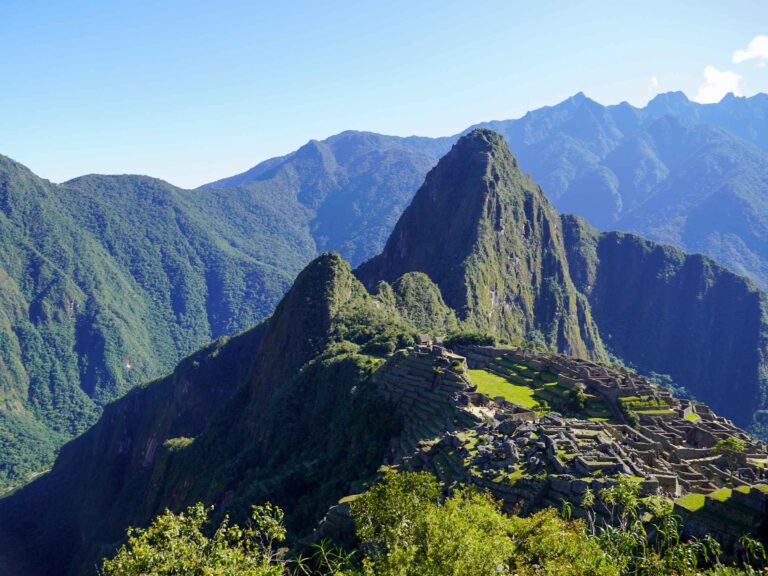
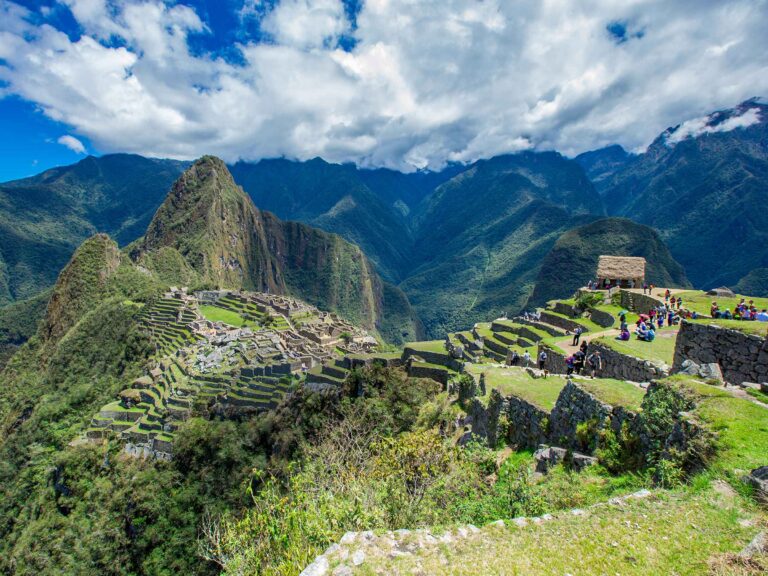
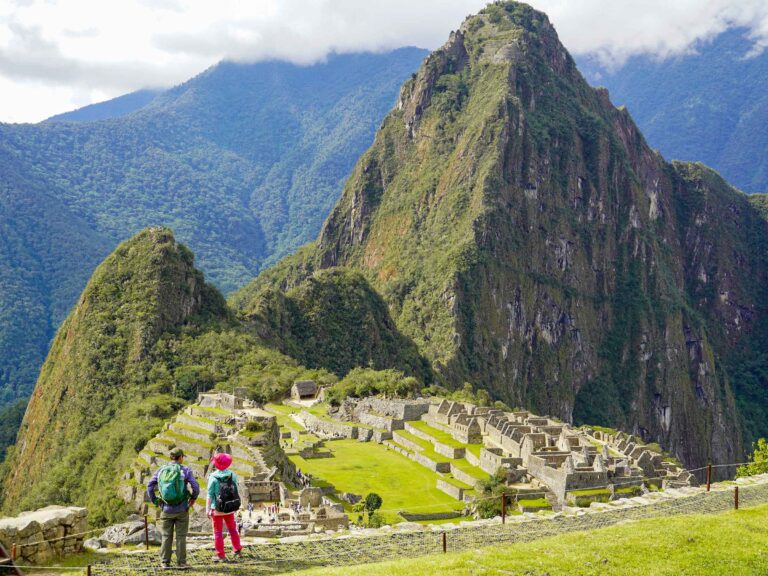
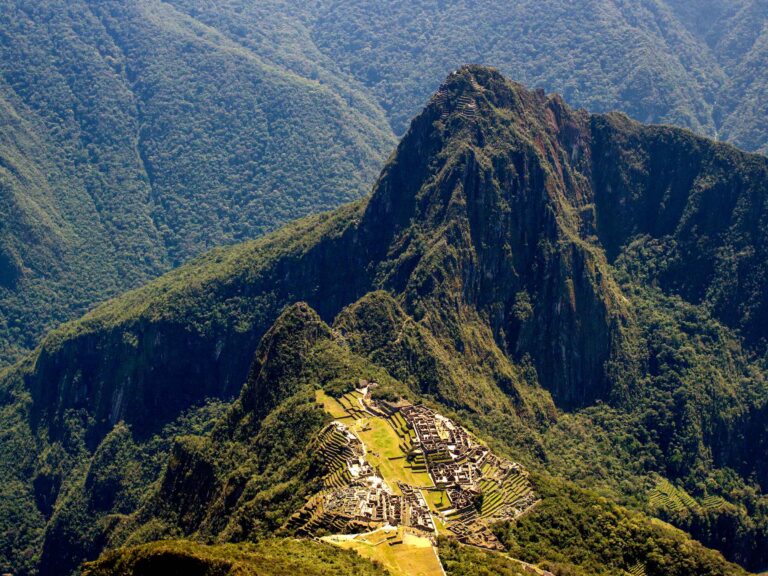
Many Ancascocha itineraries finish with a visit to Machu Picchu, creating one of Peru’s most rewarding trekking experiences.
Travelers may continue toward Machu Picchu by:
- Connecting with the Inca Trail
- Traveling by train from Ollantaytambo
- Joining combined trekking itineraries
The combination of remote wilderness trekking and Machu Picchu exploration creates a balanced adventure filled with both nature and history.
Travelers interested in multi-day adventures may also enjoy this Salkantay Trek to Machu Picchu guide.

Explore Ancascocha Trek Tours
Kondor Path Tours offers trekking experiences designed for travelers seeking remote mountain adventures, alternative routes to Machu Picchu, and authentic Andean cultural experiences.
- Ancascocha Trek 3 Days
- Ancascocha Trek 4 Days
- Ancascocha Trek to Machu Picchu
- Ancascocha Trek + Short Inca Trail
Conclusion
The Ancascocha Trek is one of Peru’s most rewarding alternative trekking adventures for travelers seeking remote mountain landscapes, cultural immersion, and challenging high-altitude hiking experiences.
Proper preparation, acclimatization, and the right trekking equipment are essential for enjoying the route safely and comfortably.
From spectacular mountain passes and glacial lakes to traditional Andean communities and remote wilderness scenery, the Ancascocha Trek offers an unforgettable adventure through one of the most beautiful regions of the Peruvian Andes.