Potato Park Pisac 1 Day


Potato Park Peru – Suppose you’re looking for a unique cultural adventure; set your sights on Potato Park Pisac. Learn about the Incas and explore a variety of potato varieties on this unforgettable excursion.
Potato Park Pisac: The tourist circuit opens its doors through experiential and cultural tourism. The tourist excursion directly involves local agricultural activities, festivities, and rituals, creating an exchange of life balance with nature and potato cultivation.
Potato Park, known locally as “Parque de la Papa,” is a unique initiative that encompasses several indigenous communities dedicated to preserving traditional agricultural practices and safeguarding the immense biodiversity found in the region. This park is a living museum of ancient agricultural wisdom and the deep connection between the Andean people and their land.
Pisac Potato Park Tour, Peru, for an unforgettable cultural experience! Explore history and heritage as you learn about this region’s rich and diverse traditions.
Pisac, Peru’s Potato Park, is a biodiverse wonderland home to over 1,400 varieties of potatoes. A day tour of this unique region in Cusco offers visitors the chance to explore stunning landscapes, learn about traditional farming practices, and encounter some rare and endangered species that call this area home.
Immerse yourself in the rich culture and traditions of the Andean people with a visit to Potato Park Pisac. This unique experience takes you on a journey through the history and significance of the potato in Andean culture and the importance of preserving traditional farming practices and biodiversity. You’ll have the opportunity to meet local farmers, learn about their way of life, and even participate in conventional potato harvesting and cooking methods. The organization comprises six indigenous communities working to protect over 1,400 varieties of potatoes, other crops, and medicinal plants.
Potato Park Peru in Pisac is a captivating destination that combines nature’s beauty with the richness of indigenous culture. With its vibrant biodiversity, unique potato varieties, and deep-rooted traditions, Potato Park Peru offers an experience like no other.
Unforgettable Encounters: Immersing in Local Culture
Visiting Potato Park offers a rare opportunity to engage with the warm-hearted indigenous communities that call this place home. Embrace their vibrant culture, participate in traditional rituals, and listen to the captivating folklore that weaves stories of the Andean people’s ancient past.
Prepare your taste buds for an extraordinary culinary experience. The locals’ gastronomic expertise brings forth an array of mouthwatering dishes centered around potatoes. From hearty stews to delectable desserts, each delicacy carries the essence of the Andean heritage.
For adventure seekers, Potato Park offers breathtaking trekking trails that meander through the stunning landscapes of the Andean highlands. Along these paths, you’ll encounter ancient ruins, mystical lakes, and majestic mountains that inspire awe at every turn.
Tourism at Potato Park is thoughtfully managed to minimize environmental and community impacts. By visiting, you help preserve this unique ecosystem, support the local economy, and empower the indigenous inhabitants.
We are calling all shutterbugs! Potato Park Peru in Pisac offers breathtaking vistas and unique cultural experiences, making it a haven for photographers and travelers seeking to capture the essence of the Andes.
At 8 in the morning, we start the trip from Cusco to the Inca community of Paru Paru. During the journey, we make a couple of stops at viewpoints in Taray, Pisac, and Cuyo Chico to capture photographic perspectives of the Andes, the Sacred Valley, the Pisac mountain range, and the ancient ruins of Pisac.
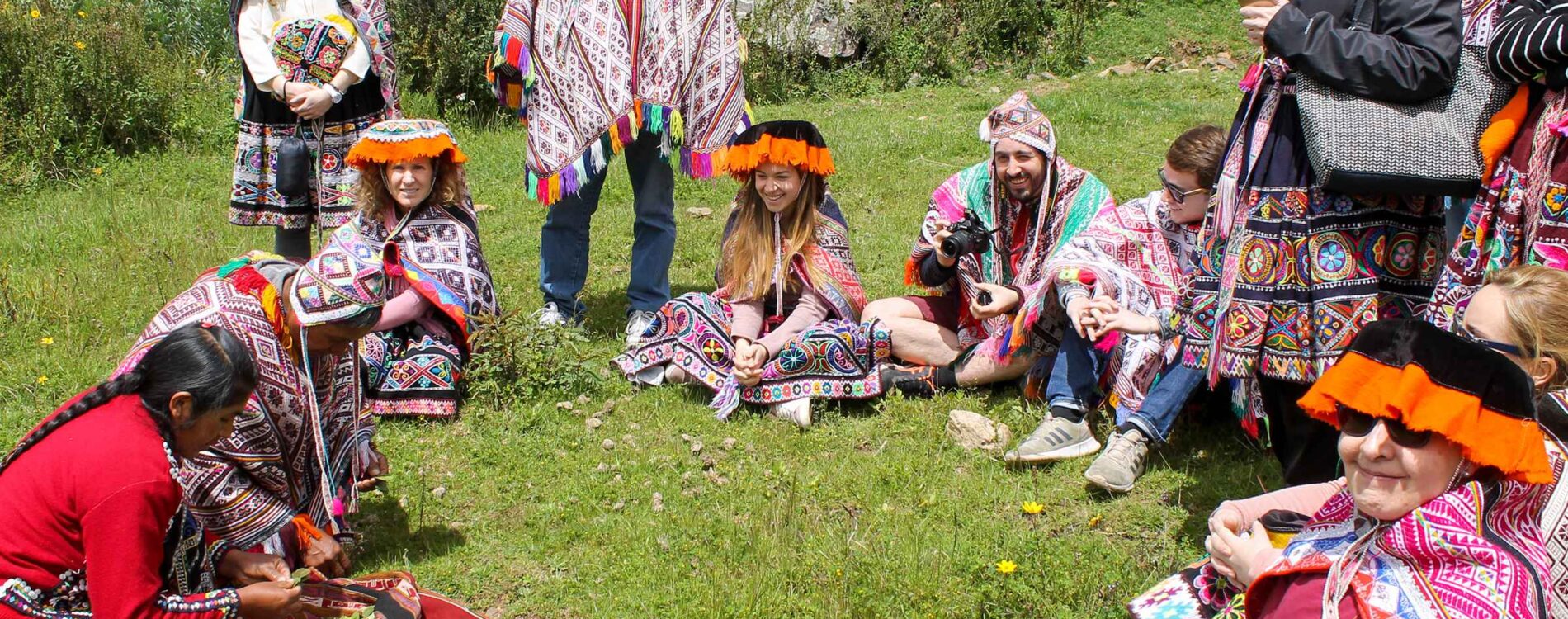
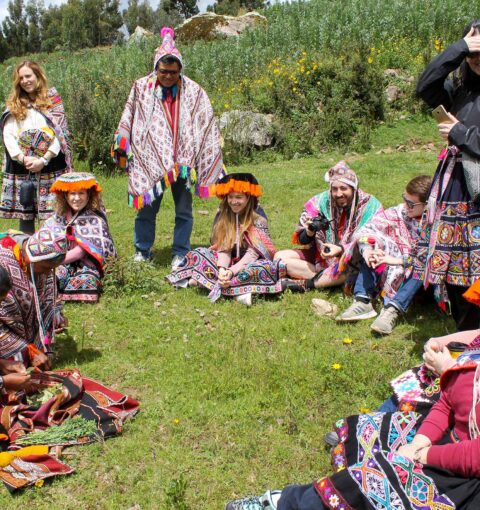
Once we arrive at the native community of Paru Paru, the community awaits us with local music and flowers from Cantú; all the residents wear colorful costumes representing the area. We will try to recognize the more than 2,000 varieties of potatoes preserved natively in this area of Cusco before participating in the planting of potatoes using ancestral Inca techniques.
We have a traditional lunch based on organic potatoes at noon in the community room. Before returning to Cusco, we have enough time to browse the souvenirs made by locals.
Experience a timeless adventure with intriguing customs and lush scenery at the remarkable Potato Park in Pisac, Peru. Get ready for an unforgettable getaway!
The tourist circuit of the Pisac Potato Park is to observe the immense amount of native potatoes that the families of the Paru Paru community protect and plant. The families of the Pisac potato park have been producing the native potatoes of the Incas for generations. During our farming and learning experience about the entire potato process, we will also have a potato-based lunch. They are very delicious—the more natural the potatoes, the better the flavors.
PARU PARU COMMUNITY OF PISAC: Traditional agricultural systems promote a reciprocal relationship between people and the colors of Peruvian potatoes. Discover the origin of the wild potatoes in the Andes in their natural habitat.
Potato lunch
Easy
A light walk
5 to 15 minutes

Potato Park: 4,070m (13,556 ft)
Note: The vehicles to use are “see the photo in the prices.”

Kondor Path Tours operates the potatoes in the Andes Mountains.
Everything you need to know about our Cultural Immersion in the Amaru Community — a full-day visit to the Quechua village of Amaru, one of the six anchor communities of the famous Potato Park of Pisac (Parque de la Papa), home to the world’s largest in-situ collection of native potato varieties. Below are the most up-to-date answers for 2026, including what the Potato Park is, how the immersion day works, the traditional Andean weaving demonstrations, the Pachamanca cooking experience, and the deep cultural significance of this experience.
The Amaru Cultural Immersion Tour is a full-day guided visit to the traditional Quechua village of Amaru (3,500 m), one of the six communities that collectively manage the Potato Park of Pisac — the world’s largest in-situ conservation site for native Andean potato varieties. The day includes a guided drive from Cusco, a ceremonial welcome by community members, a walking tour through the agricultural terraces, a traditional weaving demonstration with natural dyes, a participatory Pachamanca cooking experience, lunch with the community, a despacho offering ceremony to Pachamama (Mother Earth) and the Apus (mountain spirits), and the return to Cusco. Total duration: 9 to 10 hours. Physical level: easy to moderate.
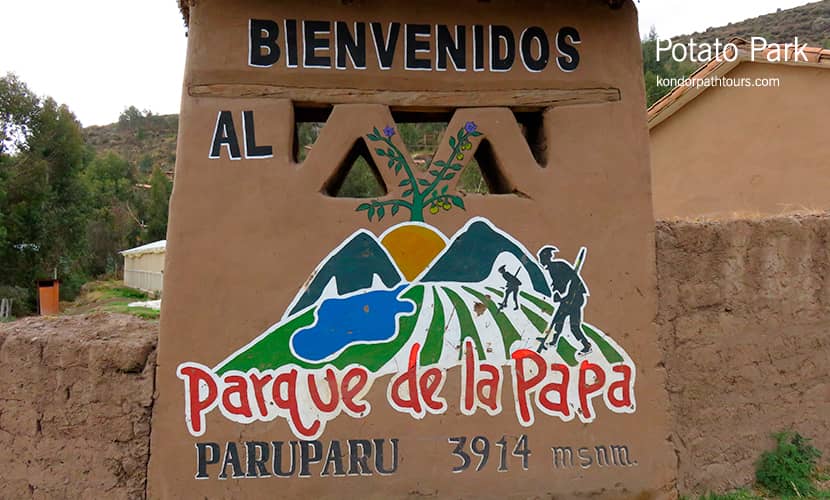
The Parque de la Papa (Potato Park) is a 9,200-hectare living agricultural reserve in the Pisac highlands, established formally in 2002 and managed collectively by six Quechua indigenous communities: Amaru, Chahuaytire, Sacaca, Cuyo Grande, Pampallacta, and Paru Paru. The park preserves over 1,300 varieties of native potatoes — the largest in-situ collection in the world — along with traditional knowledge of cultivation, ceremonial use, and processing techniques passed down for thousands of years. The Andes are the genetic origin point of the potato (domesticated here 7,000–10,000 years ago), and the Potato Park is one of the most important sites in the world for protecting this irreplaceable agricultural heritage.
The Potato Park preserves over 1,300 documented varieties of native Andean potatoes — approximately 200+ are actively cultivated every year by the six member communities. Varieties differ in size, color (yellow, red, purple, blue, black, white, multicolor), shape (round, oval, fingerlike, twisted), and altitude tolerance (from 2,800 m to over 4,500 m). Each variety has a Quechua name reflecting its appearance, taste, ceremonial use, or planting season. The collection includes “papas nativas” (true native varieties), “papas amargas” (bitter potatoes processed into chuño through traditional freeze-drying), and “papas dulces” (sweet eating varieties). The work is done in partnership with the International Potato Center (CIP) based in Lima.
The Amaru community is one of the most welcoming and culturally active of the six Potato Park villages, with a long-established tradition of receiving respectful visitors and sharing traditional knowledge. Amaru sits at approximately 3,500 m in a dramatic Andean basin, with terraced agricultural fields cascading down the hillsides and traditional adobe and stone homes clustered around a small central plaza. The community has approximately 500 inhabitants, virtually all of whom speak Quechua as their first language. Amaru is particularly renowned for its weaving tradition — the textiles produced here are considered some of the finest in the Cusco region.
The day typically includes: (1) Ceremonial welcome by community members in traditional dress, often with flower garlands, q’oa incense, and Quechua greetings. (2) Walking tour through agricultural terraces with explanations of native potato cultivation, irrigation, and crop rotation. (3) Traditional weaving demonstration: master weavers (mostly women) demonstrate how wool is spun, dyed with natural plants and minerals, and woven on traditional backstrap looms. (4) Pachamanca cooking experience: participate in preparing the traditional Andean dish cooked underground with hot stones. (5) Community lunch with native potatoes and traditional dishes. (6) Despacho ceremony with a Quechua paqo (spiritual guide) offering coca leaves, seeds, and symbolic items to Pachamama and the Apus.
Pachamanca (Quechua: “earth oven”) is one of the oldest Andean cooking techniques, predating the Inca Empire. The process: (1) A pit is dug in the earth and lined with stones. (2) A wood fire heats the stones until red-hot (1–2 hours). (3) Foods are layered onto the stones in a specific order: native potatoes at the bottom, then sweet potatoes, then meats (alpaca, chicken, pork), then fava beans, cheese, and aromatic herbs (huacatay, muña). (4) The pit is sealed with leaves, a wet cloth, and earth on top. (5) Food cooks for 1.5–2 hours from the residual stone heat. The result is exceptionally flavorful, smoky, and tender — and the act of unearthing the cooked food is itself a ceremonial moment.
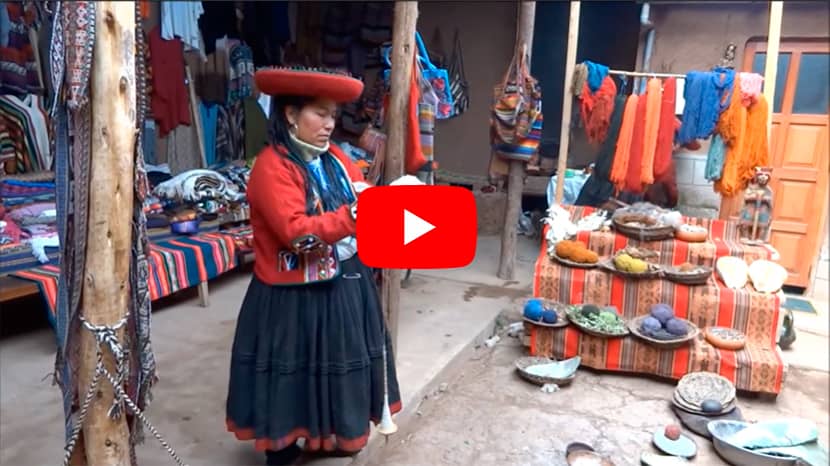
The Amaru weaving tradition uses techniques essentially unchanged since pre-Inca times. The demonstration covers all stages: (1) Shearing alpaca and sheep wool from community animals. (2) Washing and carding the raw fibers. (3) Spinning the wool by hand using a wooden spindle (pushka) — most weavers can spin and walk simultaneously. (4) Natural dyeing with local plants and minerals: cochineal insects for red/pink, indigo plants for blue, walnut shells for brown, copper sulfate for green, mineral clays for ochre. (5) Weaving on a traditional backstrap loom (away) attached between a wall and the weaver’s waist. (6) Symbolism: every pattern (pallay) carries meaning — mountains, rivers, condors, agricultural cycles, ancestral stories. Textiles are available for purchase, with all proceeds going directly to the families.
A despacho is a traditional Andean offering ceremony, central to Quechua spirituality. The ceremony is led by a paqo (Andean spiritual practitioner — sometimes translated as “shaman” but the term is contested). The paqo prepares a sacred bundle with offerings: k’intu (perfect groups of three coca leaves), seeds of native crops, sugar figurines representing prosperity, llama fat for vitality, gold and silver paper for material abundance, coca seeds, animal hair, and flower petals. Each offering is blessed and placed with intention while the paqo communicates with the Apus and Pachamama. The completed bundle is then ceremonially burned, fed to the earth, or placed in a sacred location. Participants are typically invited to receive a coca leaf blessing.
Profoundly different in purpose and depth. The Sacred Valley Full Day Tour shows you the archaeological highlights (Pisac ruins, Ollantaytambo fortress, Chinchero) — buildings built by Incas 500+ years ago, now empty and interpreted by guides. This Amaru Cultural Immersion takes you inside a living Quechua community where the descendants of the Incas still farm, weave, cook, and worship in essentially the same way their ancestors did. Choose Sacred Valley for archaeology; choose Amaru for cultural depth and living indigenous traditions. Many travelers do both — they complement each other powerfully.
07:30–08:00: Hotel pickup in Cusco. 08:00–09:30: Drive through the Pisac valley to the Amaru community (1.5 hours, with photo stops). 09:30–10:00: Ceremonial welcome at the community center. 10:00–11:30: Walking tour of agricultural terraces and native potato fields. 11:30–12:30: Traditional weaving demonstration with natural dye explanation. 12:30–13:30: Pachamanca preparation (open and serve the underground oven). 13:30–14:30: Community lunch with native potatoes and Pachamanca dishes. 14:30–15:30: Despacho ceremony with the community paqo. 15:30–16:00: Optional textile purchase directly from weavers. 16:00–17:30: Return drive to Cusco. 17:30: Hotel drop-off.
The price includes: hotel pickup and drop-off in Cusco; comfortable round-trip transport; certified bilingual guide for the full 9–10 hour day; community fee paid directly to Amaru (supports community education, infrastructure, and conservation work — typically S/40–60 per person); complete Pachamanca lunch with native potatoes, alpaca meat, chicken, vegetables, and traditional desserts; participation in the weaving demonstration; participation in the despacho ceremony with the community paqo; bottled water; oxygen kit; and all local taxes. Not included: tips for guide and community hosts, textile purchases (entirely optional), additional drinks at lunch, and personal expenses.
The tour is rated easy to moderate. The main activities are walking through terraced agricultural fields (gentle to moderate inclines, well-defined paths, approximately 1.5–2 km total) and sitting/standing during cultural demonstrations. Some sections of the agricultural walk involve uneven stone steps and grassy slopes — wear sturdy shoes with grip. The altitude (3,500 m at Amaru) is comparable to Cusco, so well-acclimatized travelers will feel comfortable. We can adjust the pace and skip the steeper agricultural walks for travelers with mobility concerns — mention at booking.
The Amaru community sits at approximately 3,500 m — slightly higher than Cusco (3,350 m). Some upper agricultural terraces reach 3,700 m if you choose the optional extended walking tour. The altitude is generally comfortable for travelers acclimatized to Cusco for at least one day. The Potato Park as a whole spans 3,200 m to 4,900 m, but the immersion tour stays in the lower, gentler altitudes near the village. The combination of moderate altitude, gentle walking, and warm community welcome makes this one of our most accessible cultural tours.
Possibly — better than high-altitude treks but still challenging if you just landed. The 3,500 m altitude is manageable for unacclimatized travelers, and the long lunch and gentle pace help. However, the 07:30 pickup means you need to have landed the previous day. We recommend Amaru as Day 2 or 3 of your Cusco itinerary — early enough that the cultural depth resonates, but with at least one full day of acclimatization first. The day is gentler than Humantay Lake or Rainbow Mountain, both of which we strongly discourage as arrival-day tours.
A few important guidelines. (1) Dress modestly: avoid revealing clothing, especially for women. (2) Ask before photographing people — never assume permission. Some community members will gladly pose; others prefer privacy. Photographing children specifically requires explicit consent from a parent. (3) Bring a small gift if you wish: school supplies, fresh fruits, or coca leaves are appreciated, but avoid sweets or processed food. (4) Don’t bargain aggressively when purchasing textiles — prices are already fair and proceeds go directly to families. (5) Participate respectfully: if invited to take a coca leaf blessing or contribute to the despacho, do so with intention. (6) Quechua greetings (“Allinllachu” — hello, “Sulpayki” — thank you) are warmly received.
Yes, with respect. Photography of landscapes, agricultural fields, animals, and architecture is unrestricted. Photography of people requires consent — your guide will help you ask. Many community members are happy to be photographed (especially weavers in traditional dress) but some prefer not to be. Photography of the despacho ceremony requires the paqo’s specific permission — some allow it, others consider it disruptive to the spiritual work. As a general rule: ask first, smile, and offer to share digital copies (the community now has internet access). Drone use requires advance community approval — request through us at booking.
The Amaru tour operates year-round, but each season offers different highlights. Planting season (September–October): see the community sowing native potato varieties in traditional patterns — culturally rich. Growing season (November–March, rainy): lush green agricultural fields, dramatic Andean weather, sometimes interrupted by afternoon rain. Harvest season (April–June): peak time — see the spectacular array of harvested potatoes in their natural colors, participate in chuño processing if visiting in May–June. Dry season (June–August): clear weather, beautiful photography conditions, but agricultural activity is more limited (post-harvest, pre-planting). Each season has its character — there is no “wrong” time.
Excellent for families. Children of all ages generally enjoy the Amaru experience — the warm community welcome, the variety of activities (walking, weaving, cooking, eating, ceremony), the colorful textiles, and the friendly community children make this one of our most family-friendly tours. Quechua children often interact directly with visiting kids — language barriers dissolve quickly during shared activities like potato planting or yarn spinning. Bring small gifts for the local children if you wish (school supplies, art materials). The lunch includes child-friendly options (boiled potatoes, soup, simple meats — let us know about food allergies at booking).
Yes — one of our most accessible cultural tours for seniors. The altitude (3,500 m) is gentle, the walking is moderate and optional, and the activities are mostly seated or standing. The long lunch and unhurried pace are ideal for travelers wanting depth without exhaustion. Seniors with mobility concerns can skip the agricultural walks and focus on the weaving demonstration, Pachamanca, and despacho ceremony — all conducted at the community center. Mention any specific needs at booking and we coordinate with the community in advance.
Five concrete reasons. (1) Living heritage: see Quechua traditions still actively practiced, not preserved behind glass. (2) Biodiversity conservation: directly support the preservation of 1,300+ native potato varieties through your visit. (3) Direct economic impact: 100% of community fees and textile purchases go directly to the families — no middlemen. (4) Cultural depth: the despacho ceremony, weaving demonstration, and Pachamanca cooking are authentic — not staged performances. (5) Unique among Cusco tours: most tours show you ruins; this one shows you the living descendants of the Incas in their own home.
Excellent combinations. (A) Cultural depth sequence: Day 1 Cusco arrival. Day 2 Cusco City Tour. Day 3 Amaru cultural immersion. Day 4 Sacred Valley archaeological highlights. Day 5 Machu Picchu. (B) Slow travel approach: Amaru followed by a relaxed day in Cusco for textile shopping and reflection. (C) Pre-Machu Picchu cultural foundation: visit Amaru first to understand Quechua culture, then visit the archaeological sites with deeper context. We strongly recommend NOT scheduling Amaru on the same day or back-to-back with high-altitude treks (Humantay, Rainbow Mountain) — the cultural experience deserves its own day.
Our certified guides offer the tour primarily in English and Spanish, both available on most departures. For private tours, we can arrange guides in French, German, Italian, Portuguese, Japanese, Mandarin, Russian, or Hebrew at no extra cost subject to availability — request at least 48 hours in advance. Several of our guides are Quechua native speakers — especially valuable on this tour. The community members of Amaru speak Quechua as their first language; many also speak Spanish, but few speak English. Your guide translates conversations and explains cultural nuances in real time. Request a Quechua-speaking guide for the deepest community engagement.
Both options available, but the experience is deeper in private format. Shared: 4 to 10 travelers from different bookings travel together with one bilingual guide; fixed pickup at 07:30 and standard itinerary. Private: just your group with flexible departure time, customizable pace, the option to extend specific activities (longer weaving workshop, hands-on potato planting in season, additional time with the paqo for personal blessings), and the possibility of overnight stay with a community family for an even deeper experience. Private pricing typically 2–3 times more per person than shared. Strongly recommended for travelers seeking deep cultural engagement.
Bring 100 to 200 Peruvian soles (USD 27 to 55) per person. Covers: tips for the guide and driver (suggested 10% of tour price), textile purchases directly from weavers (handwoven scarves S/80–150, blankets S/200–400, intricate ceremonial pieces S/500+), small donations or gifts to the community, and small personal expenses. Textile purchases are entirely optional but strongly recommended — they are the primary source of community income and the quality is exceptional. No ATMs in Amaru — withdraw cash in Cusco before departure. Card payments not accepted in the community.
For high season (May to September): book 1 to 2 weeks in advance. The Amaru community has limited capacity for visitors per day (to protect cultural authenticity), so booking early is important. For shoulder season (April, October): 3 to 5 days ahead is plenty. For low season (November to March): 48–72 hours ahead works. For overnight community stays (private tour only): book at least 2 weeks ahead — the community needs time to prepare accommodation. Same-day bookings are generally not possible because the community needs notice to coordinate the welcome and meal preparation.
Bookings cancelled 72 or more hours before departure receive a full refund. Cancellations 24 to 72 hours before receive 50%. Cancellations within 24 hours are non-refundable but can be rescheduled within 6 months at no extra cost, subject to availability. If we cancel due to extreme weather, road closure, strikes, or force majeure, you receive a full refund or free reschedule. For community tours specifically: we ask travelers to be especially considerate of last-minute cancellations, because the community has prepared food, set time aside from work, and coordinated weaving and ceremony preparations on your behalf.

Season 2026
Contact us for the best rates and staff support for parties with more than ten members. “Explore the Potato Park with Kondor Path Tours.”
Discover the ancient history of Peru’s Incan people—and their unique connection with potatoes—at the incredible Pisac Potato Park Tour. Explore the ruins and learn about one of South America’s most fascinating cultures!
| Persons | Price (p/p) | |
| 1 | $ 245.00 USD | |
| 2 | $ 157.00 USD | |
| 3 | $ 115.00 USD | |
| 4 | $ 97.00 USD | |
| 5 | $ 89.00 USD | |
| 6 | $ 82.00 USD | |
| 7 | $ 76.00 USD | |
| 8 | $ 72.00 USD | |
| 9 | $ 69.00 USD | |
| 10 | $ 66.00 USD |

Potato Park Peru

Potato Park Peru
Potato Park Peru