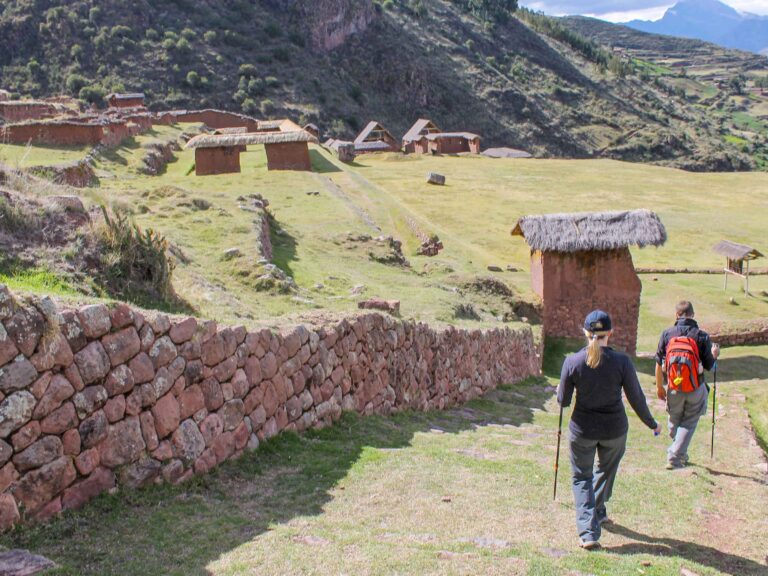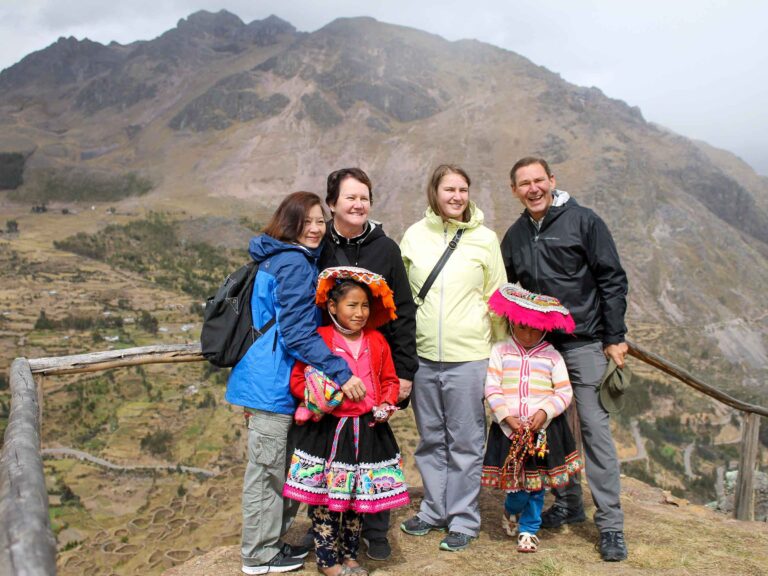

Hidden high in the Andes Mountains of Peru, the Qero community is often considered one of the last living descendants of the Inca civilization. Preserving ancient traditions, spiritual beliefs, and a deep connection with nature, the Q’ero people offer travelers a rare glimpse into a world where Andean culture continues to thrive.
Far from modern cities and surrounded by breathtaking mountain landscapes, the Qero communities maintain ancestral customs that have survived for centuries.
👉 Discover authentic Andean traditions with our Peru spiritual journeys and cultural experiences across the Andes.

Who Are the Q’ero People?
The Q’ero people are indigenous communities living in the remote Andes of the Cusco region, primarily in the province of Paucartambo.
Because of their historical isolation in the mountains, the Q’ero preserved many aspects of traditional Inca culture, language, spirituality, and agricultural practices.
- Quechua-speaking communities
- Traditional Andean lifestyles
- Ancient spiritual traditions
- Strong connection with nature
Many historians and anthropologists consider the Q’ero among the closest cultural descendants of the Incas.
The Historical Isolation of the Q’ero
After the Spanish conquest of the Inca Empire, many indigenous communities retreated into remote mountain regions to preserve their traditions and avoid outside control.
The Q’ero communities remained isolated in the high Andes for centuries, helping protect their ancestral identity and customs.
This isolation allowed them to preserve:
- Traditional clothing
- Quechua language
- Ancient ceremonies
- Andean agricultural practices
The Spiritual Worldview of the Q’ero
The Q’ero worldview is deeply rooted in Andean spirituality and harmony with nature.
The community honors:
- Pachamama (Mother Earth)
- Apus (mountain spirits)
- Sacred rivers and lakes
- Natural cycles and cosmic balance
For the Q’ero people, humans, mountains, animals, and nature are spiritually interconnected.
Pachamama and the Sacred Andes
Pachamama, or Mother Earth, is central to Q’ero spirituality.
The Q’ero perform traditional ceremonies and offerings to express gratitude and maintain harmony with nature.
These ceremonies often include:
- Coca leaf offerings
- Prayer rituals
- Despacho ceremonies
- Traditional music and chanting
👉 Related spiritual experiences:

Daily Life in the Q’ero Communities
Life in the Q’ero villages revolves around agriculture, livestock, weaving, and community cooperation.
The Q’ero maintain many traditional practices inherited from their ancestors.
- Potato and quinoa farming
- Llama and alpaca herding
- Traditional weaving
- Collective community work
Their lifestyle reflects a strong connection with the land and ancestral knowledge.
Traditional Q’ero Textiles
Weaving is one of the most important cultural expressions within Q’ero society.
Traditional textiles feature vibrant colors and symbolic patterns connected to:
- Nature
- Spiritual beliefs
- Inca symbolism
- Community identity
The weaving techniques used today closely resemble those of their Inca ancestors.
The Meaning of the Ayllu
The Q’ero preserve the ancient Andean concept of the “Ayllu,” a communal social structure based on cooperation, kinship, and shared responsibility.
This traditional system emphasizes:
- Collective work
- Mutual support
- Community harmony
- Respect for elders
The Ayllu remains an important foundation of Q’ero society today.
Challenges of Modernization
Although the Q’ero have preserved their traditions for centuries, modern challenges continue to affect their communities.
These challenges include:
- Limited access to healthcare
- Educational barriers
- Climate change impacts
- Economic difficulties
Despite these challenges, the Q’ero remain committed to preserving their cultural identity.
Responsible Cultural Tourism
Responsible tourism can help support Q’ero communities by creating sustainable economic opportunities while respecting their traditions and way of life.
Travelers should approach cultural experiences with respect, humility, and awareness.
- Support local artisans
- Respect ceremonies and customs
- Choose ethical tour operators
- Avoid exploitative tourism practices
The Spiritual Legacy of the Andes
The Q’ero people preserve one of the most authentic spiritual traditions in the Andes.
Their relationship with nature, mountains, and sacred ceremonies reflects a worldview that values balance, gratitude, and coexistence with the natural world.
For many travelers, meeting the Q’ero offers a profound cultural and spiritual experience.
Best Cultural and Spiritual Experiences in Peru
- Peru Spiritual Journeys
- Wachuma Ceremony Cusco
- Ayahuasca Retreat Peru
- Ausangate Trek
- Sacred Valley Private Tour
Best Time to Visit the Andes
The dry season from May to September offers the best weather conditions for cultural experiences and trekking in the Andes.
👉 Read our best time to travel to Peru guide.
Final Thoughts
The Q’ero community represents one of the most remarkable examples of cultural preservation in the Andes.
Their spiritual traditions, connection with nature, and commitment to ancestral knowledge continue to inspire travelers from around the world.
Visiting the Andes with respect and cultural awareness allows travelers to better understand the living legacy of the Inca civilization.
👉 Explore authentic Andean culture with our Peru spiritual and cultural experiences.