
This guide explains the current official Machu Picchu Regulations 2027, including the 3 official circuits, 10 visitor routes, entrance rules, ticket schedules, and important travel updates for visitors.

Why Were the Machu Picchu Regulations 2027 Updated?
The regulations were introduced to better manage visitor flow, reduce congestion inside the archaeological site, and preserve one of Peru’s most important cultural treasures.
For years, growing tourism has put pressure on trails, viewpoints, and archaeological sites. The new circuit system distributes visitors more efficiently while protecting fragile areas from excessive foot traffic.
Today, every visitor must enter Machu Picchu with a ticket linked to a specific circuit and route. Once inside, visitors are expected to follow the designated path assigned to their ticket.
Machu Picchu Circuits 2027: Overview of the 3 Official Circuits
The current visitor system is divided into three main circuits.
| Official Circuit (2027) | Main Focus & Routes | Best For & Visitor Type |
|---|---|---|
| Circuit 1: Panoramic | Upper terraces, Intipunku (Inca Trail entry), and classic postcard views. Includes 4 specific routes. | Photography lovers, active hikers, and travelers wanting the iconic panoramic view. |
| Circuit 2: Classic | The traditional citadel experience, Main Temples, Intihuatana, and Sacred Plaza. Includes 2 complete routes. | First-time visitors who want a comprehensive historical tour of the main ruins. |
| Circuit 3: Royalty | Lower archaeological areas, Temple of the Condor, Water Mirrors, and Huayna Picchu/Huchuy Picchu access. Includes 4 routes. | Seniors, travelers with limited mobility, or adventurous hikers climbing the sacred peaks. |
Circuit 1 – Panoramic Circuit
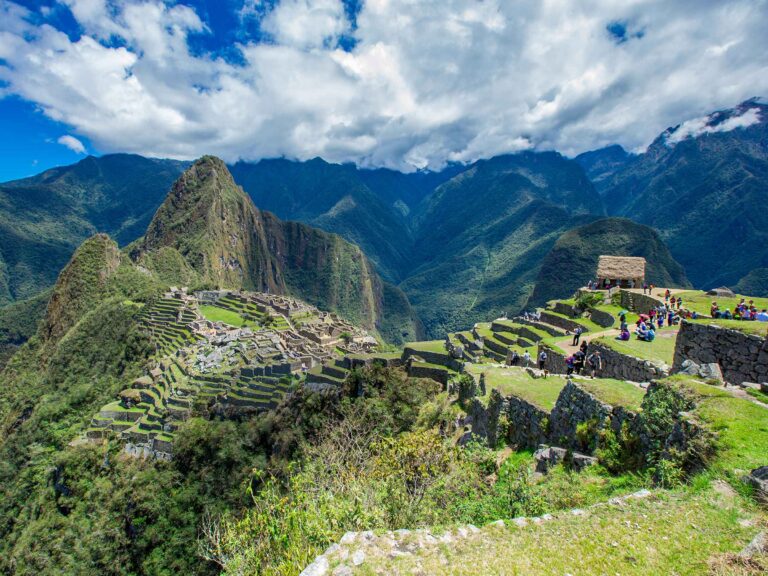
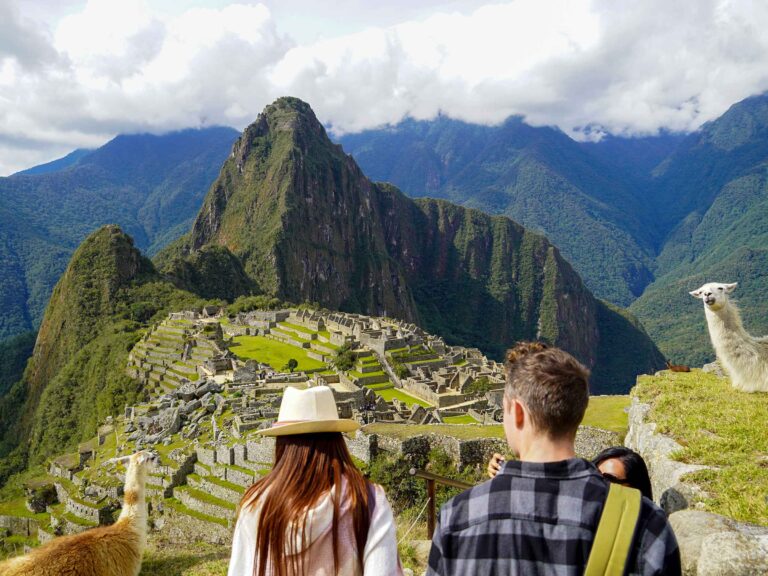
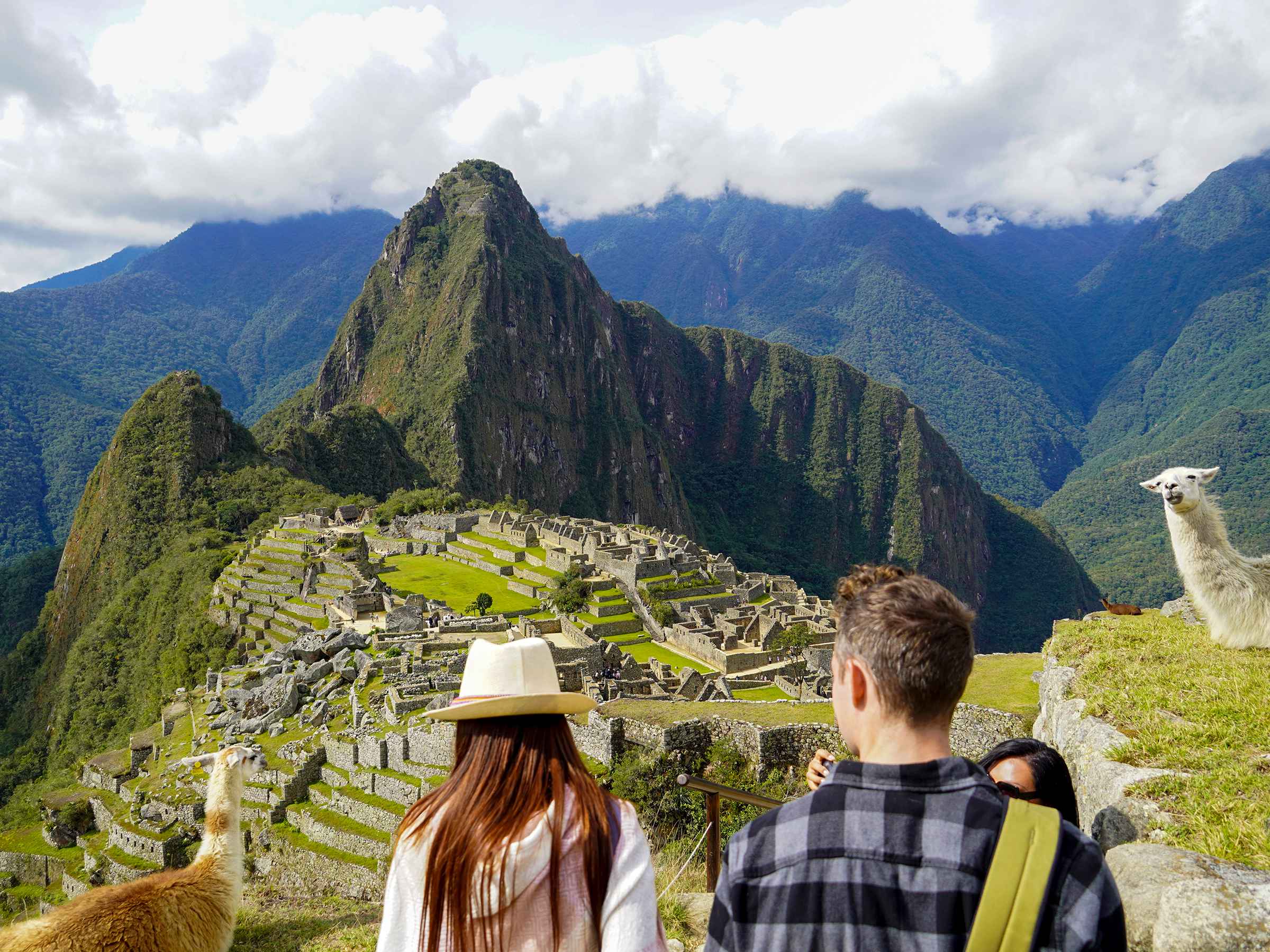
Circuit 1 focuses on the upper viewpoints of Machu Picchu and offers some of the most spectacular panoramic photographs of the citadel.
Travelers choosing this circuit enjoy elevated viewpoints that showcase the full beauty of Machu Picchu surrounded by the Andes Mountains.
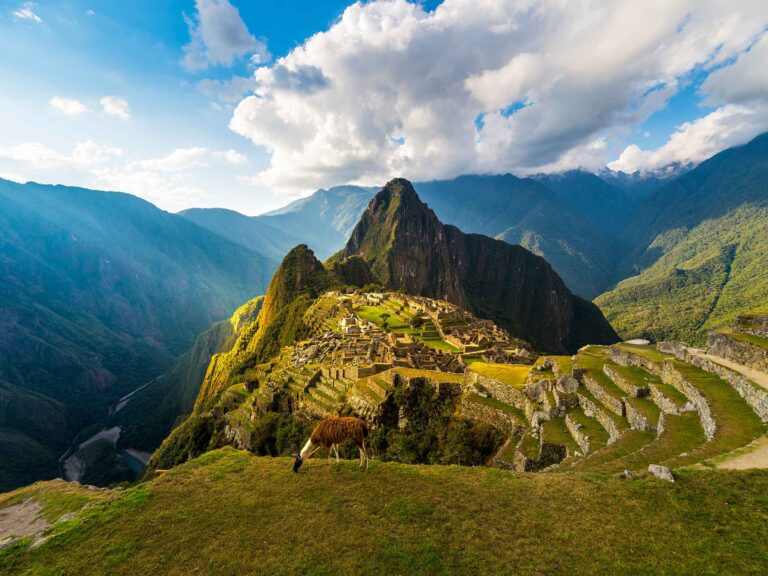
This option is particularly attractive for photographers and travelers who want to capture the classic postcard image of Machu Picchu.
Circuit 2 – Classic Circuit
Circuit 2 is often considered the most complete route for first-time visitors.
It combines panoramic viewpoints with access to many of the citadel’s most important archaeological sectors.
For travelers seeking a balanced experience that includes history, architecture, and photography opportunities, Circuit 2 is often the preferred choice.
Circuit 3 – Royalty Circuit
Circuit 3 explores the lower section of the archaeological site.
Visitors following this route can discover important Inca sectors while avoiding some of the more strenuous climbs found in other circuits.
Many travelers appreciate this option because it offers a different perspective of Machu Picchu while providing access to significant historical areas.
The 10 Official Routes Explained
Each circuit contains specific routes that determine exactly where visitors may walk within the archaeological sanctuary.
These routes manage visitor traffic and protect sensitive archaeological areas.
Depending on seasonal regulations and ticket availability, travelers may encounter routes that include:
- Panoramic viewpoints
- Classic citadel sectors
- Lower archaeological zones
- Mountain access options
- Specialized visitor experiences
Because route availability can change, we recommend confirming your ticket details before arrival in Cusco.
Official Machu Picchu Routes Included in Each Circuit
Understanding the difference between Machu Picchu circuits and routes is one of the most important steps when planning your visit. While the three official circuits determine the general area you will explore, the individual routes define the exact path you will follow inside the archaeological sanctuary.
This system was created to improve visitor management, protect fragile archaeological sectors, and provide travelers with a more organized experience. As a result, each entrance ticket is linked to a specific route, and visitors must stay on the designated path throughout their visit.
Choosing the right route can significantly impact your experience. Some routes prioritize panoramic viewpoints and classic postcard photographs, while others focus on archaeological sectors, cultural interpretation, or access to special attractions located within the Machu Picchu Historic Sanctuary.
Circuit 1 Routes – Panoramic Experiences
The routes included within Circuit 1 are designed for travelers who want spectacular views of Machu Picchu from higher vantage points. These routes offer some of the most iconic photo opportunities and let visitors appreciate the scale and beauty of the Inca citadel surrounded by the Andes Mountains.
Travelers interested in photography, scenic landscapes, and elevated viewpoints often prefer Circuit 1 because it offers the classic Machu Picchu perspective featured in travel magazines and guidebooks worldwide.


Circuit 2 Routes – The Classic Machu Picchu Experience
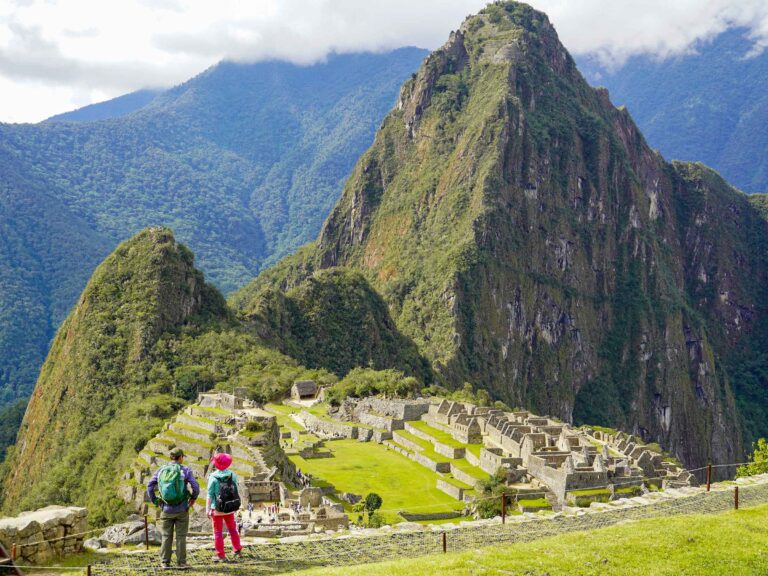
Circuit 2 is widely considered the most complete option for first-time visitors. The routes in this circuit combine panoramic viewpoints with access to many of the most significant archaeological sites within the citadel.
Visitors following Circuit 2 can gain a deeper understanding of Inca engineering, architecture, and urban planning while enjoying some of the most recognizable areas of Machu Picchu. For many travelers, this circuit offers the ideal balance between history, culture, and photography.


Circuit 3 Routes – Lower Archaeological Sectors
The routes within Circuit 3 focus on the lower section of Machu Picchu and provide access to important ceremonial and residential areas associated with the Inca elite. These routes offer visitors a different perspective on the archaeological site while exploring sectors that played a significant role in daily Inca life.
Many travelers appreciate Circuit 3 for its more relaxed walking experience while still offering valuable insights into the history and cultural significance of Machu Picchu.


Which Route Should You Choose?
The best route depends on your interests, travel style, and available ticket options.
- Choose a panoramic route if photography and mountain scenery are your main priorities.
- Choose a classic route if it is your first visit, and you want the most complete experience.
- Choose a lower-circuit route if you prefer to explore archaeological sites and learn about Inca history.
Because route availability can change throughout the year, we recommend booking tickets as early as possible and reviewing current regulations before finalizing your travel plans. Travelers who prefer a hassle-free experience can also explore our Machu Picchu Tours, where our local team in Cusco organizes transportation, train tickets, entrance tickets, and guided visits.
Machu Picchu Entry Rules 2027
Before entering Machu Picchu, every visitor should be aware of the following guidelines:
Bring Your Passport
The information on your entrance ticket must match your passport or identification document.
Arrive on Time
Visitors should arrive according to the time indicated on their ticket. Late arrivals may encounter restrictions depending on operational policies.
Follow Your Assigned Route
Once inside Machu Picchu, visitors must respect the route assigned to their ticket and follow directional signs and staff instructions.
Respect Archaeological Areas
Climbing on structures, touching sensitive archaeological elements, or entering restricted zones is prohibited.
Help Preserve the Site
Responsible tourism helps protect Machu Picchu for future generations. Visitors are encouraged to follow all conservation guidelines throughout their visit.
How to Choose the Best Circuit
The best circuit depends on your travel style and interests.
Choose Circuit 1 If:
- Photography is your priority.
- You want panoramic views.
- You enjoy scenic viewpoints.
Choose Circuit 2 If:
- It is your first visit.
- You want a complete Machu Picchu experience.
- You want to see the most iconic sectors.
Choose Circuit 3 If:
- You prefer a different perspective.
- You want access to lower archaeological areas.
- You prefer a route with fewer elevated sections.
Travelers looking for a convenient visit from Cusco may also consider our Machu Picchu Full Day Tour or the popular Machu Picchu Express Tour.
Travelers who are still deciding how to organize their visit can explore our complete collection of Machu Picchu Tours. If you are looking for specific itineraries that include transportation, train tickets, and guided visits, browse our Machu Picchu Trips for the latest travel options from Cusco.
Tips for Buying Machu Picchu Tickets
- Book several weeks in advance during high season.
- Verify your passport information before purchasing.
- Select the correct circuit before confirming payment.
- Keep digital and printed copies of your reservation.
- Review official updates before traveling.
Travelers who need assistance organizing transportation, train tickets, and entrance tickets can also explore our complete collection of Machu Picchu Trips.
Planning to visit Machu Picchu?
Our local team can help you secure tickets, train reservations, transportation, and guided tours. Explore our Machu Picchu Tours and travel with experienced local specialists from Cusco.
To avoid any issues during your trip, we highly recommend verifying ticket availability in advance. You can check the official government updates regarding the Machu Picchu Regulations 2027 directly on the Official Machu Picchu Ticket Portal run by the Peruvian Ministry of Culture.
At Kondor Path Tours, our goal is to ensure you have a seamless experience. Staying up to date with the latest Machu Picchu Regulations 2027 is the best way to ensure a smooth, memorable journey to the Inca citadel without last-minute surprises.
Frequently Asked Questions
Do I need to choose a circuit before visiting Machu Picchu?
Yes. Every ticket is linked to a specific circuit and route.
Can I change circuits after purchasing my ticket?
Availability depends on ticket inventory and current regulations. Changes are not always possible.
Which circuit is best for first-time visitors?
Many travelers prefer Circuit 2 because it combines panoramic viewpoints with access to major archaeological sectors.
How early should I book Machu Picchu tickets?
During peak travel months, booking several weeks or even months in advance is highly recommended.
Are the regulations expected to change again?
Visitor management policies may evolve over time, so travelers should always verify the latest information before visiting.
Final Thoughts
Understanding the Machu Picchu Regulations 2027 is essential for planning a successful visit. The current system of three official circuits and ten routes helps preserve the archaeological sanctuary while providing a safer and more organized visitor experience.
By choosing the right circuit, booking tickets in advance, and respecting site regulations, travelers can enjoy one of the world’s most extraordinary destinations while helping protect it for future generations.